

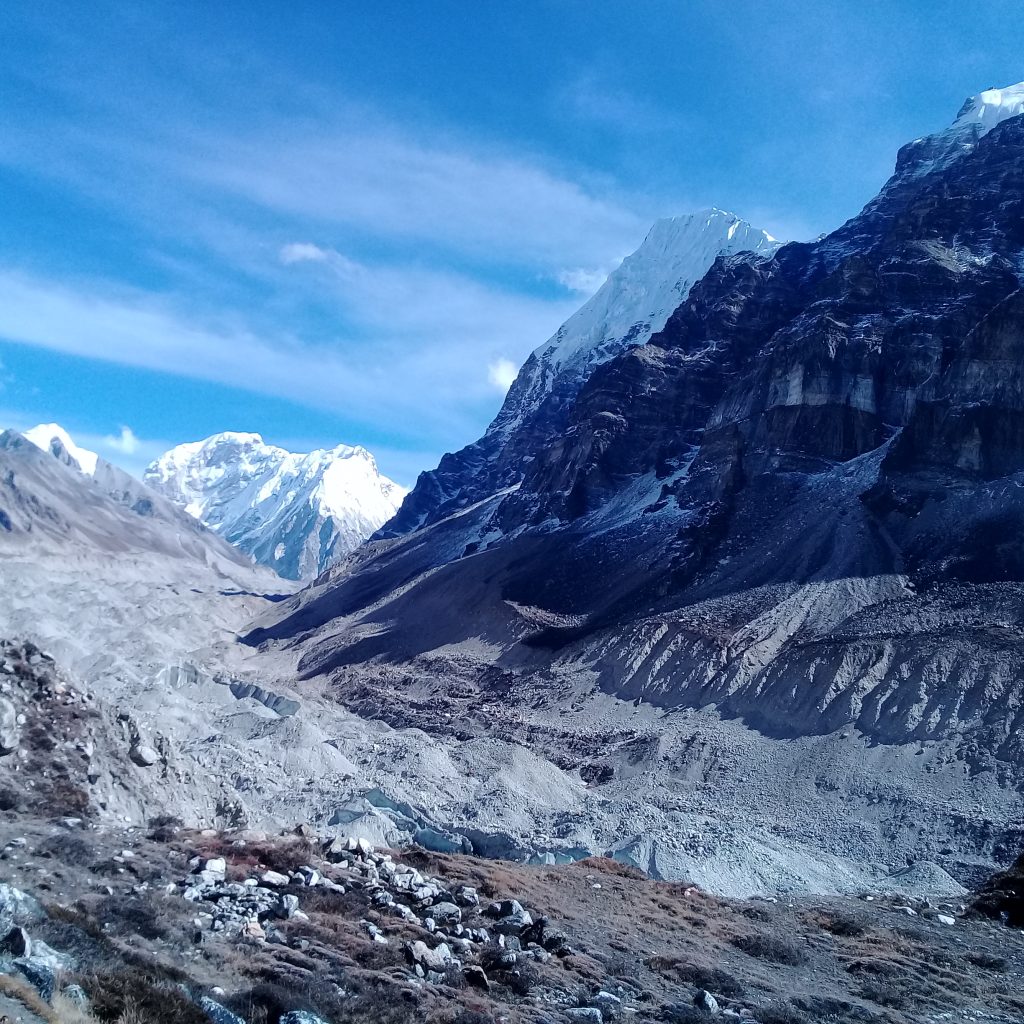
Planning your first Himalayan adventure? Choosing the Best Time to Visit Everest Region is one of the most important decisions you’ll make. Weather, trail conditions, visibility, and temperatures all change throughout the year, directly affecting your trekking experience.Whether you’re preparing for the Everest Base Camp Trek or simply exploring the stunning Khumbu region, this guide explains the pros and cons of every season. By the end, you’ll know exactly when to visit based on your travel goals, budget, and experience level.
Why Timing Matters
The Everest Region experiences dramatic seasonal changes. Picking the right time can make the difference between a comfortable, scenic trek and a challenging one affected by rain, snow, or poor visibility.Choosing the right season helps you: Enjoy spectacular mountain views Trek on safer trails Experience comfortable temperatures Reduce the risk of weather-related flight delays Take better photographs Have a more enjoyable overall experience
Everest Region Climate Overview
The Everest Region, located in the northeastern Himalayas of Nepal, experiences diverse weather throughout the year due to its high altitude. Spring (March–May) and autumn (September–November) offer mild temperatures ranging from 5°C to 15°C, excellent mountain visibility, and are the busiest trekking seasons. Summer (June–August) is warmer, with temperatures between 10°C and 20°C, but frequent monsoon rains reduce visibility and attract fewer visitors. Winter (December–February) brings cold conditions, with temperatures dropping as low as -15°C, though clear skies often provide good visibility and quieter trails. Regardless of the season, nights remain cold, especially at higher elevations, so proper preparation and warm clothing are essential.
Best Time to Visit Everest Region
For most travelers, spring (March to May) and autumn (September to November) are the best times to visit the Everest Region. During these seasons, you can enjoy stable weather, clear skies, spectacular mountain views, and comfortable temperatures. As a result, trekking becomes safer, more enjoyable, and more rewarding. If you’re planning the Everest Base Camp Trek, these months are highly recommended. In addition, tea houses are fully open, flights to Lukla operate more reliably, and the trails are generally in excellent condition. Therefore, spring and autumn are the ideal seasons for beginners and first-time trekkers seeking a memorable Himalayan adventure.
Best Season for Everest Base Camp Trek
🌸 Spring (March to May)
Spring is one of the best times to visit the Everest Region. As the snow melts, the weather becomes warmer and the trails are surrounded by blooming rhododendrons. Additionally, clear skies, stable weather, and comfortable temperatures make trekking enjoyable. Therefore, spring is an excellent choice for beginners and first-time trekkers.
🍂 Autumn (September to November)
Autumn is another ideal season for trekking in the Everest Region. After the monsoon, the skies become clear, offering stunning views of Mount Everest and the Himalayas. Moreover, dry trails and pleasant temperatures create perfect trekking conditions. As a result, autumn is considered one of the best seasons for the Everest Base Camp Trek.
conclusion
Choosing the Best Time to Visit Everest Region can make a significant difference to your trekking experience. For most travelers, spring (March to May) and autumn (September to November) provide the best weather, spectacular mountain views, and safer trail conditions.Whether your goal is completing the Everest Base Camp Trek, experiencing Sherpa culture, or witnessing the breathtaking beauty of the Himalayas, careful planning will help you enjoy a memorable and rewarding journey.With the right season, proper preparation, and respect for the mountains, your Everest adventure can become one of the most unforgettable experiences of your life.
Leave a Reply