
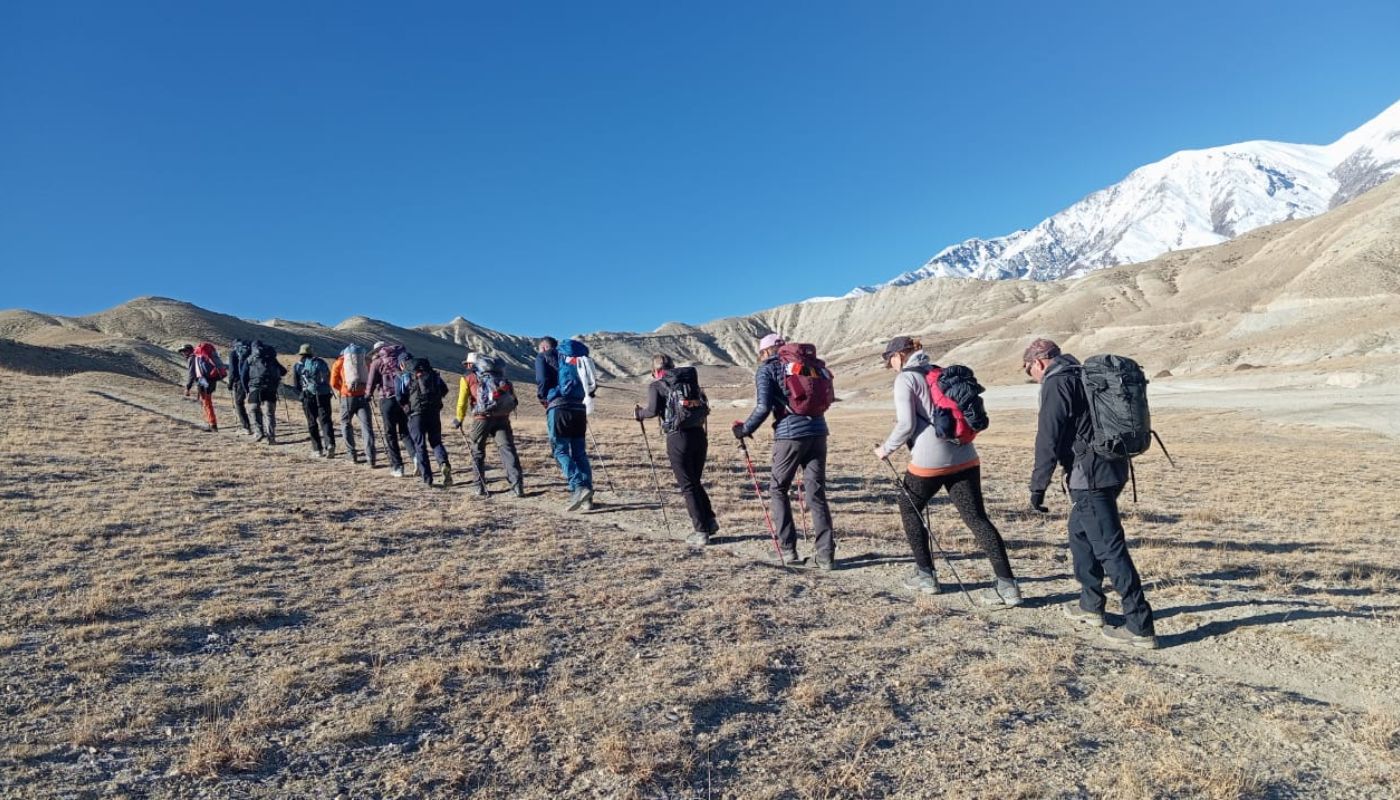
Nepal is one of the world’s most popular destinations for trekking and hiking, welcoming thousands of adventure travelers every year. Whether you dream of reaching Everest Base Camp or exploring the Annapurna Region, safety is often the first question that comes to mind. Fortunately, Nepal is safe for trekking when you prepare properly, follow local guidelines, and make informed decisions.This guide explains everything you need to know about Nepal Trekking Safety, including common risks, how to avoid them, and practical tips for a safe and enjoyable Himalayan adventure.
Is Nepal Safe for Trekking?
Yes, Nepal is considered one of the safest countries in the world for trekking. Moreover, the country’s most popular trekking routes are well-marked, supported by experienced guides, and equipped with tea houses, lodges, and rescue services. However, like any mountain adventure, trekking in Nepal requires proper planning and awareness of potential risks.
Why Nepal Is a Popular Trekking Destination
Nepal offers some of the world’s most spectacular mountain landscapes and trekking trails. Not only can visitors enjoy breathtaking Himalayan views, but they also experience rich local cultures, welcoming hospitality, and diverse natural beauty.
Common Trekking Risks
Although trekking in Nepal is generally safe, understanding potential risks helps travelers prepare more effectively.
Altitude Sickness
Altitude sickness is the most common challenge on high-altitude treks. Therefore, trekkers should ascend gradually, drink plenty of water, and schedule acclimatization days to allow the body to adjust.
Changing Weather
Mountain weather can change quickly. For this reason, always check forecasts before setting out and carry waterproof clothing, warm layers, and emergency supplies.
Physical Fatigue
Long hiking days can be physically demanding. In addition, preparing through regular walking, hiking, or cardio exercises before your trip can improve endurance and reduce fatigue.
Best Time for Safe Trekking
The best time for trekking in Nepal is during spring (March to May) and autumn (September to November). During these seasons, the weather is generally stable, the skies are clear, and the trails are in excellent condition. Therefore, these months provide the safest and most enjoyable trekking experience for first-time international travelers.
Guided vs. Solo Trekking
Choosing between a guided trek and an independent adventure depends on your experience. However, for first-time visitors, trekking with a licensed guide is highly recommended. Guides help with navigation, weather updates, local regulations, and emergency support. Additionally, group or guided treks allow you to focus on the experience while experienced professionals handle the logistics.
Conclusion
Is Nepal Safe for Trekking? The answer is yes. With proper planning, the right equipment, travel insurance, and responsible trekking practices, Nepal offers one of the safest and most rewarding trekking experiences in the world. Whether you’re exploring the Everest Base Camp Trek, Annapurna Circuit, Langtang Valley, or another Himalayan trail, following basic safety guidelines will help you enjoy an unforgettable adventure with confidence.
Leave a Reply