

Flight Delays or Cancellations in Nepal
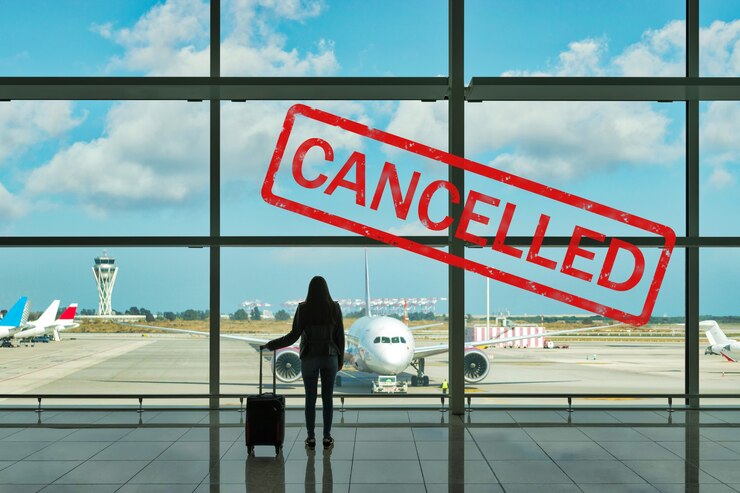
Flying in Nepal is truly a unique experience, offering breathtaking mountain views — but it can also be unpredictable. Due to rapidly changing weather conditions such as fog, heavy rain, and strong winds, domestic flights are sometimes delayed or cancelled, especially during winter (mid-January to February) and the monsoon season (June–August). Nepal’s domestic airports, including Tribhuvan International Airport, do not have advanced landing systems, which means flights cannot operate safely in poor visibility conditions.
What to Expect
During winter and monsoon seasons, flight delays and cancellations are more common. Monsoon brings heavy rainfall and low cloud cover, while winter fog can significantly reduce visibility. In contrast, spring (March–May) and autumn (September–November) usually offer the best flying conditions with clear skies, stable weather, and spectacular Himalayan views — making these seasons ideal for trekking in the Everest, Annapurna, and Langtang regions.
Flights to Lukla, the gateway to Everest Base Camp, are particularly weather-sensitive due to its high-altitude location and challenging runway conditions. If flights are cancelled, passengers must either wait for the next available flight or consider a helicopter charter option.


Plan Ahead for a Smooth Journey
We strongly recommend adding at least one buffer day to your itinerary to accommodate possible flight delays. Comprehensive travel insurance is essential and should cover trip interruptions and helicopter evacuation, especially for high-altitude treks. If required, we can arrange a helicopter transfer, and you may later claim reimbursement from your insurance provider.
For destinations such as Pokhara or Chitwan, road travel can serve as an alternative. However, remote trekking gateways like Lukla do not have road access, making flexibility important.
Our Commitment at Himalaya Soul Treks
At Himalaya Soul Treks, your safety and comfort are our highest priorities. Our experienced team closely monitors weather updates and flight schedules, keeps you informed in real time, and arranges the best possible alternatives when needed. With proper planning, flexibility, and expert support, your Himalayan adventure will remain smooth, safe, and unforgettable — no matter what the skies bring.