
Phaplu to Everest Base Camp Trek 19 Days– A Classic Round-Trip Journey in the Khumbu Region
Phaplu to Everest Base Camp Trek 19 Days– A Classic Round-Trip Journey in the Khumbu Region
The trek begins with a drive from Kathmandu to Phaplu, which can be accomplished via private jeep, bus, or shared vehicle. From Phaplu, the trail follows a serene path, largely untouched by the heavy trekking traffic typical of the region north of Lukla. The first day introduces trekkers to the lowland forests, agricultural terraces, and…
Activities
Group Size
Reviews
Keywords
Trip code
WT-CODE 2527
- Overview
- Trip Outline
- Trip Includes
- Trip Excludes
- Gallery
- Reviews
- Booking
- FAQ
Phaplu to Everest Base Camp Trek 19 Days– A Classic Round-Trip Journey in the Khumbu Region.
Trek Facts
Trek Feature Details
Trek Name : Phaplu to Everest Base Camp Trek 19 Days– A Classic Round- Trip Journey in the Khumbu Region,
Duration : 16 Days
Trekking Region : Everest / Khumbu Region
Starting Point : Phaplu
Ending Point : Phaplu
Highest Point : Kala Patthar – 5,545 m / 18,192 ft
Everest Base Camp 5,364 m / 17,598 ft
Difficulty : Moderate to Strenuous
Trekking Days : Approximately 12–13 days
Accommodation : Teahouses / Lodges
Meals : Breakfast, Lunch & Dinner during trekking
Transportation : Kathmandu–Phaplu–Kathmandu by road by shearing jeep and private jeep.
Best Seasons : March–May and September–November,
Main Highlights : Everest Base Camp, Kala Patthar, Namche Bazaar, Tengboche Monastery,
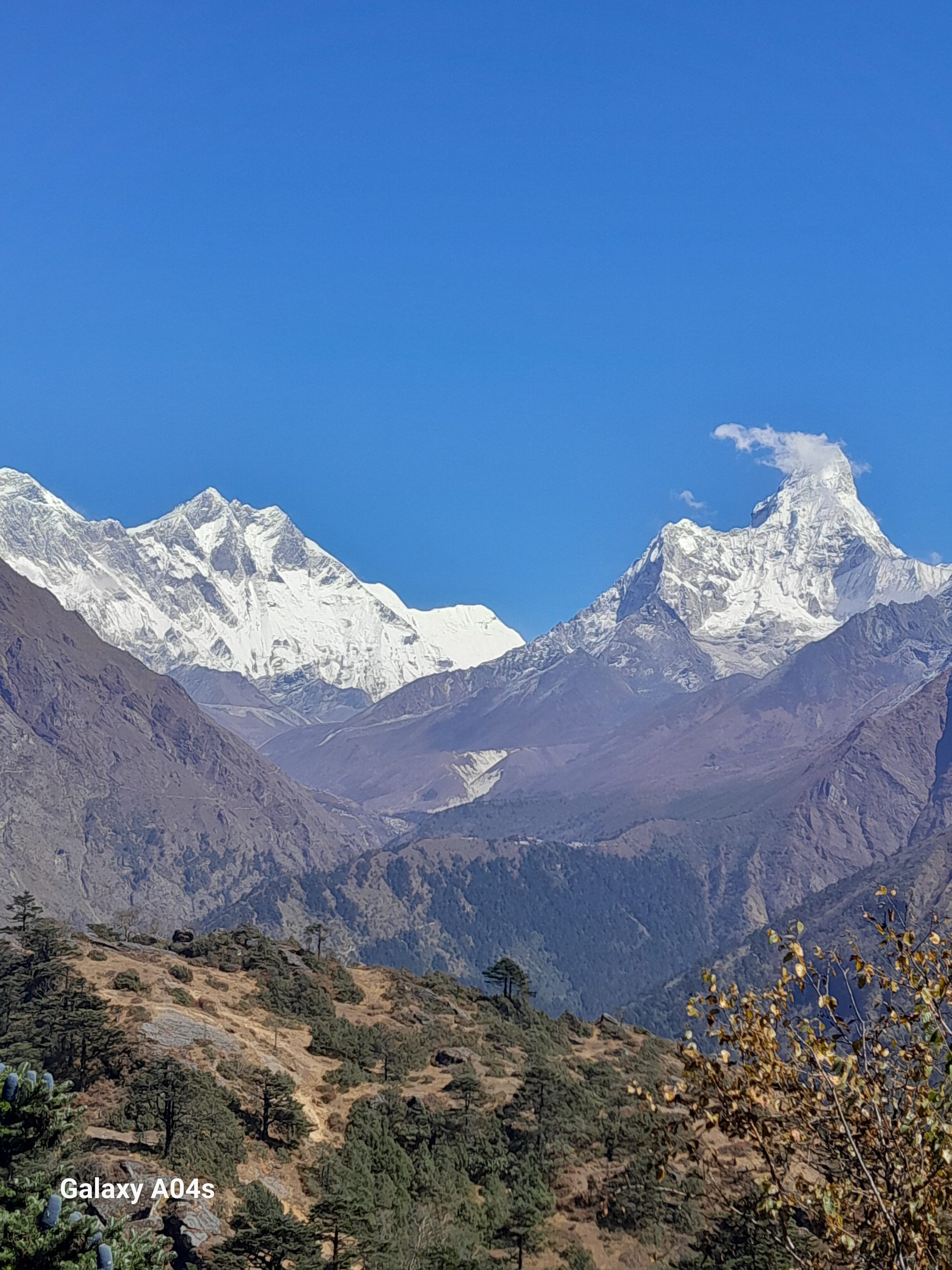
Major Mountains : Everest, Lhotse, Nuptse, Ama Dablam, Pumori
Route Type : Land Route / No Lukla Flight
Maximum Walking Time : Approximately 7–8 hours
Group Size : 1-11, Customizable
Major Highlights of The Phaplu to Everest Base Camp Trek 19 Days– A Classic Round-Trip Journey in the Khumbu Region
Scenic Kathmandu–Phaplu overland journey
No need for a Lukla flight
Explore the less-traveled lower Solukhumbu trail
Experience authentic Sherpa villages and mountain culture
Visit historic Tengboche Monastery
Explore vibrant Namche Bazaar
Two acclimatization days for better adaptation to altitude
Spectacular views of Mount Everest and Ama Dablam
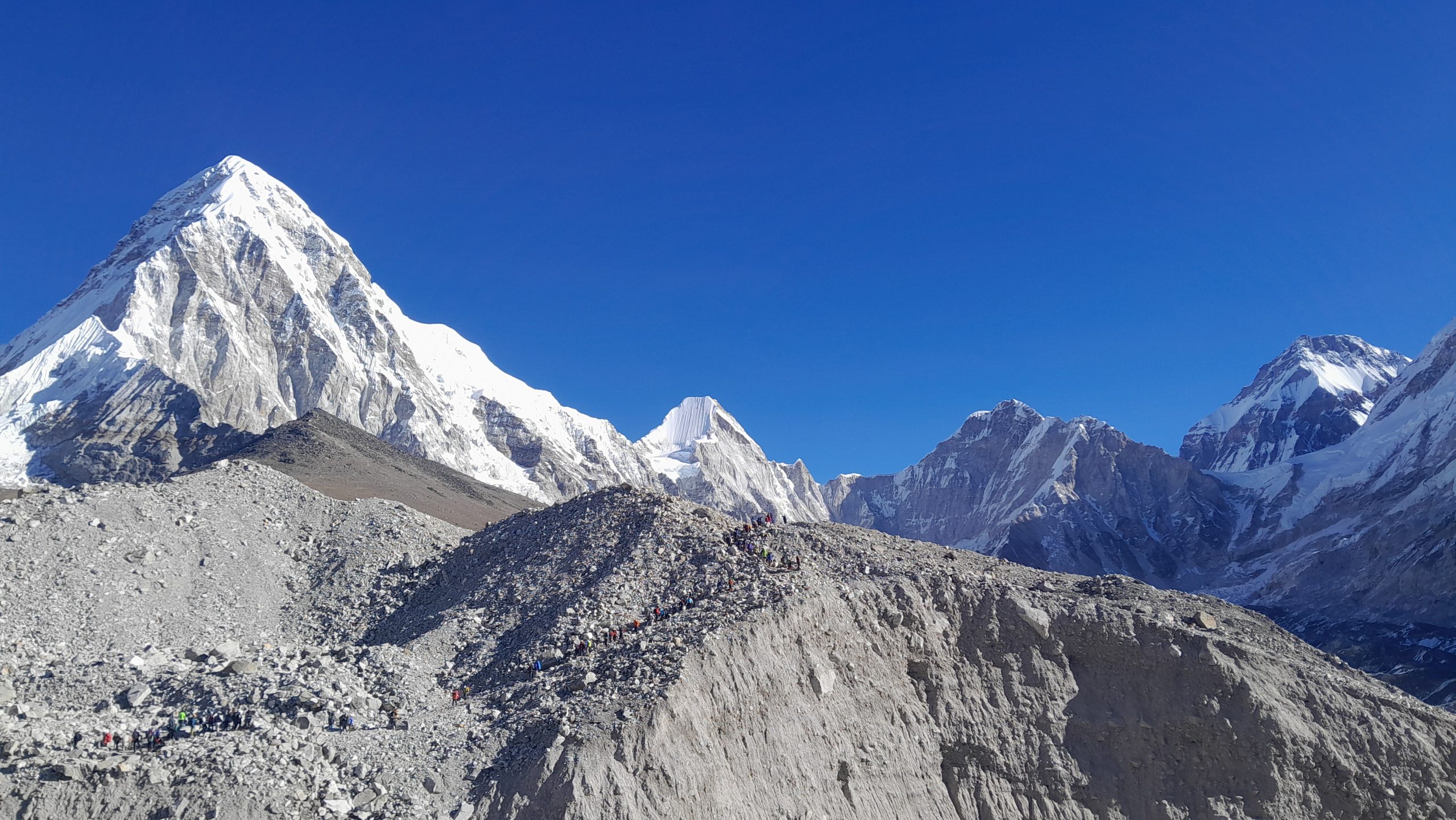
Trek alongside the Khumbu Glacier
Reach Everest Base Camp
Sunrise from Kala Patthar
Experience the dramatic Himalayan landscapes of the Khumbu region
Return to Phaplu by land and drive back to Kathmandu.
Trip Overview
While most trekkers to Everest Base Camp begin their journey with a scenic flight into Lukla, the alternative approach starting from Phaplu offers a unique and highly rewarding experience. This route allows trekkers to gradually acclimatize to higher altitudes, steadily build stamina, and gain a deeper appreciation of the natural and cultural landscapes of the Everest region before reaching the more crowded northern trails. Historically, this route holds immense significance: it mirrors the original trailheads used by early Everest expeditions, including the famed 1953 Hunt expedition with Tenzing Norgay and Sir Edmund Hillary, making it a journey through the footsteps of Himalayan climbing legends. Trekkers traversing this trail truly connect with the heritage of mountaineering and the human spirit of exploration.
The trek begins with a drive from Kathmandu to Phaplu, which can be accomplished via private jeep, bus, or shared vehicle. From Phaplu, the trail follows a serene path, largely untouched by the heavy trekking traffic typical of the region north of Lukla. The first day introduces trekkers to the lowland forests, agricultural terraces, and small villages where the local communities—primarily Sherpas and Rai people—live in harmony with the land. The trail climbs gradually through the Traksindu Pass, eventually reaching Lamjura Bhanjyang (3,530 meters). This natural ridge offers stunning panoramic views of distant Himalayan peaks, serving as an early reward for the day’s exertion. A gradual descent follows, crossing the Dudh Koshi River east of Nunthala, with each step revealing diverse vegetation and the harmonious blend of farming life and rugged Himalayan landscapes.
As trekkers continue, the trail passes through additional high passes such as Taksindu La and Khari La (3,145 meters), which not only challenge stamina but also provide spectacular views of terraced hillsides, dense pine and rhododendron forests, and the first glimpses of snow-capped peaks in the distance. By the time travelers reach Lukla, they are better acclimatized and well-prepared for the higher altitudes that await further along the journey. This progressive ascent ensures a safer, more comfortable trekking experience compared to the abrupt start from the airport at Lukla.
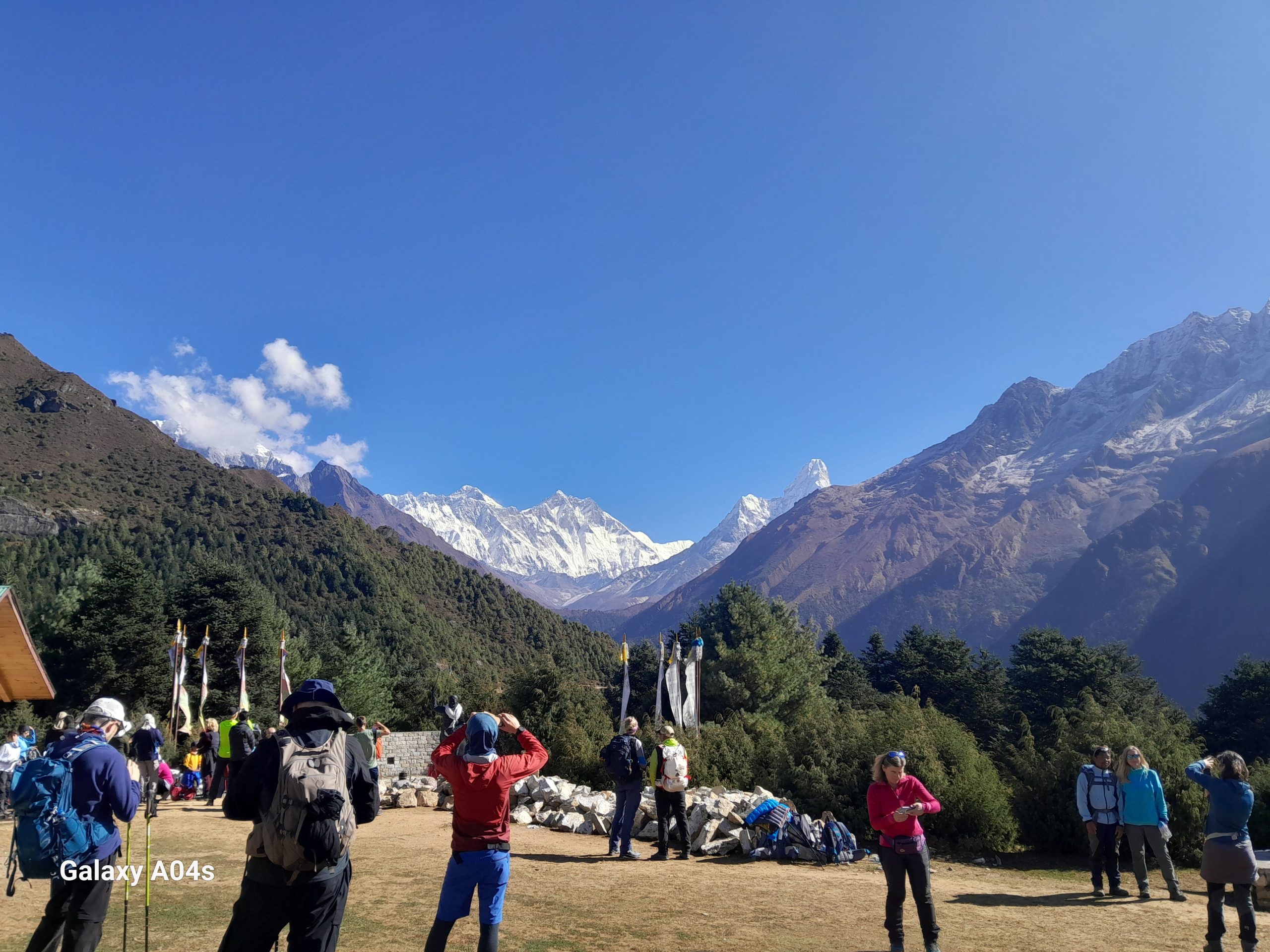
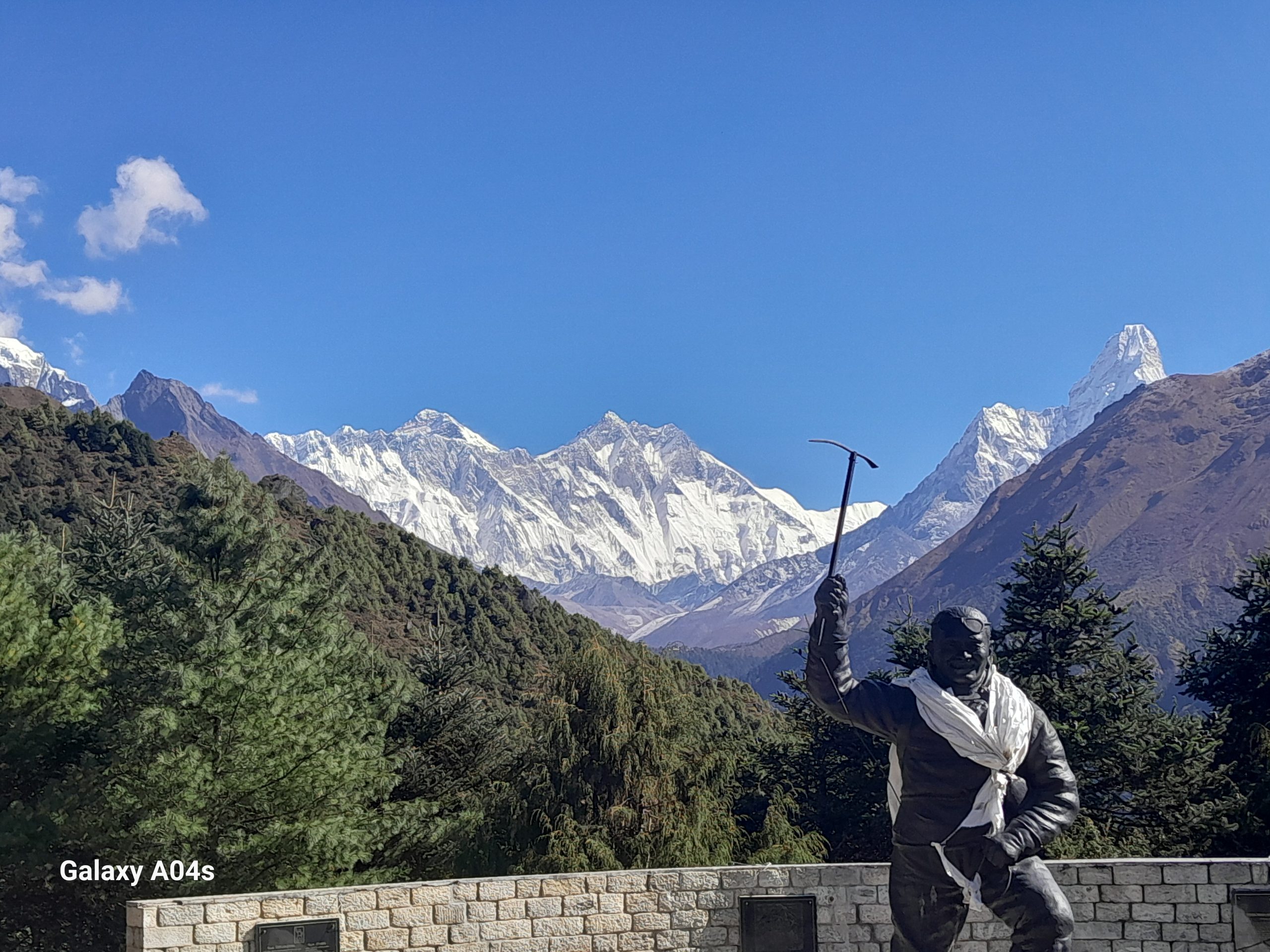
From Lukla, the trek enters the heart of Sagarmatha National Park, a UNESCO World Heritage Site, where the landscapes become dramatically more mountainous. The trail winds through villages such as Phakding, before ascending steadily to Namche Bazaar, the bustling Sherpa hub of the Khumbu region. Here, trekkers are introduced to the Sherpa culture, including traditional stone houses, mani walls, Buddhist chortens, and prayer flags fluttering in the Himalayan winds. With each step, peaks such as Everest, Lhotse, Nuptse, Kangtega, and Ama Dablam dominate the skyline, instilling a sense of awe and anticipation.
A highlight of the trek is the stop at Tengboche Monastery (3,867m), the spiritual heart of the region. Historically, climbers and expeditions have sought the blessing of the monastery’s resident lamas before attempting the ascent of Everest, a tradition that continues today. The monastery’s golden stupa, intricate murals, and panoramic views of surrounding peaks create an unforgettable cultural and visual experience.
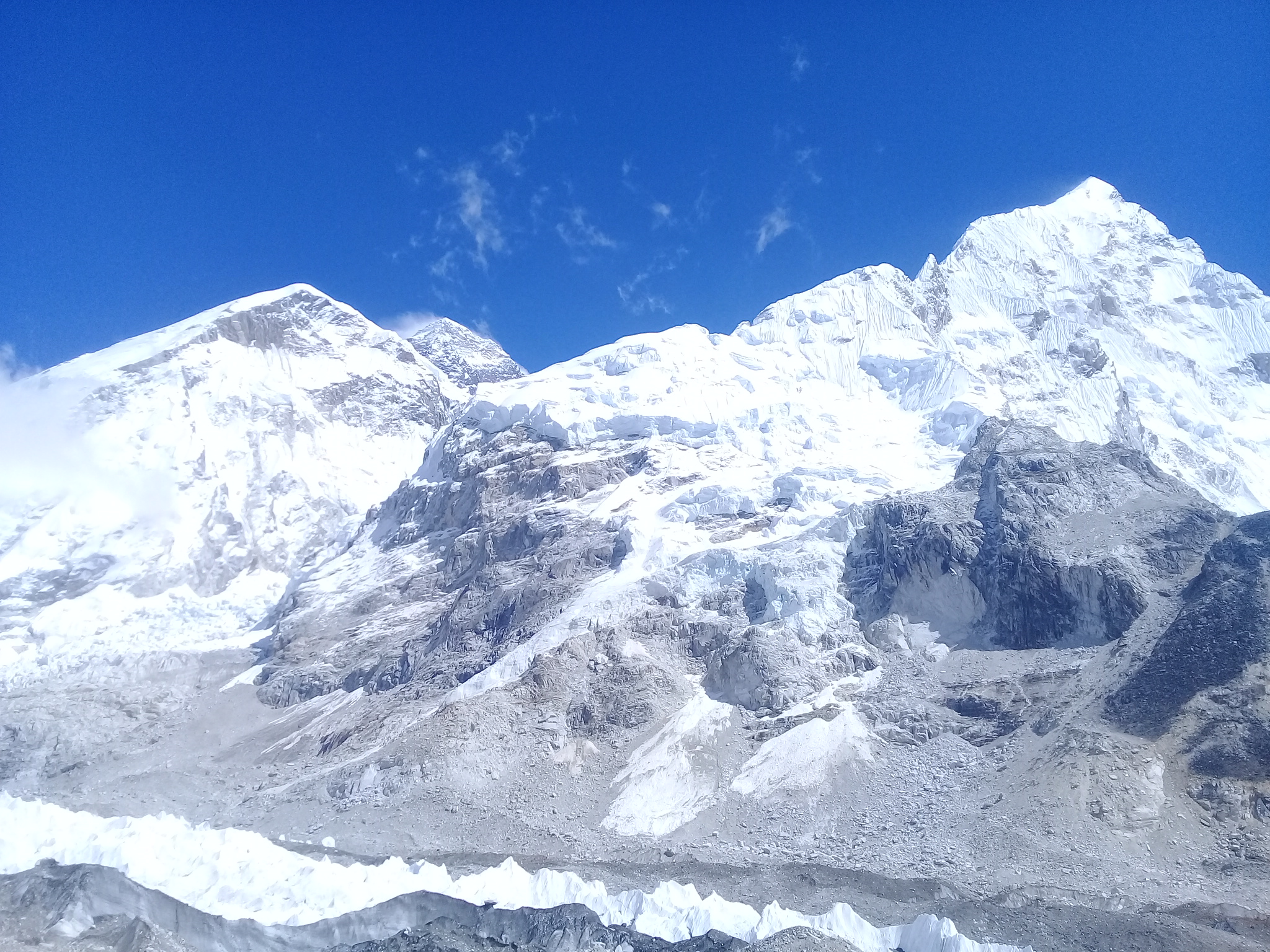
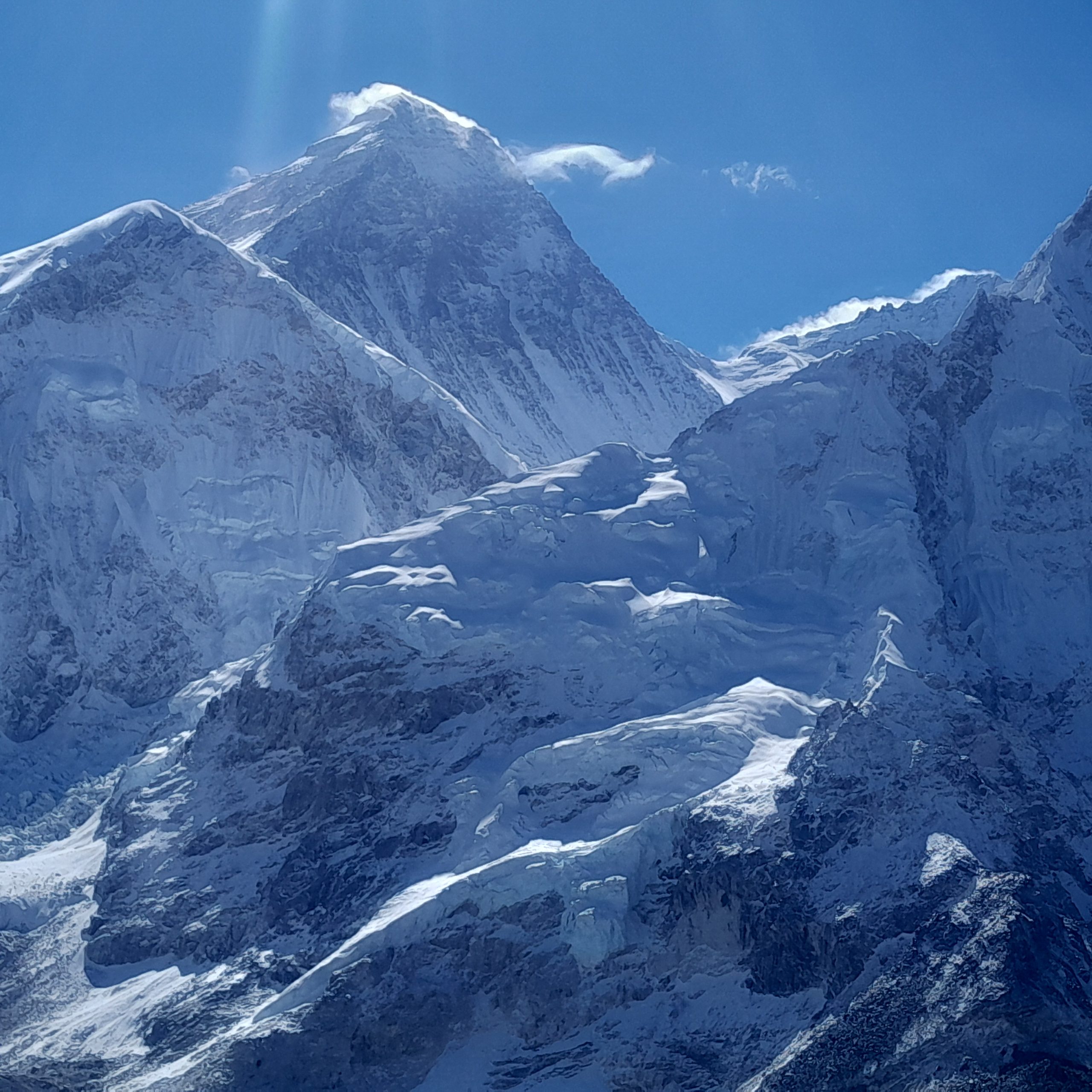
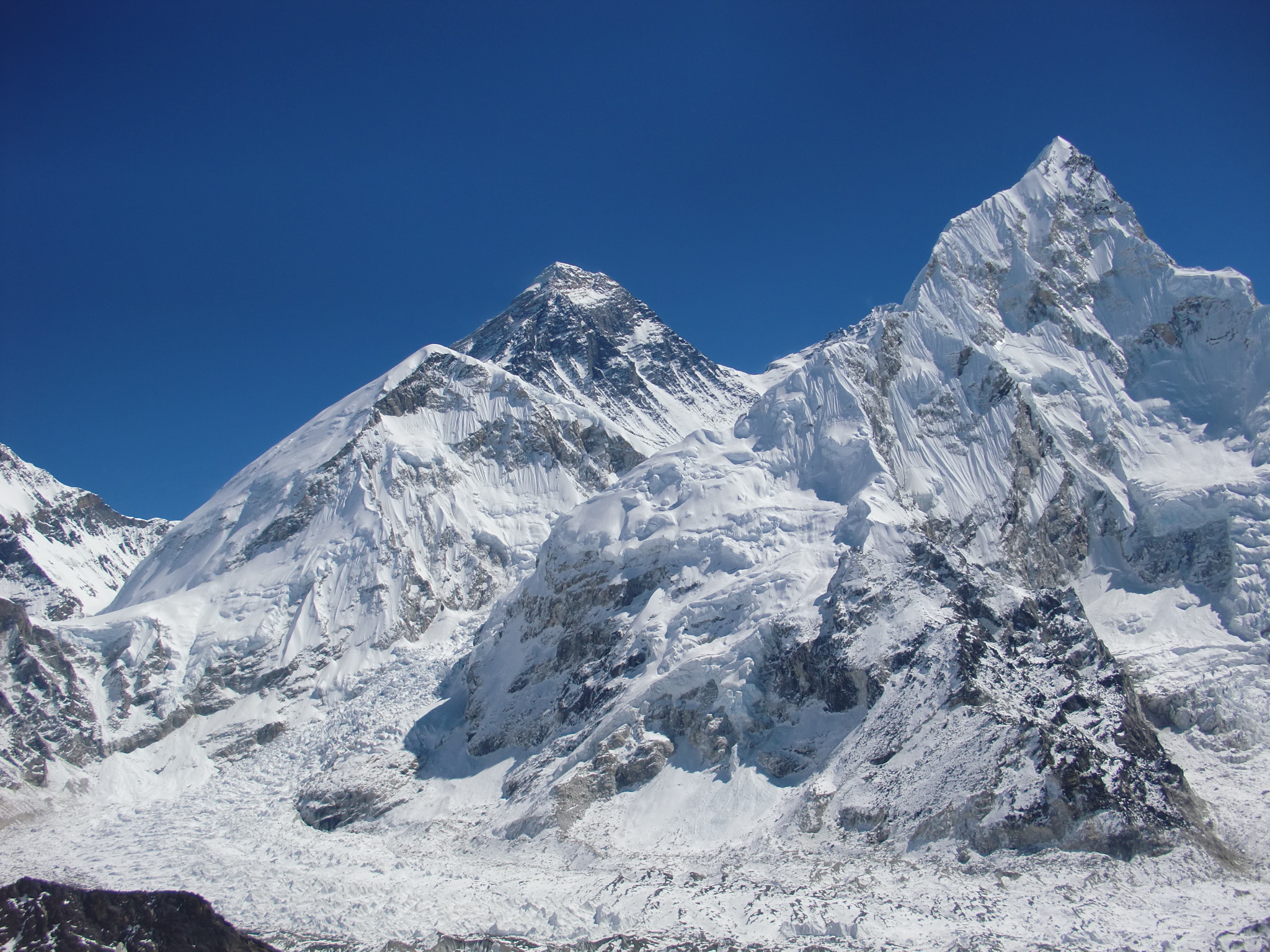
The journey culminates at Everest Base Camp (5,364 meters), the iconic starting point for climbers attempting the world’s highest peak. From here, trekkers can witness the formidable Khumbu Icefall, towering ridges, and distant summits that have captivated explorers for decades. An optional hike to Kala Patthar (5,550 meters) rewards trekkers with one of the most dramatic, close-up panoramic views of Mount Everest, Lhotse, Nuptse, and Pumori, a moment often described as the pinnacle of Himalayan trekking.
The Phaplu route to Everest Base Camp is more than just a trek; it is a journey through history, culture, and nature. Trekkers gain insight into the ancient Sherpa way of life, experience the untouched landscapes of the lower Khumbu, and walk the same paths once used by early mountaineering pioneers. For those seeking extended adventure, variations such as the Everest Three High Passes Trek or the Gokyo Valley Trek provide further challenges and breathtaking scenery, making the experience as customizable as it is memorable.
Whether one seeks adventure, culture, or spiritual connection, the Phaplu to Everest Base Camp trek offers a holistic Himalayan experience, blending physical challenge with cultural immersion, historical significance, and natural wonder. It is an expedition that leaves an indelible mark on every trekker, fostering a deep connection with the world’s highest mountains and the resilient communities that thrive in their shadow.
What to Pack
Essential Trekking Equipment
- Comfortable trekking boots
- Trekking trousers
- Thermal base layers
- Fleece jacket
- Down jacket
- Waterproof jacket and trousers
- Warm hat
- Sun hat
- Gloves
- Sunglasses
- Sleeping bag
- Trekking poles
- Headlamp
- Water bottles
- Water purification tablets/filter
- Sunscreen and lip balm
- Personal toiletries
- Basic first-aid supplies
- Duffel bag
- Daypack
- Power bank
- Personal medications
Phaplu to Everest Base Camp Trek
The Everest Trail is one of the world’s most famous trekking routes, leading trekkers through the beautiful Khumbu region to the base of Mount Everest. For centuries, the trail was used by the local Sherpa people for trade, travel, and pilgrimage between Nepal and Tibet.
The region became internationally known after the first successful ascent of Everest by Tenzing Norgay and Sir Edmund Hillary in 1953. As interest in Everest grew, trekking tourism developed rapidly, and the Everest Trail became a popular destination for adventurers from around the world.
Today, the trail offers not only spectacular Himalayan scenery but also a rich cultural experience, passing through traditional Sherpa villages, ancient monasteries, and the renowned Sagarmatha National Park, a UNESCO World Heritage Site established in 1976.
Itineraries
Day 1
Arrival in Kathmandu – Airport Transfer
Upon arrival at Tribhuvan International Airport, you will be warmly welcomed by your guide and transferred to your hotel in Kathmandu.
Altitude: 1,400m / 4,593ft
Accommodation: 3-Star Hotel
Day 2
Trek Preparation – Gear Check & Guide Meeting
Today is dedicated to final trekking preparations. After breakfast, you will meet your trekking guide for a detailed briefing covering the route, altitude challenges, safety procedures, and daily hiking plans. A thorough gear check ensures you have all the necessary equipment, and there is time to rent or purchase any missing items in Thamel. This is also an opportunity to explore UNESCO World Heritage sites in Kathmandu, such as Swayambhunath, Boudhanath, and Durbar Square. Overnight stay at the hotel.
Altitude: 1,400m / 4,593ft
Meals: Breakfast
Accommodation: 3-Star Hotel
Day 3
Time : 11:00 am
Kathmandu to Phaplu
The adventure begins with a long but scenic drive from Kathmandu to Phaplu, the traditional starting point for treks into the Khumbu region. The road passes through rolling hills, small villages, and verdant landscapes that offer your first glimpses of the Himalayas. From Phaplu, the trek begins briefly through forests and stone steps toward Nunthala, giving a taste of what early Everest expeditions must have experienced along this historic trail. Overnight at a tea house in Phaplu.
Altitude: 2,469m / 8,100ft
Meals: Breakfast, Lunch, Dinner
Accommodation: Tea House
Day 4
Phaplu to Nunthala – 7 hrs / 19 km
The trek starts by crossing Ringmu Village and ascends through a stunning Himalayan landscape with views of distant peaks, including the trekking classic, Mera Peak. The path climbs steadily to Traksindu La Pass, where a serene monastery provides a peaceful resting point. After a gradual descent through forested trails, you arrive in Nunthala, a small settlement that offers insight into local Sherpa and Rai culture. Overnight stay at a tea house.
Altitude: 2,345m / 7,694ft
Meals: Breakfast, Lunch, Dinner
Accommodation: Tea House
Day 5
Nunthala to Khari Khola – 5 hrs / 8 km
Crossing the Dudh Koshi River via a suspension bridge, the trail continues along lush forested slopes and passes through small Sherpa outposts. This stretch combines gentle climbs with occasional descents, offering scenic views of terraced fields, cascading streams, and the surrounding hills. The day concludes with arrival at Khari Khola, a tranquil village that marks a perfect first night in the heart of the lower Khumbu. Overnight stay at a tea house.
Altitude: 2,194m / 7,198ft
Meals: Breakfast, Lunch, Dinner
Accommodation: Tea House
Day 6
Khari Khola to Paiya – 6 hrs / 10 km
Today’s trek is more challenging, with undulating terrain and gradual ascents leading to Paiya. The trail winds through terraced farmland, pine and rhododendron forests, and small villages, offering glimpses of traditional Sherpa life and stunning Himalayan vistas. The higher altitude introduces thinner air and cooler temperatures, giving trekkers an early taste of mountain conditions. Overnight stay at a tea house in Paiya.
Altitude: 2,890m / 9,482ft
Meals: Breakfast, Lunch, Dinner
Accommodation: Tea House
Day 7
Paiya to Phakding – 6 hrs / 16 km
The trail leads to Chaurikharka, where it intersects with the main trekking route from Lukla. This segment gives trekkers an acclimatization advantage over those flying directly to Lukla. The hike passes small villages, suspension bridges, and scenic viewpoints, offering panoramic glimpses of the towering peaks of the Khumbu region. Arrival in Phakding, a charming riverside village, marks a restful stop before the more demanding ascents ahead. Overnight stay at a tea house.
Altitude: 2,610m / 8,563ft
Meals: Breakfast, Lunch, Dinner
Accommodation: Tea House
Day 8
Phakding to Namche Bazaar – 6 hrs / 11 km
Following the Dudh Koshi River, the trail crosses the iconic Edmund Hillary Suspension Bridge and enters Sagarmatha National Park. The route passes the checkpoint at Monjo and gradually ascends into the Sherpa capital, Namche Bazaar. The bustling town offers an authentic Sherpa experience with shops, teahouses, and cultural sites. Arrival in Namche provides spectacular views of Everest, Lhotse, and Ama Dablam, signaling entry into high-altitude trekking territory. Overnight stay at a tea house.
Altitude: 3,440m / 11,286ft
Meals: Breakfast, Lunch, Dinner
Accommodation: Tea House
Day 9
Acclimatization in Namche Bazaar
A crucial rest day to acclimatize to the higher altitude. Trekkers can explore Namche Bazaar’s markets, the Sherpa Cultural Museum, and visit the Everest View Hotel for panoramic vistas. Optional hikes to Khumjung Village and its monastery, including the famed Yeti scalp, offer cultural insights and scenic rewards. This day ensures your body adjusts safely, preparing for the higher passes and Everest Base Camp ahead. Overnight stay at a tea house.
Altitude: 3,440m / 11,286ft
Meals: Breakfast, Lunch, Dinner
Accommodation: Tea House
Day 10
Namche Bazaar to Tengboche – 6 hrs / 9 km
The trek departs Namche through small villages and suspension bridges, gradually climbing through dense rhododendron forests to reach Tengboche. The village is famous for its monastery, the largest in the Khumbu region, and a spiritual center for climbers and trekkers. The dramatic backdrop of Ama Dablam and surrounding peaks adds a sense of awe to the serene atmosphere. Overnight stay at a tea house in Tengboche.
Altitude: 3,870m / 12,697ft
Meals: Breakfast, Lunch, Dinner
Accommodation: Tea House
Day 11
Tengboche to Dingboche – 6 hrs / 11 km
Today’s journey descends gently through forested trails, crossing suspension bridges before climbing steadily toward Dingboche. The trail passes villages such as Pangboche and Sumare, with Ama Dablam dominating the skyline. Along the way, mani walls, monasteries, and cultivated fields offer insight into local Sherpa culture. Arrival in Dingboche presents breathtaking views of Lhotse, Island Peak, and surrounding mountains. Overnight stay at a tea house.
Altitude: 4,410m / 14,469ft
Meals: Breakfast, Lunch, Dinner
Accommodation: Tea House
Day 12
Acclimatization in Dingboche
A mandatory rest day to help with high-altitude adaptation. Trekkers can hike to Chhukung Ri, Nangar Dzong, or Dolma Ri, enjoying panoramic views of glaciers, peaks, and alpine landscapes. This day provides ample opportunity for photography, rest, and exploration while building stamina for higher elevations. Overnight stay at a tea house in Dingboche.
Altitude: 4,410m / 14,469ft
Meals: Breakfast, Lunch, Dinner
Accommodation: Tea House
Day 13
Dingboche to Lobuche – 6 hrs / 10 km
A physically demanding day as the trail passes Thugla, with numerous cairns and memorials honoring Sherpas and climbers who have perished on Everest. Beyond, trekkers encounter the Khumbu Glacier, a dramatic and ever-changing icy landscape. The day concludes in Lobuche, a remote outpost surrounded by jagged peaks and barren terrain, offering a glimpse of life at the edge of the world. Overnight stay at a tea house.
Altitude: 4,940m / 16,207ft
Meals: Breakfast, Lunch, Dinner
Accommodation: Tea House
Day 14
Lobuche to Gorak Shep – Everest Base Camp – 7 hrs / 11 km
The highlight of the trek begins today with a hike along the Khumbu Glacier to Gorak Shep, followed by a final push to Everest Base Camp (5,364m / 17,598ft). This historic site has welcomed countless climbers over the decades. After exploring the base camp, trekkers return to Gorak Shep for the night, reflecting on the breathtaking landscapes, icefalls, and towering Himalayan peaks that surround them. Overnight stay at a tea house.
Altitude: 5,164m / 16,942ft
Meals: Breakfast, Lunch, Dinner
Accommodation: Tea House
Day 15
Your PlanKala Patthar – Pheriche – 2 hrs / 5,550m + 5–6 hrs / 18 km
An early morning hike to Kala Patthar (5,550m / 18,209ft) provides the ultimate panoramic view of Everest, Lhotse, Nuptse, and the entire Khumbu region. After enjoying the sunrise and the spectacular vistas, trekkers descend back to Gorak Shep for breakfast before continuing the descent to Pheriche. The trail passes high-altitude valleys, glacial moraine, and alpine pastures along the way. Overnight stay at a tea house.
Altitude: 4,280m / 14,042ft
Meals: Breakfast, Lunch, Dinner
Accommodation: Tea House
Day 16
Pheriche to Namche Bazaar – 7 hrs / 19 km
The descent to Namche Bazaar offers a different perspective on the trail, with more relaxed hiking through villages, cultivated terraces, and Sherpa settlements. Panoramic views of the towering peaks accompany the trail, providing time for reflection and appreciation of the journey so far. Arrival in Namche marks a comfortable stop for rest and exploration. Overnight stay at a tea house.
Altitude: 3,440m / 11,286ft
Meals: Breakfast, Lunch, Dinner
Accommodation: Tea House
Day 17
Namche Bazaar to Lukla – 7 hrs / 19 km
The final trekking day takes you back along the Dudh Koshi River, crossing familiar suspension bridges and passing previously visited villages. The descent to Lukla is both physically rewarding and emotionally satisfying, culminating in the small town where trekkers can relax, enjoy a hot shower, and celebrate the accomplishment of completing the journey to Everest Base Camp. Overnight stay at a tea house.
Altitude: 2,860m / 9,383ft
Meals: Breakfast, Lunch, Dinner
Accommodation: Tea House
Day 18
Lukla to Kathmandu – Flight & Leisure
After breakfast, take a scenic flight from Lukla back to Kathmandu, enjoying the aerial views of the Khumbu region one last time. Once in Kathmandu, there is free time for shopping, sightseeing, sampling local cuisine, or simply relaxing at your hotel. This is the perfect opportunity to reflect on the incredible journey through the Himalayas. Overnight stay at Comfortable hotel.
Altitude: 1,400m / 4,593ft
Meals: Breakfast
Day 19
Departure from Kathmandu
After breakfast, you will be transferred to Tribhuvan International Airport for your onward journey.
- Complimentary airport pick-up and drop-off
- Three-night stay in Kathmandu with breakfast included.
all necessary trekking permits, Trek cards, etc. - All accommodations during the trek.
- Three meals a day during the trek.
- A cup of tea or coffee with breakfast.
- Fresh fruit each day, if and when available.
- complimentary duffel bag, trekking map, down jacket, sleeping bag, etc.
- government-registered, first-aid-trained professional local guide who speaks English.
- First-aid kit.
- Flight from Lukla to Kathmandu.
- Staff insurance, meals, accommodation, equipment, transportation, etc.
- Rescue arrangements, if necessary.
- Agency service charge and government tax (VAT)
- International airfare and Nepal visa fee
- Lunch and dinner in Kathmandu.
- Porters to carry your backpacks (we provide porters on request).
- Personal insurance, personal expenses, loss of property, theft, etc.
- Sightseeing costs in the city (temples, monasteries, etc.).
- All beverages, snacks, and additional expenses such as laundry, hot showers, battery charging, wifi, etc.
- Additional cost due to natural calamities and unforeseen circumstances
Tip to staff.
The Langtang Classic Trek is considered a moderate trek. It is suitable for trekkers with average fitness levels. While there are daily ascents and descents, the trail is well-defined and does not require technical climbing skills. Proper acclimatization days and a gradual altitude gain make it achievable even for first-time trekkers with basic preparation.
Previous trekking experience is helpful but not mandatory. Anyone in good physical condition who can walk 5–7 hours per day can complete the trek comfortably. Basic fitness training, such as walking, hiking, or cardio exercises before the trip, is recommended.
The best seasons are Spring (March–May) and Autumn (September–November).
Spring offers blooming rhododendrons and clear mountain views.
Autumn provides stable weather, clear skies, and excellent visibility.
Winter is cold with snow at higher altitudes, and monsoon season brings rain and landslide risks.
Yes, altitude sickness can occur as the trek reaches up to 4,350 m (Kyanjin Ri). However, the itinerary includes proper acclimatization, gradual altitude gain, and rest days to reduce risk. Staying hydrated, walking slowly, and following the guide’s advice helps prevent altitude-related problems.
There are no reviews yet.