
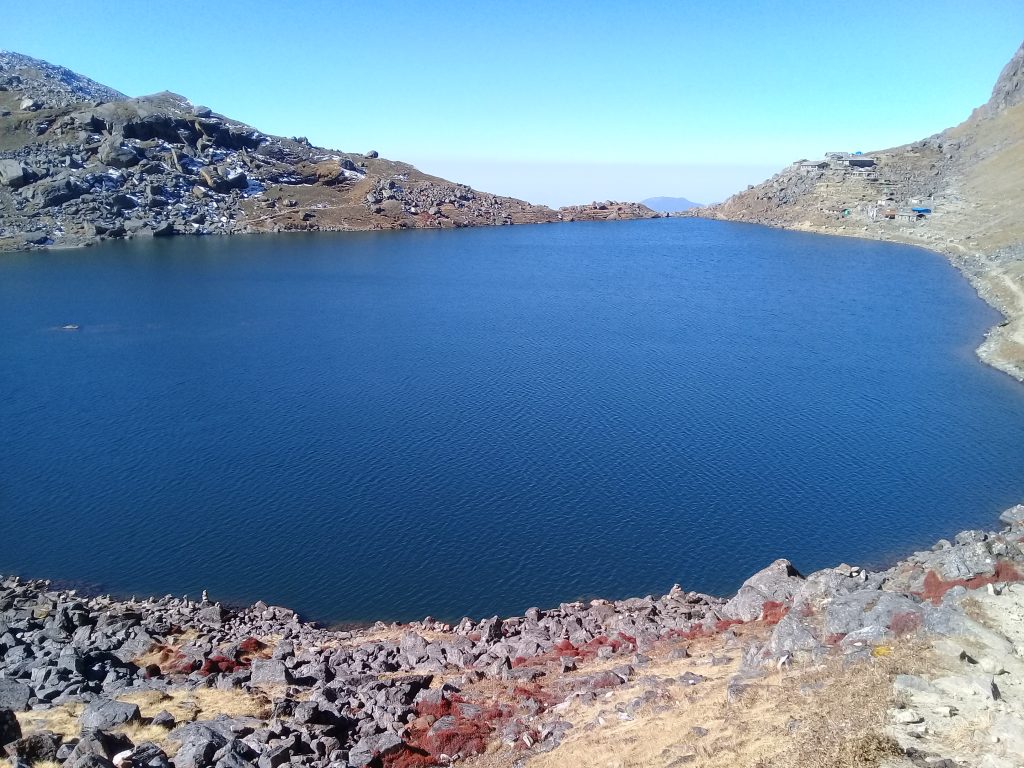
Pikey Peak 7 Days

Pikey Peak 7 Days
Keywords
Trip code
WT-CODE 3079
- Overview
- Trip Outline
- Trip Includes
- Trip Excludes
- Gallery
- Reviews
- Booking
- FAQ
Pikey Peak Trek
Avoid the classic Everest Base Camp Trail.- Duration = 7 Days
- Difficulty Level = Moderate
- Activity = Trekking/Hiking
- Max. Altitude = 4065 meters/ 13337 feet
- Starts = Dhap Bazar
- Ends = Phaplu
- Group Size = 1-10
- Best Season = September to May
Pikey Peak Trek Highlights
- Explore one of Nepal’s best off-the-beaten-path trekking routes, offering a peaceful and uncrowded Himalayan experience.
- Walk through beautiful rhododendron forests, pine and oak woodlands, alpine meadows, yak pastures, and landscapes filled with seasonal wildflowers, especially during spring.
- Experience the authentic culture and warm hospitality of the Sherpa people while staying in traditional mountain villages.
- Trek through charming settlements such as Dhap Bazaar, Jhapre, Pikey Base Camp, and Junbesi.
- Visit the renowned Thupten Chholing Monastery near Junbesi, one of the most important Buddhist monasteries in the Solukhumbu region.
- Discover the traditional yak-herding lifestyle and visit a local yak cheese factory near Pikey Base Camp.
- Enjoy breathtaking panoramic views of some of the world’s highest mountains, including Mount Everest, Lhotse, Makalu, Kanchenjunga, Ama Dablam, Numbur Himal, Gaurishankar, and many other Himalayan peaks.
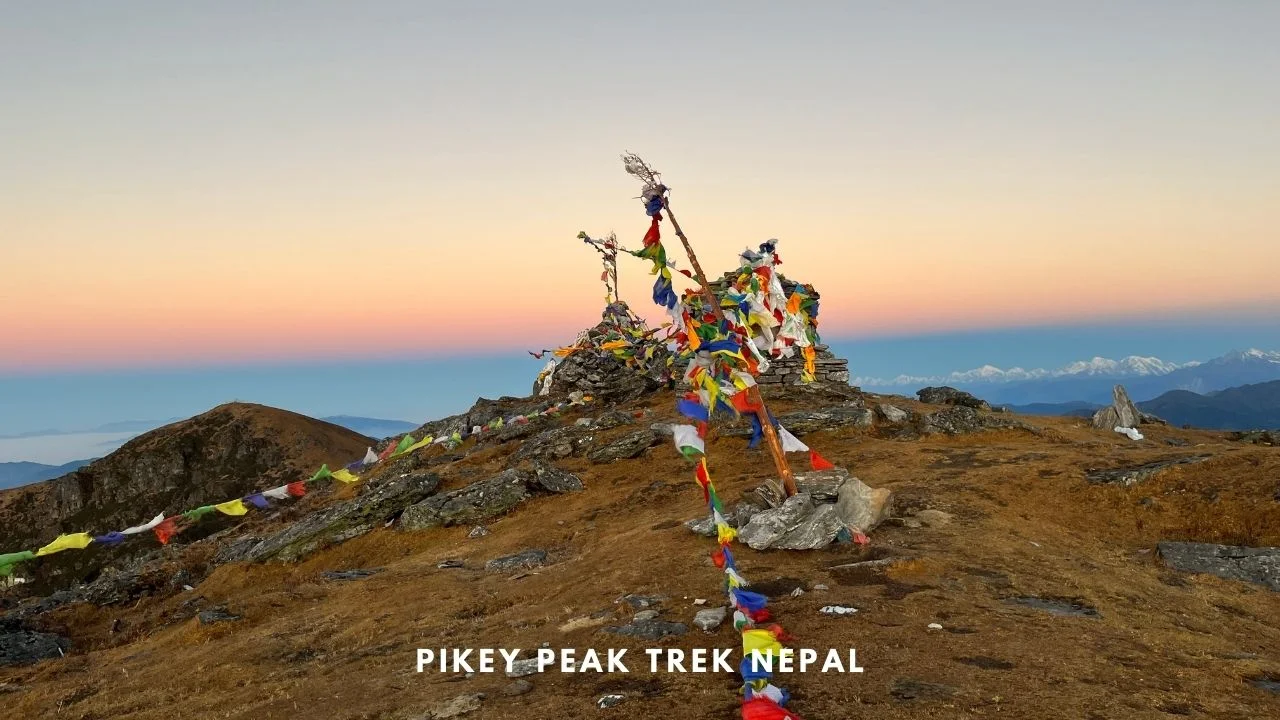
- Witness unforgettable sunrise and sunset views from the summit of Pikey Peak (4,065 m), where the Himalayas are illuminated in spectacular golden light.
- Avoid the challenging and weather-dependent flight to Lukla by accessing the trail via a scenic overland drive from Kathmandu.
- Perfect for trekkers seeking a moderate adventure with exceptional mountain scenery, rich culture, and fewer crowds.
What is the Pikey Peak Trek?
The Pikey Peak Trek is one of Nepal’s most rewarding short trekking adventures, offering an exceptional combination of breathtaking Himalayan scenery, authentic Sherpa culture, and peaceful mountain trails. Located in the lower Everest (Solukhumbu) region, this hidden gem allows trekkers to experience magnificent Everest panoramas without taking the flight to Lukla or committing to a lengthy high-altitude expedition.
Standing at 4,065 meters (13,336 feet), Pikey Peak provides one of the finest viewpoints in eastern Nepal. At this comfortable altitude, trekkers can enjoy spectacular Himalayan vistas while facing a relatively low risk of altitude-related challenges. The peak derives its name from “Pikey,” the guardian deity worshipped by the local Sherpa community, giving the mountain deep spiritual and cultural significance.
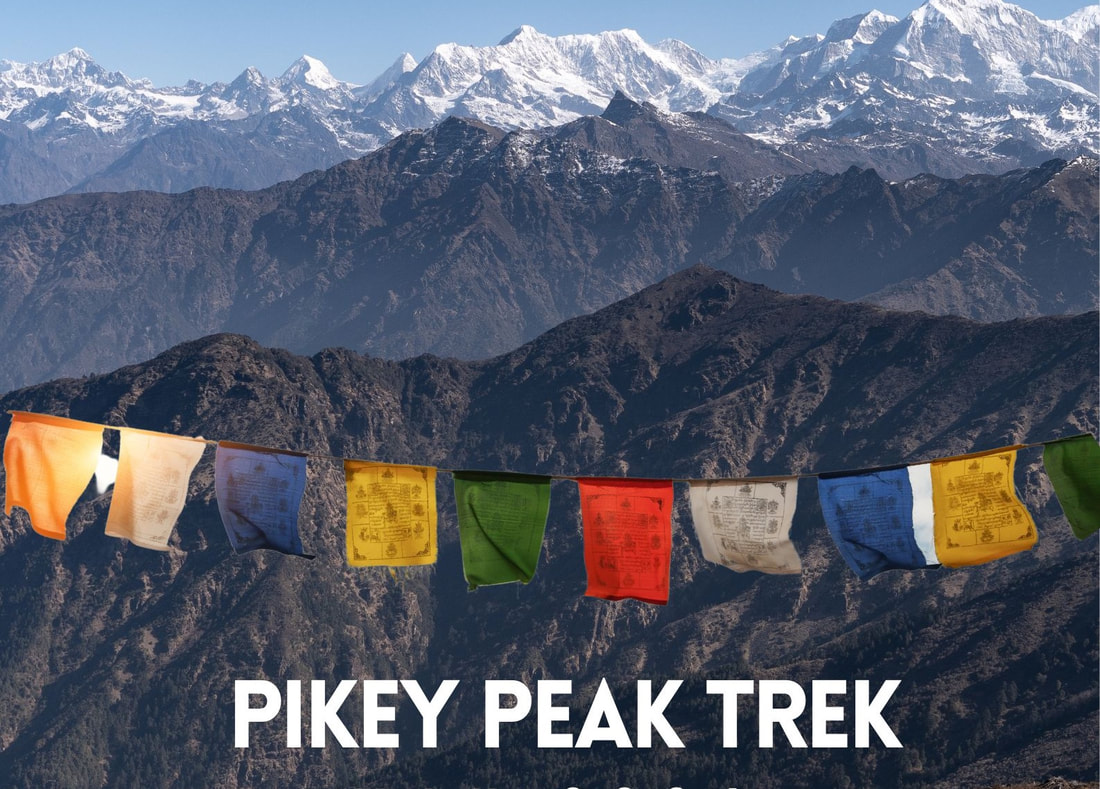
Throughout the journey, the trail passes through traditional Sherpa villages, ancient monasteries, colourful prayer flags, intricately carved mani walls, and peaceful Buddhist chortens. Although the route has only recently gained international recognition, it has served as a vital pathway for local communities for generations. Today, it remains an excellent alternative to the busier Everest Base Camp Trek, allowing visitors to experience the authentic beauty of the Everest region in a quieter setting.
The trek takes you through dense rhododendron, pine, and oak forests, expansive alpine meadows, yak grazing pastures, and picturesque villages such as Dhap, Jhapre, Pikey Base Camp, Junbesi, and Phaplu. During spring, the hillsides burst into vibrant colours as rhododendrons bloom across the landscape, while autumn offers crystal-clear skies and some of the finest mountain visibility of the year.
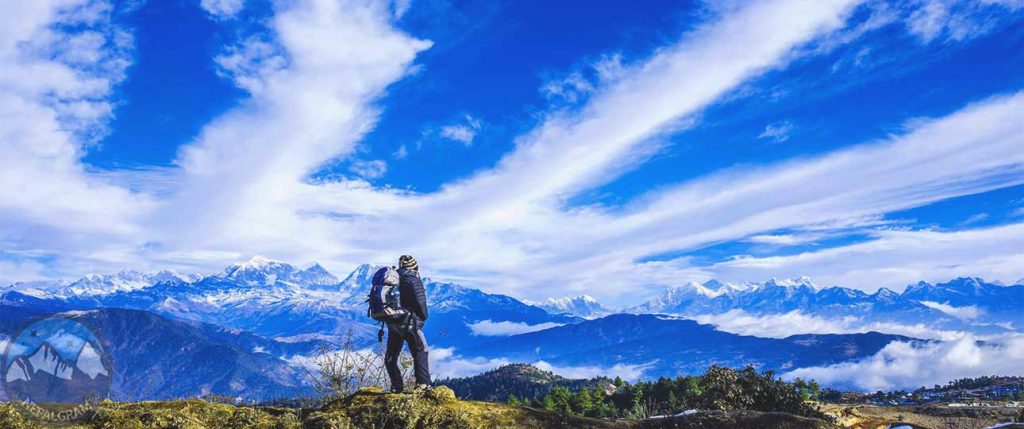
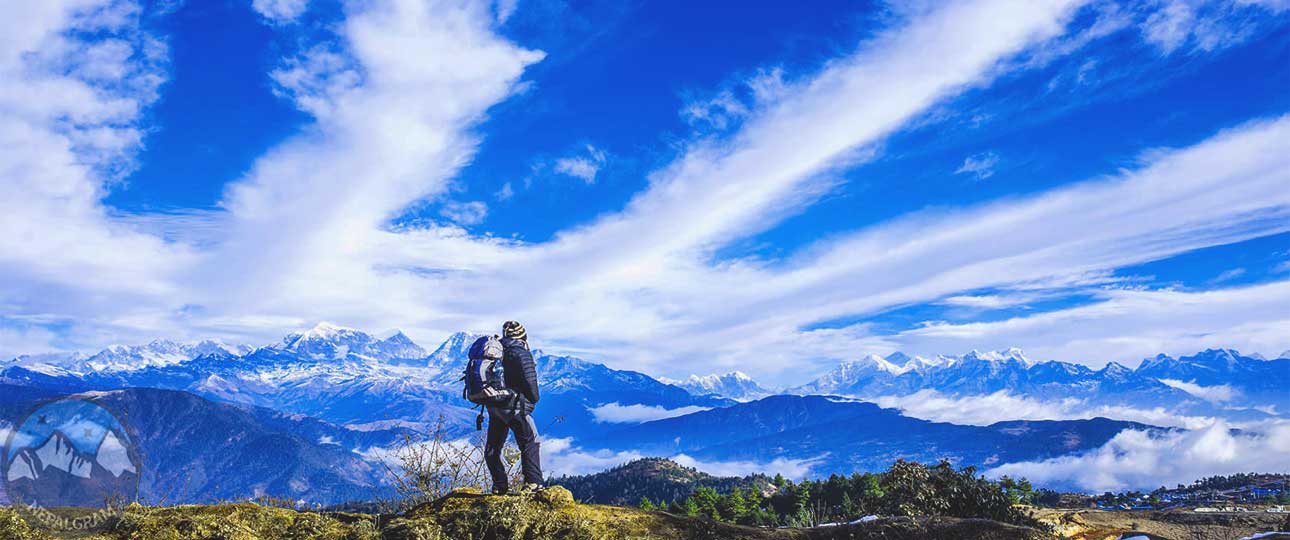
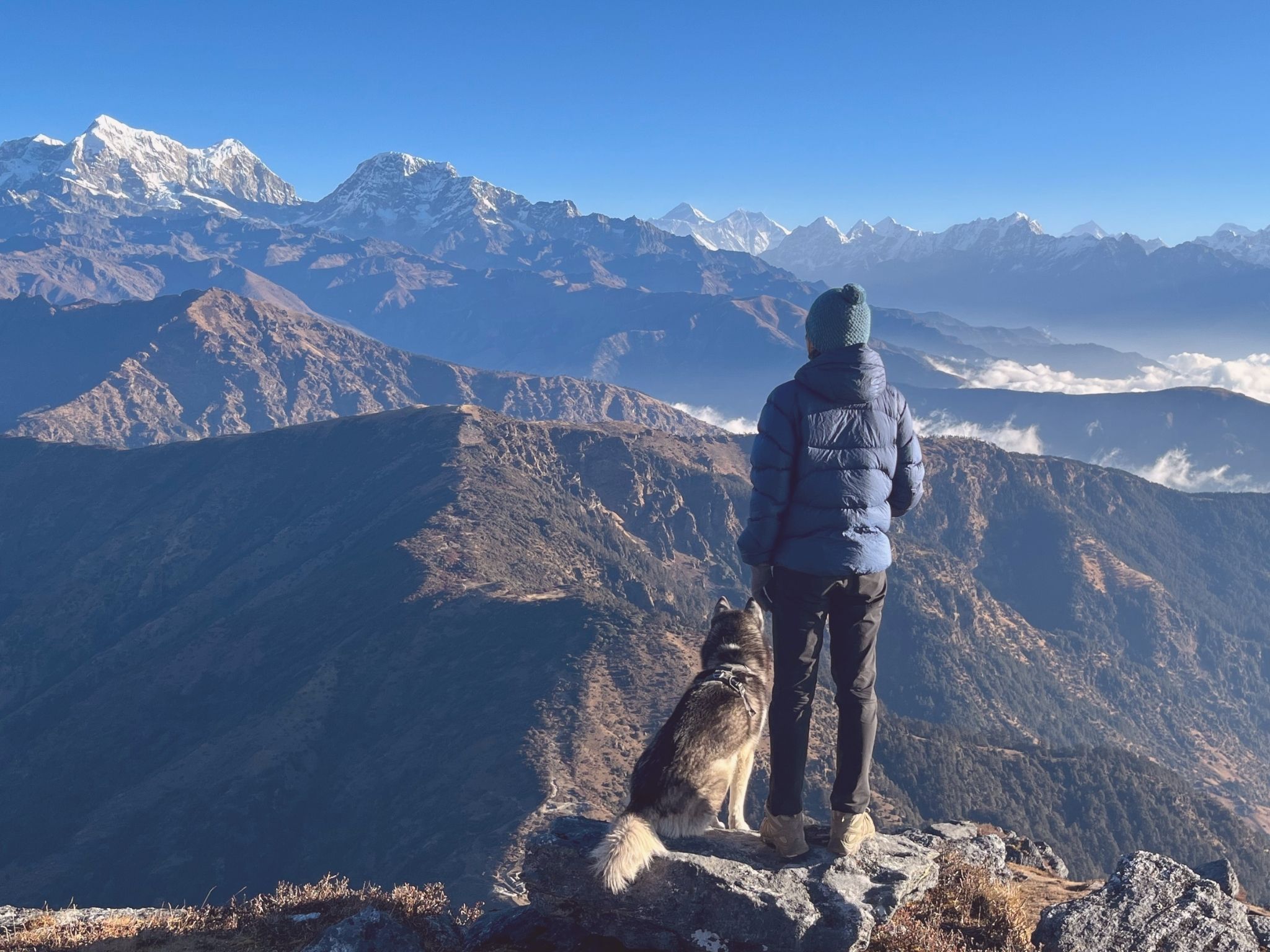
One of the trek’s greatest rewards is the remarkable 360-degree panorama from the summit of Pikey Peak. On a clear day, trekkers can admire an uninterrupted Himalayan skyline featuring Mount Everest (8,848.86 m), Lhotse, Makalu, Kanchenjunga, Ama Dablam, Numbur Himal, Gaurishankar, Karyolung, and numerous other snow-covered peaks stretching across eastern Nepal.
Beyond its spectacular scenery, the trek offers rich cultural experiences. Visitors can explore the historic Thupten Chholing Monastery, observe centuries-old Buddhist traditions, visit local yak pastures and traditional cheese-making facilities, and experience the warm hospitality of Sherpa families who continue to preserve their unique mountain lifestyle.
The Pikey Peak Trek is considered a moderate trekking adventure, making it suitable for beginners, families, solo travellers, photographers, and anyone seeking an unforgettable Himalayan experience within a limited timeframe. Most itineraries range from 8 to 10 days, although experienced trekkers may complete the route in fewer days.
Another advantage of this trek is its year-round accessibility. Spring (March to May) and autumn (September to November) provide the best weather and mountain views, while winter offers snowy landscapes and peaceful trails. Even during the monsoon season, the region transforms into a lush green paradise, enhanced by blooming vegetation and local cultural festivals dedicated to the Pikey deity.
Overall, the Pikey Peak Trek perfectly combines spectacular Himalayan landscapes, authentic Sherpa culture, spiritual heritage, and convenient accessibility. It offers all the magic of the Everest region without the crowds, making it one of Nepal’s finest hidden trekking destinations.
Why is the Pikey Peak Trek in Nepal Unique?
Spectacular Himalayan Panorama from Pikey Peak Summit
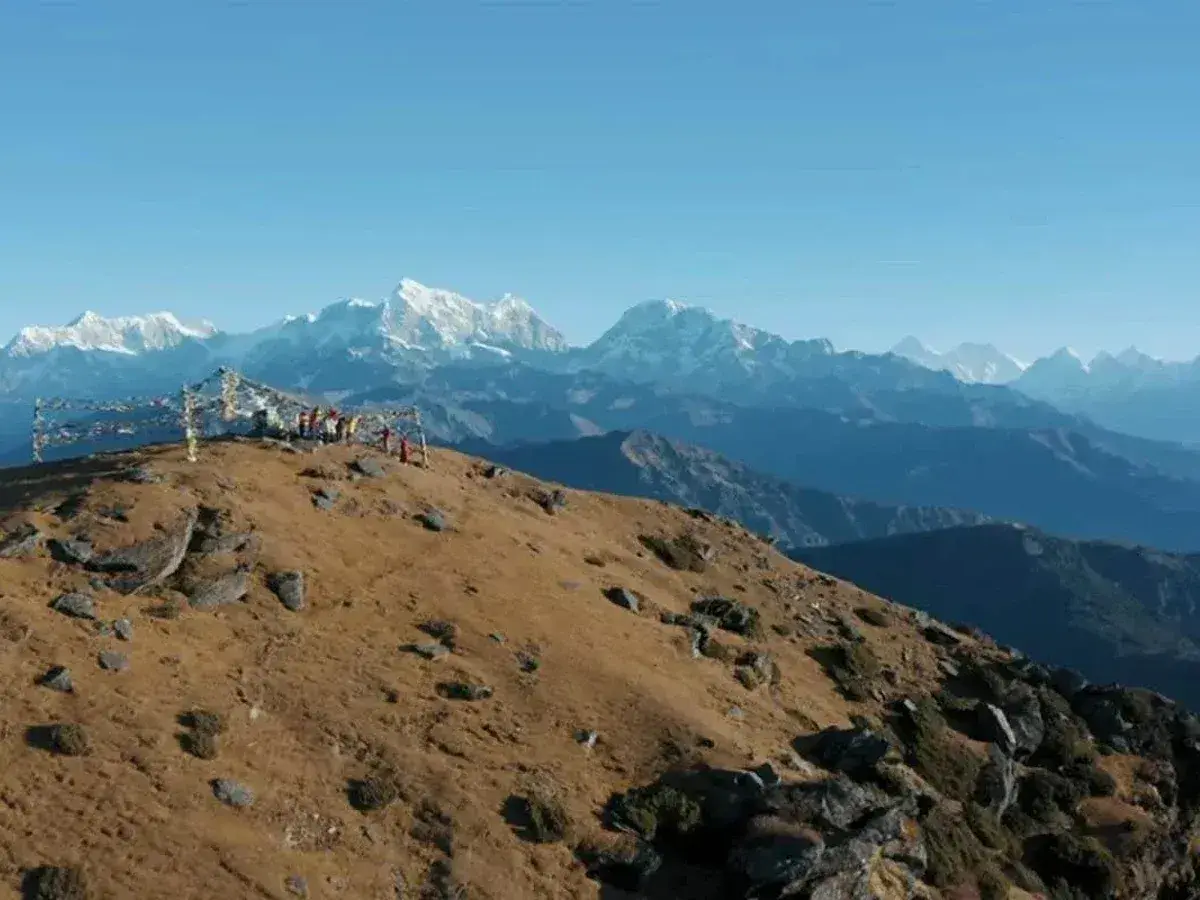
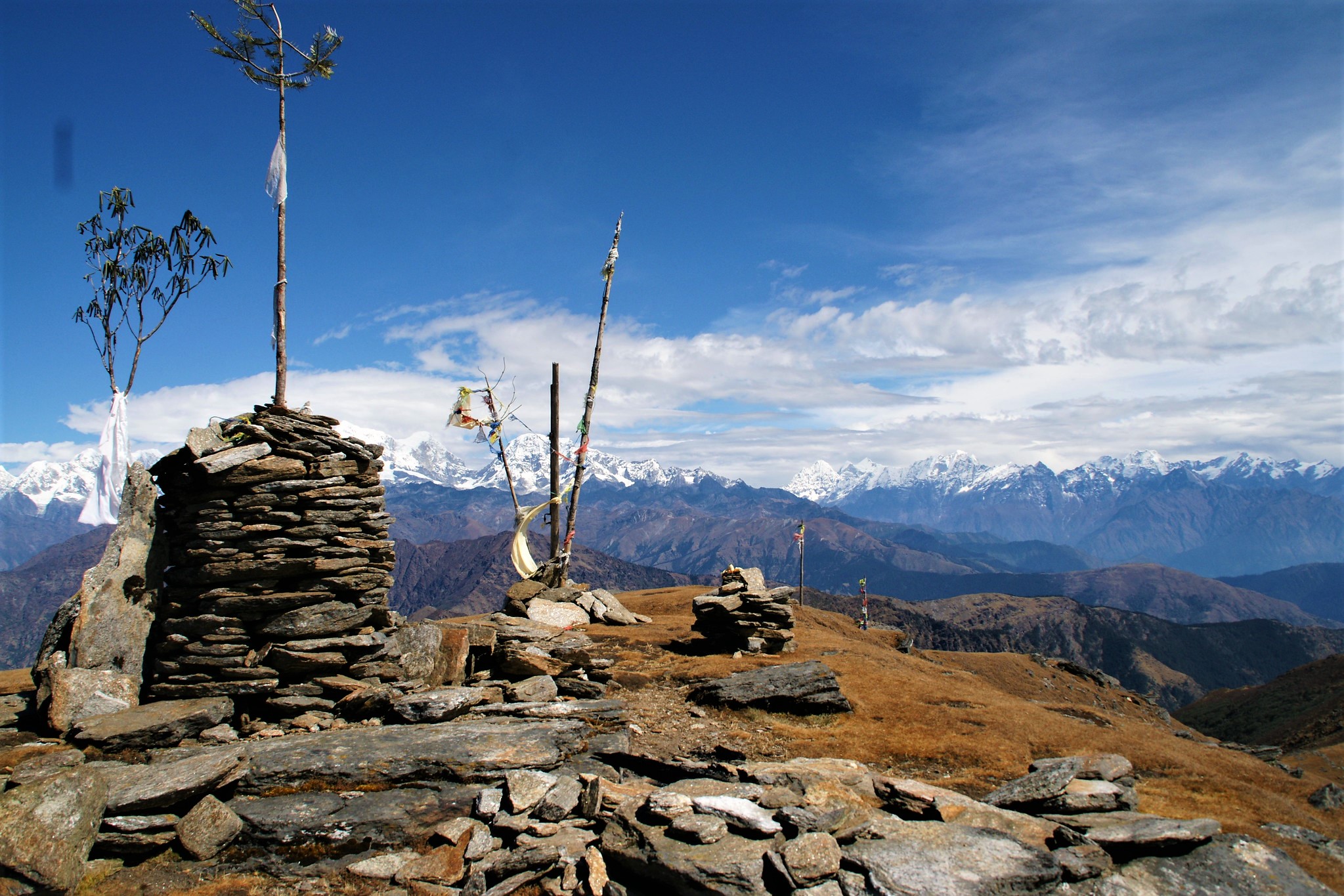
The summit of Pikey Peak is widely regarded as one of Nepal’s finest viewpoints for observing Mount Everest and the surrounding Himalayan giants. Standing atop the summit at sunrise, trekkers are rewarded with an extraordinary 360-degree panorama as the first rays of sunlight gradually illuminate the snow-covered mountains in shades of gold, pink, and crimson.
On clear days, the horizon stretches from Kanchenjunga in the far east to the Annapurna and Manaslu ranges in the west. The breathtaking panorama includes Mount Everest, Lhotse, Makalu, Ama Dablam, Numbur Himal, Gaurishankar, Karyolung, Langtang Himal, and countless other majestic peaks.
The approach to the summit is equally rewarding. The trail winds through colourful rhododendron forests, fragrant juniper bushes, alpine grasslands, and peaceful yak grazing meadows. Nature enthusiasts may also encounter Himalayan wildlife, including musk deer, Himalayan monal pheasants, griffon vultures, Himalayan eagles, and, with exceptional luck, the elusive red panda.
Spring and autumn offer the clearest mountain views, making sunrise from Pikey Peak one of the most memorable highlights of the entire journey.
Visit the Sacred Thupten Chholing Monastery
A visit to Thupten Chholing Monastery near Junbesi adds a remarkable spiritual dimension to the Pikey Peak Trek. Situated at approximately 3,000 meters, the monastery is reached via a pleasant walk through forests and across a traditional suspension bridge spanning the Junbesi Khola.
Established in the late 1960s by the revered Trulshik Rinpoche, who fled Tibet following the Chinese occupation, Thupten Chholing has become one of the largest and most respected Buddhist monasteries in the Solukhumbu region. Today, it serves as both a religious sanctuary and an important cultural centre for the Sherpa community.
The monastery complex features beautifully decorated prayer halls, whitewashed stupas, mani walls, colourful prayer flags, monks’ and nuns’ residences, and intricately carved prayer wheels. Inside the main temple, visitors can admire magnificent Buddhist murals, sacred statues, and traditional Tibetan artwork while observing monks performing their daily prayers and rituals.
Surrounded by peaceful forests, terraced fields, apple orchards, and yak grazing pastures, the monastery offers an atmosphere of serenity rarely found elsewhere. Visitors fortunate enough to arrive during a Buddhist festival or religious ceremony may witness traditional chanting, sacred rituals, and vibrant spiritual celebrations.
Experience Authentic Sherpa Culture
The Pikey Peak Trek provides an exceptional opportunity to experience the authentic traditions, culture, and hospitality of Nepal’s renowned Sherpa community. Unlike the busier Everest trails, the villages along this route have retained much of their traditional lifestyle and cultural identity.
As you pass through settlements such as Dhap, Jhapre, Junbesi, and neighbouring villages, you will discover beautifully constructed stone houses, colourful prayer flags, ancient monasteries, mani walls, and Buddhist shrines that reflect the region’s deep spiritual heritage.
The Sherpa people are internationally recognised for their remarkable mountaineering expertise, resilience, and warm hospitality. During your journey, you may have the opportunity to share conversations with local families, monks, and village elders, learning about their history, religious beliefs, agricultural practices, and long-standing connection with the Himalayas.
Depending on the season, trekkers may also witness vibrant cultural celebrations such as Lhosar (Sherpa New Year), Mani Rimdu, local harvest festivals, and traditional Buddhist ceremonies featuring prayer-wheel rituals, butter-lamp offerings, sacred dances, and ceremonial chanting.
More than simply a mountain adventure, the Pikey Peak Trek offers an immersive cultural experience that allows visitors to connect with the spiritual traditions, daily life, and enduring heritage of one of Nepal’s most iconic Himalayan communities.
-
ikey Peak Trek Difficulty and Fitness Requirements
The Pikey Peak Trek is considered a moderate Himalayan trekking adventure, making it an excellent choice for trekkers with a reasonable level of physical fitness and some prior hiking experience. While the trail is less demanding than the Everest Base Camp Trek or Annapurna Circuit, it still involves daily ascents and descents over varied mountain terrain, requiring endurance and steady pacing.
The trek reaches a maximum elevation of 4,065 meters (13,336 feet) at the summit of Pikey Peak. Although this altitude is significantly lower than many high Himalayan treks, there remains a possibility of Acute Mountain Sickness (AMS) if trekkers ascend too quickly or fail to acclimatize properly.
Most trekking days involve 5 to 7 hours of walking along a combination of forest trails, stone staircases, alpine ridgelines, yak pastures, and traditional mountain paths. Certain sections may become rocky, muddy, or slippery, particularly during the monsoon season or after winter snowfall.
Proper preparation is highly recommended before beginning the trek. Cardiovascular training, regular hiking, stair climbing, and walking with a weighted backpack can significantly improve endurance and trekking performance. Throughout the journey, trekkers should also remain attentive to early symptoms of altitude sickness, including headaches, nausea, dizziness, and unusual fatigue.
One of the greatest advantages of the Pikey Peak Trek is its accessibility. The route is suitable for adventurous beginners with some hiking experience, solo travellers, families, photographers, and anyone seeking a rewarding Himalayan experience without the extreme challenges of higher-altitude expeditions.
However, individuals with pre-existing heart conditions, respiratory illnesses, or other significant medical concerns are advised to consult their physician before undertaking the trek.
Physical Training and Acclimatization Tips for the Pikey Peak Trek
Proper preparation greatly enhances both safety and enjoyment during the trek. The following recommendations will help you build the strength and endurance required for a successful journey:
- Develop cardiovascular endurance through regular running, brisk walking, cycling, swimming, or stair climbing.
- Strengthen your legs and core muscles with exercises such as squats, lunges, step-ups, planks, and calf raises.
- Practice hiking with a loaded backpack to simulate real trekking conditions and improve stamina.
- Incorporate flexibility and mobility exercises, including stretching or yoga, to reduce muscle fatigue and improve balance.
- Follow the golden rule of Himalayan trekking: walk slowly, maintain a steady pace, and conserve your energy.
- Ascend gradually and allow adequate time for acclimatization, particularly after reaching elevations above 3,000 meters.
- Stay well hydrated by drinking plenty of water throughout the day.
- Maintain a nutritious diet rich in carbohydrates and protein to support energy levels during long trekking days.
- Learn to recognize the early symptoms of Acute Mountain Sickness (AMS), including headaches, nausea, dizziness, loss of appetite, and unusual fatigue. Rest immediately if symptoms develop.
- If you have previously experienced altitude sickness, consult a travel medicine specialist regarding preventive medication before your trip.
- Include short acclimatization hikes whenever possible to help your body adjust to increasing altitude.
- Use trekking poles to improve stability and reduce strain on your knees during both ascents and descents.
Required Permits for the Pikey Peak Trek
One of the major advantages of the Pikey Peak Trek is its straightforward permit process.
Unlike many popular trekking routes in Nepal, the Pikey Peak Trek does not currently require a TIMS (Trekkers’ Information Management System) Card or national park entry permit. This makes the trek both convenient and budget-friendly for travellers seeking a quieter alternative to the more commercialized trekking destinations.
However, trekking regulations in Nepal may change over time. Therefore, trekkers are encouraged to verify the latest permit requirements with their trekking agency or the Nepal Tourism Board before beginning their journey.
Best Time to Trek to Pikey Peak
The best seasons for the Pikey Peak Trek are spring (March to May) and autumn (September to November), when the region offers the most stable weather, excellent mountain visibility, and comfortable trekking conditions.
Autumn follows the monsoon season, bringing crystal-clear skies, fresh mountain air, and spectacular panoramic views of the Himalayas. Spring transforms the hillsides into vibrant landscapes covered with blooming rhododendrons, colourful wildflowers, and lush greenery.
During both seasons, trekkers enjoy pleasant daytime temperatures, dry trails, reliable weather, and outstanding photography opportunities, making them ideal for both first-time visitors and experienced hikers.
Why Spring is the Best Season for the Pikey Peak Trek
Spring is one of the most beautiful times to explore the Pikey Peak region. As winter fades, the landscape comes alive with colourful blossoms, comfortable temperatures, and excellent mountain views.
Spring Highlights
- Hillsides are covered with spectacular blooming rhododendrons in shades of red, pink, and white, along with numerous alpine wildflowers.
- Comfortable daytime temperatures generally range between 12°C and 20°C at lower elevations.
- Stable weather provides excellent visibility of Mount Everest, Makalu, Kanchenjunga, Ama Dablam, and many surrounding peaks.
- Melting winter snow leaves trails dry and easily accessible through forests, alpine meadows, and yak pastures.
- Wildlife becomes increasingly active, offering opportunities to observe Himalayan birds and native mountain animals.
- Longer daylight hours provide more time for trekking, sightseeing, photography, and enjoying sunrise and sunset viewpoints.
- Spring generally attracts fewer trekkers than the peak autumn season, creating a quieter and more relaxed trekking experience.
Why Autumn Offers the Best Mountain Views
Autumn is widely regarded as the finest season for the Pikey Peak Trek due to its exceptional mountain visibility and consistently stable weather conditions.
Following the summer monsoon, the atmosphere becomes remarkably clear, allowing trekkers to enjoy uninterrupted panoramic views of Nepal’s highest mountains.
Autumn Highlights
- Post-monsoon conditions create exceptionally clear skies with outstanding visibility.
- Daytime temperatures remain pleasant, generally ranging between 12°C and 20°C at lower and mid-elevations.
- Dry weather provides ideal trekking conditions with firm and well-maintained trails.
- Rocky ridges, forest paths, and mountain tracks become easier and safer to navigate.
- Sunrise and sunset over the snow-capped Himalayas are particularly spectacular during autumn.
- The countryside appears vibrant and refreshed following the summer rains.
- Visitors may experience Nepal’s major cultural festivals, including Dashain and Tihar, as well as local harvest celebrations.
- Although autumn is Nepal’s busiest trekking season, the Pikey Peak Trail remains far less crowded than the Everest Base Camp route.
Pikey Peak Trek During Winter
Winter offers a peaceful and rewarding trekking experience for those prepared for colder conditions. Snow-covered landscapes and exceptionally clear skies create a magical Himalayan atmosphere.
Advantages
- Cold, dry air often provides the clearest panoramic views of Mount Everest, Makalu, Kanchenjunga, and surrounding Himalayan peaks.
- Snow transforms forests, ridgelines, and mountain villages into stunning winter scenery.
- The trail is remarkably quiet, allowing trekkers to enjoy a peaceful and uncrowded experience.
- Reduced humidity and atmospheric haze enhance long-distance mountain visibility.
Challenges
- Nighttime temperatures near Pikey Base Camp and the summit may fall below -10°C, requiring high-quality winter clothing and equipment.
- Snow and ice can make certain trail sections more challenging and slippery.
- Shorter daylight hours reduce available trekking time.
- Occasional snowstorms may temporarily affect trail conditions and visibility.
Pikey Peak Trek During the Monsoon Season
Although the monsoon is considered the off-season for trekking, it offers a unique perspective of the Himalayas with lush landscapes and peaceful trails.
Advantages
- Heavy rainfall transforms the forests into vibrant green landscapes filled with fresh vegetation and cascading waterfalls.
- Trails and tea houses are significantly quieter than during peak trekking seasons.
- Mist-covered valleys and cloud-filled forests create a mystical and photogenic atmosphere.
- Accommodation and trekking services may occasionally offer discounted prices during the off-season.
Challenges
- Continuous rainfall can make trails muddy, slippery, and more physically demanding.
- The risk of landslides and temporary trail closures increases during periods of heavy rain.
- Cloud cover frequently obscures mountain views.
- Leeches, mosquitoes, and other insects become more common in forested areas.
- Afternoon rain showers and rapidly changing weather conditions require flexible trekking plans.
Pikey Peak Trek Gear Checklist
Proper equipment is essential for a safe, comfortable, and enjoyable trekking experience.
Clothing
- Moisture-wicking thermal base layers
- Lightweight, quick-drying trekking shirts
- Comfortable trekking trousers
- Warm fleece jacket
- Insulated down jacket
- Waterproof and windproof jacket
- Waterproof trekking pants
- Warm hat or beanie
- Sun hat or cap
- Waterproof insulated gloves
- Buff, scarf, or neck gaiter
Footwear
- Moisture-wicking wool or synthetic trekking socks
- Well-broken-in waterproof trekking boots with excellent ankle support
- Lightweight camp shoes or sandals for evenings
Trekking Equipment
- Daypack (25–30 litres)
- Sleeping bag rated to -10°C to -15°C
- Waterproof backpack rain cover
- Adjustable trekking poles
- UV-protection sunglasses
- Reusable water bottles or hydration bladder
- Water purification tablets or portable water filter
- Headlamp with spare batteries
- Power bank and universal charging adapter
Personal Items
- Toothbrush and toothpaste
- Biodegradable soap
- Wet wipes
- Quick-drying travel towel
- Sunscreen (SPF 50+)
- Lip balm with UV protection
- Personal toiletries
First Aid and Essentials
- Personal medications
- Basic first aid kit
- Pain relief medication
- Blister treatment supplies
- Bandages and antiseptic cream
- Energy snacks such as chocolate, dried fruit, nuts, and energy bars
With proper preparation, suitable equipment, and a gradual pace, the Pikey Peak Trek offers a safe, comfortable, and unforgettable Himalayan adventure for trekkers of all experience levels.
Our carefully crafted 7-Day Pikey Peak Trek itinerary offers the perfect balance of adventure, cultural immersion, and breathtaking Himalayan scenery. Below, you will find a detailed day-by-day schedule, including trekking hours, elevations, accommodation, meals, and the highlights of each stage of the journey.
Itineraries
Day 1
Drive from Kathmandu to Dhap Bazaar (Approx. 9 Hours)
Overnight Altitude: 2,850 m / 9,350 ft
Meals: Breakfast, Lunch and Dinner
Accommodation: Tea House
Your journey begins with an early morning drive from Kathmandu to Dhap Bazaar, the gateway to the Pikey Peak Trek. Although the drive takes approximately nine hours, it is a scenic and rewarding journey through Nepal’s diverse landscapes. Leaving the bustling Kathmandu Valley behind, the road descends toward the Koshi River basin near Ghurmi before gradually climbing into the tranquil hills of Solukhumbu, passing picturesque villages, terraced farmlands, dense forests, and rolling mountain ridges.
As you ascend, rhododendron and pine forests become increasingly prominent, offering a refreshing glimpse of the Himalayan foothills. Upon arriving at Dhap Bazaar (2,850 m), you will immediately notice the peaceful atmosphere that defines this charming mountain settlement. Surrounded by beautiful hills and traditional Sherpa communities, Dhap serves as the starting point for many treks in the lower Everest region. After checking into your tea house, you may take a leisurely walk around the village, enjoy the cool mountain air, and prepare for the trekking adventure ahead.
Day 2
Trek from Dhap Bazaar to Jhapre (4–5 Hours / 13 km)
Overnight Altitude: 2,815 m / 9,236 ft
Meals: Breakfast, Lunch and Dinner
Accommodation: Tea House
Today marks the beginning of your trekking adventure as you leave Dhap Bazaar and follow a pleasant trail toward the picturesque Sherpa village of Jhapre. The route gently ascends through peaceful forests, traditional farmland, and the small settlement of Sigane, offering occasional panoramic views of Mount Everest and Numbur Himal on clear days.
The moderate trail allows plenty of time to appreciate the surrounding natural beauty while gradually adapting to the higher elevation. As you approach Jhapre, colourful prayer flags, traditional stone houses, and an ancient Buddhist monastery create an authentic Himalayan atmosphere. Perched on a scenic hillside, Jhapre offers magnificent views of the surrounding valleys and mountains. After arriving, relax at your comfortable tea house and enjoy a traditional Nepali dinner while experiencing the warm hospitality of the local Sherpa community.
Day 3
Trek from Jhapre to Pikey Peak Base Camp (6–7 Hours / 14 km)
Overnight Altitude: 3,640 m / 11,942 ft
Meals: Breakfast, Lunch and Dinner
Accommodation: Tea House
Today’s trek takes you deeper into the alpine landscapes of the Pikey Peak region. Leaving Jhapre behind, the trail gradually climbs through beautiful rhododendron forests, pine woodlands, and open ridgelines, with increasingly spectacular Himalayan views accompanying your journey.
As the elevation increases, dense forests give way to expansive alpine meadows and traditional yak grazing pastures. Along the route, you will pass ancient mani walls and fluttering prayer flags, reflecting the area’s rich Buddhist heritage. By late afternoon, you will reach Pikey Peak Base Camp (3,640 m), where breathtaking mountain scenery surrounds you from every direction.
If time permits, you may also visit a nearby yak cheese factory or observe the traditional yak-herding lifestyle, providing a fascinating insight into the local mountain economy and culture. Spend the evening relaxing at your tea house while preparing for the early morning summit ascent.
Day 4
Trek to Pikey Peak (4,065 m) and Continue to Junbesi (6–7 Hours / 15 km)
Overnight Altitude: 2,680 m / 8,793 ft
Meals: Breakfast, Lunch and Dinner
Accommodation: Tea House
Today is the highlight of the Pikey Peak Trek as you make an early morning ascent to the spectacular summit of Pikey Peak (4,065 m). Following a gradual climb along alpine ridges, you will arrive at one of Nepal’s finest panoramic viewpoints just in time to witness an unforgettable Himalayan sunrise.
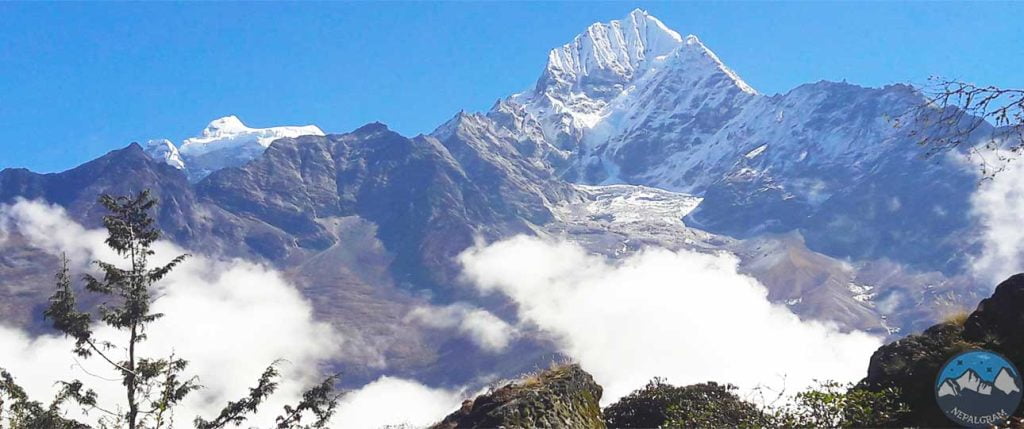
From the summit, enjoy breathtaking 360-degree views of some of the world’s highest mountains, including Mount Everest, Lhotse, Makalu, Kanchenjunga, Ama Dablam, Thamserku, Kangtega, Numbur Himal, and numerous surrounding peaks. The sunrise over these snow-capped giants creates one of the most memorable moments of the entire trek.
After spending time admiring the spectacular scenery and capturing photographs, begin a scenic descent through alpine landscapes toward Lamjura Pass before continuing to the beautiful Sherpa village of Junbesi. Along the way, you will pass ancient mani walls, colourful prayer flags, chortens, and peaceful monasteries that reflect the region’s strong Buddhist traditions.
Upon arrival in Junbesi, you may explore the charming village, visit its local monastery, or simply relax while enjoying the warm hospitality of the Sherpa people after an unforgettable day in the Himalayas.
Day 5
Excursion to Thupten Chholing Monastery (4 Hours / 7 km)
Overnight Altitude: 2,920 m / 9,580 ft
Meals: Breakfast, Lunch and Dinner
Accommodation: Tea House
After breakfast, enjoy a rewarding cultural excursion to the renowned Thupten Chholing Monastery, one of the largest and most important Tibetan Buddhist monasteries in the Solukhumbu region. The trail follows the peaceful Junbesi River before gradually climbing through forests and traditional Sherpa farmland to the monastery.
Founded by the respected Tibetan Buddhist master Trulshik Rinpoche, Thupten Chholing serves as both a spiritual sanctuary and a cultural centre for the local Sherpa community. The monastery complex is home to hundreds of monks and nuns, beautifully decorated prayer halls, colourful murals, prayer wheels, and sacred Buddhist monuments.
Visitors have the opportunity to observe traditional Buddhist rituals, listen to the peaceful chanting of monks, and experience the tranquil atmosphere that surrounds this remarkable spiritual site. After exploring the monastery and enjoying the peaceful surroundings, return to Junbesi for an overnight stay.
Day 6
Trek from Junbesi to Phaplu (4 Hours / 11 km)
Overnight Altitude: 2,380 m / 7,808 ft
Meals: Breakfast, Lunch and Dinner
Accommodation: Tea House
Following breakfast, begin a pleasant descent from Junbesi to the vibrant town of Phaplu, enjoying one of the easier walking days of the trek. The trail follows the scenic Junbesi River through peaceful forests, cultivated farmland, and traditional Sherpa villages, offering excellent opportunities to experience everyday life in rural Solukhumbu.
Along the way, you will cross several suspension bridges and pass terraced fields surrounded by beautiful mountain scenery. The relaxed pace allows plenty of time to appreciate the natural beauty and rich cultural heritage of the region.
Upon reaching Phaplu, you will find a lively mountain town equipped with comfortable tea houses, local markets, and welcoming hospitality. Spend your final evening in the Everest foothills reflecting on your unforgettable Himalayan adventure.
Day 7
Drive By bus or sharing jeep from Phaplu to Kathmandu (Approx. 10 Hours / 282 km)
After breakfast, depart Phaplu and begin the scenic drive back to Kathmandu. The journey winds through picturesque river valleys, terraced hillsides, traditional villages, and bustling market towns, providing one last opportunity to admire Nepal’s beautiful countryside.
Cost Includes
- All necessary trekking permits for Sagarmatha National Park, TIMS card, etc.
- All accommodations during the trek
- Three meals a day during the trek
- A cup of tea or coffee with the meal
- Fresh fruit each day if and when available
- Complimentary duffel bag, trekking map, down jacket, sleeping bag, etc., if needed.
- Kathmandu to Dhap and Phaplu to Kathmandu by Bus or a shared local Jeep
- Government-registered and first-aid-trained professional local guide who speaks English
- First-aid kit
- Guide and Porter insurance, meals, accommodation, equipment, transportation, etc.
- Rescue arrangements if necessary
- Agency service charge and government tax/VAT
- Certificate of achievement if needed.
Cost Excludes
- International airfare and Nepal visa fee
- Lunch and Dinner in Kathmandu
- Personal Insurance, personal expenses, loss of property and theft, etc.
- Sightseeing costs in the city. (temples, monasteries, etc)
- All beverages, snacks, and additional expenses such as laundry, hot showers, battery charging, Wifi, etc.
- Tip to staff.


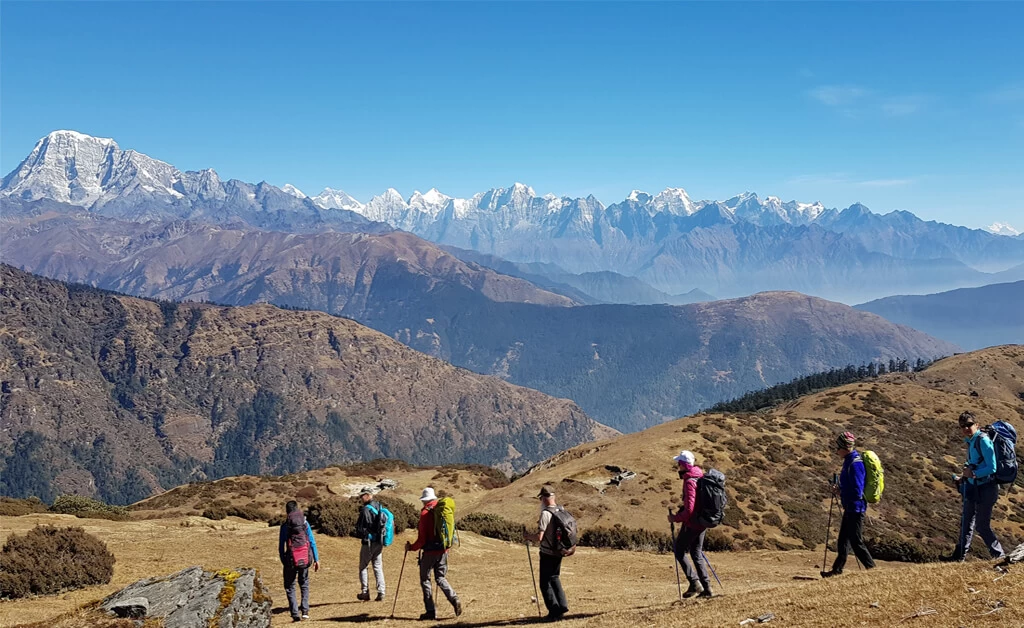


The 7-Day Pikey Peak Trek is considered a moderate trek. It is suitable for beginners with a reasonable level of fitness as well as experienced trekkers. Daily walks range from 4 to 7 hours, with the highest point being Pikey Peak (4,065 m / 13,337 ft).
The best seasons are spring (March to May) and autumn (September to November). Spring offers blooming rhododendron forests and pleasant temperatures, while autumn provides crystal-clear skies and outstanding panoramic views of the Himalayas.
Previous trekking experience is helpful but not essential. The trail is well-established and suitable for first-time trekkers who are physically fit and prepared for several consecutive days of hiking in the mountains.
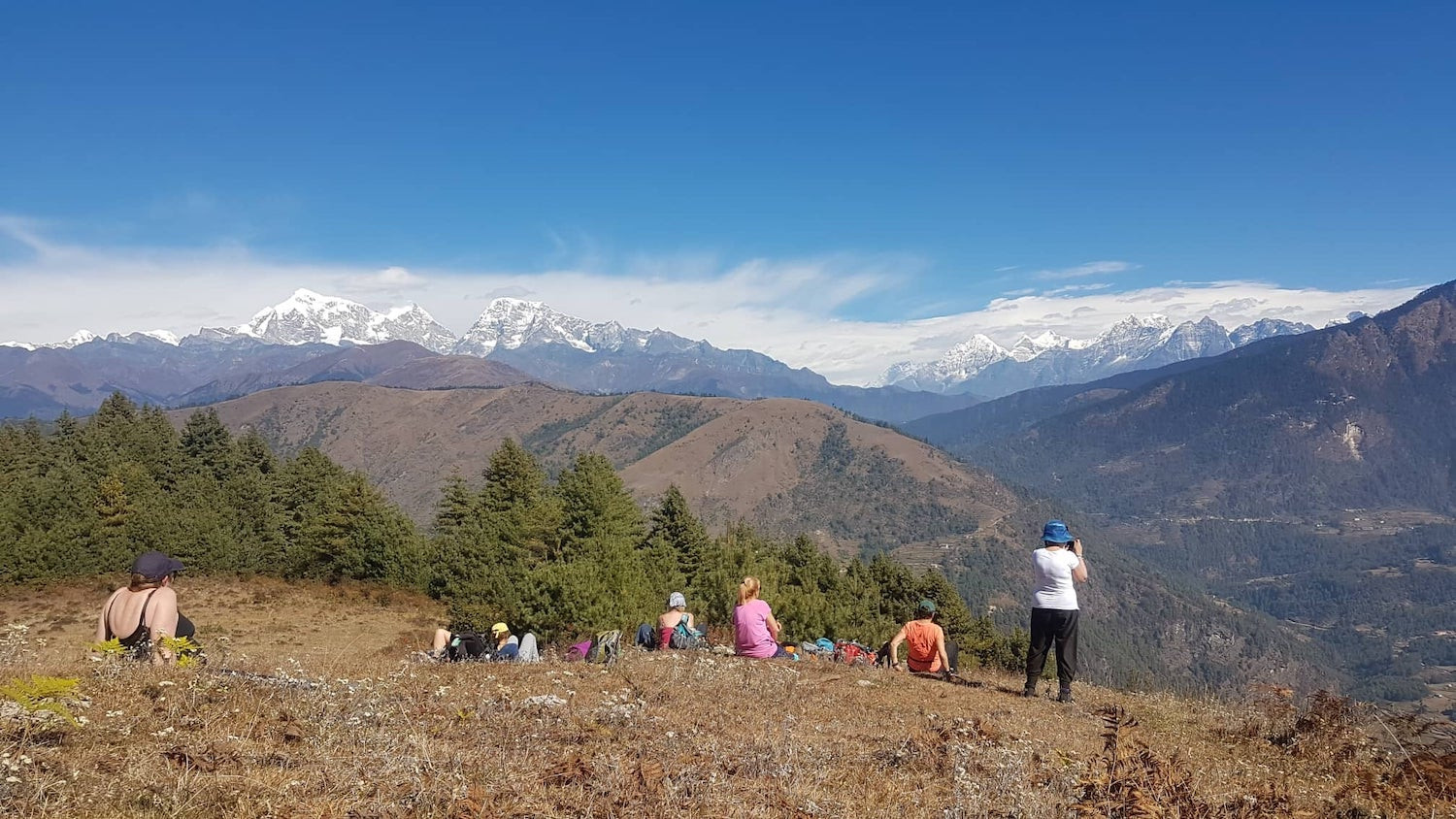
From the summit of Pikey Peak, you can enjoy spectacular 360-degree views of Mount Everest, Lhotse, Makalu, Kanchenjunga, Ama Dablam, Thamserku, Kangtega, Numbur Himal, Gaurishankar, and many other Himalayan peaks. The sunrise from the summit is considered one of the finest viewpoints in eastern Nepal.
Although the trek reaches a maximum altitude of 4,065 meters, the risk of altitude sickness is lower than on many high-altitude treks. However, trekkers should ascend gradually, stay well hydrated, and be aware of early symptoms such as headache, nausea, dizziness, or fatigue.
Accommodation is provided in traditional tea houses, offering clean twin-sharing rooms and basic facilities. Meals typically include Nepali, Tibetan, and continental dishes such as dal bhat, noodles, fried rice, soups, pasta, potatoes, eggs, pancakes, porridge, tea, and coffee.
Currently, the Pikey Peak Trek does not require a TIMS Card or national park permit, making it one of Nepal’s most accessible and budget-friendly trekking destinations. As regulations may change, it is advisable to confirm the latest permit requirements before your trip.
Essential items include waterproof trekking boots, warm clothing, thermal base layers, a down jacket, waterproof outerwear, gloves, a warm hat, sunglasses, trekking poles, a sleeping bag, a reusable water bottle, a headlamp, sunscreen, a first aid kit, and personal medications. Layered clothing is recommended to accommodate changing mountain weather.
The 7-Day Pikey Peak Trek offers breathtaking Himalayan panoramas, authentic Sherpa culture, peaceful mountain trails, and beautiful forests without the crowds of the Everest Base Camp route. It also avoids the flight to Lukla, making it an excellent option for travellers seeking a shorter, less crowded, and more affordable Himalayan trekking experience while still enjoying magnificent views of Mount Everest and the surrounding peaks.
There are no reviews yet.