
Niche Wild Honey Hunting 5 Days Itinerary (Ngadi – Niche Village, Lamjung)
Niche Wild Honey Hunting 5 Days Itinerary (Ngadi – Niche Village, Lamjung)
Wild Honey Hunting is an ancient tradition practiced by the Gurung people of Nepal. For centuries, hunters have collected honey from giant Himalayan honeybee hives hanging on steep cliffs using rope ladders and traditional methods. More than just gathering honey, it is a cultural practice that reflects courage, skill, and a deep connection with nature.
Keywords
Trip code
WT-CODE 2560
- Overview
- Trip Outline
- Trip Includes
- Trip Excludes
- Gallery
- Reviews
- Booking
- FAQ
Wild Honey Hunting in Nepal:
A Living Heritage of Lamjung Region
Wild honey hunting in Nepal is one of the most dramatic and culturally significant traditional practices in the Himalayas. Nowhere is this ancient tradition more vividly preserved than in the Lamjung District, particularly in the Ludi area, where generations of indigenous Gurung communities have practiced the perilous art of harvesting honey from towering cliffs along deep river gorges.
The history of wild honey hunting in Nepal stretches back thousands of years, long before modern roads, agriculture, or organized trade reached the mid-hill regions. Early Himalayan communities depended on forests not only for food but also for medicine and spiritual sustenance. Honey, especially from wild cliff bees, was highly valued for its nutritional, medicinal, and ritual importance. Over time, honey hunting evolved from a survival activity into a deeply respected cultural tradition governed by strict customs, seasonal rules, and spiritual beliefs.
In Lamjung’s Niche region, wild honey hunting is inseparable from Gurung identity. Knowledge of cliff locations, bee behavior, rope-making, weather patterns, and harvesting techniques is passed orally from elders to younger generations. These teachings are not written down; they are learned through observation, apprenticeship, and participation. Each honey hunt becomes a living classroom where courage, discipline, and respect for nature are instilled.
The hunts are carried out mainly during spring and autumn, when the Himalayan giant honeybee (Apis laboriosa) produces honey from the nectar of blooming wildflowers and rhododendrons. Before a hunt begins, elders and village leaders perform rituals to honor forest spirits and ask for safety and success. These ceremonies reflect the belief that the mountains and forests are living entities that must be respected, not exploited.
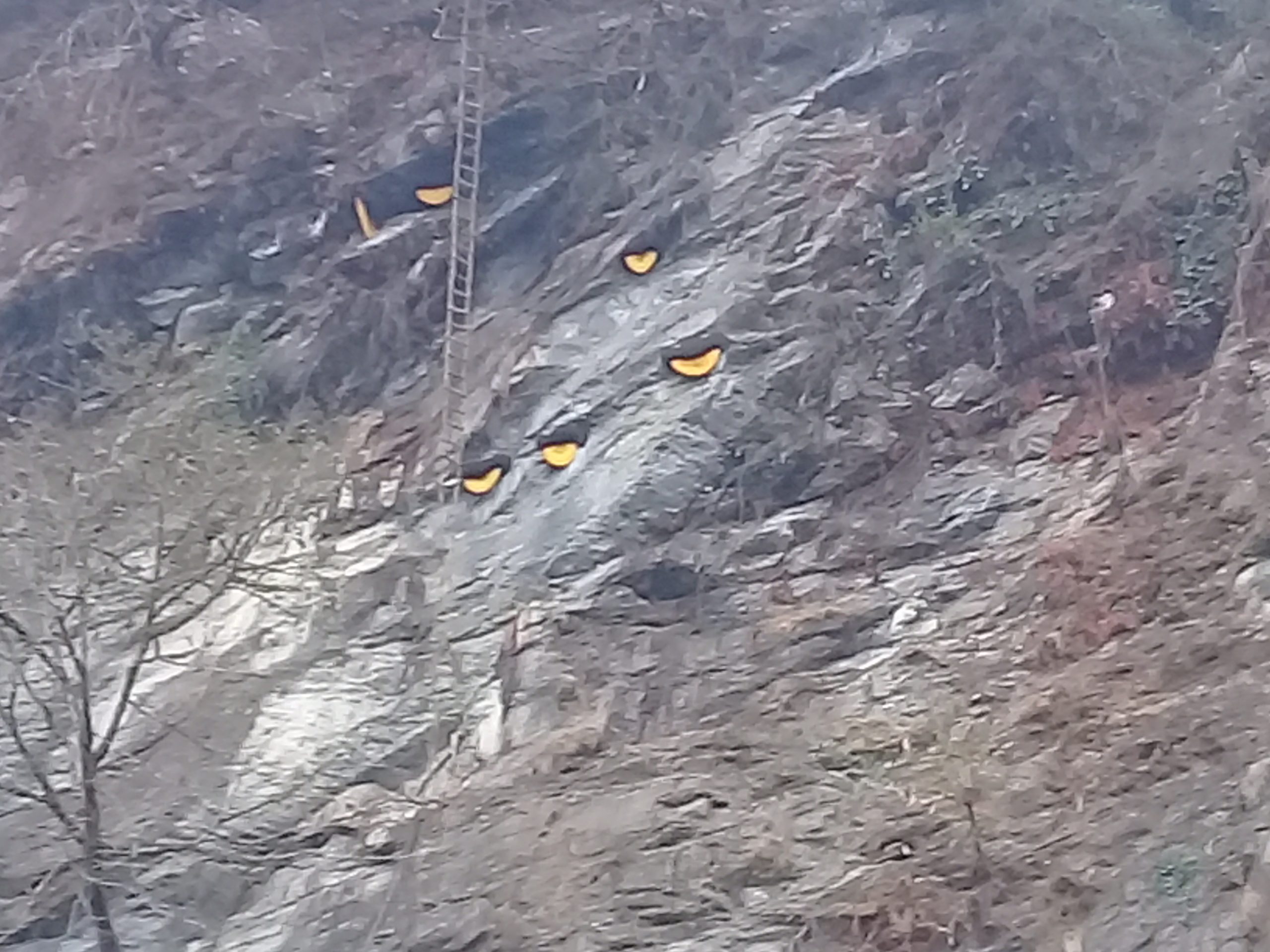
The harvesting itself is a breathtaking spectacle. Hunters construct long ladders and ropes from bamboo and forest fibers, anchoring them to the cliff tops. One hunter, suspended hundreds of feet above the ground, carefully descends toward massive honeycombs—some larger than a person. Below, villagers manage ropes, smoke the bees using burning leaves, and collect dripping honey in baskets. Every role is essential, emphasizing collective effort over individual achievement.
Wild honey from Niche is not only prized for its taste but also for its medicinal properties. Certain varieties, including the famous “mad honey” derived from rhododendron nectar, have long been used in small quantities for traditional medicine, believed to help with digestion, joint pain, and high blood pressure. Historically, this honey was traded with neighboring villages and used in religious offerings and social ceremonies.
Despite its cultural importance, wild honey hunting has faced challenges in recent decades. Environmental changes, declining bee populations, and migration of younger generations have threatened the continuation of this practice. However, communities in Niche have shown resilience by combining traditional knowledge with responsible tourism and conservation awareness. Today, controlled cultural experiences allow visitors to witness honey hunting while ensuring respect for local customs and ecological balance.
The Ancient Tradition of Wild Honey Hunting
Wild honey hunting in Nepal dates back hundreds of years, long before modern beekeeping or commercial honey production existed. Indigenous mountain communities relied on wild honey not only as food, but also as medicine, ritual offering, and trade item. The honey harvested from high cliffs is produced by the Himalayan giant honeybee (Apis laboriosa), the largest honeybee species in the world.
These bees build enormous hives on sheer vertical cliffs, often hundreds of meters above rivers, making honey hunting one of the most dangerous traditional practices still alive today.
Lamjung – The Cultural Heart of Honey Hunting
Lamjung District, located between the Marshyangdi River valley and the southern foothills of the Annapurna range, offers ideal conditions for wild honey hunting. Steep limestone cliffs, subtropical forests, and seasonal flowering plants provide rich nectar sources for bees and natural nesting sites.
For the Gurung people, honey hunting is a respected communal event. Only experienced hunters—often guided by elders—are allowed to take part. The practice follows strict cultural rules to ensure safety, sustainability, and spiritual harmony.
Itineraries
Day 1
Kathmandu to Ngadi
Driving time: approx. 7–8 hours
Distance: approx. 185 km
Accommodation: Local lodge/guesthouse
After having breakfast, we depart from Kathmandu Bus Park at around 7:00 AM by public bus. The drive takes us through beautiful Himalayan foothills, terraced hillsides, and alongside rivers and streams, offering continuous scenic views of mountains, valleys, and rural life. By late afternoon, we arrive in Bhulbule, a small town in Lamjung District, where we settle in and stay overnight.
Day 2
Ngadi village to Niche
Walking time: approx. 5 hours
Distance: approx. 12 km
Accommodation: Local lodge/guesthouse
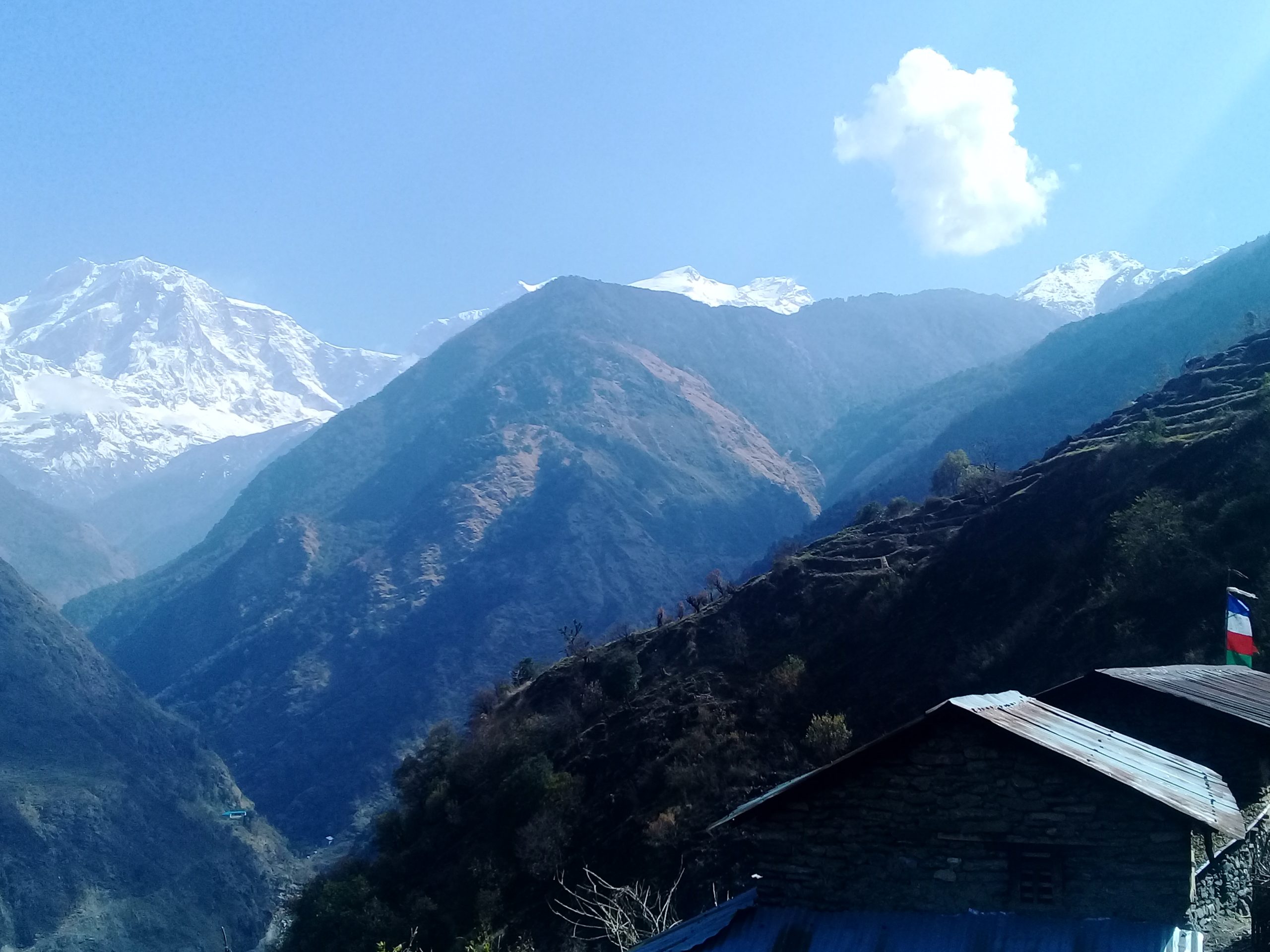
After breakfast, we leave Ngadi and follow a gently ascending trail along the Marshyangdi River, eventually reaching the Thulobesi area, enjoying dense forests and magnificent mountain views along the way. We stop for lunch in Thulobesi.
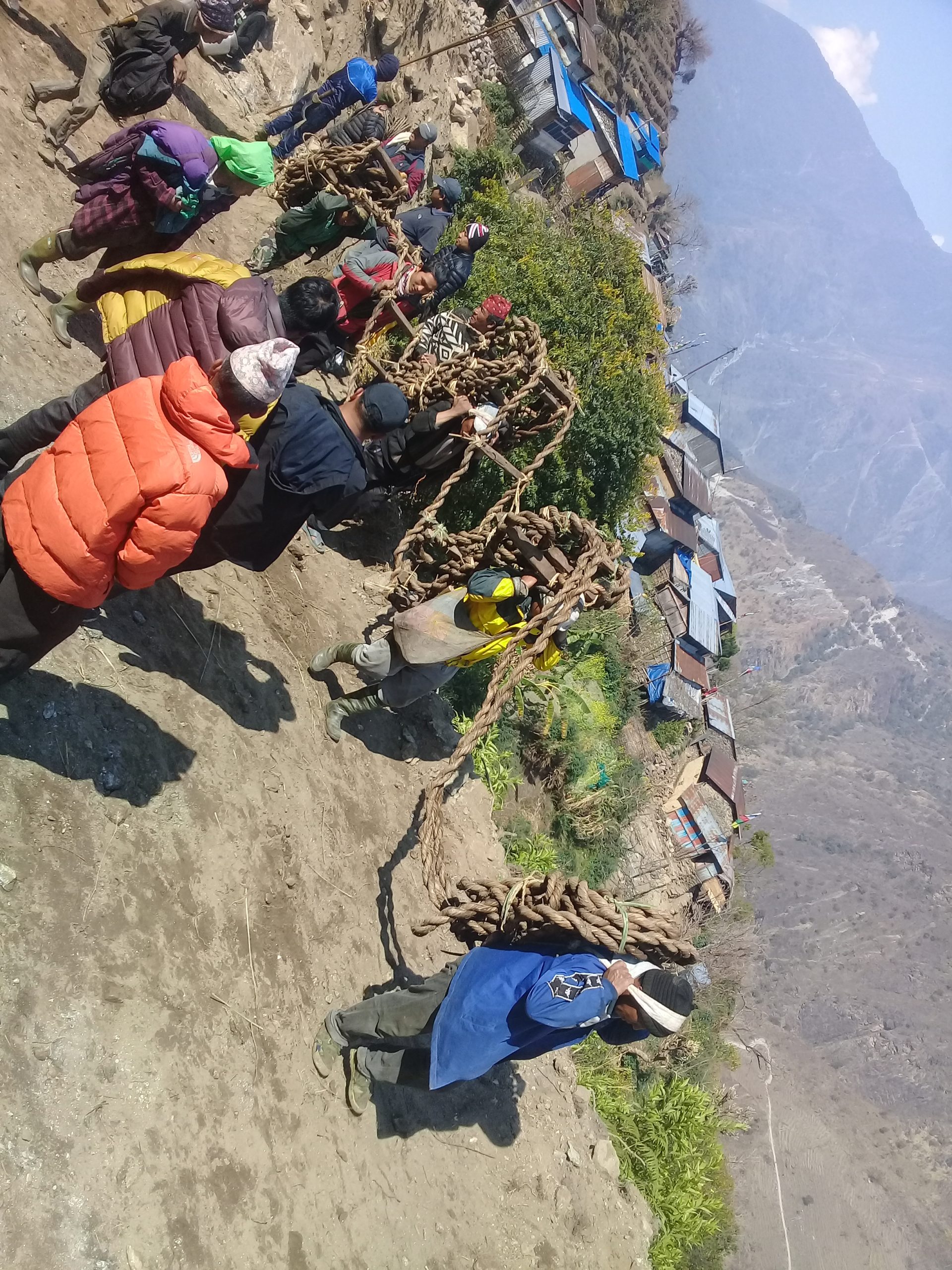
After lunch, the trail continues through greenery and along the Ngadi River, leading to the beautiful Niche Village. Upon arrival, we are warmly welcomed by the local Mothers’ Group (Ama Samuha) with flower garlands.
In the evening, the Ama Samuha organizes traditional songs and dances for entertainment. Visitors are invited to participate, making the cultural experience more engaging. Dinner and overnight stay are also arranged by the community.
Day 3
Honey Hunting in Siuri Khola
Walking time: approx. 6–7 hours (including hunting activity)
Distance: approx. 8 km
Accommodation: Local lodge/guesthouse
After an early breakfast, we trek toward the nearby cliffs above Niche Village, following the Siuri Khola gorge, where honey hunting is conducted. Supported by local honey hunters, we ascend the cliff area for 3–4 hours, stopping at 2–3 locations where the hunters prepare for the activity.
The main honey hunters reach the cliff top via a separate route, while others assist from below. The hunters use rope ladders to descend the vertical rock faces, smoke to calm the bees, and carefully collect honey from the hives. Some honeycombs occasionally fall accidentally, while others are securely brought down with ropes and gathered collectively.
After the honey is collected, we descend back along the river to Niche Village, arriving by 6–7 PM. The evening is spent enjoying the honey, dinner, and local entertainment, reflecting on the thrilling experience of the day.
Day 4
Niche Village to Ngadi
Walking time: approx. 5 hours
Distance: approx. 12 km
Accommodation: Local lodge/guesthouse
After breakfast, we retrace the trail through scenic valleys and forests, returning to Ngadi along a gentle uphill and downhill path. The rest of the day is spent relaxing and enjoying the peaceful surroundings of Ngadi.
Day 5
Ngadi to Kathmandu or Pokhara
Travel time: approx. 7–8 hours
Distance: approx. 180 km
After breakfast, we begin our journey back to Kathmandu or Pokhara by bus around 7:00–8:00 AM, concluding the 5-day adventure of wild honey hunting in Lamjung.
- What Is Included ?
- Trekking Guide/s.
- Porter/s (One porter can carry up to 25 kg of luggage).
- All meals three times a day (breakfast, lunch, and dinner)
Accommodation in lodges during the trek. - Trekking gear: Sleeping bags, down jackets, duffle bags, trekking poles and safty hate for honey hunting time (if required).
- Honey hunting equipment.
- Honey hunting permit.
- Expert honey hunting crew from the local community.
- Cultural program by the local women’s group (including their fee).
- Entry permit for the Annapurna Conservation Area.
- Trekkers’ Information Management System (TIMS) card.
- All land transportation: Kathmandu to Nadi and Besisahar to Kathmandu by bus/jeep..
- Meals, accommodation, insurance, and equipment for the guide/s and porter/s.
- First aid kit.
- All taxes, VAT, and service charges.
- Rescue assistance: In case of an emergency, we will arrange prompt and professional rescue services. Please ensure that you have travel insurance that covers helicopter evacuation and medical treatment, as timely rescue by helicopter will require adequate insurance.
- What Is Excluded?
- Personal expenses (e.g., telephone calls, internet, toiletries, battery recharge, hot showers, laundry, soft drinks, beers, and alcoholic beverages).
- Travel insurance.
- Tips for the guide/s and porter/s.
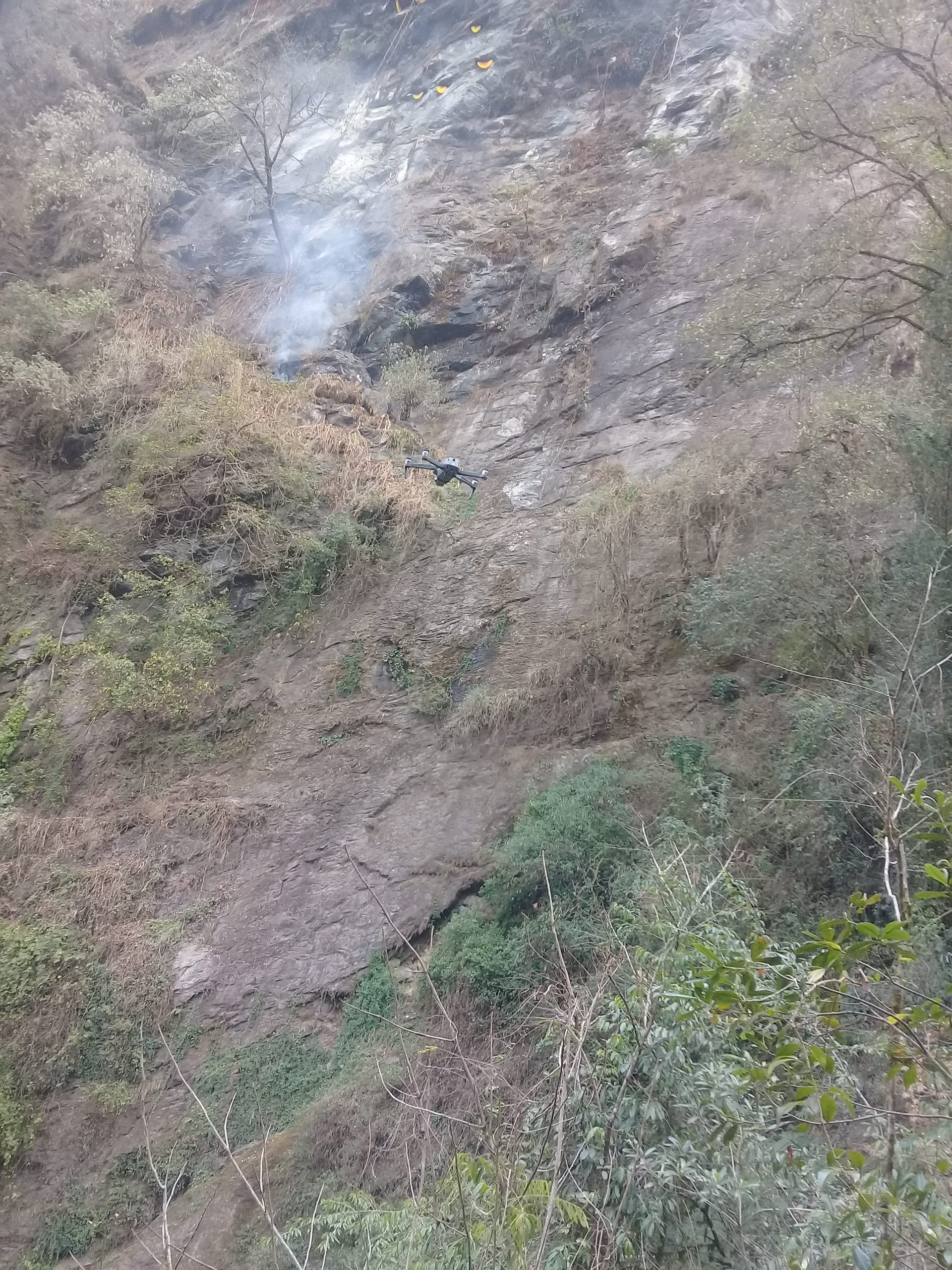
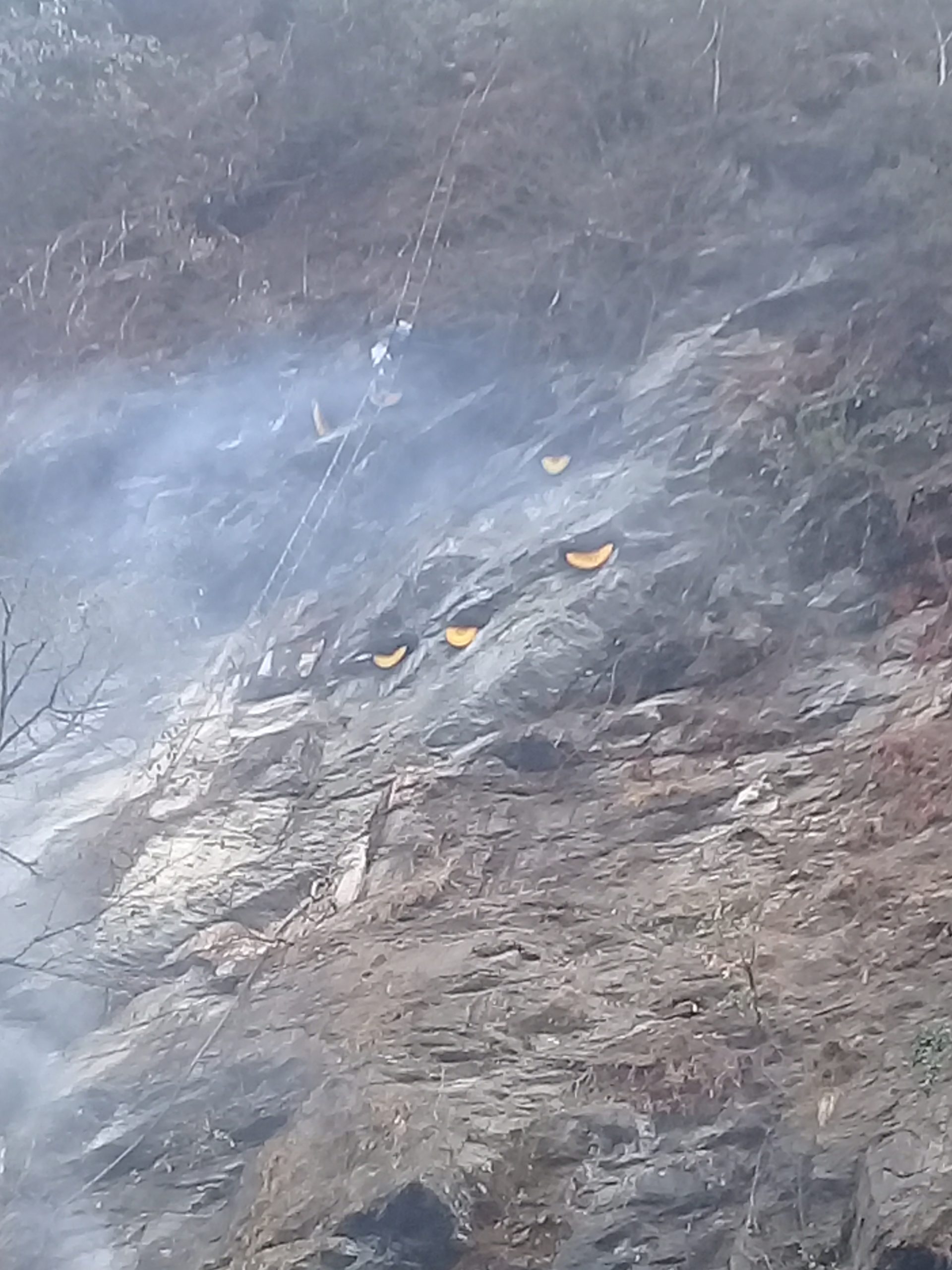
Wild honey hunting is a traditional practice of harvesting honey from the nests of wild Himalayan giant honeybees (Apis laboriosa), which build their hives on steep cliffs in the Himalayas.
Where can wild honey hunting be observed in Nepal?
Wild honey hunting is practiced in several regions of Nepal, with Lamjung District, particularly the Ludi area, being one of the most well-known locations.
Who carries out the honey hunts?
The hunts are primarily conducted by indigenous Gurung communities, who have preserved this tradition for generations.
When does honey hunting take place?
Honey hunting is usually carried out twice a year, during the spring and autumn seasons, when honey production is at its peak.
Why is wild honey so valuable?
Wild honey is prized for its unique taste, natural purity, medicinal properties, and cultural significance. Certain varieties, including “mad honey,” are especially sought after.
Wild honey hunting is practiced in several regions of Nepal, with Lamjung District, particularly the Ludi area, being one of the most well-known locations.
The hunts are primarily conducted by indigenous Gurung communities, who have preserved this tradition for generations.
Honey hunting is usually carried out twice a year, during the spring and autumn seasons, when honey production is at its peak.
Wild honey is prized for its unique taste, natural purity, medicinal properties, and cultural significance. Certain varieties, including “mad honey,” are especially sought after.
There are no reviews yet.