
Nagarkot Day Hiking
Nagarkot Day Hiking
Nagarkot is one of the most famous hill stations in Nepal, located about 32 km east of Kathmandu at an altitude of approximately 2,175 meters (7,136 feet) above sea level.
Keywords
Trip code
WT-CODE 2069
- Overview
- Trip Outline
- Trip Includes
- Trip Excludes
- Gallery
- Reviews
- Booking
- FAQ
Nagarkot is one of the most famous hill stations in Nepal, located about 32 km east of Kathmandu at an altitude of approximately 2,175 meters (7,136 feet) above sea level. Today, it is widely known for sunrise and Himalayan panorama views, but its historical roots go much deeper than tourism. Nagarkot has evolved from an ancient strategic fort into a modern tourism hub, while still preserving its cultural and natural heritage.
The name Nagarkot comes from two Sanskrit words:
Nagar: City
Kot:Fort
This indicates that the area was once a fortified settlement or military outpost. During the Licchavi period, Nagarkot served as a strategic fort to protect the Kathmandu Valley from external invasion. It was located on the eastern border of the valley and functioned as a defensive post.
The hilltop location provided:
- Wide visibility over surrounding regions
- Early warning against enemies
- Control over trade routes entering the valley
Though the original fort structures no longer remain clearly visible, historical records mention Nagarkot as an important military checkpoint. During the rule of the Malla kings, especially those of Bhaktapur, Nagarkot continued to play a strategic and political role. At that time:
- The Kathmandu Valley was divided into three kingdoms: Kathmandu, Patan, and Bhaktapur.
- Bhaktapur kings used Nagarkot as a summer retreat and military lookout point.
The area helped monitor eastern trade routes connecting Nepal to Tibet and other Himalayan regions. Nagarkot was not just a military site — it also became a seasonal royal escape due to its cooler climate. In the 18th century, when Prithvi Narayan Shah began the unification of Nepal, control of strategic hill forts like Nagarkot was very important.
After the conquest of the Kathmandu Valley in 1768–69:
- Nagarkot lost its military importance.
- The unified kingdom reduced the need for internal defensive forts.
- The area gradually became more rural and agricultural.
For many centuries, Nagarkot remained a quiet farming settlement inhabited mainly by:
- Tamang community
- Newar community
- Brahmin and Chhetri families
The local economy was based on:
- Agriculture
- Livestock
- Terrace farming
- Traditional village life
- Even today, you can see terraced fields, small villages, and traditional houses around the area.
Nagarkot began developing as a tourist destination in the 1960s and 1970s when Nepal opened to international tourism. Its popularity grew because:
- It offers one of the widest Himalayan panoramas near Kathmandu.
- It is easily accessible by road.
- It provides peaceful environment away from city noise.
- Hotels and resorts slowly developed along the ridge.
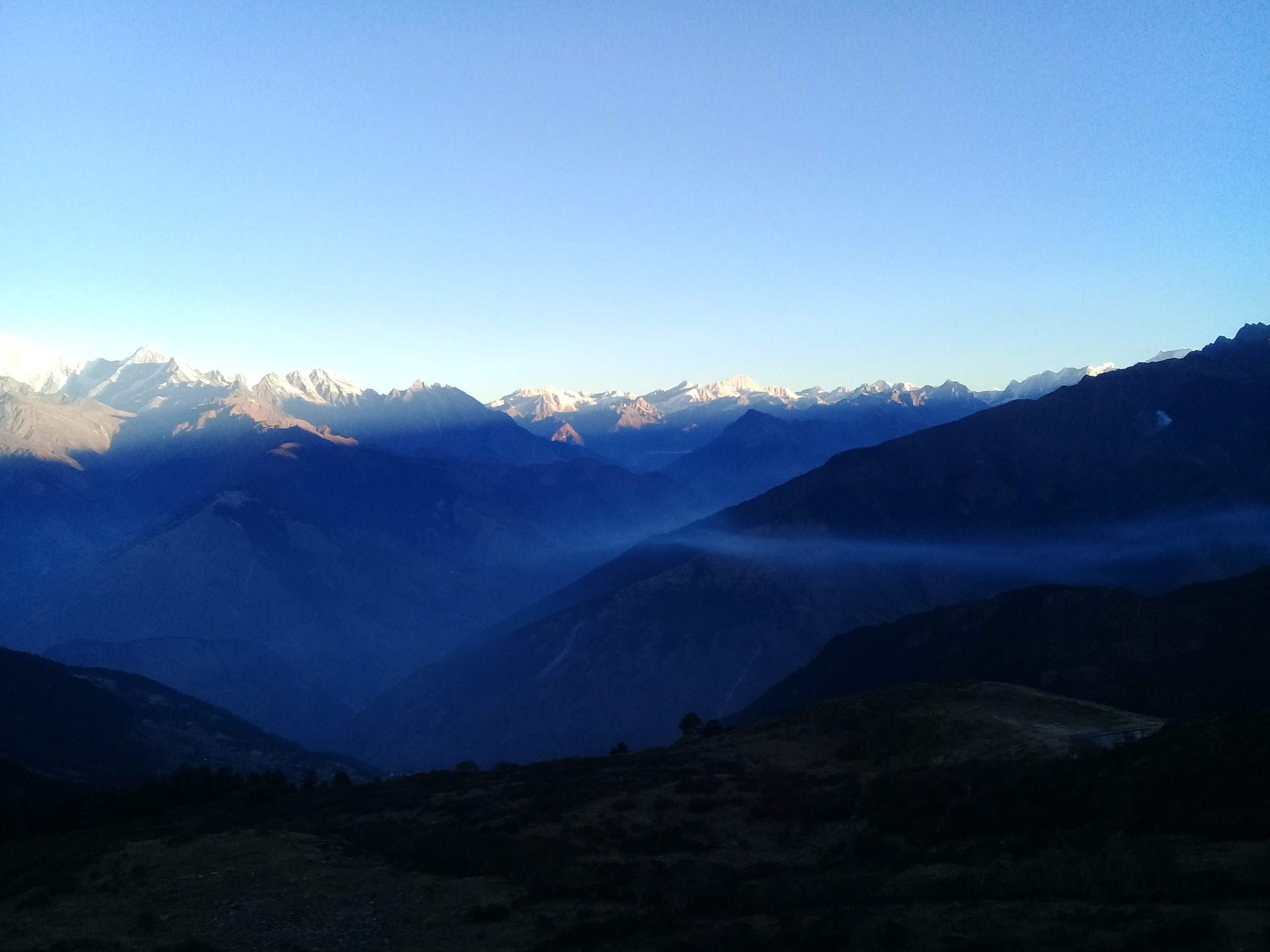
On clear days, Nagarkot offers views of:
- Mount Everest (far east, visible on very clear days)
- Langtang Lirung
- Ganesh Himal
- Manaslu
- Dorje Lakpa
- Because of this, it became famous as a sunrise and sunset viewpoint.
A modern view tower was constructed to enhance the panoramic experience. The tower allows visitors to enjoy 360-degree views of:
- Himalayan range
- Kathmandu Valley
- Bhaktapur and surrounding hills
- It has become one of the main attractions of the area.
Nagarkot lies near the border of the Kathmandu Valley and is close to forest areas connected to: Shivapuri Nagarjun National Park
The region has:
- Pine forests
- Rhododendron trees
- Bird species
- Fresh mountain air
- Its altitude makes the climate cooler than Kathmandu.
Today Nagarkot is:
- A luxury and budget tourism destination
- Popular for weekend trips
- A short hiking destination
- A photography hotspot
- A peaceful retreat for meditation and yoga
It attracts:
- Domestic tourists
- International trekkers
- Honeymoon couples
- Students and photographers
Though Nagarkot itself is mainly known for views, it is close to important heritage areas like:
- Changu Narayan Temple – One of the oldest Hindu temples in Nepal (Licchavi era)
- Bhaktapur Durbar Square – UNESCO World Heritage Site
- This makes Nagarkot part of a broader historical and cultural region.
Nagarkot is not just a beautiful viewpoint — it is a place with centuries of strategic, political, and cultural history. From an ancient fort protecting the valley to a peaceful tourism hill station, its transformation reflects Nepal’s broader historical journey. Today, when visitors watch the sunrise over the Himalayas, they are standing on land that once guarded the entire Kathmandu Valley.
No details found.
Itineraries
Day 1
Kathmandu-Nagarkot
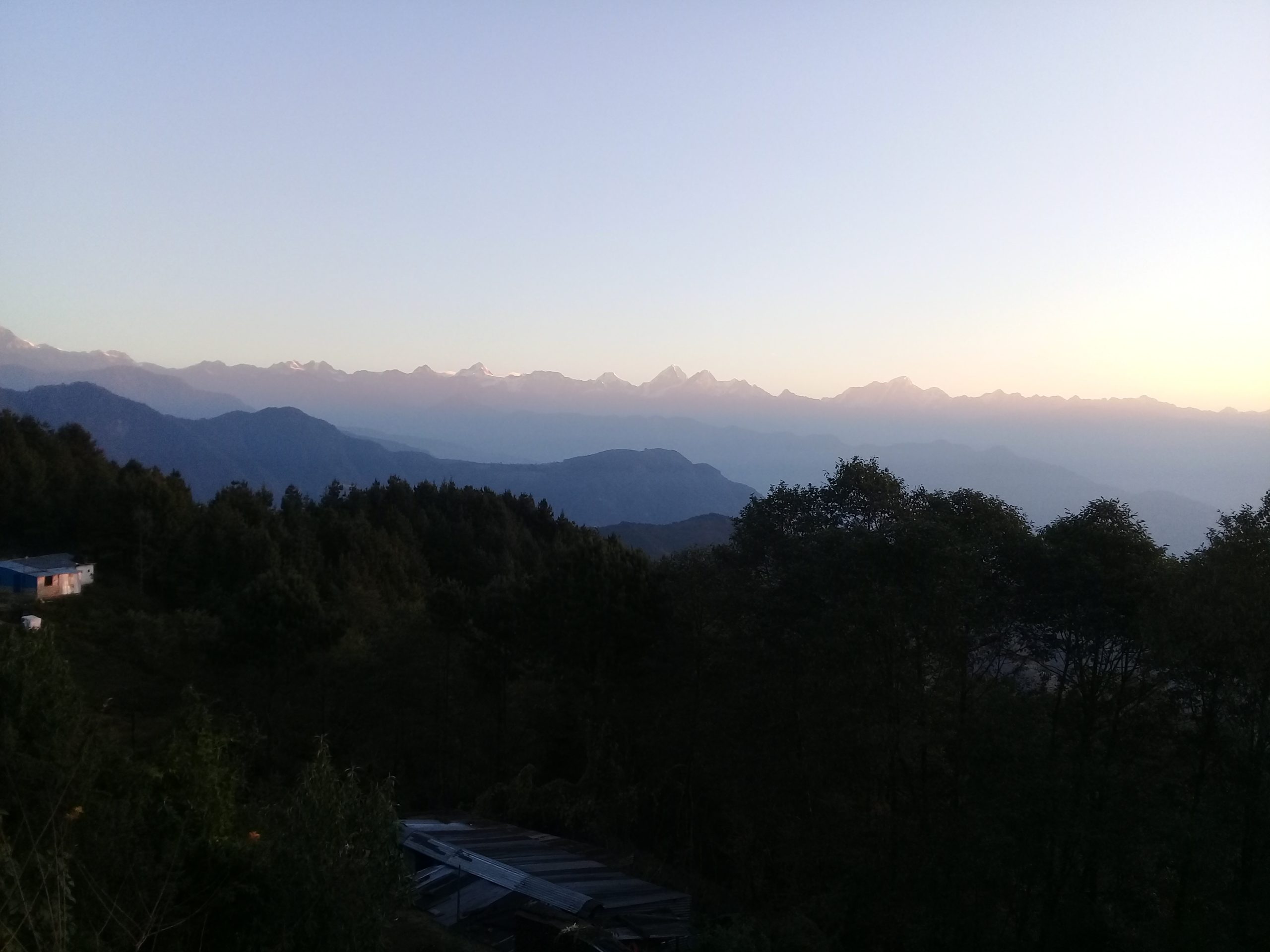
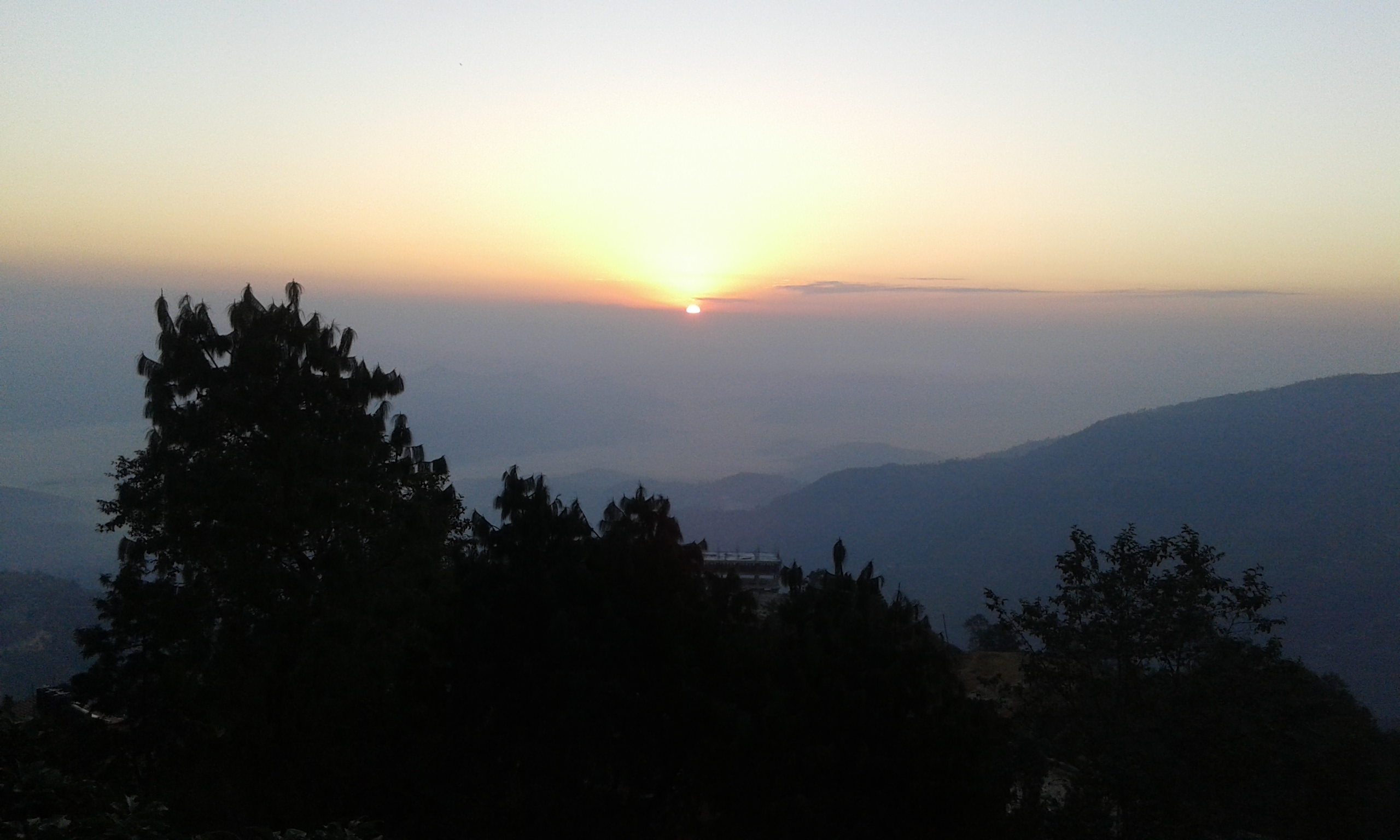
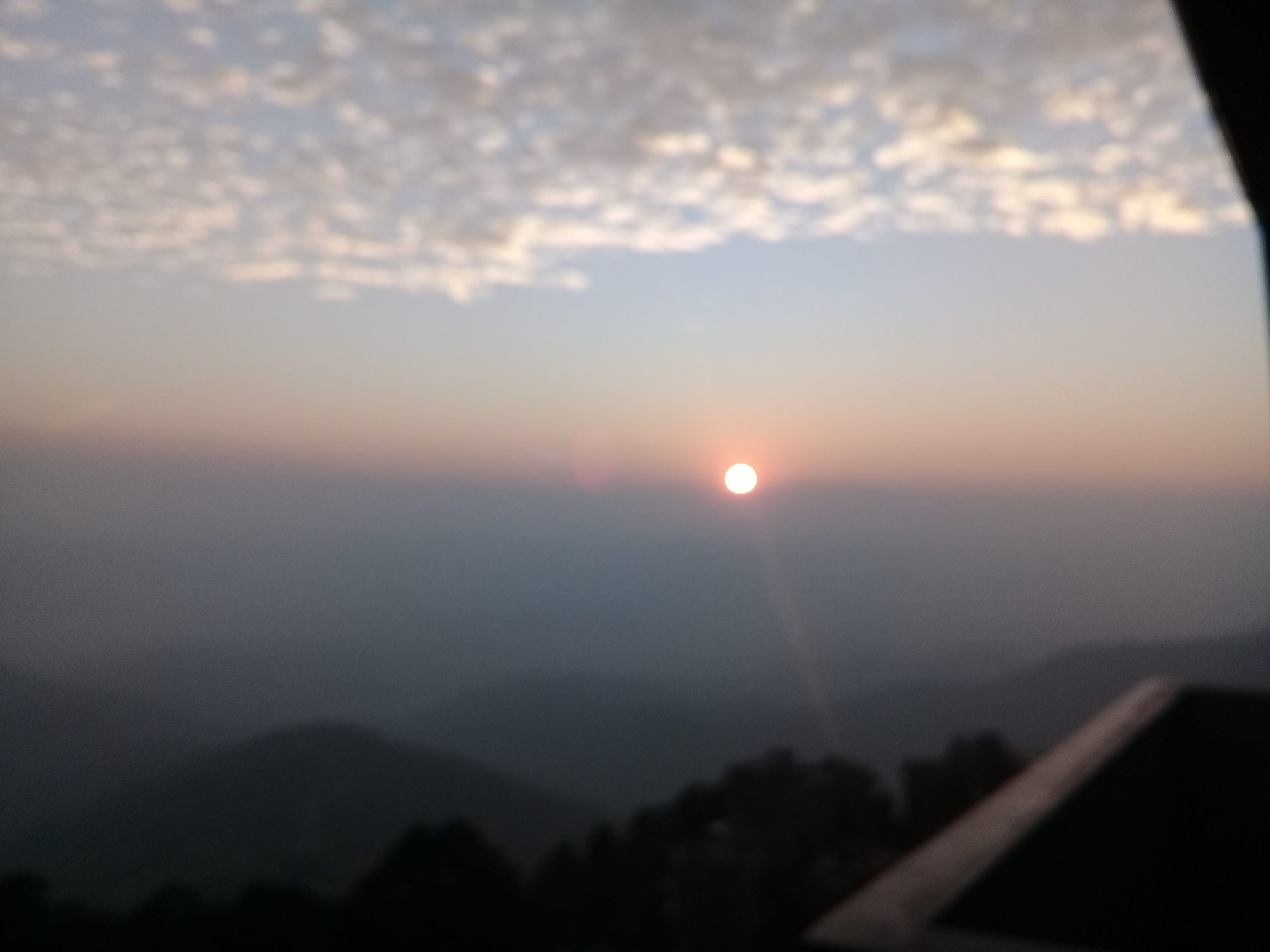
Your memorable journey begins early at 5:00 AM as you meet your guide and driver at your hotel lobby in Kathmandu and drive 28 km (approximately 1.5 hours) to the scenic hill station of Nagarkot, one of the most beautiful viewpoints near the valley. Upon arrival, you witness a breathtaking sunrise over the Himalayas, with panoramic views of snow-capped peaks including Mount Everest, Langtang Lirung, Ganesh Himal, Gaurishankar, and many other magnificent Himalayan ranges glowing in the golden morning light. After enjoying the spectacular views and capturing photographs, you begin a scenic 14 km (4–5 hours) hike toward the ancient UNESCO World Heritage Site, Changu Narayan Temple. The trail descends gradually through the peaceful outskirts of the Kathmandu Valley, offering beautiful views of traditional villages, terraced farmlands, local temples, and distant settlements such as Bhaktapur and Sankhu, while providing insight into rural Nepali lifestyle and culture. As you continue, the path passes through serene pine and rhododendron forests and charming picnic spots that provide final panoramic Himalayan vistas before reaching Changu Narayan, one of the oldest Hindu temples in Nepal dedicated to Lord Vishnu and renowned for its ancient stone carvings and rich Licchavi-era history. After exploring the temple complex and soaking in its spiritual atmosphere, you conclude the day with a comfortable drive back to Kathmandu, completing a perfect blend of sunrise views, countryside hiking, cultural exploration, and heritage discovery.
- Airport pick-up and drop-off services by private A/C vehicle
- Trekking guide
- One porter for every 2 trekking participants (1 porter carries 25 kilograms of luggage)
- All meals three times a day (breakfast, lunch and dinner)
- Accommodation in Lodge (Tea houses) during the trek
- Trekking equipment: Sleeping bags, down jackets, duffle bags,
- Entry Permit for Langtang National Park and Shivapuri National Park
- Trekkers’ Information Management system (TIMS) card
- Land transportation from Kathmandu to Dhunche and Sundarijal to Kathmandu by bus/jeep
- Insurance and equipment for guides and porters
- First aid kit
- Tax, VAT and our service charge
- Rescue assistance (In case of emergency, we will organize prompt and professional rescue services. To arrange timely evacuation/rescue by helicopter, you must be well insured from a reliable travel insurance company that covers both helicopter evacuation and medical treatment cost.)
- Personal nature expenses (Telephone calls, internet, toiletries, battery recharge, hot shower, laundry, soft drinks, beers and any alcoholic beverages)
- Travel insurance
- Tips for involved staffs
- Meals and hotel accommodation in Kathmandu (even in case of early arrival or late departure, early return from trekking due to any personal reason than the scheduled itinerary)
Nagarkot is a hill station located about 28–32 km east of Kathmandu, at an altitude of around 2,175 meters, famous for Himalayan sunrise and panoramic mountain views.
It is a 1-day trip, including a scenic drive, sunrise viewing, and a 14 km hike (4–5 hours) from Nagarkot to Changu Narayan Temple.
The main highlights are sunrise views over the Himalayas, panoramic mountain scenery, peaceful countryside trails, traditional villages, terraced farms, forest paths, and the historic Changu Narayan Temple.
On clear days, you can see Mount Everest, Langtang Lirung, Ganesh Himal, Manaslu, Dorje Lakpa, and Gauri Shankar.
There are no reviews yet.