
Duration = 18 Days
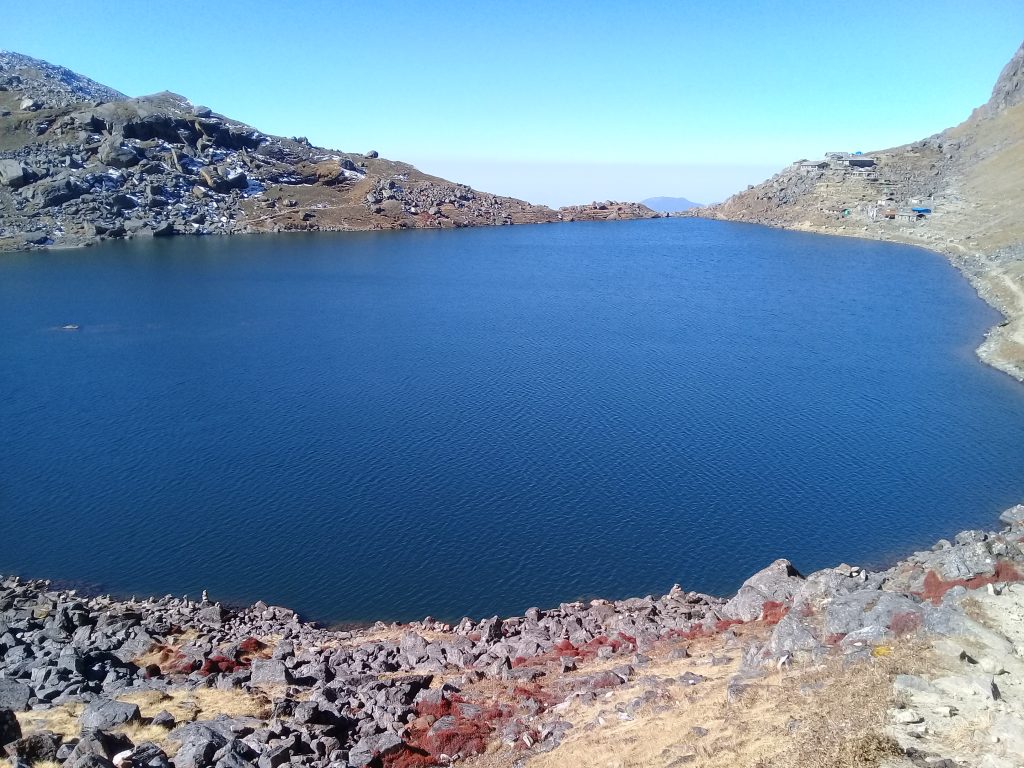
Lumba Sumba Pass Trek 18 Days

Lumba Sumba Pass Trek 18 Days
Keywords
Trip code
WT-CODE 4031
- Overview
- Trip Outline
- Trip Includes
- Trip Excludes
- Gallery
- Reviews
- Booking
- FAQ
Overview And Highlights
Trip Facts
Lumba Sumba Pass Trek – Overview
The Lumba Sumba Pass Trek is one of Nepal’s most spectacular and remote wilderness adventures, forming an important section of the Great Himalayan Trail and connecting the Kanchenjunga and Makalu regions in eastern Nepal. This extraordinary trekking route offers an authentic Himalayan experience through some of the least-explored landscapes of the country, making it an ideal choice for adventurous travelers seeking solitude, wilderness, cultural diversity, and challenging high-altitude trekking.
The trek takes you from the subtropical lowlands to the high alpine environment, passing through dramatic changes in vegetation, climate, terrain, and culture. Along the journey, trekkers encounter dense forests, terraced farmland, traditional villages, deep river valleys, rugged mountain slopes, glacial landscapes, and remote Himalayan settlements. The route remains relatively untouched by mass tourism, allowing visitors to experience the natural and cultural heritage of eastern Nepal in its most authentic form.
Crossing the Lumba Sumba Pass
The major highlight of the trek is the challenging crossing of Lumba Sumba Pass at approximately 5,200 meters (17,060 feet). Reaching the pass requires good physical fitness, proper acclimatization, and careful preparation, as weather conditions can change rapidly at high elevations.
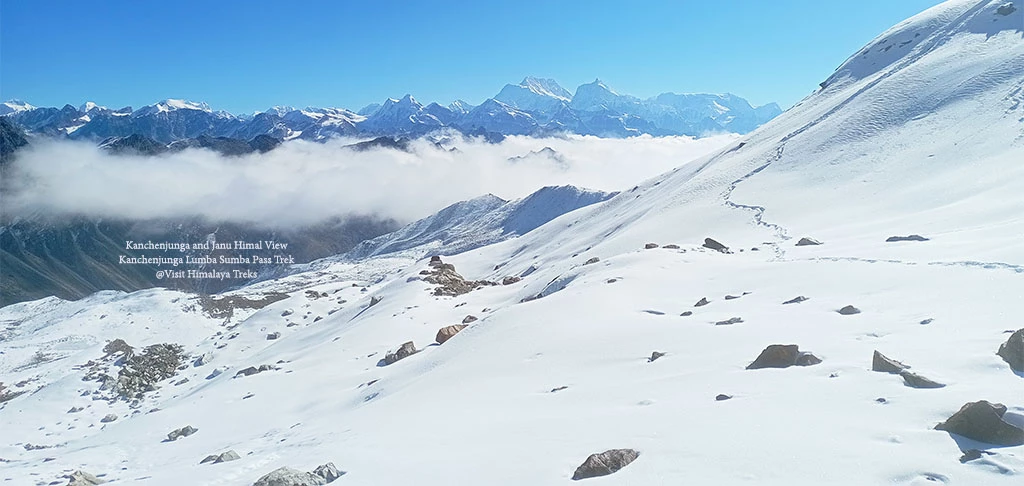
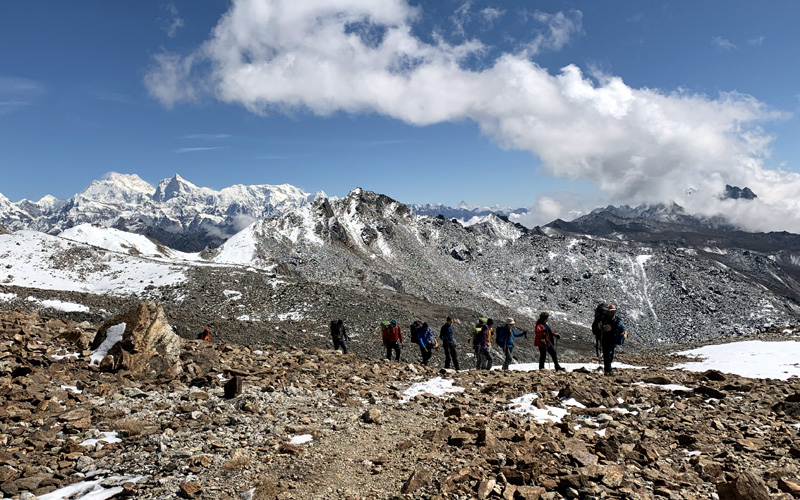
The ascent to the pass takes trekkers through increasingly rugged alpine terrain, where snow, ice, rocky trails, and strong mountain winds can be encountered depending on the season. Reaching the summit of Lumba Sumba Pass is a rewarding achievement, offering breathtaking panoramic views of some of eastern Nepal’s most magnificent Himalayan peaks, including Mount Kanchenjunga, Mount Makalu, Yalung Kang, Jannu (Kumbhakarna), and numerous surrounding peaks.
A Journey Through Diverse Landscapes
One of the most remarkable features of the Lumba Sumba Pass Trek is the extraordinary variety of landscapes encountered along the route. The journey begins in warmer, subtropical environments and gradually climbs through temperate forests, alpine meadows, and high Himalayan terrain.
The trail passes through dense forests of rhododendron, pine, oak, birch, and juniper, depending on altitude. In spring, many sections of the trail become particularly beautiful as rhododendrons and other wildflowers bloom across the hillsides.
The trek also involves crossing mountain rivers and streams, navigating rugged trails, and walking through remote valleys and high mountain passes. These changing environments make every day of the journey different and provide exceptional opportunities for nature lovers, photographers, and wilderness enthusiasts.
Rich Biodiversity and Wildlife
The Lumba Sumba region is exceptionally rich in biodiversity because the trekking route passes through two important protected areas: the Kanchenjunga Conservation Area and Makalu-Barun National Park. These protected landscapes provide habitats for a remarkable variety of Himalayan plants and wildlife.
Depending on the season and location, trekkers may have opportunities to observe wildlife such as red pandas, Himalayan black bears, foxes, Himalayan goral, deer, and numerous species of birds. The region is also recognized as habitat for elusive species such as the snow leopard, although sightings of such rare animals are uncommon.
The combination of pristine forests, alpine ecosystems, rivers, wetlands, and high-altitude landscapes makes this trek particularly appealing to travelers interested in biodiversity and conservation.
Cultural and Ethnic Diversity
The Lumba Sumba Pass Trek is not only a wilderness adventure but also a fascinating cultural journey. The eastern Himalayan region is home to a diverse range of ethnic communities, each with its own traditions, languages, customs, architecture, and religious practices.
Along the trail, trekkers may encounter communities including Limbu, Sherpa, Rai, Gurung, Magar, Tamang, Newar, and other local groups. The route passes through traditional settlements where visitors can experience rural Himalayan life, interact with local people, and learn about their centuries-old customs and traditions.
Religious sites, monasteries, temples, prayer flags, mani walls, chortens, and other cultural landmarks add another dimension to the trekking experience. The blend of Buddhist and Hindu traditions reflects the rich cultural heritage of eastern Nepal.
Remote and Off-the-Beaten-Path Adventure
One of the greatest attractions of the Lumba Sumba Pass Trek is its remote and uncrowded nature. Unlike popular trekking destinations such as Everest and Annapurna, this route receives comparatively few trekkers. The trails therefore provide a genuine sense of wilderness and solitude.
Travelers should be prepared for basic facilities and limited infrastructure in many sections of the route. Accommodation may include local teahouses, homestays, or camping, depending on the itinerary and availability. This remote character is precisely what makes the trek attractive to experienced trekkers who want to move beyond Nepal’s conventional trekking routes.
A Challenging Himalayan Experience
The Lumba Sumba Pass Trek is considered a challenging high-altitude trek because of its remote terrain, long walking days, significant elevation gains, and the crossing of a 5,200-meter pass. Trekkers may encounter steep ascents and descents, rocky and muddy trails, river crossings, snow-covered sections, and unpredictable mountain weather.
Proper acclimatization is essential, particularly before attempting the Lumba Sumba Pass. Trekkers should have good cardiovascular fitness, previous trekking experience, and appropriate clothing and equipment for cold and changing conditions.
Despite the challenges, the rewards are exceptional. The feeling of standing on the remote Lumba Sumba Pass, surrounded by some of the highest mountains in the world, is an unforgettable experience.
Why Choose the Lumba Sumba Pass Trek?
The Lumba Sumba Pass Trek is ideal for travelers looking for a true Himalayan wilderness adventure away from crowded trekking routes. It combines everything that makes remote trekking in Nepal special: dramatic mountain scenery, challenging high passes, pristine forests, rare wildlife, fascinating cultures, ancient traditions, and remote villages.
From the lush subtropical valleys at the beginning of the journey to the stark alpine landscapes surrounding the Lumba Sumba Pass, the trek provides an extraordinary cross-section of Nepal’s natural and cultural diversity.
For adventurous trekkers seeking a remote, challenging, culturally rich, and environmentally significant Himalayan journey, the Lumba Sumba Pass Trek is one of the most rewarding and unforgettable trekking experiences in eastern Nepal.
What Makes the Lumba Sumba Pass Trek Beautiful?
The Lumba Sumba Pass Trek is beautiful because it combines remote wilderness, dramatic Himalayan scenery, rich biodiversity, and diverse cultures in one extraordinary journey. Unlike Nepal’s more crowded trekking routes, Lumba Sumba offers a genuine sense of solitude and adventure.
1. Spectacular Himalayan Mountain Views
The trek offers magnificent views of some of the world’s highest and most impressive peaks, including Mount Kanchenjunga, Mount Makalu, Jannu (Kumbhakarna), Yalung Kang, and numerous surrounding mountains. The panoramic scenery becomes particularly spectacular from higher ridges and the Lumba Sumba Pass.
2. The Magnificent Lumba Sumba Pass
At approximately 5,200 meters, crossing Lumba Sumba Pass is one of the defining highlights of the journey. The dramatic high-altitude landscape, surrounding snow-covered mountains, and sense of achievement make the crossing an unforgettable experience.
3. Untouched Himalayan Wilderness
The route passes through some of the most remote and less-developed areas of eastern Nepal. Dense forests, isolated valleys, rugged mountains, pristine rivers, and quiet trails create a powerful feeling of being immersed in nature.
4. Incredible Variety of Landscapes
One of the trek’s greatest attractions is the dramatic change in scenery. The journey moves from subtropical forests and green valleys to temperate woodland, alpine meadows, rocky terrain, and high Himalayan landscapes.
5. Rich Flora and Fauna
The trail passes through protected areas containing diverse ecosystems. Trekkers may encounter rhododendron, pine, oak, birch, and juniper forests, along with wildlife such as red pandas, Himalayan black bears, deer, foxes, and many species of birds.
6. Beautiful Traditional Villages
The trek passes through remote settlements where traditional lifestyles remain closely connected to the surrounding mountains and forests. Traditional houses, terraced fields, local farms, monasteries, temples, and warm local hospitality add cultural beauty to the journey.
7. Fascinating Cultural Diversity
The region is home to several ethnic communities, including Limbu, Sherpa, Rai, Gurung, Magar, Tamang, and other local groups. Their unique traditions, festivals, architecture, languages, and religious practices make the trek culturally fascinating.
8. Peace and Solitude
For many trekkers, the greatest beauty of Lumba Sumba is its tranquility. The trails are far less crowded than the Everest or Annapurna routes, allowing travelers to enjoy the mountains in a peaceful and natural environment.
9. Adventure and Discovery
Crossing rivers, walking through dense forests, exploring remote valleys, and crossing a high Himalayan pass create a strong sense of adventure. Every section of the trail offers something new to discover.
In short, the beauty of the Lumba Sumba Pass Trek lies in its combination of towering Himalayan peaks, pristine wilderness, diverse wildlife, traditional cultures, dramatic landscapes, and true off-the-beaten-path adventure.
Packing Gear for the Lumba Sumba Pass Trek
The Lumba Sumba Pass Trek is a remote and challenging high-altitude adventure reaching approximately 5,200 meters, so careful preparation and appropriate trekking equipment are essential. Weather can change rapidly, and some sections may have snow, strong winds, and freezing temperatures. The following gear is recommended:
Clothing
- Moisture-wicking thermal base layers
- Fleece jacket or warm mid-layer
- Insulated down or synthetic jacket
- Waterproof and windproof jacket and trousers
- Lightweight trekking trousers
- Warm trekking pants for high-altitude sections
- Moisture-wicking T-shirts
- Warm wool or fleece hat
- Sun hat or cap
- Neck gaiter or buff
- Thermal gloves and waterproof outer gloves
- Comfortable undergarments
Footwear
- Waterproof, well-broken-in trekking boots with good ankle support
- Warm trekking socks, preferably wool or synthetic
- Lightweight liner socks
- Comfortable camp shoes or sandals
- Gaiters, particularly useful during snowy or muddy conditions
Backpack and Sleeping Equipment
- 50–65-liter trekking backpack with a rain cover
- Small daypack, if a porter is carrying the main luggage
- Warm sleeping bag suitable for temperatures below freezing
- Sleeping bag liner for additional warmth
- Lightweight trekking towel
- Waterproof dry bags or packing cubes
Trekking and High-Altitude Equipment
- Adjustable trekking poles
- Headlamp with spare batteries
- Water bottles or hydration bladder
- Water purification tablets, drops, or a portable filter
- Microspikes or crampons, depending on seasonal snow conditions
- Sunglasses with strong UV protection
- Sunscreen with high SPF
- SPF lip balm
- Personal first-aid kit
- Basic blister-treatment supplies
Personal and Electronic Items
- Personal medications
- Basic toiletries
- Biodegradable soap
- Hand sanitizer
- Wet wipes and tissues
- Quick-drying towel
- Power bank
- Camera or smartphone
- Spare batteries and memory cards
- Universal charging adapter
- Small repair/sewing kit
Important Documents
- Passport and required visa documents
- Trekking permits and conservation-area permits
- Travel insurance documents
- Emergency contact information
- Some Nepalese cash, as ATMs and card facilities are extremely limited in remote areas
Optional but Useful Items
- Lightweight binoculars for wildlife observation
- Small thermos flask
- Portable solar charger
- Earplugs
- Energy bars and high-calorie snacks
- Book or e-reader for rest periods
Important: Because the Lumba Sumba Pass is remote and reaches around 5,200 meters, your equipment should be selected according to the season and current trail conditions. If trekking during periods when snow is possible, appropriate microspikes/crampons, gaiters, and additional insulation may be necessary. A professional guide or trekking agency should confirm the final equipment requirements before departure.
The detailed day-by-day itinerary for the 18-day Lumba Sumba Pass Trek is presented below, providing a comprehensive overview of the daily trekking activities, routes, walking duration, distances, altitudes, overnight destinations, and key highlights. This carefully structured itinerary is designed to offer an immersive experience of the remote eastern Himalayas, including the spectacular Lumba Sumba Pass, diverse landscapes, traditional mountain communities, and breathtaking views of the Kanchenjunga and Makalu regions
Itineraries
Day 1
Fly from Kathmandu to Bhadrapur and Drive to Taplejung
- Flight Duration: Approximately 45 minutes
- Driving Duration: Approximately 10 hours
- Maximum Elevation: 1,820 m / 5,971 ft
- Meals: Breakfast, Lunch, and Dinner
- Accommodation: Lodge
After an early breakfast, take a scenic morning flight from Kathmandu to Bhadrapur, which takes approximately 45 minutes. Upon arrival in Bhadrapur, begin the long but scenic drive toward Taplejung, the gateway to the Kanchenjunga region.
The journey takes around ten hours and passes through beautiful hills, traditional settlements, terraced farmland, and winding mountain roads. Upon reaching Taplejung, check into your lodge and relax after the long journey.
Overnight at a lodge in Taplejung.
Day 2
Trek from Taplejung to Sinwa
- Trekking Duration: Approximately 6 hours
- Maximum Elevation: 980 m / 3,215 ft
- Meals: Breakfast, Lunch, and Dinner
- Accommodation: Lodge
After breakfast, begin your trek from Taplejung through lush green hills and traditional mountain villages. The trail gradually descends through scenic landscapes, offering beautiful views of terraced fields, forests, and rural settlements.
Continue descending toward Sinwa, a peaceful settlement situated along the banks of the Tamor River. Enjoy the tranquil surroundings and relax at the lodge after the day’s trek.
Overnight at a lodge in Sinwa.
Day 3
Trek from Sinwa to Lelep
- Trekking Duration: Approximately 7 hours
- Maximum Elevation: 1,750 m / 5,741 ft
- Meals: Breakfast, Lunch, and Dinner
- Accommodation: Lodge
Today, cross a suspension bridge over the Tamor River and continue along a relatively gentle trail. The route passes through fertile agricultural areas, terraced rice fields, and extensive cardamom plantations, which are an important source of income for local communities.
As you walk through the valley, you will encounter scattered villages and enjoy the peaceful rural landscape of eastern Nepal. Continue toward Lelep, or Tamewa depending on local trail conditions and accommodation availability.
Overnight at a lodge.
Day 4
Trek from Lelep to Ila Danda
- Trekking Duration: Approximately 5 hours
- Maximum Elevation: 2,051 m / 6,729 ft
- Meals: Breakfast, Lunch, and Dinner
- Accommodation: Lodge
After an early breakfast, begin today’s trek through beautiful forests of oak, pine, and rhododendron. The trail initially descends toward Gowatar (1,800 m) before continuing toward Phedi.
Cross the Tamor River and gradually ascend through the forested landscape toward Ila Danda. The changing vegetation and peaceful surroundings make this a particularly scenic section of the trek.
Upon arrival at Ila Danda, settle into the lodge and enjoy the surrounding mountain environment.
Overnight at a lodge in Ila Danda.
Day 5
Trek from Ila Danda to Selep Kharka
- Trekking Duration: Approximately 6 hours
- Maximum Elevation: 2,525 m / 8,284 ft
- Meals: Breakfast, Lunch, and Dinner
- Accommodation: Camp
After breakfast, continue your journey through dense rhododendron forests. This section of the route is particularly significant for wildlife enthusiasts as the forests provide habitat for the elusive red panda.
The trail passes through Maguwa (2,423 m), a small mountain settlement, before continuing through increasingly remote landscapes. Eventually, you reach Selep Kharka (2,525 m), situated beside a beautiful mountain river.
Overnight at camp in Selep Kharka.
Day 6
Trek from Selep Kharka to Olangchung Gola
- Trekking Duration: Approximately 3 hours
- Maximum Elevation: 3,208 m / 10,525 ft
- Meals: Breakfast, Lunch, and Dinner
- Accommodation: Lodge
After breakfast, follow the trail along the Tamor River, passing through beautiful rhododendron forests and scattered mountain settlements. The trail gradually gains elevation as you continue deeper into the remote Kanchenjunga region.
After passing through Ramite, continue toward Olangchung Gola, a historic highland settlement inhabited primarily by Sherpa and Tibetan communities.
Olangchung Gola is an important cultural center in the region and features a Buddhist monastery, school, health post, and traditional stone houses. Take some time to explore the village and experience its unique Himalayan culture.
Overnight at a lodge in Olangchung Gola.
Day 7
Acclimatization and Exploration at Olangchung Gola
- Maximum Elevation: 3,208 m / 10,525 ft
- Meals: Breakfast, Lunch, and Dinner
- Accommodation: Lodge
Today is reserved for acclimatization and exploration. Spending an additional night at Olangchung Gola allows your body to adjust gradually to the increasing altitude before heading toward the high Himalayan passes.
Take a gentle walk around the village and explore its traditional architecture, Buddhist heritage, and surrounding landscapes. You can also interact with local residents and learn about their traditional lifestyle.
This rest day is important for maintaining a comfortable pace and reducing the risk of altitude-related problems during the upcoming high-altitude sections.
Overnight at a lodge in Olangchung Gola.
Day 8
Trek from Olangchung Gola to Langmale
- Trekking Duration: Approximately 6 hours
- Maximum Elevation: 3,893 m / 12,772 ft
- Meals: Breakfast, Lunch, and Dinner
- Accommodation: Camp
After breakfast, leave Olangchung Gola and continue toward Langmale. The trail gradually climbs through beautiful oak and pine forests as the landscape becomes increasingly alpine.
There are no permanent settlements along much of today’s route, giving you a true sense of wilderness and isolation. As you gain elevation, the vegetation becomes sparser and the surrounding mountain scenery becomes increasingly dramatic.
After approximately six hours of trekking, reach Langmale and set up camp.
Overnight at camp in Langmale.
Day 9
Trek from Langmale to Pass Camp
- Trekking Duration: Approximately 7 hours
- Maximum Elevation: 4,700 m / 15,420 ft
- Meals: Breakfast, Lunch, and Dinner
- Accommodation: Camp
Today is an important preparation day before crossing Lumba Sumba Pass. After breakfast, follow the trail along the upper reaches of the Tamor River and continue toward the high-altitude wilderness.
The route passes through Tangchetar and gradually opens into expansive alpine meadows surrounded by rugged mountain terrain. As you gain altitude, the air becomes noticeably thinner and the landscape becomes increasingly barren and dramatic.
After approximately seven hours of trekking, reach Pass Camp at around 4,700 meters. Enjoy an early dinner and prepare for the challenging pass-crossing day ahead.
Overnight at camp.
Day 10
Cross Lumba Sumba Pass and Trek to Charikharka
- Trekking Duration: Approximately 7 hours
- Maximum Elevation: 5,177 m / 16,985 ft
- Meals: Breakfast, Lunch, and Dinner
- Accommodation: Camp
Today is the most challenging and rewarding day of the trek as you cross the spectacular Lumba Sumba Pass (5,177 m).
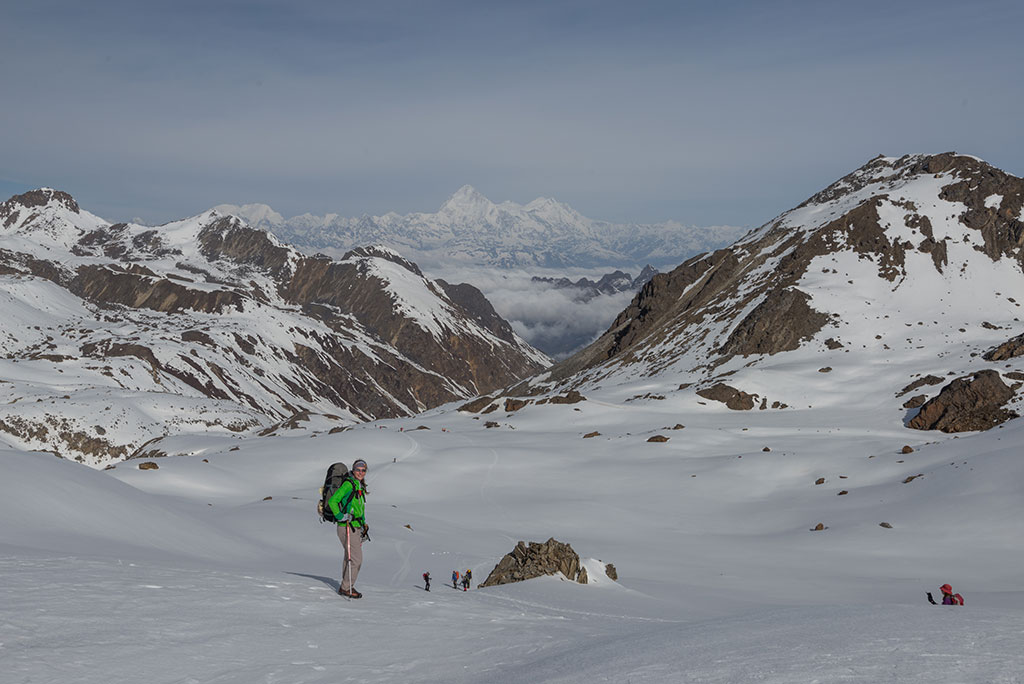
Begin early in the morning to take advantage of favorable weather conditions. The trail climbs steadily through rugged high-altitude terrain toward the pass. The ascent can be demanding due to the steep trail, thin air, cold temperatures, and potentially snowy conditions.
Upon reaching the summit of Lumba Sumba Pass, you will be rewarded with magnificent panoramic views of some of eastern Nepal’s most impressive Himalayan peaks, including Mount Kanchenjunga, Mount Makalu, Jannu (Kumbhakarna), and Yalung Kang.
After spending time at the pass and enjoying the spectacular scenery, begin the descent toward Charikharka. The trail gradually becomes less demanding as you lose elevation.
Overnight at camp in Charikharka.
Day 11
Trek from Charikharka to Thudam
- Trekking Duration: Approximately 7 hours
- Maximum Elevation: 3,571 m / 11,713 ft
- Meals: Breakfast, Lunch, and Dinner
- Accommodation: Lodge
After breakfast, continue your journey through the remote Himalayan landscape. Leaving the high-altitude grazing areas behind, the trail gradually descends toward the traditional village of Thudam.
Thudam is a small and culturally fascinating settlement inhabited primarily by the Sherpa community. The village provides an excellent opportunity to experience traditional Himalayan architecture, lifestyle, and hospitality.
After approximately seven hours of trekking, arrive in Thudam and enjoy a well-deserved rest at the local lodge.
Overnight at a lodge in Thudam.
Day 12
Trek from Thudam to Yak Kharka
- Trekking Duration: Approximately 6 hours
- Maximum Elevation: 2,877 m / 9,439 ft
- Meals: Breakfast, Lunch, and Dinner
- Accommodation: Camp
After breakfast, continue your trek from Thudam along a scenic trail following the Chujung Khola. The route passes through beautiful bamboo and forested areas, with the landscape gradually becoming greener and more open as you descend.
Today’s trail is relatively gentle compared to the previous high-altitude sections, allowing you to enjoy a more relaxed walk through the peaceful wilderness. After approximately six hours of trekking, arrive at Yak Kharka (2,877 m), a traditional grazing area used by local communities.
Overnight at camp in Yak Kharka.
Day 13
Trek from Yak Kharka to Chyamtang
- Trekking Duration: Approximately 6 hours
- Maximum Elevation: 2,229 m / 7,313 ft
- Meals: Breakfast, Lunch, and Dinner
- Accommodation: Lodge
After breakfast, continue your descent toward Chyamtang. The trail winds through dense rhododendron forests and offers a beautiful transition from the high alpine environment to greener and warmer landscapes.
Along the way, cross the Arun River via a suspension bridge, adding an exciting element to the day’s journey. Continue through the forest and along scenic mountain trails until you reach Chyamtang.
Chyamtang is a culturally diverse village inhabited by Bhote, Rai, and Tibetan communities, providing an excellent opportunity to experience the traditions and lifestyle of eastern Nepal.
Overnight at a lodge in Chyamtang.
Day 14
Trek from Chyamtang to Hatiya
- Trekking Duration: Approximately 7 hours
- Maximum Elevation: 1,585 m / 5,200 ft
- Meals: Breakfast, Lunch, and Dinner
- Accommodation: Lodge
Today, enjoy a pleasant descent from Chyamtang toward Hatiya. The trail initially passes through beautiful rhododendron forests before gradually entering warmer and more cultivated landscapes.
As you descend, the vegetation becomes increasingly lush, and you will encounter traditional villages and terraced farmland. Continue through the local settlement of Glimber and walk for approximately another hour before reaching Hatiya.
Hatiya is a peaceful village surrounded by green hills and traditional agricultural landscapes, offering a relaxing atmosphere after the day’s trek.
Overnight at a lodge in Hatiya.
Day 15
Trek from Hatiya to Gola
- Trekking Duration: Approximately 6 hours
- Maximum Elevation: 1,128 m / 3,701 ft
- Meals: Breakfast, Lunch, and Dinner
- Accommodation: Lodge
After breakfast, resume your journey by following the trail along the banks of the Arun River. The route passes through beautiful valleys, lush vegetation, and traditional settlements as you gradually make your way toward the confluence of the Arun and Barun Rivers.
The trail continues through the peaceful river valley before reaching Gola, a small and scenic settlement surrounded by green hills and agricultural land.
After approximately six hours of trekking, settle into the lodge and enjoy a relaxing evening.
Overnight at a lodge in Gola.
Day 16
Trek from Gola to Hedanga Gadi
- Trekking Duration: Approximately 5 hours
- Maximum Elevation: 1,179 m / 3,868 ft
- Meals: Breakfast, Lunch, and Dinner
- Accommodation: Lodge
Today’s relatively short trekking day takes you through fertile agricultural landscapes and traditional villages. After leaving Gola, follow the trail toward Pathibhara, passing through terraced farms and rice fields that reflect the agricultural lifestyle of the local communities.
Continue through the scenic countryside toward Hedanga Gadi, a historically significant settlement in the region. The combination of cultivated hillsides, traditional villages, and surrounding green landscapes makes this a pleasant section of the trek.
Upon arrival at Hedanga Gadi, check into the lodge and enjoy a relaxing evening.
Overnight at a lodge in Hedanga Gadi.
Day 17
Trek from Hedanga Gadi to Num and Drive to Tumlingtar
- Trekking Duration: Approximately 3 hours
- Driving Duration: Approximately 4 hours
- Maximum Elevation: 1,560 m / 5,118 ft
- Meals: Breakfast, Lunch, and Dinner
- Accommodation: Lodge
Today marks the final trekking day of your Lumba Sumba Pass adventure. After breakfast, follow the trail along the banks of the Arun River, enjoying the lush surroundings and beautiful scenery of eastern Nepal.
After several hours of walking, begin the final ascent toward Num, a well-known hill settlement and an important gateway to the Makalu region.
From Num, board a vehicle for the scenic drive to Tumlingtar, which takes approximately four hours depending on road conditions. Upon arrival, check into your lodge and enjoy a well-deserved rest after completing your trekking journey.
Overnight at a lodge in Tumlingtar.
Day 18
Fly from Tumlingtar to Kathmandu
- Flight Duration: Approximately 40 minutes
- Maximum Elevation: 1,400 m / 4,593 ft
- Meals: Breakfast
After breakfast, transfer to Tumlingtar Airport for your morning flight back to Kathmandu. The approximately 40-minute flight offers spectacular aerial views of the eastern Himalayan landscapes, including mountains, green hills, deep river valleys, and winding trails that you explored during your trek.
Upon arrival in Kathmandu, your 18-day Lumba Sumba Pass Trek officially concludes. The journey leaves you with unforgettable memories of remote Himalayan wilderness, diverse cultures, spectacular mountain scenery, and the remarkable achievement of crossing the 5,177-meter Lumba Sumba Pass.
Price includes the following services
- All airport pick-up and drop-off services by private vehicle
- Entry permits for Kanchenjunga Conservation Area and Sagarmatha National Park
- Local government entry fee for rural municipality
- Trekkers’ Information Management system (TIMS) card
- Trekking guide
- Camping crews (Cook, Sherpa, kitchen helper)
- Porters (1 porter carries 25 kilograms of luggage)
- All meals three times a day (breakfast, lunch & dinner)
- Accommodation in tents and some night in lodges
- Required equipments: Tents, mattresses, sleeping bags, down jackets, duffle bags, cooking utensil and trekking poles
- Cooking fuel
- Camping charges
- Flight tickets: Kathmandu – Bhadrapur and Tumlingtar – Kathmandu
- Insurance and equipments for the guides and porters
- First aid kit
- Tax, VAT and our service charge
- Rescue assistance (In case of emergency, we will organize prompt and professional rescue services. To arrange timely evacuation/rescue by helicopter)
- Farewell dinner in Kathmandu with live cultural performance at authentic Nepali restaurant on the last evening
Service Excludes
- Personal nature expenses (Telephone calls, internet, toiletries, battery recharge, hot shower, laundry, soft drinks, beers and any alcoholic beverages)
- Travel insurance
- Tips for involved staffs
- Lunch and dinner in Pokhara
- Meals and hotel accommodation in Kathmandu (even in case of early arrival or late departure, early return from trekking due to any personal reason than the scheduled itinerary)



Please wait…
The Lumba Sumba Pass Trek is a remote and challenging Himalayan adventure in eastern Nepal. It connects the Kanchenjunga and Makalu regions and forms part of the Great Himalayan Trail. The trek offers spectacular mountain scenery, pristine wilderness, diverse cultures, and an opportunity to cross the high Lumba Sumba Pass.
A standard itinerary takes approximately 18 days, including flights, road transportation, trekking days, acclimatization, and the crossing of Lumba Sumba Pass.
The trek is considered challenging because of its remote location, rugged terrain, long walking days, significant elevation gain, and the crossing of a high mountain pass at over 5,000 meters. Previous high-altitude trekking experience and good physical fitness are strongly recommended.
The highest point is Lumba Sumba Pass at approximately 5,177 meters (16,985 feet). The pass-crossing day is one of the most demanding sections of the entire trek and requires proper acclimatization and preparation.
The best seasons are generally spring (March to May) and autumn (September to November). These periods usually offer more stable weather, clearer skies, and better visibility. Pass conditions should always be checked before departure, particularly because snow can affect the route.
The trek provides spectacular views of some of eastern Nepal’s most impressive Himalayan peaks, including Mount Kanchenjunga, Mount Makalu, Jannu (Kumbhakarna), Yalung Kang, and numerous surrounding peaks.
It is not generally recommended for complete beginners. The trek involves remote wilderness, high-altitude terrain, long trekking days, and potentially difficult weather conditions. Trekkers with previous experience at high elevations will generally be better prepared for the challenges.
Yes, a professional guide is highly recommended, particularly because the route is remote and navigation can be challenging. A porter can also be extremely helpful in carrying your luggage, allowing you to trek more comfortably and safely.
The required permits depend on the exact route and current regulations. Trekkers generally need permits associated with the Kanchenjunga Conservation Area and Makalu-Barun National Park, along with applicable trekking or restricted-area permits. Your trekking agency should arrange and verify the latest permit requirements before departure.
Accommodation varies according to the section of the trail. In lower settlements, you may stay in local lodges or teahouses, while remote high-altitude sections require camping. Facilities become increasingly basic as you move farther into the wilderness.
Essential equipment includes warm layered clothing, a quality sleeping bag, waterproof trekking boots, trekking poles, a down jacket, waterproof outerwear, gloves, thermal layers, headlamp, water bottles, sun protection, personal medication, and a first-aid kit. Additional high-altitude equipment may be required if snow is present around the pass.
Yes. Since the route reaches above 5,000 meters, altitude sickness is an important consideration. The itinerary includes an acclimatization day at Olangchung Gola, but trekkers should still ascend gradually, stay hydrated, avoid overexertion, and immediately inform their guide if they experience symptoms of altitude sickness.
The route passes through important protected areas that support rich Himalayan biodiversity. Depending on the season and location, trekkers may encounter red pandas, Himalayan black bears, deer, foxes, Himalayan goral, and numerous bird species. Sightings of rare wildlife, such as snow leopards, are possible but uncommon.
The trek passes through communities with diverse ethnic traditions, including Sherpa, Tibetan, Limbu, Rai, and other local communities. Trekkers can experience traditional villages, Buddhist monasteries, local customs, traditional architecture, agricultural practices, and the warm hospitality of mountain communities.
No. The pass can be affected by heavy snowfall, extreme weather, and changing trail conditions, particularly during winter and the monsoon period. The actual pass-crossing should always be based on current weather, snow conditions, and the advice of experienced local guides.
The Lumba Sumba Pass Trek is ideal for adventurous travelers seeking a remote, uncrowded, and authentic Himalayan experience. It combines spectacular views of Kanchenjunga and Makalu, a challenging high-pass crossing, pristine forests, diverse wildlife, traditional mountain communities, and the untouched wilderness of eastern Nepal. For experienced trekkers looking for something beyond Nepal’s popular trekking routes, Lumba Sumba offers an exceptionally rewarding adventure.
There are no reviews yet.