
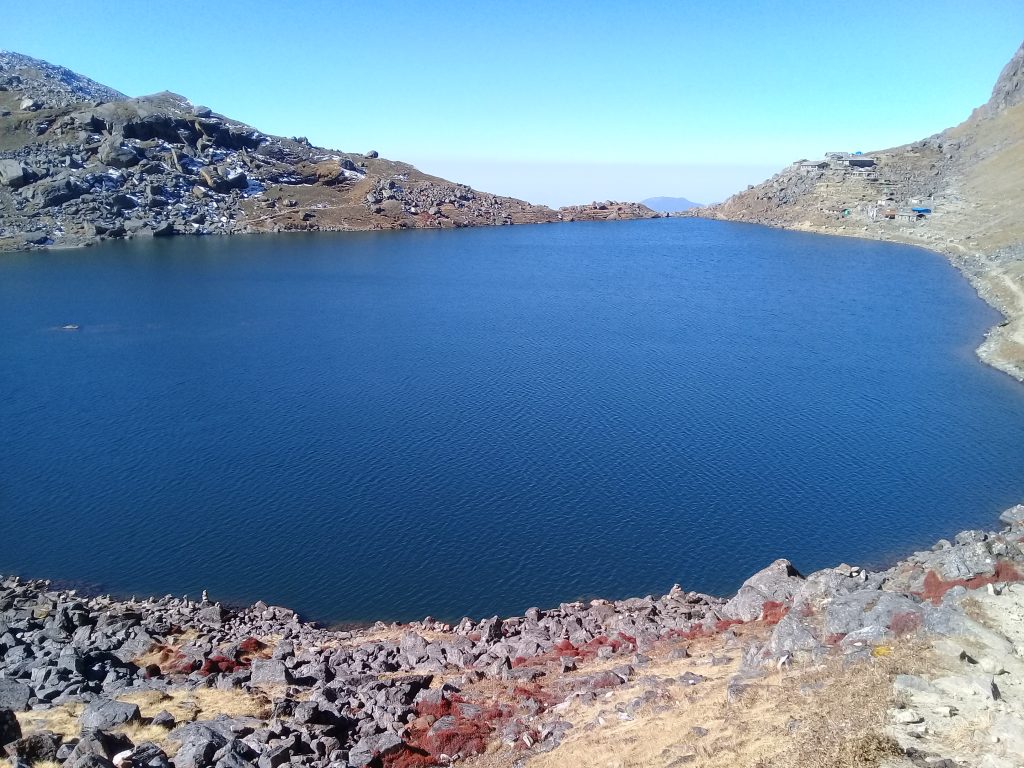
Kanchenjunga North Base Camp Trek
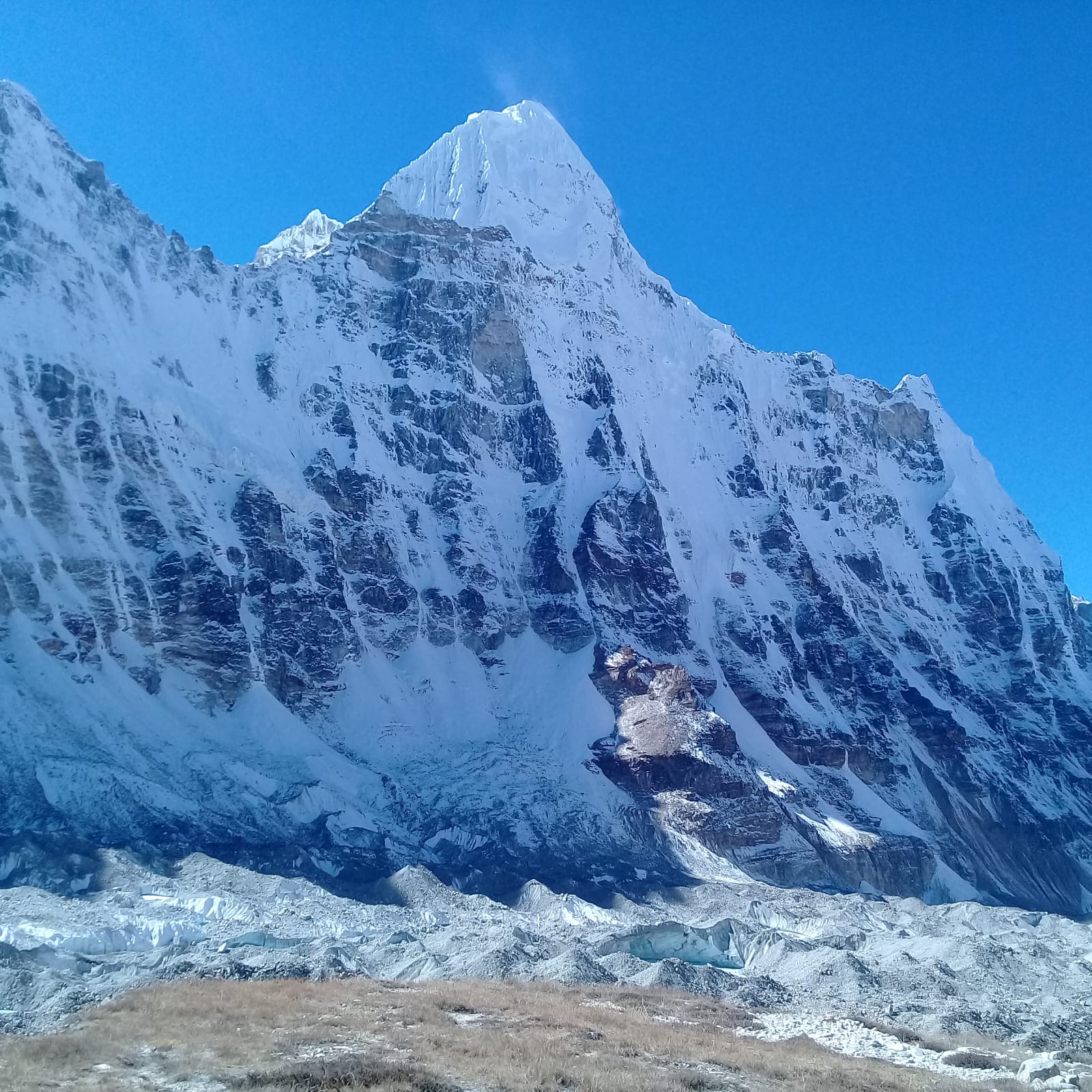
Kanchenjunga North Base Camp Trek
This expedition-style trek takes you through dense forests, remote river valleys, traditional Tibetan villages, glacial landscapes, and vast alpine basins, ultimately reaching Pang Pema (5,143 m) — the North Base Camp of Kanchenjunga, the world’s third-highest mountain.
Keywords
Trip code
WT-CODE 2033
- Overview
- Trip Outline
- Trip Includes
- Trip Excludes
- Gallery
- Reviews
- Booking
- FAQ
The Kanchenjunga North Base Camp Trek is one of Nepal’s most remote, wild, and rewarding high-altitude journeys, leading adventurers deep into the untouched eastern Himalayas. This expedition-style trek takes you through dense forests, remote river valleys, traditional Tibetan villages, glacial landscapes, and vast alpine basins, ultimately reaching Pang Pema (5,143 m) — the North Base Camp of Kanchenjunga, the world’s third-highest mountain.
Unlike commercial trekking routes, this region remains largely untouched by mass tourism, offering a rare sense of isolation, cultural authenticity, and raw Himalayan beauty. The journey blends physical challenge with spiritual serenity, passing monasteries, prayer-flag-lined trails, yak pastures, and high mountain passes. With carefully planned acclimatization days and gradual altitude gain, the trek is designed for safe adaptation and long-term endurance.
This trek is ideal for experienced trekkers, wilderness explorers, photographers, and adventure seekers who want more than just a destination — it is a true Himalayan expedition experience.
This trek is ideal for experienced trekkers, wilderness explorers, photographers, and adventure seekers who want more than just a destination — it is a true Himalayan expedition experience.
Itineraries
Day 1
Arrival in Kathmandu
Upon arrival at Tribhuvan International Airport, you are warmly welcomed and transferred to your hotel. After check-in, you have time to rest and recover from your journey. A short welcome meeting and trek briefing is arranged with your guide. If time permits, you may explore Thamel, Kathmandu’s vibrant tourist district, known for its cafés, cultural atmosphere, and trekking markets.
Day 2
Trek Preparation Day in Kathmandu
This day is dedicated to trek preparation and logistics. You meet your guide for a detailed briefing, equipment check, and permit documentation review. Any last-minute shopping or personal arrangements are completed today. You may also use the time to explore Kathmandu’s cultural landmarks or simply rest before the journey begins.
Day 3
Fly to Bhadrapur, Drive to Taplejung
After breakfast, you fly to Bhadrapur and continue by road toward Taplejung. The long but scenic drive passes tea gardens, river valleys, farmlands, and hill towns, gradually transitioning from the tropical lowlands into cool mountain terrain, offering a beautiful introduction to eastern Nepal’s diverse landscapes.
Day 4
Drive to Sekathum
The journey follows the Tamor River through remote villages, suspension bridges, and forested hillsides. As the terrain becomes more rugged and isolated, the road narrows, signaling your entry into the Kanchenjunga region. Sekathum marks the official gateway to the trekking route.
Day 5
Trek to Amjilosa
The trek begins with dramatic trails, suspension bridges over the Ghunsa Khola, and steep forested paths through narrow gorges. The landscape feels raw and remote, ending in Amjilosa — a quiet settlement surrounded by yak pastures and Himalayan slopes.
Day 6
Trek to Gyabla
The trail ascends through dense forests of bamboo, oak, and rhododendron, with waterfalls cascading down the cliffs. Wildlife sightings are possible along the route. Gyabla lies in open alpine terrain, where yaks graze beneath towering hills.
Day 7
Trek to Ghunsa
Passing through the traditional Tibetan village of Phole, the trail gradually ascends to Ghunsa — the largest settlement in the region. With monasteries, stone houses, prayer flags, and dramatic mountain scenery, Ghunsa becomes both a cultural highlight and a key acclimatisation hub.
Day 8
Acclimatization Day in Ghunsa
A full rest day allows your body to adapt to altitude. Optional short hikes, monastery visits, and exploration of the alpine surroundings help prepare you for higher elevations while enjoying the peaceful Himalayan environment.
Day 9
Trek to Khambachen
The trail enters the upper alpine zone, where forests fade into rocky valleys and glacial landscapes. The dramatic north face of Mount Jannu dominates the skyline as you approach Khambachen, a remote Himalayan settlement beneath towering peaks.
Day 10
Acclimatization Day in Khambachen
This day is dedicated to altitude adaptation. Optional hikes to nearby ridges provide panoramic views of glaciers and surrounding Himalayan giants, strengthening your readiness for extreme altitude.
Day 11
Trek to Lhonak
The route follows glacial streams and moraine valleys into high-altitude wilderness. Lhonak sits in a vast, windswept basin surrounded by massive snow-covered peaks, creating one of the most dramatic high camps in the Himalayas.
Day 12
Hike to Kanchenjunga North Base Camp (Pang Pema)
This is the spiritual and visual climax of the trek. You hike to Pang Pema, the North Base Camp of Kanchenjunga, standing face-to-face with the world’s third-highest mountain. Surrounded by glaciers, prayer flags, and towering Himalayan walls, the setting is both powerful and humbling. After spending time at base camp, you return to Lhonak.
Day 13
Trek from Lhonak to Ghunsa
Leaving the high-altitude basin of Lhonak, the trail retraces its path through glacial valleys and alpine terrain. As you descend, the harsh high-altitude environment gradually gives way to more hospitable landscapes. The air becomes richer in oxygen, and the return journey offers new perspectives of the dramatic mountains, glaciers, and valleys you passed on the ascent. By afternoon, you arrive back in Ghunsa, where the warmth of village life and familiar surroundings bring comfort and reflection after days in the high Himalayas.
Day 14
Trek from Ghunsa to Amjilosa
Today’s journey is a long and scenic descent through forests, river crossings, and mountain settlements. The trail winds through rhododendron forests, bamboo groves, and narrow gorges, passing waterfalls and suspension bridges along the way. The change in vegetation and climate is clearly noticeable as you drop in altitude. By evening, you reach Amjilosa, a traditional mountain village known for its honey production and simple Himalayan lifestyle.
Day 15
Trek to Sekathum and Drive to Taplejung
After breakfast, a short trek brings you back to Sekathum, marking the official end of the trekking section of your journey. From here, you continue by vehicle to Taplejung. The transition from remote trails to road travel feels dramatic, symbolizing the shift from wilderness exploration back to civilization. The evening is spent resting and reflecting on the extraordinary journey through the Kanchenjunga region.
Day 16
Drive from Taplejung to Bhadrapur
The journey descends from the Himalayan hills to the lowland plains of eastern Nepal. This long but scenic drive passes terraced farmlands, rivers, forests, and growing towns, highlighting Nepal’s remarkable geographical diversity—from alpine mountains to subtropical lowlands in a single day. By evening, you arrive in Bhadrapur for overnight stay.
Day 17
Fly from Bhadrapur to Kathmandu
After breakfast, you board a short scenic flight back to Kathmandu. Upon arrival, you are transferred to your hotel. The rest of the day is free for relaxation, shopping, or quiet celebration of your successful Himalayan expedition. This is a time to reflect on the physical challenge, natural beauty, and cultural richness of one of the most remote treks in Nepal.
Day 18
Final Departure
According to your international flight schedule, you are transferred to Tribhuvan International Airport for your onward journey. Your Kanchenjunga North Base Camp Trek concludes, leaving you with lasting memories of a rare Himalayan expedition—defined by wilderness, isolation, culture, and raw mountain beauty.
- Cost Includes
- Complimentary airport pick-up and drop-off
- Complimentary welcome dinner
- Three-night stay on arrival in Kathmandu with breakfast included.
- All necessary trekking permits for Kanchenjunga, TIMS card, etc.
- All accommodations during the trek
- Three meals a day during the trek
- Fresh fruit each day, if and when available
- Complimentary duffel bag, down jacket, and four-season sleeping bag, if needed.
- Government-registered and first-aid-trained professional local guide who speaks English
- First aid kit
- Return flight between Kathmandu and Bhadrapur
- Bhadrapur to Taplejung, Yamphudin to Birtamod/Bhadrapur by a shared jeep ,
- Staff insurance, meals, accommodation, equipment, transportation, etc.
- Rescue arrangements, if necessary
- Agency service charge and government tax (VAT)
- Cost Excludes
- International airfare and Nepal visa fee
- Lunch and dinner in Kathmandu
- Porters to carry your backpacks (We provide porters on request.
- Personal insurance, personal expenses, loss of property, theft, etc.
- Sightseeing fees in the city. (temples, monasteries, etc.)
- All beverages, snacks, and additional expenses such as laundry, hot showers, battery charging, wifi, etc.
- Additional cost due to natural calamities and unforeseen circumstances
- Tips for staff
No. This trek is designed for experienced trekkers. It involves long trekking days, extreme remoteness, high altitudes above 5,000 meters, and limited infrastructure. Prior high-altitude trekking experience and good physical fitness are essential for safety and enjoyment.
The best seasons are spring (March–May) and autumn (September–November). These periods offer stable weather, clear mountain views, and safer trail conditions. Winter is extremely cold with heavy snowfall, and the monsoon season brings landslides and poor visibility.
Acclimatization is well-managed through planned rest days in key locations such as Ghunsa, Khambachen, and Lhonak. The itinerary is designed with gradual altitude gain to reduce the risk of altitude sickness. However, due to extreme elevation near Kanchenjunga Base Camp, proper hydration, slow pacing, and good fitness are critical.
Unlike Everest and Annapurna, the Kanchenjunga region is remote, wild, and untouched by mass tourism. It offers true wilderness trekking, fewer trekkers, authentic mountain culture, pristine landscapes, and a genuine expedition experience rather than a commercial trekking route.
There are no reviews yet.