
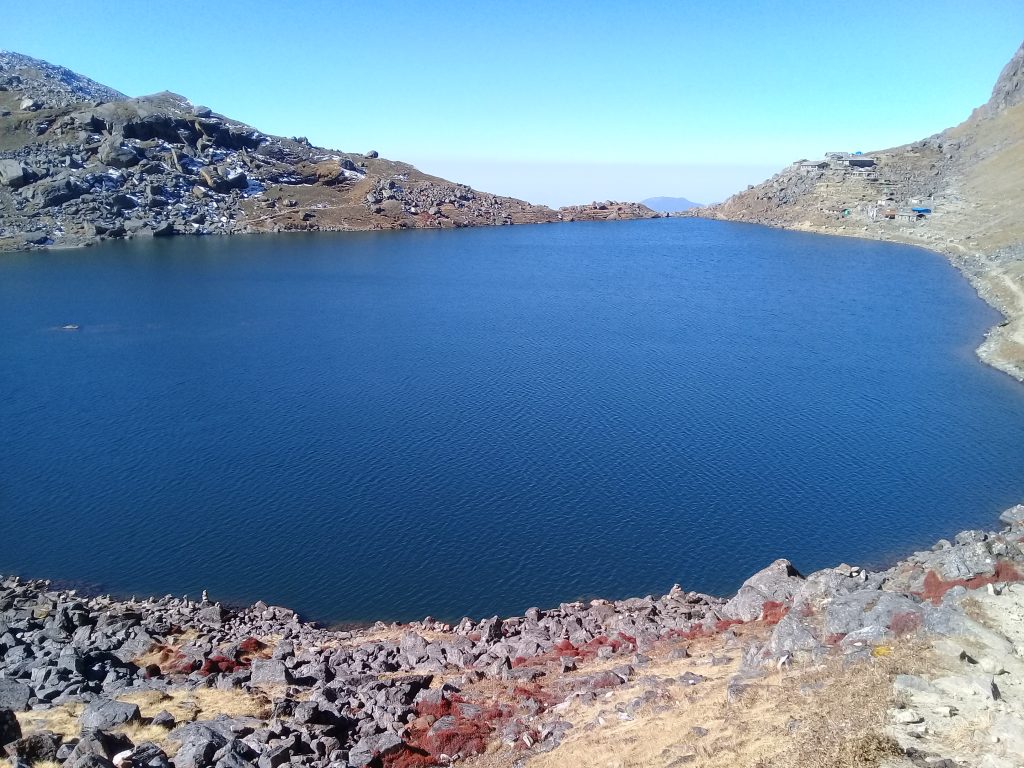
Kanchanjunga North Basecamp with Nango La Pass Olang Chung Gola Trek 21 Days

Kanchanjunga North Basecamp with Nango La Pass Olang Chung Gola Trek 21 Days
Keywords
Trip code
WT-CODE 4086
- Overview
- Trip Outline
- Trip Includes
- Trip Excludes
- Gallery
- Reviews
- Booking
- FAQ
Kanchenjunga Circuit Trek
Explore the Third Tallest Mountain in the World.- Duration = 19 Days
- Difficulty Level = Strenuous
- Activity = Trekking/Hiking
- Max. Altitude = Kanchenjunga Base Camp 5143 meters/ 16873 feet
- Starts = Taplejung
- Ends = Yamphudin
- Group Size = 1-10 People
- Best Season = March to May & September to November
Kanchenjunga with Olangchung Gola Trek – Detailed Overview
The Kanchenjunga with Olangchung Gola Trek is an extraordinary high-altitude adventure into the remote eastern Himalayas of Nepal. Located in Taplejung District of Koshi Province, the region lies close to the borders of India and Tibet (China) and offers an exceptional combination of dramatic mountain landscapes, pristine forests, glacial valleys, high-altitude terrain, and centuries-old Himalayan culture.


Unlike the more developed trekking regions such as Everest and Annapurna, the Kanchenjunga area remains relatively wild and less commercialized. The trails pass through dense rhododendron, oak, pine, birch and juniper forests, traditional villages, alpine meadows, rugged mountain passes, glacial valleys and enormous Himalayan landscapes.
The addition of Olangchung Gola makes the journey even more distinctive. Olangchung Gola is a historic Tibetan-influenced settlement situated at approximately 3,200 m in the Tamor Valley. The village has traditionally served as an important trading point between the Himalayan communities of Nepal and Tibet. Its stone houses, ancient monastery, prayer flags, mani walls and traditional way of life provide an opportunity to experience a part of Himalayan culture that has remained remarkably preserved.
Mount Kanchenjunga – The Heart of the Trek
Mount Kanchenjunga, standing at 8,586 metres (28,169 ft), is the third-highest mountain in the world after Mount Everest and K2.
The name Kanchenjunga is generally interpreted from the Tibetan/Sikkimese tradition as “The Five Treasures of the Great Snow.” These five treasures are traditionally associated with gold, silver, gems, grain and holy scriptures.
The mountain massif consists of several major peaks, including:
- Kanchenjunga Main – 8,586 m
- Kanchenjunga West (Yalung Kang) – 8,505 m
- Kanchenjunga Central – 8,482 m
- Kanchenjunga South – 8,494 m
- Kangbachen – 7,903 m
The mountain is revered by local communities, particularly in the Himalayan cultural traditions of the region. The spectacular views of Kanchenjunga become increasingly impressive as trekkers approach the base-camp areas.
What Makes the Kanchenjunga with Olangchung Gola Trek Special?
This trek is special because it combines high Himalayan wilderness, remote villages, cultural heritage and extraordinary mountain scenery in one long-distance adventure.
1. Remote and Less Crowded Himalayan Experience
One of the greatest attractions is its remoteness. Compared with Everest Base Camp or the Annapurna Circuit, the Kanchenjunga trails receive considerably fewer trekkers.
This gives the journey a genuine wilderness character. You can walk for hours through forests, valleys and mountain terrain without encountering large groups of tourists.
2. Spectacular Kanchenjunga Mountain Views
The trek provides opportunities to experience Kanchenjunga from different directions and landscapes.
Depending on the itinerary and permits, trekkers can explore areas associated with both the Kanchenjunga North Base Camp and Kanchenjunga South Base Camp routes.
The northern side provides dramatic views toward Kanchenjunga and surrounding peaks, while the southern approach offers different perspectives of the enormous mountain massif and the Yalung Glacier region.
3. Olangchung Gola – A Historic Himalayan Settlement


Olangchung Gola is arguably one of the highlights that separates this trek from a standard Kanchenjunga itinerary.
The village is inhabited mainly by people of Tibetan cultural heritage and has historically been connected with trans-Himalayan trade. Its location in a remote mountain valley has helped preserve its distinctive architecture and traditional lifestyle.
Visitors can experience:
- Traditional stone-built houses
- Tibetan-influenced Buddhist culture
- Prayer flags and mani walls
- Ancient monasteries
- Traditional Himalayan hospitality
- Mountain trading traditions
- Remote village life
- Dramatic surrounding landscapes
For travelers interested in culture, history and anthropology, Olangchung Gola adds substantial depth to the trekking experience.
The Natural Environment
The Kanchenjunga Conservation Area protects a remarkable diversity of Himalayan ecosystems.
As the trail climbs from lower elevations toward the high mountains, the landscape changes dramatically.
At lower elevations, trekkers encounter subtropical vegetation and agricultural settlements. Higher up, the forests become dominated by rhododendron, oak, pine, birch and other Himalayan species. At still higher elevations, vegetation becomes sparse and eventually gives way to alpine meadows, rocky terrain, glaciers and permanent snow.
The region is also known for its wildlife, including species such as:
- Red panda
- Himalayan black bear
- Himalayan tahr
- Blue sheep
- Musk deer
- Himalayan serow
- Various species of pheasants
- Numerous Himalayan birds
The possibility of encountering wildlife, particularly in the forested sections, adds another dimension to the trek.
Cultural Experience
The Kanchenjunga region is home to several ethnic communities, including Limbu, Sherpa, Rai and Tibetan-influenced Himalayan communities.
The cultural experience changes as the trail enters different valleys and settlements.
You may encounter traditional houses, Buddhist prayer flags, monasteries, chortens, mani walls and local religious practices. In lower settlements, Limbu culture and traditions are particularly significant, while higher settlements increasingly reflect Tibetan Buddhist influences.
Olangchung Gola is particularly important because of its historic connection with Tibetan culture and trans-Himalayan trade.
Trekking Through the Tamor Valley
One of the remarkable geographical features of the journey is the Tamor River valley.
The Tamor is one of Nepal’s major Himalayan rivers, and the trekking route follows or crosses sections of its tributaries and valleys. The river environment creates dramatic landscapes as it cuts through steep mountain terrain.
The contrast between the powerful river below and towering Himalayan peaks above makes sections of the trek particularly scenic.
Kanchenjunga Base Camp Experience
A properly designed Kanchenjunga itinerary may include exploration of the northern and/or southern base-camp areas.
Kanchenjunga North Base Camp
The northern route generally leads toward Pangpema, which is commonly regarded as the northern Kanchenjunga Base Camp viewpoint, at approximately 5,140 m.
Pangpema provides an extraordinary mountain panorama, with Kanchenjunga dominating the skyline.
Kanchenjunga South Base Camp
The southern approach leads toward the Oktang area and the Yalung Glacier region. This side offers another magnificent perspective of the Kanchenjunga massif.
Combining the northern and southern approaches creates a much more comprehensive experience of the mountain, although it requires a longer and more physically demanding itinerary.
Difficulty of the Trek
The Kanchenjunga with Olangchung Gola Trek is considered a challenging trek.
It is significantly more demanding than many popular short treks in Nepal because of:
- Long trekking duration
- Remote terrain
- High elevations
- Steep ascents and descents
- Limited infrastructure
- Variable weather
- Long walking days
- High-altitude passes and valleys
- Limited medical facilities
- Basic accommodation in remote settlements
A typical trekking day may involve approximately 5–8 hours of walking, although some days can be longer depending on the route and altitude.
Previous high-altitude trekking experience is highly recommended.
Altitude and Acclimatization
Altitude is one of the most important considerations on the Kanchenjunga trek.
The journey begins at relatively low elevation and gradually climbs toward elevations above 5,000 metres.
Proper acclimatization days should therefore be incorporated into the itinerary.
A sensible itinerary should allow the body sufficient time to adapt before reaching the highest sections of the trek. Trekkers should also walk at a controlled pace, remain hydrated and pay attention to symptoms associated with altitude sickness.
Best Season for Kanchenjunga with Olangchung Gola
The best seasons are generally:
Spring – March to May
Spring is one of the finest seasons for the Kanchenjunga region.
The weather is generally favorable, mountain visibility can be excellent, and the lower forests become particularly beautiful because of blooming rhododendrons.
March, April and May are especially attractive for trekkers who want a combination of mountain views and colorful landscapes.
Autumn – September to November
Autumn is another excellent season.
The monsoon generally clears the atmosphere, producing crisp mountain views and relatively stable trekking conditions.
October and November are particularly popular for high-altitude trekking in Nepal.
Winter
Winter is possible for experienced trekkers, but the higher sections can become extremely cold and snowy. Some high-altitude sections may become difficult or temporarily inaccessible.
Monsoon
June to August is generally less favorable because of heavy rainfall, muddy trails, landslides, cloud cover and flight/road disruptions.
Permits and Restricted-Area Requirements
The Kanchenjunga region includes areas where special trekking permits and conservation-area permits may be required.
In particular, some northern and eastern sections are designated as restricted areas, so trekkers should arrange the necessary permits through an authorized trekking agency and travel according to the applicable regulations.
Because permit regulations can change, it is important to verify the current requirements before departure.
Accommodation and Food
Accommodation becomes increasingly basic as the trek enters remote areas.
In established villages, trekkers can usually stay in teahouses or lodges. In very remote sections, accommodation facilities may be limited, and camping may be necessary depending on the exact route and current trail infrastructure.
Typical meals include:
- Dal bhat
- Rice and vegetables
- Noodles
- Pasta
- Tibetan bread
- Soups
- Potatoes
- Eggs
- Momos
- Tea and coffee
Dal bhat remains one of the most practical meals because it provides a substantial amount of energy for long trekking days.
Why Choose Kanchenjunga with Olangchung Gola?
The combination is particularly suitable for travelers who want more than simply reaching a famous Himalayan base camp.
It offers:
Adventure: Remote trails, high mountains and demanding terrain.
Wilderness: Large sections of the journey remain relatively untouched and uncrowded.
Culture: Traditional Himalayan villages and Tibetan-influenced communities.
History: Olangchung Gola’s connection with trans-Himalayan trade.
Mountains: Exceptional views of Kanchenjunga and surrounding Himalayan peaks.
Wildlife: The opportunity to explore the Kanchenjunga Conservation Area.
Authenticity: A more traditional Himalayan trekking experience than highly commercialized routes.
Overall Experience
In summary, the Kanchenjunga with Olangchung Gola Trek is not simply a mountain trek; it is a complete Himalayan wilderness, cultural and adventure journey.
The trek takes travelers deep into one of Nepal’s least-developed Himalayan regions, where enormous mountains rise above remote valleys, ancient settlements preserve traditional ways of life, and forests provide habitat for rare Himalayan wildlife.
The inclusion of Olangchung Gola makes the journey particularly distinctive. After experiencing the magnificent landscapes around Kanchenjunga, reaching this historic mountain settlement provides a fascinating cultural dimension to the adventure.
For experienced trekkers seeking remote landscapes, authentic Himalayan culture, fewer crowds, challenging trails and spectacular mountain scenery, Kanchenjunga with Olangchung Gola is one of Nepal’s most rewarding off-the-beaten-path trekking experiences.
The comprehensive day-by-day itinerary for the Kanchenjunga North Base Camp with Olangchung Gola Trek is outlined below. It provides a detailed description of each day’s activities, including trekking routes, walking hours, distances, elevation gains and losses, overnight altitudes, meals, accommodation, acclimatization periods, and the major natural and cultural highlights encountered throughout this remarkable Himalayan adventure.
Itineraries
Day 1
Arrival in Kathmandu and Transfer to the Hotel
- Overnight Altitude: 1,400 meters / 4,593 feet
- Accommodation: 3-Star Hotel
Your Kanchenjunga Circuit Trek begins with a warm welcome at Tribhuvan International Airport in Kathmandu, situated at an elevation of 1,400 meters (4,593 feet). Upon arrival, our representative will meet you at the airport and arrange a comfortable private transfer to your centrally located 3-star hotel.
Once you arrive at the hotel, you can check in, refresh yourself, and relax after your journey. You may also take some time to explore the vibrant surroundings of Kathmandu and experience the fascinating blend of ancient heritage, traditional culture, and modern city life.
The remainder of the day is free for rest and preparation. Your trekking guide will also provide you with important information about the upcoming Kanchenjunga adventure.
Day X
Your Plan
Day 2
Free Day in Kathmandu for Final Trekking Preparation
- Overnight Altitude: 1,400 meters / 4,593 feet
- Meals: Breakfast
- Accommodation: 3-Star Hotel
Today is dedicated to final preparations for your Kanchenjunga Circuit Trek. After breakfast, you will meet your trekking guide and support team for a comprehensive trip briefing.
During the briefing, you will review the trekking itinerary, discuss safety procedures, check your trekking equipment, and make sure that all necessary permits and documents are in order. This is also an excellent opportunity to purchase or rent any last-minute trekking gear you may require.
If time permits, you can explore some of Kathmandu’s cultural landmarks, including Swayambhunath Stupa (Monkey Temple) or Pashupatinath Temple.
In the evening, you will enjoy a traditional Nepali welcome dinner, offering an opportunity to experience authentic local cuisine and culture before beginning your journey toward the remote Kanchenjunga region.
Day 3
Fly from Kathmandu to Bhadrapur and Drive to Phikkal Bazaar
- Flight Duration: Approximately 45 minutes
- Drive Duration: Approximately 3 hours
- Driving Distance: Approximately 52 km
- Overnight Altitude: 1,000 meters / 3,281 feet
- Meals: Breakfast, Lunch and Dinner
- Accommodation: Tea House
After an early breakfast, you will take a scenic flight from Kathmandu to Bhadrapur, located in southeastern Nepal. The approximately 45-minute flight provides aerial views of Nepal’s changing landscapes, from the Kathmandu Valley to the hills and plains of eastern Nepal.
Upon arrival in Bhadrapur, you will continue by private or shared vehicle toward Phikkal Bazaar, traveling approximately 52 km over around three hours.
Phikkal lies in the beautiful Ilam tea-growing region, renowned for its lush tea gardens, mist-covered hills, peaceful surroundings, and picturesque rural landscapes. Often associated with Nepal’s famous tea-producing region, Ilam provides a refreshing introduction to eastern Nepal.
At approximately 1,000 meters (3,281 feet), Phikkal offers a pleasant environment for an overnight stop before continuing deeper into the Kanchenjunga region. You can enjoy the tranquil surroundings and sample locally produced tea while preparing for the journey ahead.
Day 4
Drive from Phikkal Bazaar to Taplejung
- Driving Distance: Approximately 189 km
- Drive Duration: Approximately 8–9 hours
- Overnight Altitude: 1,820 meters / 5,971 feet
- Meals: Breakfast, Lunch and Dinner
- Accommodation: Tea House
Today, you will embark on a scenic overland journey from Phikkal Bazaar to Taplejung, covering approximately 189 km. The drive takes around 8–9 hours by shared jeep and follows winding mountain roads through the beautiful landscapes of eastern Nepal.
Along the way, you will pass through lush hills, tea plantations, terraced farmland, traditional settlements, and forested ridges. The changing scenery provides an excellent introduction to the diverse landscapes and cultures of the region.
Taplejung, situated at 1,820 meters (5,971 feet), is an important gateway to the Kanchenjunga region. It is the last major town where you can make final purchases, organize supplies, and prepare for the increasingly remote sections of the trek.
After arriving in Taplejung, you will check into a local tea house and enjoy a well-deserved evening of rest.
Day 5
Drive from Taplejung to Sekathum and Trek to Lamatar
- Drive Duration: Approximately 4–5 hours
- Overnight Altitude: 1,950 meters / 6,397 feet
- Meals: Breakfast, Lunch and Dinner
- Accommodation: Tea House
Your day begins with a scenic 4–5-hour jeep journey from Taplejung to Sekathum, following rugged mountain roads and sections of the Tamor River valley.
As you travel deeper into the Kanchenjunga region, the landscape gradually becomes more remote and dramatic. You will pass traditional villages, terraced fields, forests, suspension bridges, and small shrines along the route.
After reaching Sekathum, you will have lunch before beginning your first trekking section toward Lamatar. The trail passes through lush forests and crosses suspension bridges over mountain streams, providing your first real taste of the remote wilderness of the Kanchenjunga Conservation Area.
After several hours of walking, you will reach Lamatar at approximately 1,950 meters (6,397 feet), where you will spend the night at a local tea house.
Day 6
Trek from Lamatar to Gyabla
Trekking Distance: Approximately 14 km
- Trekking Duration: Approximately 6–7 hours
- Overnight Altitude: 2,730 meters / 8,957 feet
- Meals: Breakfast, Lunch and Dinner
- Accommodation: Tea House
Today marks a beautiful transition into the deeper wilderness of the Kanchenjunga region. From Lamatar, the trail gradually climbs toward Gyabla, covering approximately 14 km over 6–7 hours.
The route passes through dense forests of rhododendron, oak, and other Himalayan vegetation. You will encounter cascading waterfalls, clear mountain streams, moss-covered rocks, and peaceful forest trails along the way.
As you gain elevation, the landscape gradually becomes more alpine. The peaceful surroundings and absence of large crowds make this section particularly rewarding for trekkers seeking a genuine off-the-beaten-path experience.
You may also encounter various Himalayan bird species and, with luck, signs of wildlife such as Himalayan langurs, deer, or even red pandas in the surrounding forests.
Eventually, you will reach Gyabla, a small mountain settlement surrounded by forested hills. Here, you will enjoy the hospitality of the local communities and spend the night in a comfortable tea house.
Day 7
Trek from Gyabla to Ghunsa
- Trekking Distance: Approximately 10 km
- Trekking Duration: Approximately 5 hours
- Overnight Altitude: 3,595 meters / 11,795 feet
- Meals: Breakfast, Lunch and Dinner
- Accommodation: Tea House
Today, you will trek from Gyabla to Ghunsa, one of the most important settlements along the Kanchenjunga trekking route.
The trail climbs gradually through pine and rhododendron forests while following the Ghunsa Khola upstream. Along the way, you will encounter waterfalls, mountain streams, rocky trails, and increasingly impressive views of the surrounding Himalayan peaks.
You will pass through Phole, a charming Tibetan-influenced settlement known for its Buddhist cultural heritage, traditional houses, prayer flags, and local handicrafts.
From Phole, the trail continues toward Ghunsa. As you approach the village, the surrounding landscape becomes increasingly dramatic, with views toward Mount Jannu (7,710 m) and other impressive peaks.
Ghunsa is a beautiful traditional mountain village inhabited largely by the Ghunsawa Sherpa community. Traditional stone houses, Buddhist prayer flags, and alpine forests create a peaceful Himalayan atmosphere.
You will spend the night at a local tea house and prepare for the higher-altitude sections of the trek.
Day 8
Acclimatization and Exploration Day in Ghunsa
Overnight Altitude: 3,595 meters / 11,795 feet
- Meals: Breakfast, Lunch and Dinner
- Accommodation: Tea House
Today is an important acclimatization day in Ghunsa. Spending an additional night at this altitude allows your body to gradually adapt before you continue toward the higher elevations of Khambachen and Lhonak.
Rather than remaining completely inactive, a short and gentle hike is recommended. You may explore the surrounding ridges, visit the local Ghunsa Gompa, or walk through the village and surrounding forests.
The area offers opportunities to observe traditional Buddhist culture, prayer flags, mani walls, stone houses, and the daily lifestyle of the local mountain communities.
For experienced trekkers looking for a more challenging excursion, optional hikes such as Tongya Viewpoint may be considered, depending on weather, trail conditions, and your physical condition.
The day provides an excellent balance of rest, acclimatization, cultural exploration, and mountain scenery.
In the evening, you will return to your tea house, enjoy dinner, and receive a briefing about the next stage of the journey.
Day 9
Trek from Ghunsa to Khambachen
- Trekking Distance: Approximately 10 km
- Trekking Duration: Approximately 5–6 hours
- Overnight Altitude: 4,050 meters / 13,287 feet
- Meals: Breakfast, Lunch and Dinner
- Accommodation: Tea House
Today, you will leave Ghunsa and ascend toward Khambachen, located at approximately 4,050 meters (13,287 feet).
The trail gradually leaves the denser forests behind and enters a more rugged alpine environment. As you climb higher, vegetation becomes increasingly sparse and the surrounding mountains become more imposing.
The route follows the valley and passes through rocky terrain, mountain streams, and sections of glacial landscape. One of the major highlights of this section is the increasingly impressive view of Mount Jannu (7,710 m), also known as Kumbhakarna.
The surrounding wilderness provides opportunities to observe Himalayan wildlife, including blue sheep and Himalayan thar. Although sightings are rare, the remote landscape is also known to provide habitat for elusive species such as the snow leopard.
After approximately 5–6 hours of trekking, you will arrive at Khambachen, a remote settlement surrounded by towering Himalayan peaks. You will check into a local tea house and enjoy a warm meal before resting for the night.
Day 10
Second Acclimatization and Exploration Day in Khambachen
- Overnight Altitude: 4,050 meters / 13,287 feet
- Meals: Breakfast, Lunch and Dinner
- Accommodation: Tea House
Today is your second major acclimatization day, allowing your body to adapt to the challenging altitude of 4,050 meters before ascending toward Lhonak and Pangpema.
Depending on your fitness level, weather conditions, and trail accessibility, you may choose an optional excursion toward Jannu Base Camp or explore the surrounding high-altitude landscapes.
The hike toward Jannu Base Camp is considerably more demanding and involves rocky terrain, glacial debris, and significant elevation gain. Those undertaking the excursion will be rewarded with magnificent views of Mount Jannu and its surrounding glaciers and peaks.
Alternatively, you may choose a shorter and more relaxed exploration around the Khambachen valley and nearby high-altitude lakes.
The primary objective of today’s activities is not simply sightseeing but safe acclimatization. You will return to Khambachen for a warm meal and a restful evening in preparation for the next high-altitude section.
Day 11
Trek from Khambachen to Lhonak
- Trekking Distance: Approximately 9 km
- Trekking Duration: Approximately 4–5 hours
- Overnight Altitude: 4,780 meters / 15,682 feet
- Meals: Breakfast, Lunch and Dinner
- Accommodation: Tea House
Today, you will continue your ascent from Khambachen to Lhonak, one of the highest settlements on the Kanchenjunga North Base Camp route.
The landscape changes dramatically as you enter a high-altitude environment characterized by barren slopes, rocky moraines, glacial valleys, and spectacular snow-covered peaks.
The trail gradually climbs through rugged terrain alongside the Kanchenjunga Glacier system. With increasing altitude, vegetation becomes extremely sparse, emphasizing the raw and remote character of the eastern Himalayas.
The surrounding mountains create an extraordinary backdrop as you approach Lhonak. You may encounter Himalayan blue sheep and other high-altitude wildlife along the route, although wildlife sightings are never guaranteed.
Lhonak, situated at approximately 4,780 meters (15,682 feet), consists of a small number of basic lodges and seasonal settlements. Its remote location and spectacular surroundings make it one of the most memorable overnight stops on the Kanchenjunga trek.
You will enjoy an early dinner and rest well in preparation for the following day’s highlight—the hike to Pangpema, Kanchenjunga North Base Camp.
Day 12
Hike to Kanchenjunga North Base Camp (Pangpema) and Return to Lhonak
- Maximum Altitude: 5,143 meters / 16,873 feet
- Trekking Duration: Approximately 7–9 hours round trip
- Meals: Breakfast, Lunch and Dinner
- Accommodation: Tea House
Today is one of the most important and rewarding days of your Kanchenjunga Circuit Trek as you make the journey to Pangpema, the Kanchenjunga North Base Camp, at approximately 5,143 meters (16,873 feet).
You will begin early from Lhonak and follow a rugged trail through the high-altitude Kanchenjunga Valley. The terrain consists largely of rocky moraine and glacial landscapes, with towering Himalayan peaks dominating the horizon.
As you approach Pangpema, the magnificent panorama becomes increasingly spectacular. The surrounding mountains include Kanchenjunga, Mount Jannu, Nepal Peak, Tent Peak, and numerous other impressive summits.
Reaching Pangpema is a major achievement and one of the defining moments of the trek. You will have time to appreciate the extraordinary mountain panorama, take photographs, and experience the remarkable atmosphere of this remote Himalayan sanctuary.
After spending time at the base camp, you will begin your descent toward Lhonak. Depending on weather conditions, trail circumstances, and accommodation availability, an overnight stay at Pangpema may occasionally be possible; however, this should not be assumed and must be confirmed locally.
You will return to Lhonak for an overnight stay and enjoy a well-earned dinner.
Day 13
Trek from Lhonak to Ghunsa
- Trekking Distance: Approximately 20 km
- Trekking Duration: Approximately 6–7 hours
- Overnight Altitude: 3,595 meters / 11,795 feet
- Meals: Breakfast, Lunch and Dinner
- Accommodation: Tea House
Today, you will retrace your route from Lhonak to Ghunsa, descending from the high-altitude Kanchenjunga Valley.
The approximately 20-kilometer journey involves a significant descent, allowing you to gradually leave the barren glacial landscape behind and return to areas with more vegetation.
As you descend, the air becomes warmer and richer in oxygen, making the walk feel considerably more comfortable than the previous high-altitude sections. You will once again enjoy magnificent views of the Kanchenjunga massif and Mount Jannu from changing perspectives.
The trail eventually leads back through the alpine landscape toward the forests surrounding Ghunsa. You may encounter Himalayan birds and wildlife along the route, while the changing vegetation provides a noticeable contrast to the stark terrain around Lhonak.
Upon reaching Ghunsa, you will return to the familiar comfort of a local tea house and enjoy the warm hospitality of the community. After dinner, you can relax and reflect on the incredible achievement of reaching Kanchenjunga North Base Camp.
Day 14
Trek from Ghunsa to Nango La Camp
Trekking Distance: Approximately 10 km
Trekking Duration: 6–7 hours
Maximum Altitude: 4,160 m / 13,648 ft
Meals: Breakfast, Lunch and Dinner
Accommodation: Tented Camp
Today, you will leave the beautiful village of Ghunsa and begin a challenging ascent toward Nango La Camp, situated at an altitude of 4,160 meters (13,648 feet). The trail gradually becomes steeper and more rugged as you move deeper into the high-altitude wilderness of the Kanchenjunga region.
The route takes you through alpine landscapes, rocky terrain, and increasingly sparse vegetation, with magnificent views of the surrounding Himalayan peaks and valleys. As you gain elevation, the changing landscape provides a remarkable sense of entering a true high-mountain environment.
After approximately 6–7 hours of trekking, you will reach Nango La Camp, where your trekking crew will prepare a comfortable tented campsite. Take time to rest, enjoy the peaceful mountain surroundings, and prepare yourself for the demanding Nango La Pass crossing the following day.
Dinner will be served at the campsite, followed by an overnight stay in a tent beneath the spectacular Himalayan sky.
Day 15
Cross Nango La Pass (4,820 m) and Trek to Yangma Khola
- Trekking Distance: Approximately 11–12 km
- Trekking Duration: 7–8 hours
- Maximum Altitude: 4,820 m / 15,813 ft
- Meals: Breakfast, Lunch and Dinner
- Accommodation: Tented Camp
Today is one of the most challenging and rewarding days of the Kanchenjunga North Base Camp with Olangchung Gola Trek as you cross the spectacular Nango La Pass (4,820 m / 15,813 ft).
You will begin early from Nango La Camp and gradually ascend across rugged high-altitude terrain. The trail becomes increasingly steep and demanding as you approach the pass, requiring a slow and steady pace due to the elevation and challenging conditions.
Upon reaching the summit of Nango La Pass, you will be rewarded with magnificent panoramic views of the surrounding Himalayan peaks, remote valleys, glaciers, and rugged mountain landscapes. Take some time to appreciate this remarkable achievement and capture memorable photographs before beginning the descent.
From the pass, you will continue toward Yangma Khola, following a remote trail through the pristine Himalayan wilderness. After several hours of trekking, you will reach the campsite beside the river, where your trekking crew will prepare your tents and meals.
Enjoy a well-earned dinner and rest peacefully in the tranquil surroundings of Yangma Khola.
Day 16
Trek from Yangma Khola to Olangchung Gola Village
- Trekking Distance: Approximately 12–13 km
- Trekking Duration: 6–7 hours
- Maximum Altitude: Approximately 3,200 m / 10,500 ft
- Meals: Breakfast, Lunch and Dinner
- Accommodation: Tea House
Today, you will continue your journey from Yangma Khola to Olangchung Gola, one of the most culturally significant and remote settlements in eastern Nepal.
After breakfast, you will follow the trail along the river valley, gradually descending through rugged mountain terrain. The landscape begins to change as you move toward lower elevations, with forests, rocky cliffs, cascading streams, and beautiful Himalayan valleys surrounding the trail.
As you approach Olangchung Gola, you will notice the distinctive Tibetan-influenced architecture and traditional lifestyle of the local communities. Olangchung Gola is a historic Himalayan settlement with a rich cultural heritage and a long tradition of trans-Himalayan trade.
After approximately 6–7 hours of trekking, you will arrive at Olangchung Gola Village. Take time to explore the settlement, observe its traditional stone houses, prayer flags, mani walls, and local Buddhist culture.
You will spend the night at a local tea house, enjoying a warm meal and the peaceful atmosphere of this remarkable Himalayan village.
Day 17
Trek from Olangchung Gola to Tartong
- Trekking Distance: Approximately 13–14 km
- Trekking Duration: 6–7 hours
- Maximum Altitude: Approximately 2,900 m / 9,514 ft
- Meals: Breakfast, Lunch and Dinner
- Accommodation: Tea House / Tented Camp
Today, you will begin your descent from Olangchung Gola toward Tartong, gradually leaving the high-altitude landscape behind.
The trail follows the beautiful mountain valley and passes through changing landscapes of forests, rocky slopes, terraced fields, and traditional settlements. As you lose elevation, the vegetation becomes increasingly dense and the surrounding environment feels warmer and more diverse.
The journey provides an excellent opportunity to observe the traditional lifestyle of the remote communities of the Kanchenjunga region. You will encounter traditional houses, cultivated hillsides, suspension bridges, and peaceful mountain scenery along the way.
After approximately 6–7 hours of trekking, you will arrive at Tartong, where you will settle into your accommodation and enjoy a well-deserved dinner. The evening is free to relax and reflect on the extraordinary journey through the high Himalayas.
Day 18
Trek from Tartong to Lelep
- Trekking Distance: Approximately 14–15 km
- Trekking Duration: 6–7 hours
- Maximum Altitude: Approximately 1,860 m / 6,102 ft
- Meals: Breakfast, Lunch and Dinner
- Accommodation: Tea House
Today, you will continue your descent from Tartong to Lelep, following the trail through the scenic lower valleys of the Kanchenjunga region.
The route gradually descends through lush forests, terraced hillsides, traditional villages, and along sections of the river valley. After several days in the high mountains, the increasing vegetation and warmer temperatures provide a refreshing change of scenery.
As you trek toward Lelep, you will have opportunities to observe the everyday lifestyle of local communities, traditional farming practices, and the natural beauty of the surrounding hills.
After approximately 6–7 hours of walking, you will reach Lelep, an important settlement along the Kanchenjunga trekking route. Upon arrival, you can relax at your tea house, enjoy a hearty dinner, and celebrate the completion of another memorable section of your Himalayan adventure.
Day 19
Drive from Lelep to Birtamod by Jeep
Driving Distance: Approximately 250 km
- Driving Duration: Approximately 10–11 hours
- Maximum Altitude: Approximately 1,300 m / 4,265 ft
- Meals: Breakfast, Lunch and Dinner
- Accommodation: Hotel
Today marks the final overland journey of your Kanchenjunga North Base Camp with Olangchung Gola Trek. After breakfast, you will leave Lelep by jeep and begin the scenic drive toward Birtamod, gradually leaving the remote Himalayan landscapes behind.
The journey follows winding mountain roads through picturesque villages, terraced hillsides, lush forests, and river valleys. As you descend toward the lower elevations of eastern Nepal, the landscape gradually changes from rugged mountain terrain to greener hills and subtropical surroundings.
Although the drive is long, it provides a wonderful opportunity to relax after the demanding trekking days and reflect on your unforgettable journey through the Kanchenjunga region and the historic settlement of Olangchung Gola.
After approximately 9–11 hours on the road, you will arrive in Birtamod, a major commercial town in Jhapa District. Upon arrival, you will check into your hotel, enjoy a well-deserved dinner, and relax for the evening.
Day 20
Fly from Bhadrapur to Kathmandu
- Flight Duration: Approximately 45 minutes
- Maximum Altitude: 1,400 m / 4,593 ft
- Meals: Breakfast
- Accommodation: 3-Star Hotel
Today marks the final day of your Kanchenjunga North Base Camp with Olangchung Gola Trek. After breakfast, you will drive from Birtamod to Bhadrapur Airport for your scheduled flight to Kathmandu.
The approximately 45-minute flight offers a final opportunity to enjoy aerial views of the diverse landscapes of eastern Nepal, including the lush lowlands, rolling hills, and, weather permitting, distant Himalayan ranges.
Day 21
Departure
Before you end your trek in Nepal, farewell meeting and drop-off at the airport, or the opportunity to join another of our programs.
Trip Includes
- Complimentary airport pick-up and drop-off
- Three-night stay in Kathmandu with breakfast included.
- Bhadrapur to Sekhathum,/Yasang, Lelep to Birtamod/Bhadrapur by a shared jeep (A private jeep costs $600 in total for round trips)
- Finest possible double-split lodge-to-lodge accommodation throughout the hike.
- Breakfast, day meal, and supper are all included in the full board hike package.
- One incredibly skilled, accommodating, and kind guide and all of the staff’s meals, lodging, and so on.
- One Experienced Porter to carry luggage (20-25kg)
- All the costs of trekking staffs including insurance, wages, and equipment.
- Administrative fees and governmental taxes.
- Trekkers Information Management System (TIMS) and trekking permits.
- All the necessary equipment (Down Jacket, Duffle Bag, Sleeping Bag, Walking pole).
- First-aid supplies include an oxygen meter to check pulse rate.
- Emergency Rescue Arrangement service which will be funded by your travel insurance.
- Seasonal fruits as dessert after dinner.
- Farewell dinner in a typical Nepali kitchen.
Trip Excludes
- Your entrance visa and international travel costs.
- Meals not listed in the “Daily food Inclusions”.
- Personalized hiking kit.
- Traveling insurance.
- Drinks, snacks, water as well as other individual needs and expenses.
- Tips for trekking staff and guide.
- personal expenses such as laundry, phone calls, and internet.
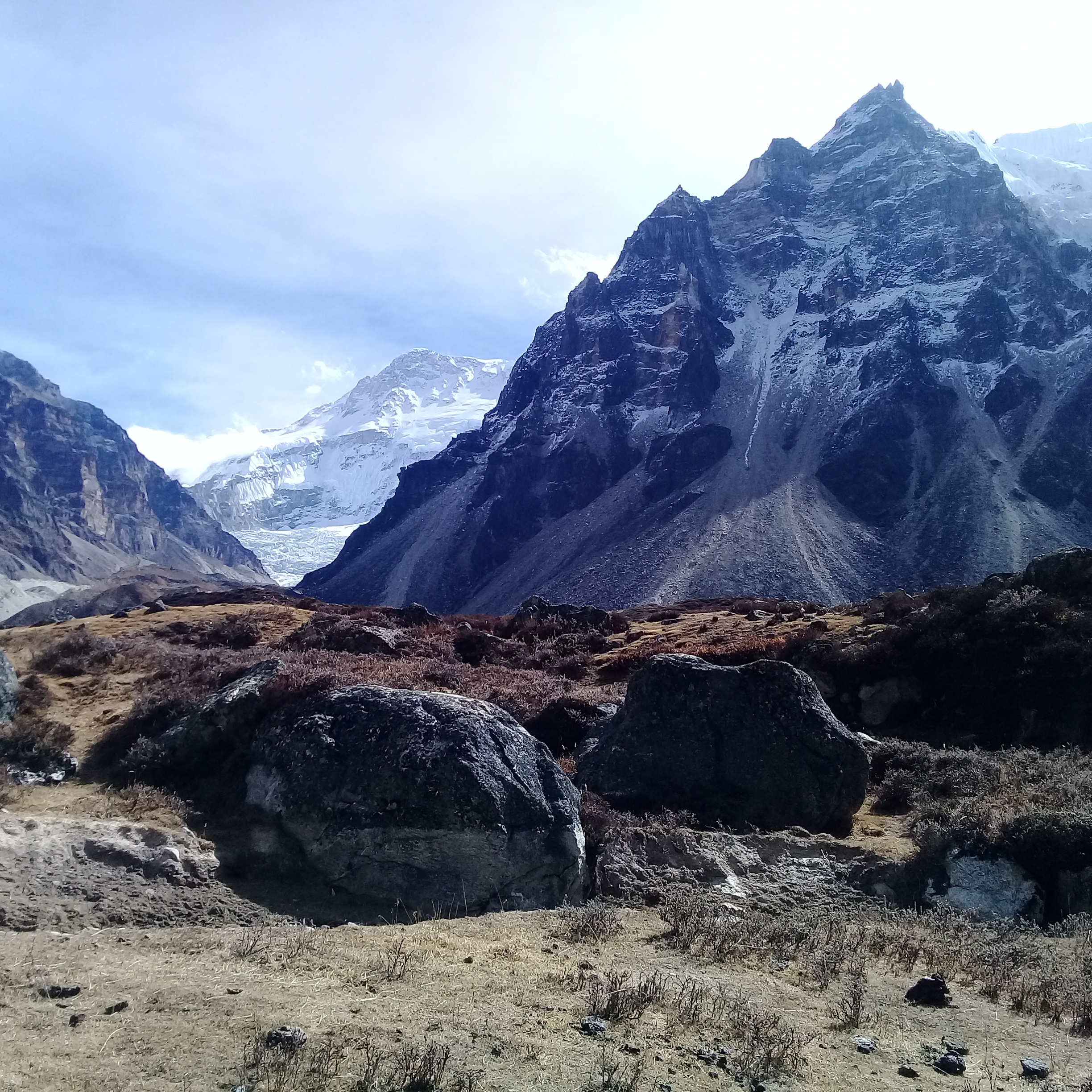
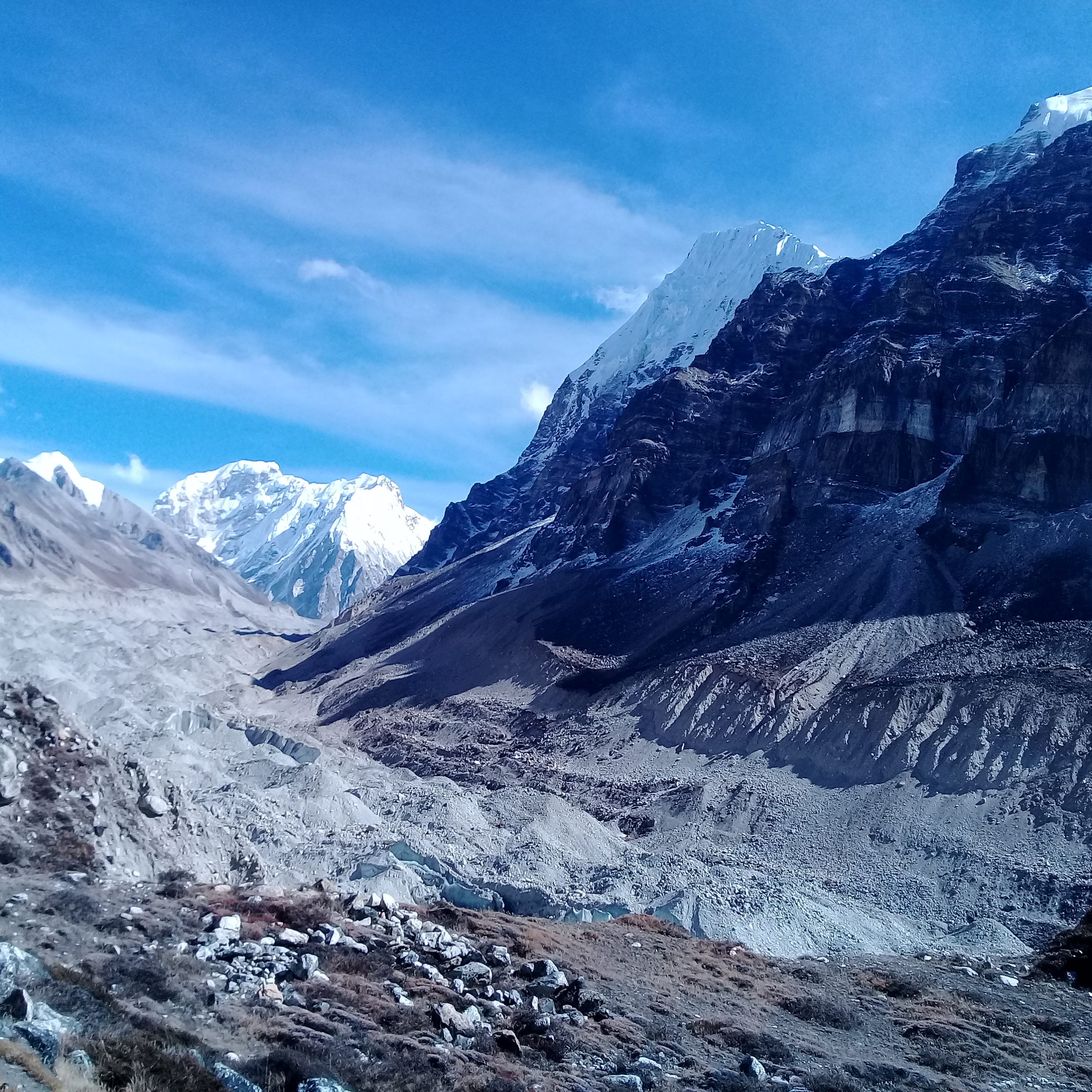
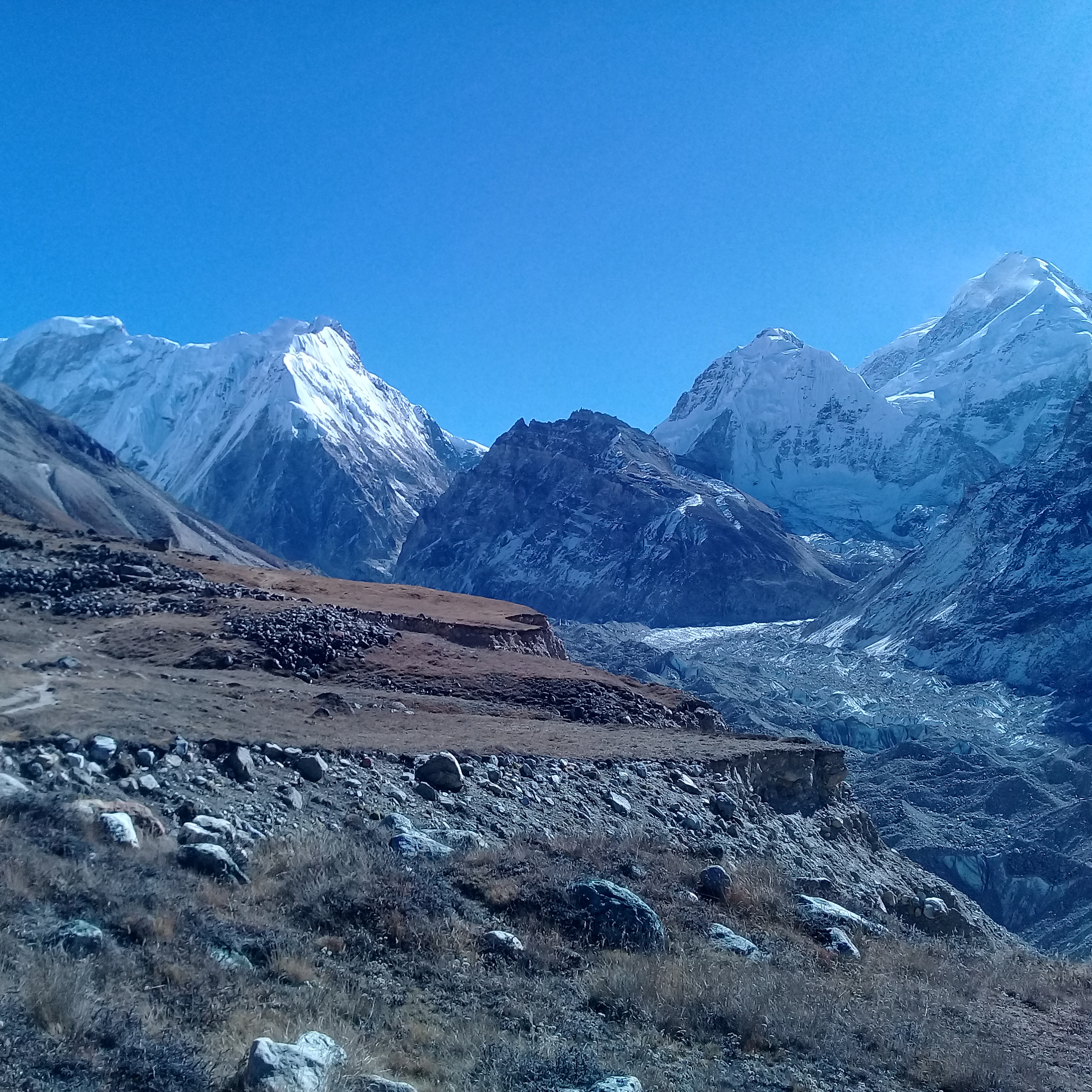
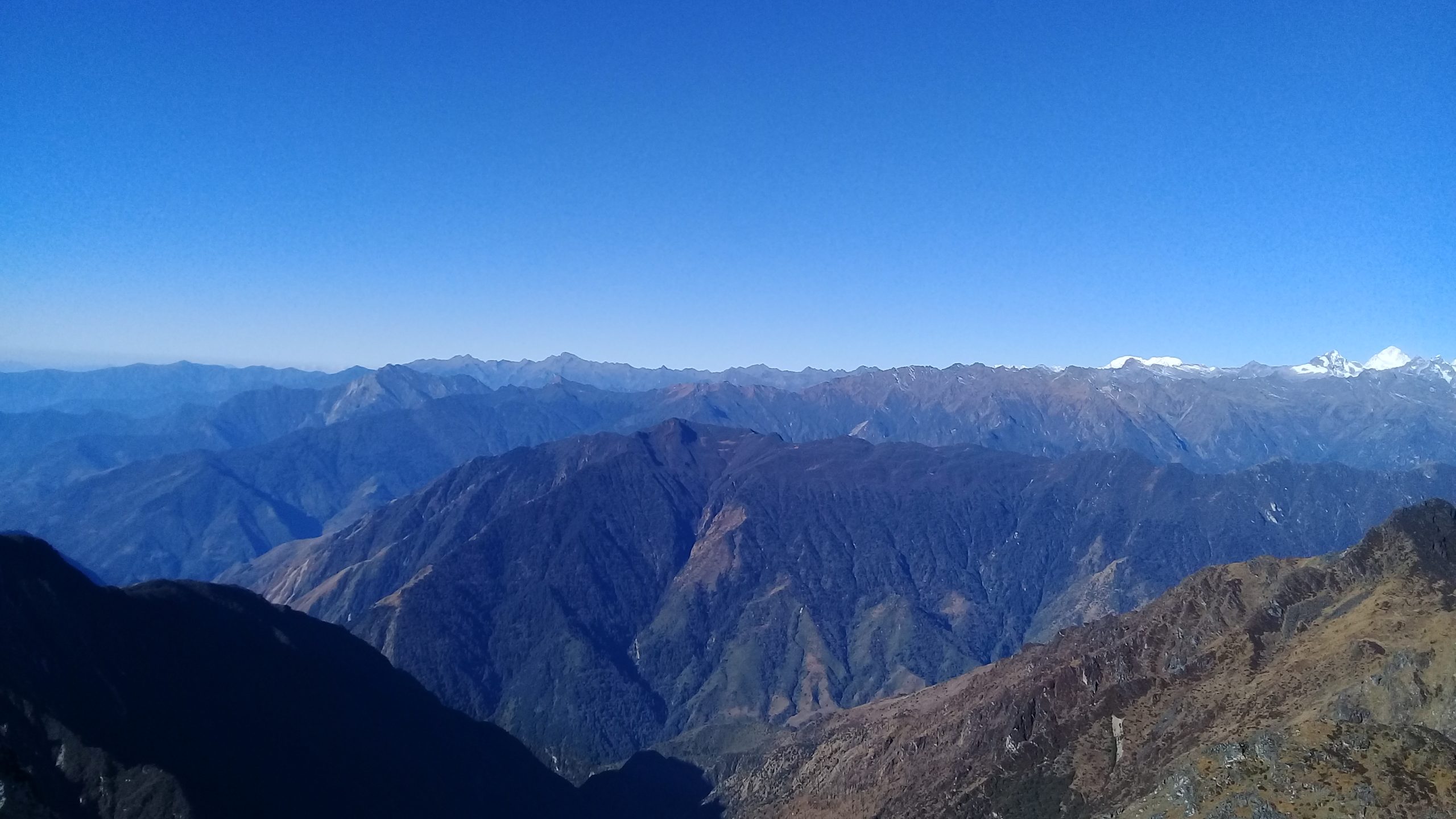
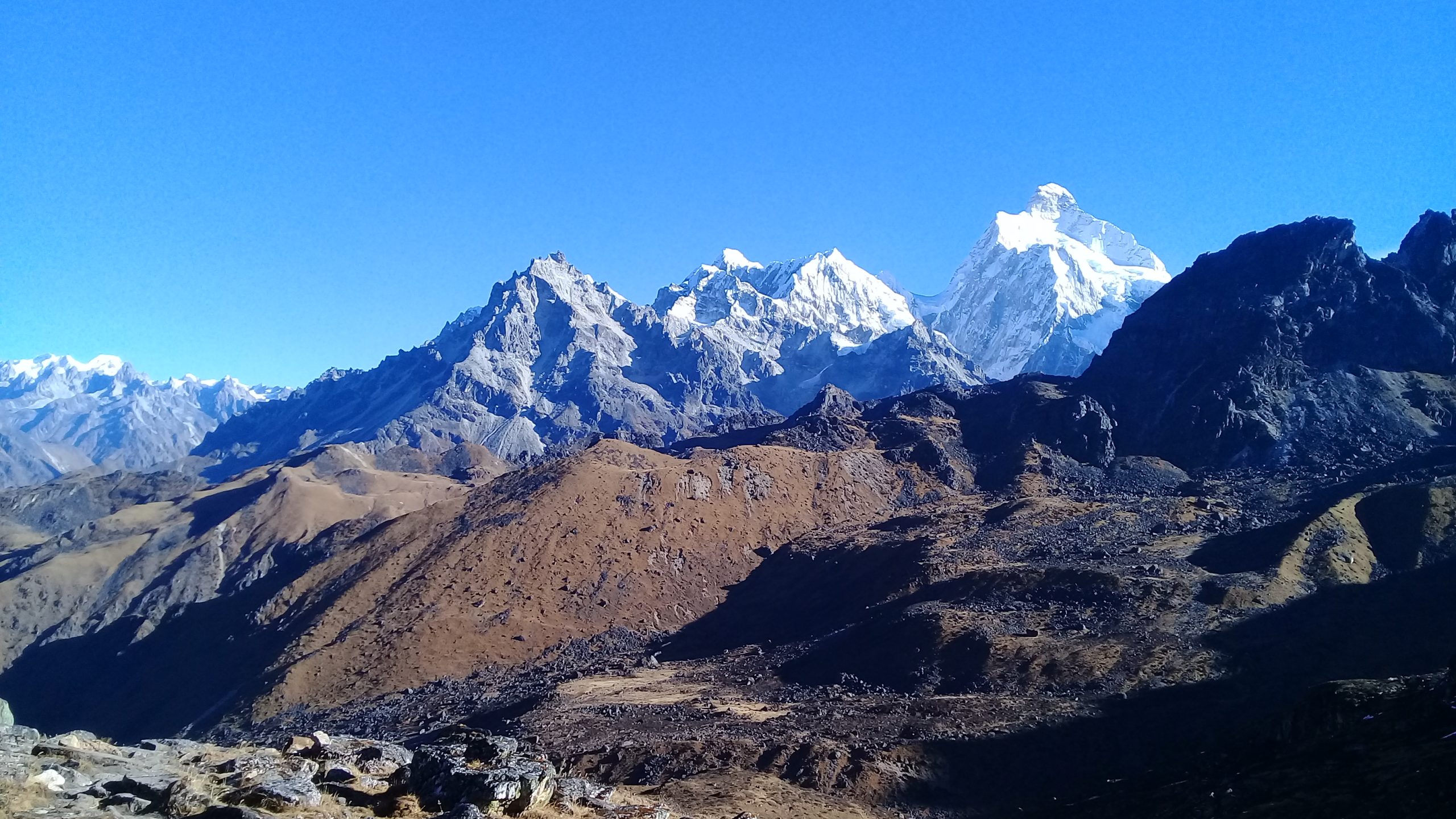
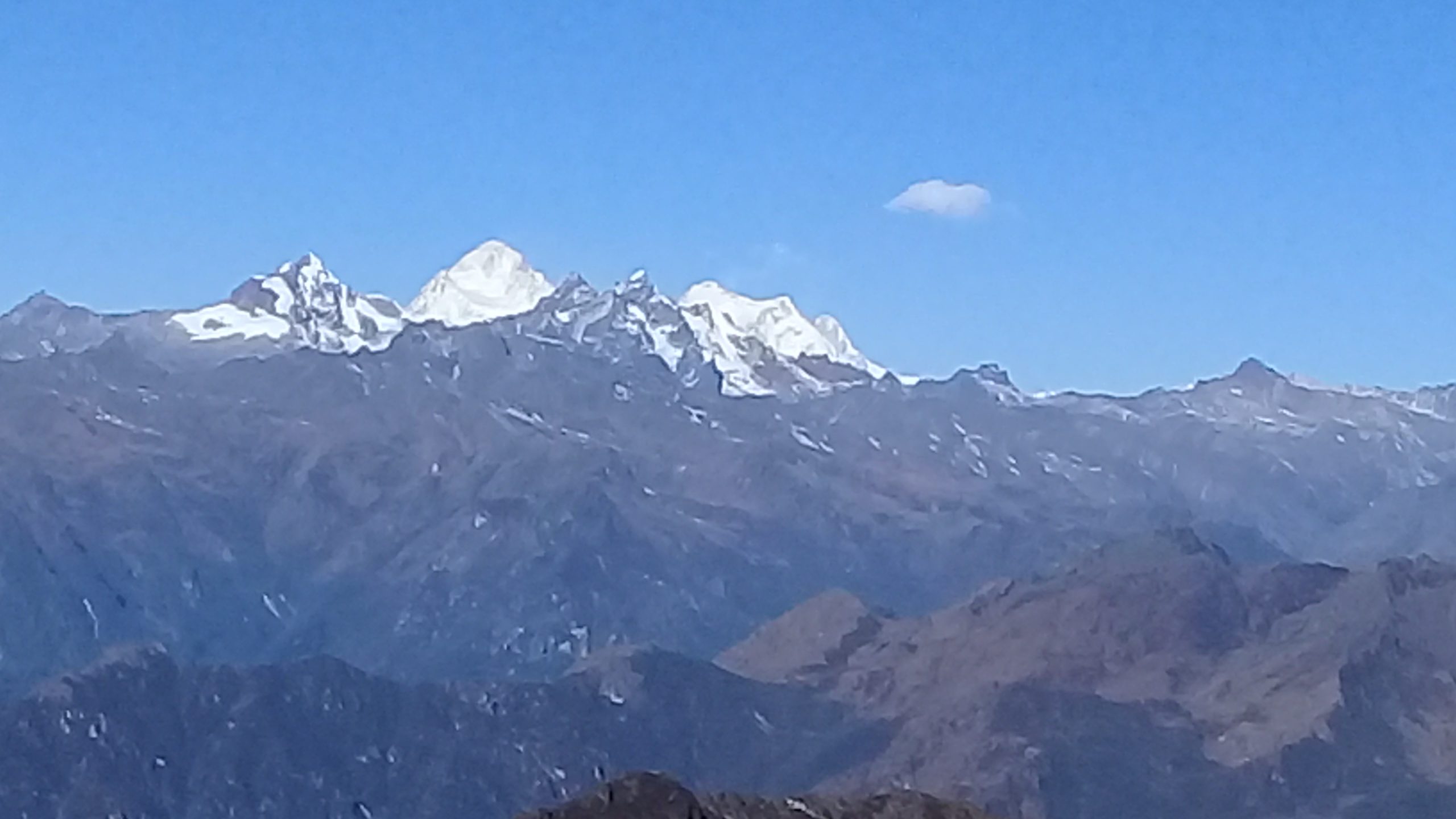
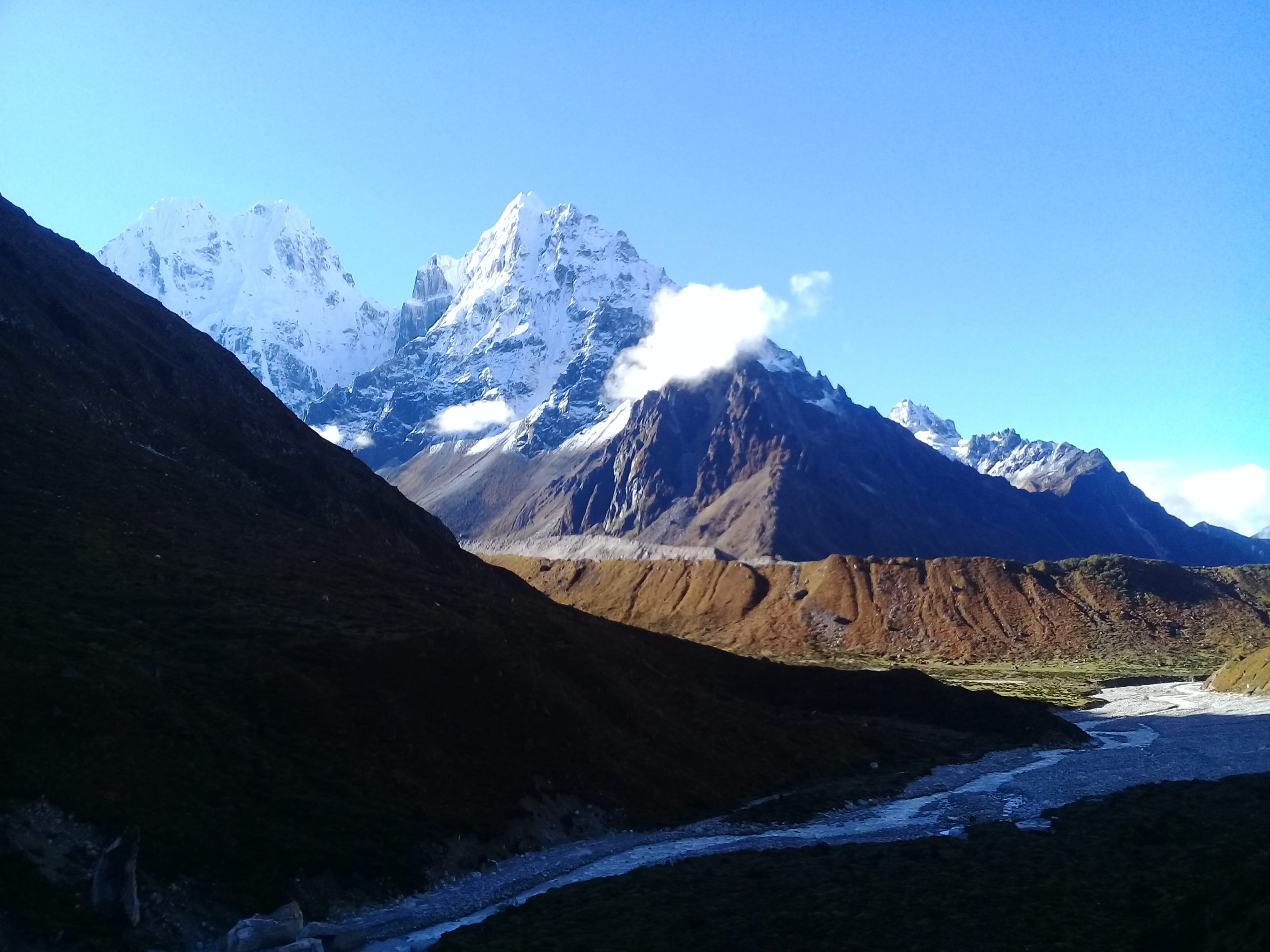
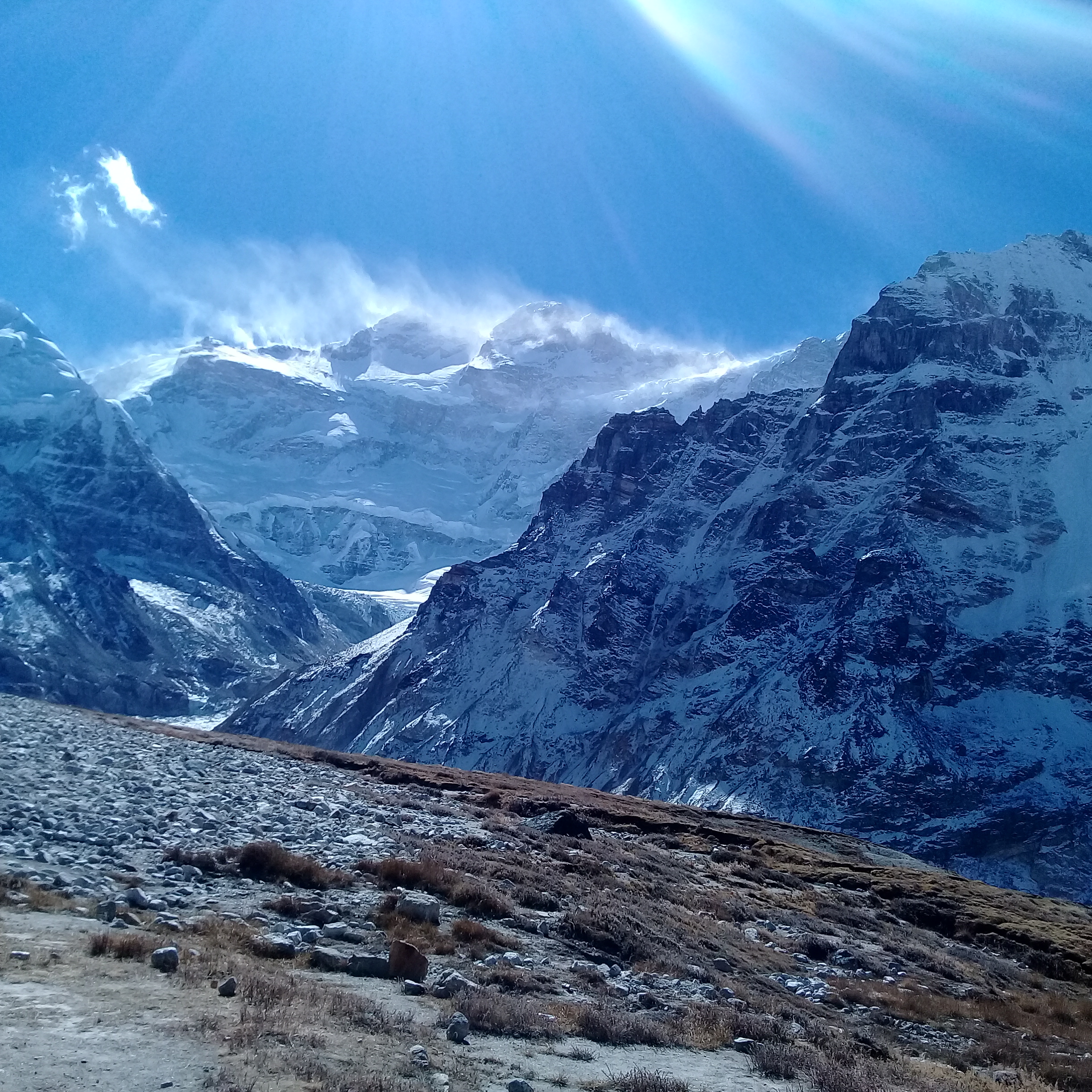
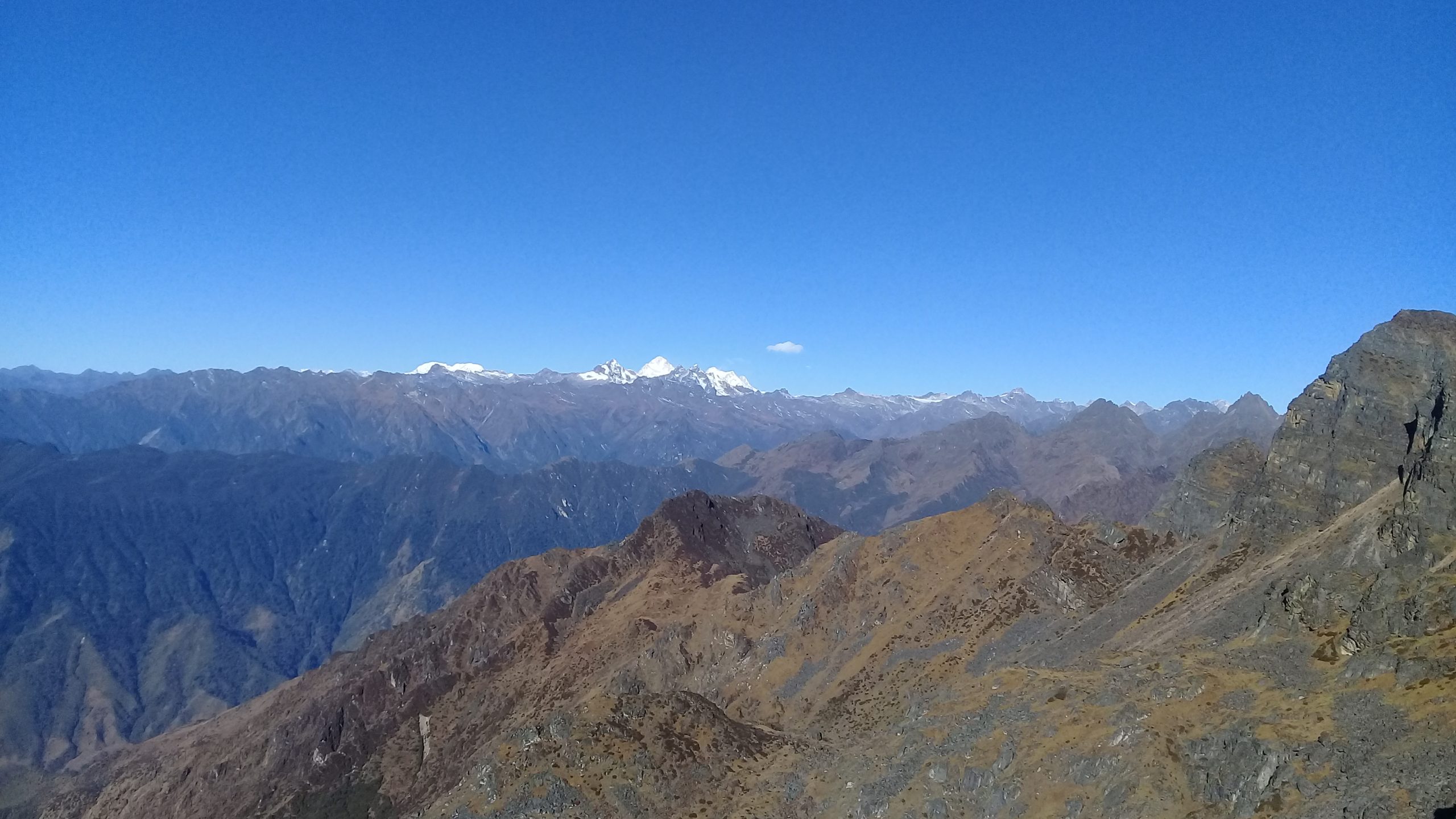
The Kanchenjunga North Base Camp with Nango La Pass and Olangchung Gola Trek is a challenging and remote Himalayan adventure in eastern Nepal. The trek combines the spectacular Kanchenjunga North Base Camp (Pangpema) with the high-altitude crossing of Nango La Pass and a cultural visit to the historic mountain settlement of Olangchung Gola. It offers a remarkable combination of glaciers, high mountain landscapes, traditional villages, Buddhist culture, and pristine wilderness.
This trek is considered challenging to strenuous due to its remote location, long trekking days, high elevations, steep ascents and descents, and the crossing of Nango La Pass at approximately 4,820 meters (15,813 feet). Previous high-altitude trekking experience is highly recommended. Good physical fitness and proper acclimatization are essential for completing the trek safely and comfortably.
The highest point of the trek is Nango La Pass at approximately 4,820 meters (15,813 feet). However, the trek also reaches Pangpema, Kanchenjunga North Base Camp, at approximately 5,143 meters (16,873 feet). Pangpema is therefore the highest overnight or trekking destination, while Nango La is the highest pass crossing on this itinerary.
Kanchenjunga North Base Camp, commonly associated with Pangpema, is located in the remote northeastern part of Nepal within the Kanchenjunga Conservation Area. It lies beneath the enormous Kanchenjunga massif and provides spectacular views of Kanchenjunga and surrounding Himalayan peaks.
Nango La Pass is a remote high-altitude mountain pass in the Kanchenjunga region, situated at approximately 4,820 meters (15,813 feet). Crossing the pass is one of the most challenging and rewarding sections of the trek, offering dramatic views of rugged Himalayan valleys, snow-covered mountains, and remote alpine landscapes.
Olangchung Gola is a historic Himalayan settlement in eastern Nepal known for its Tibetan-influenced culture, traditional stone houses, Buddhist heritage, and historic connection with trans-Himalayan trade. Its remote location and preserved cultural traditions make it one of the most fascinating villages visited during this trek.
A complete itinerary can take around 20 days, including arrival and departure arrangements, transportation, acclimatization days, trekking to Kanchenjunga North Base Camp, crossing Nango La Pass, visiting Olangchung Gola, and returning to the roadhead. The exact duration may vary depending on the route, weather, transportation conditions, and individual trekking pace.
The best seasons are generally spring (March to May) and autumn (September to November). Spring offers pleasant trekking conditions, blooming rhododendrons, and good mountain visibility, while autumn generally provides clear skies, stable weather, and excellent Himalayan views. Winter can bring heavy snow at higher elevations, while the monsoon season may cause rain, landslides, and poor visibility.
The trek is not recommended for complete beginners unless they are exceptionally fit and undertake thorough preparation with professional support. The high altitude, remote terrain, long walking days, and Nango La Pass crossing make this considerably more demanding than popular beginner-friendly treks. Previous experience with multi-day and high-altitude trekking is strongly recommended.
Yes. A licensed trekking guide is strongly recommended and may be required for restricted sections of the Kanchenjunga region. A porter can also be extremely helpful, particularly because of the long duration, remote terrain, and high-altitude sections. A professional trekking team also provides assistance with navigation, accommodation, meals, permits, and emergency arrangements.
Accommodation varies according to the section of the route. In larger villages such as Ghunsa, Khambachen, and Olangchung Gola, basic tea houses or lodges may be available. In more remote areas, including sections around Nango La and Yangma Khola, tented camping may be necessary. Facilities become increasingly basic as you approach the higher elevations.
Meals generally include traditional Nepali and Himalayan dishes such as dal bhat, rice, vegetables, noodles, pasta, potatoes, soups, eggs, Tibetan bread, and momos, along with tea and coffee. In remote camping sections, meals are prepared by the trekking crew. It is advisable to carry some high-energy snacks such as chocolate, nuts, energy bars, and dried fruit.
Proper acclimatization is essential. The itinerary should include adequate acclimatization days at higher elevations, particularly around Ghunsa and Khambachen. Walk slowly, drink sufficient water, avoid excessive alcohol, and listen carefully to your body. Symptoms such as severe headache, dizziness, nausea, unusual fatigue, or breathing difficulties should never be ignored. If symptoms worsen, descending to a lower elevation is the safest response.
The Kanchenjunga region includes a conservation area and restricted trekking zones, so appropriate permits are required. Depending on the exact route, travelers may need a Kanchenjunga Conservation Area permit and a Restricted Area Permit (RAP). Permit requirements and fees can change, so your trekking agency should verify the latest regulations before departure.
The trek provides spectacular views of the Kanchenjunga massif, including Kanchenjunga itself, as well as Mount Jannu (Kumbhakarna), Wedge Peak, Nepal Peak, Tent Peak, and numerous other surrounding Himalayan summits. The views become particularly impressive around Khambachen, Lhonak, and Pangpema.
You should be prepared for a wide range of temperatures and terrain. Essential equipment includes layered clothing, thermal base layers, fleece, a down jacket, waterproof jacket and trousers, trekking boots, warm gloves, a woolen hat, sleeping bag, headlamp, trekking poles, sunglasses, sunscreen, water bottles, personal medicines, and a first-aid kit. For the Nango La Pass and high-altitude sections, proper cold-weather equipment is particularly important.
This trek is ideal for experienced trekkers seeking a remote, authentic, and challenging Himalayan adventure away from the more crowded trekking routes of Nepal. It combines the magnificent landscapes of Kanchenjunga North Base Camp, the demanding Nango La Pass crossing, and the unique cultural heritage of Olangchung Gola in one extraordinary journey. The combination of high-altitude wilderness, glaciers, dramatic mountain views, traditional Himalayan communities, Buddhist culture, and remote trails makes this one of the most rewarding off-the-beaten-path trekking experiences in Nepal.
There are no reviews yet.