
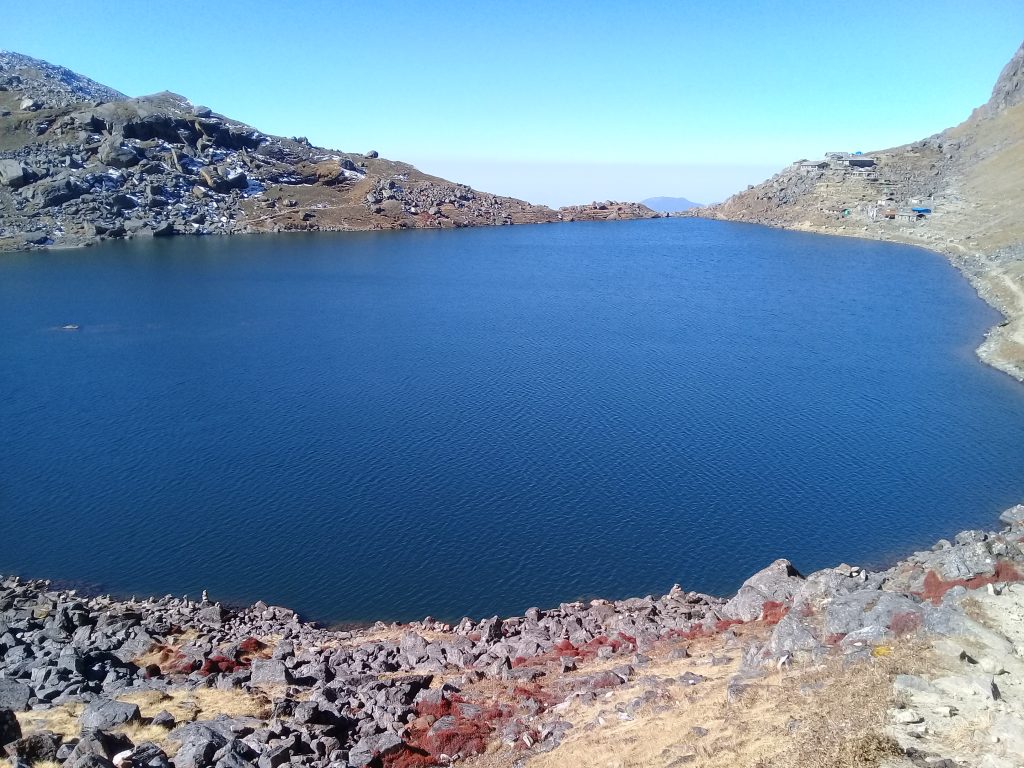
Everest Base Camp Trekking 12 Days
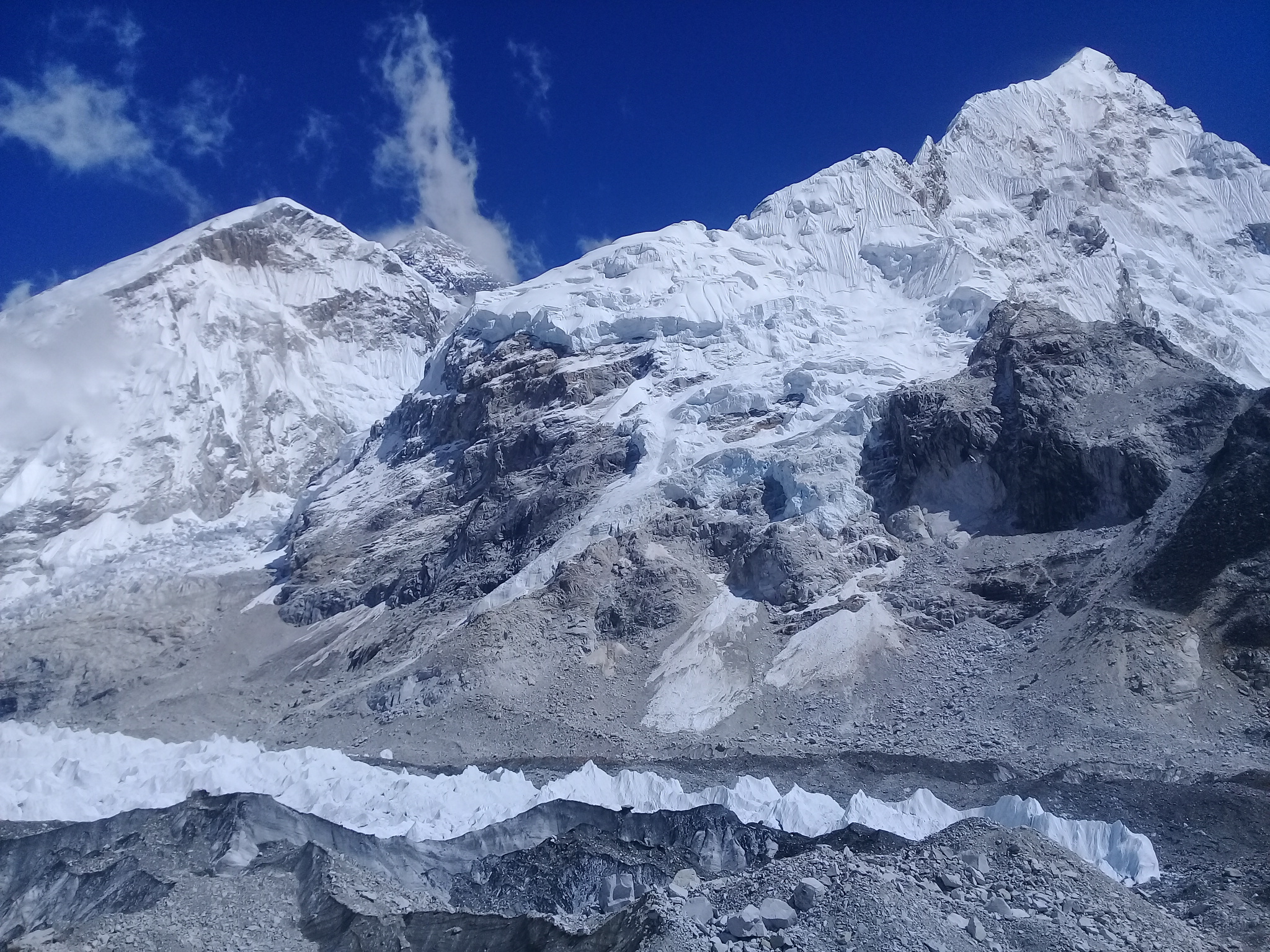
Everest Base Camp Trekking 12 Days
Mount Everest is located in the eastern part of Nepal, on the border between Nepal and China (Tibet). This region is home to Mount Everest and many other mountains that are over 8,000 meters high.
Trip Type
Trip
Locations
Activities
Group Size
Reviews
Keywords
Trip code
WT-CODE 164
- Overview
- Trip Outline
- Trip Includes
- Trip Excludes
- Gallery
- Reviews
- Booking
- FAQ
Mount Everest is located in the eastern part of Nepal, on the border between Nepal and China (Tibet). This region is home to Mount Everest and many other mountains that are over 8,000 meters high. The area is predominantly inhabited by the Sherpa community. According to ancient history, the Sherpa people migrated from Tibet and settled in Nepal. Therefore, Tibetan culture, traditions, and customs can be found throughout this region.
Mount Everest is known by different names:
- Sagarmatha (सगरमाथा) in Nepali – “Forehead of the Sky”
- Chomolungma in Tibetan – “Goddess Mother of the World” Local Sherpa and Tibetan communities have known and revered the mountain for centuries, long before outsiders tried to measure or climb it.
Discovery by the modern world:
- In the 19th century, during British surveys of India, the mountain was measured as part of the Great Trigonometrical Survey.
- In 1856, it was identified as the highest mountain on Earth
- It was named Mount Everest after Sir George Everest, a British surveyor
Early climbing attempts:
- In the 1920s–1930s, British expeditions tried to climb Everest from the Tibet (north) side.
- The most famous early climber was George Mallory
- In 1924, Mallory and Andrew Irvine disappeared near the summit
To this day, it’s unknown whether they reached the top before dying.
First successful ascent (historic moment)- 29 May 1953
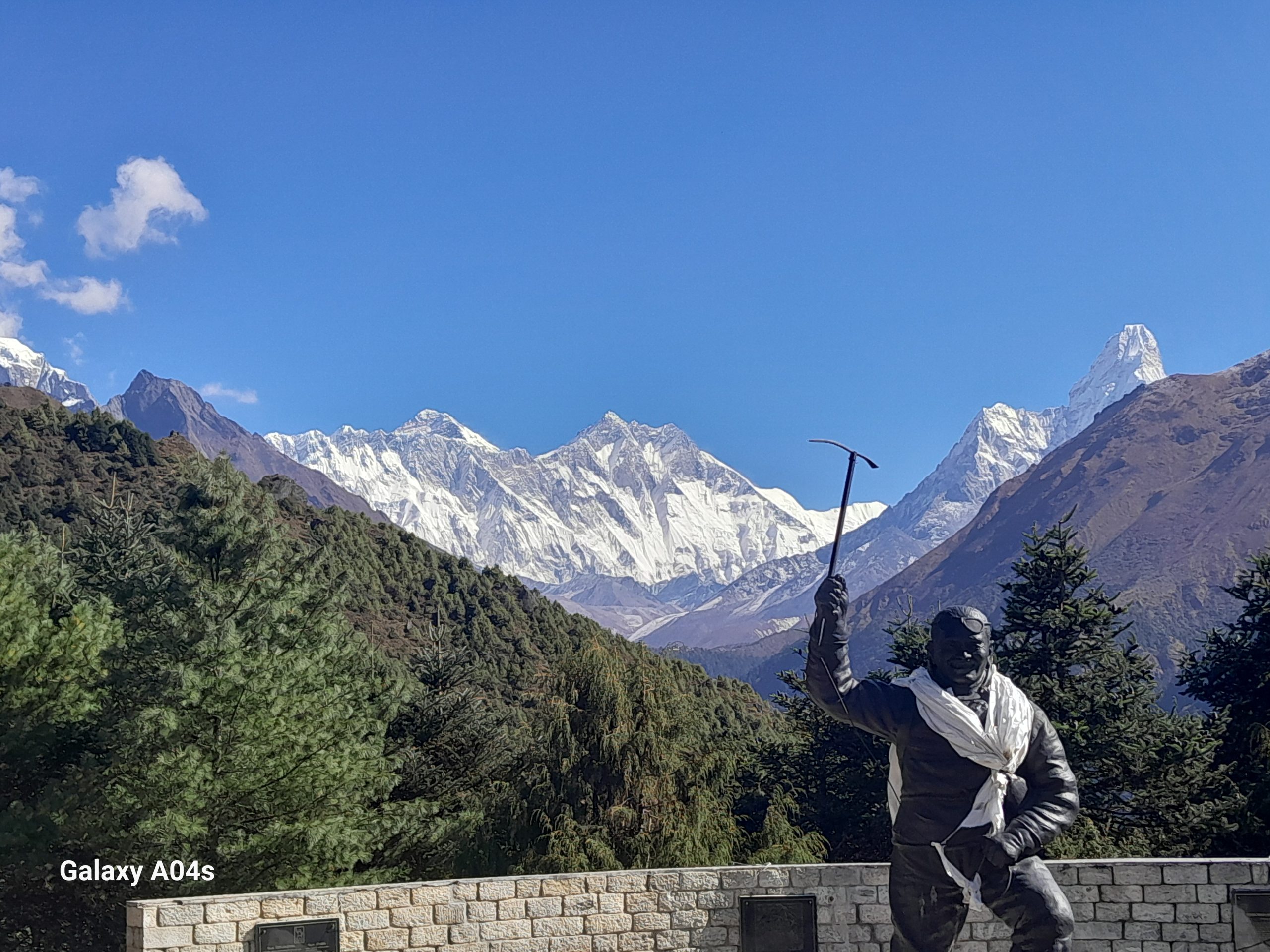
- Sir Edmund Hillary (New Zealand) and Tenzing Norgay Sherpa (Nepal)
- They reached the summit via the South Col route from Nepal
- This was a huge moment in world history and brought global recognition to Nepal and the Sherpa community.
After 1953 – Modern Era
- 1960: First ascent from the north (China/Tibet) side
- 1975: First woman to summit – Junko Tabei (Japan)
- 1978: First ascent without supplemental oxygen
Since the 1990s, Everest trekking and climbing have grown rapidly.
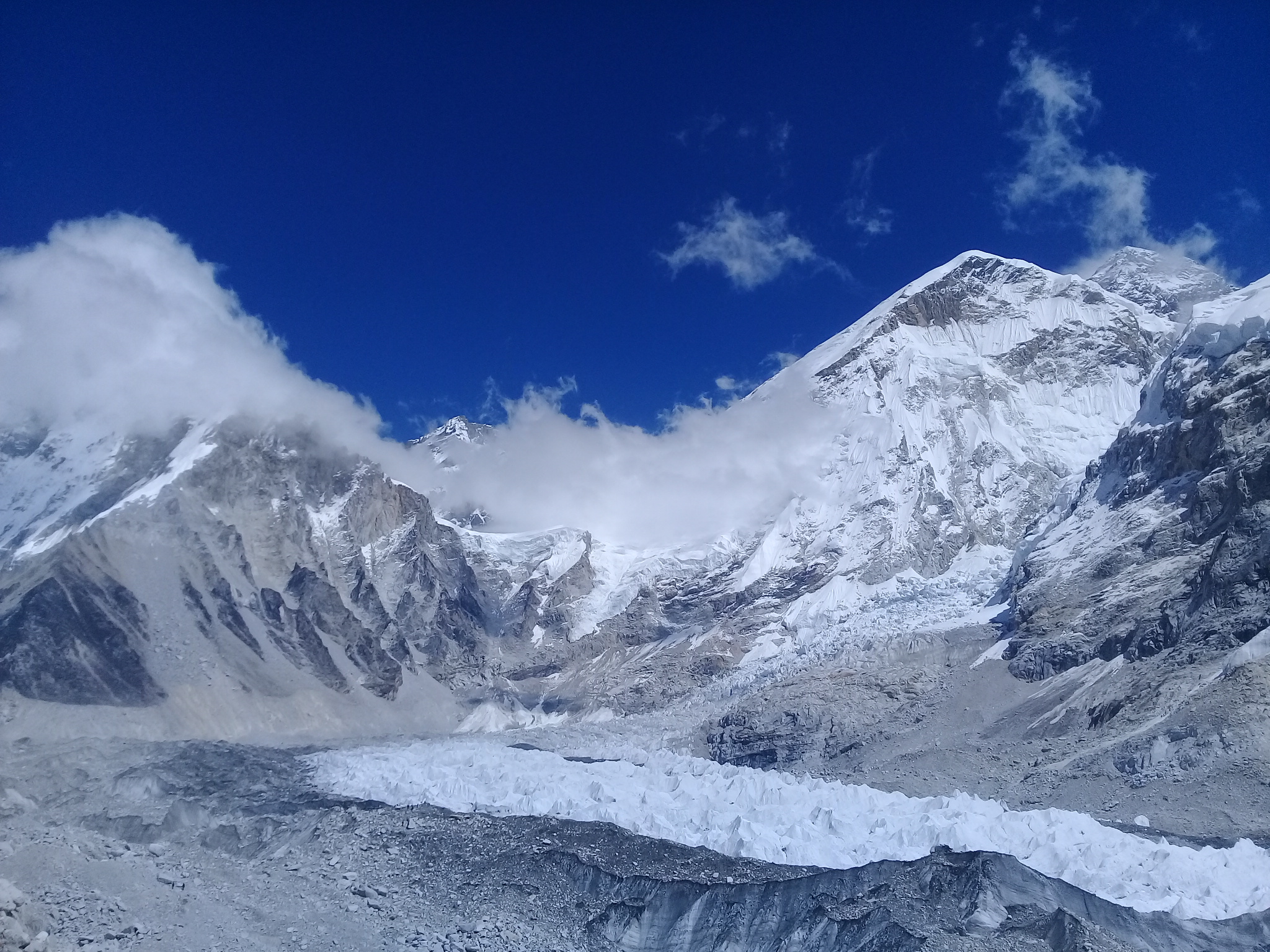
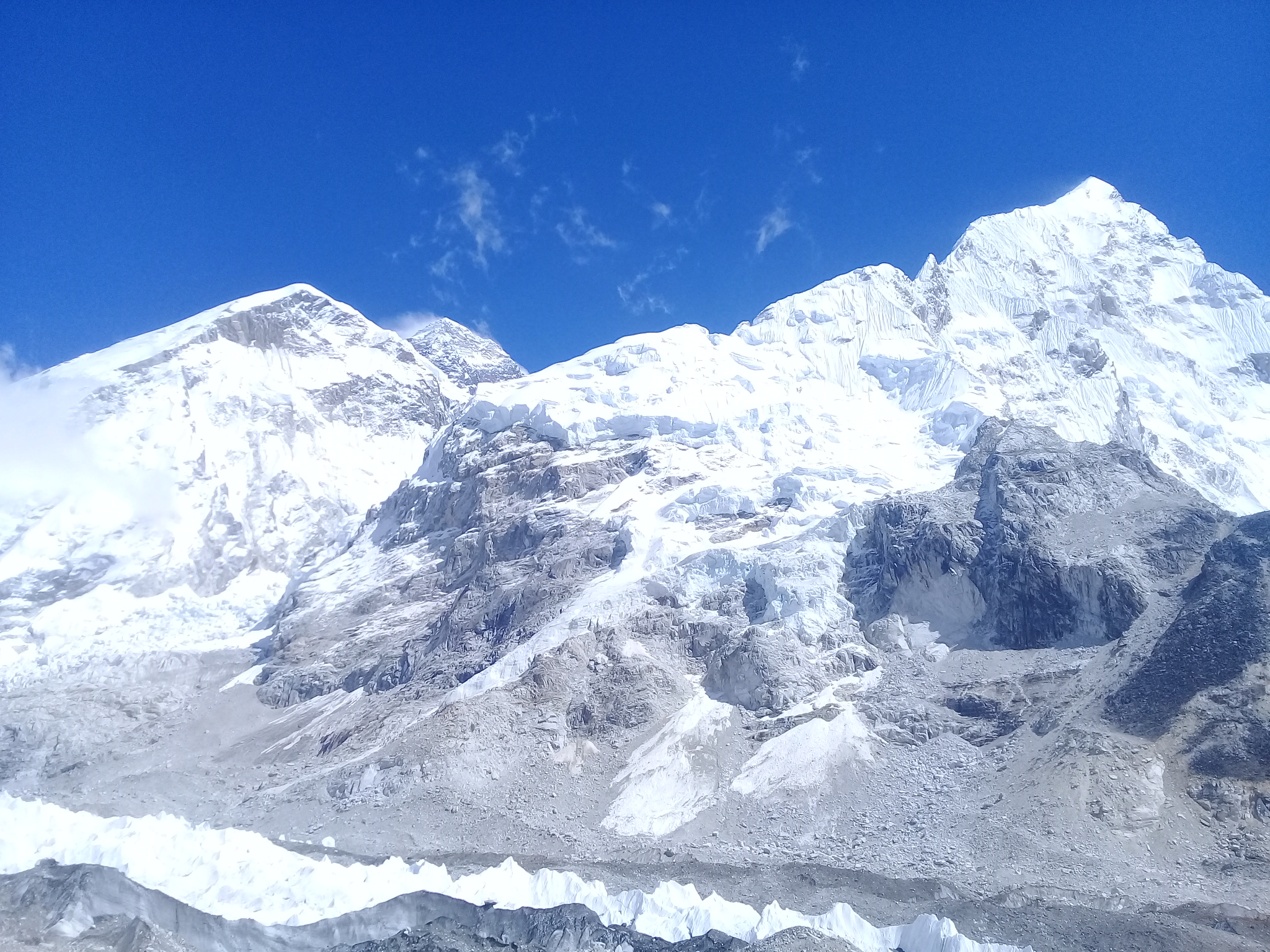
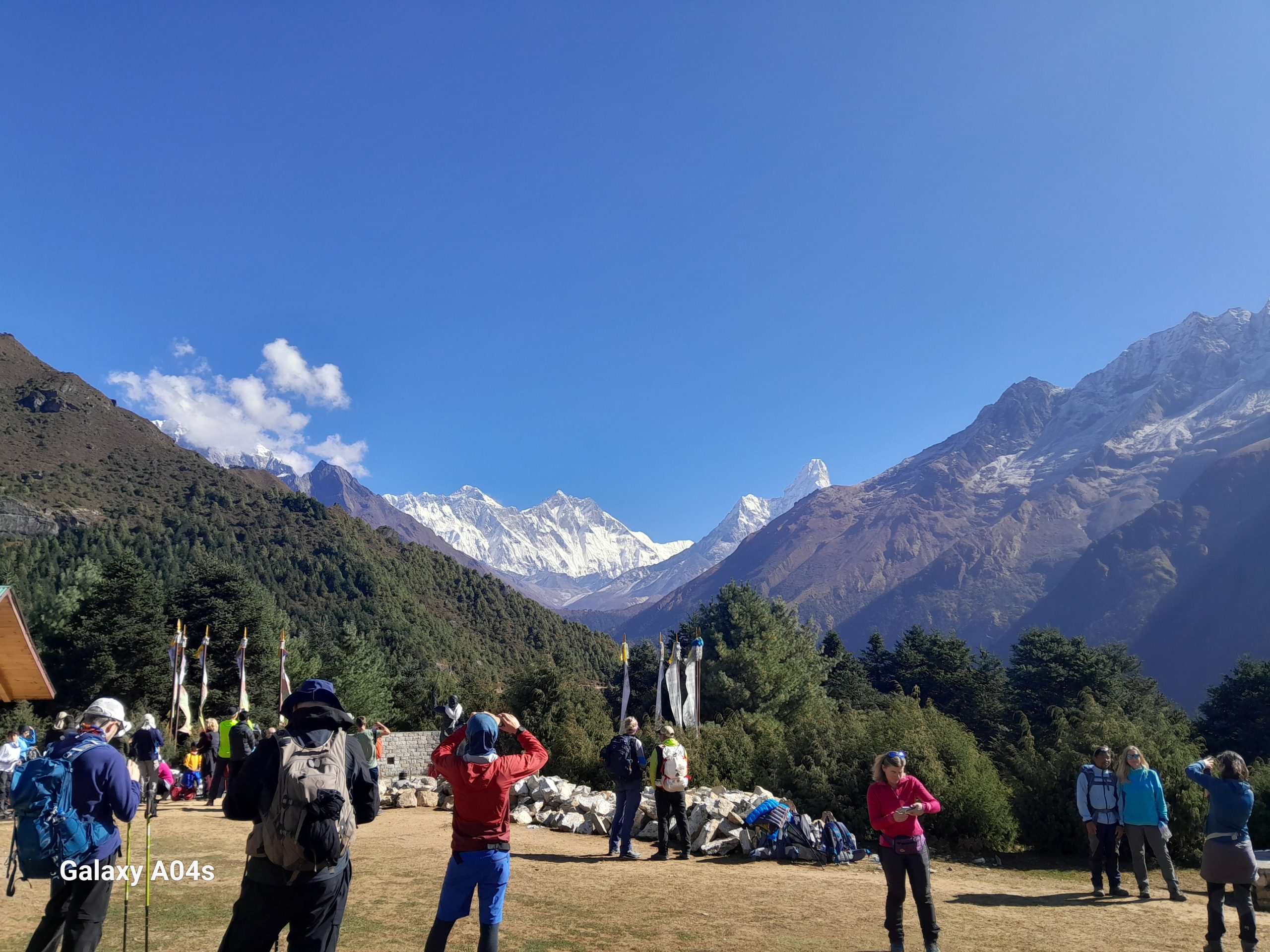
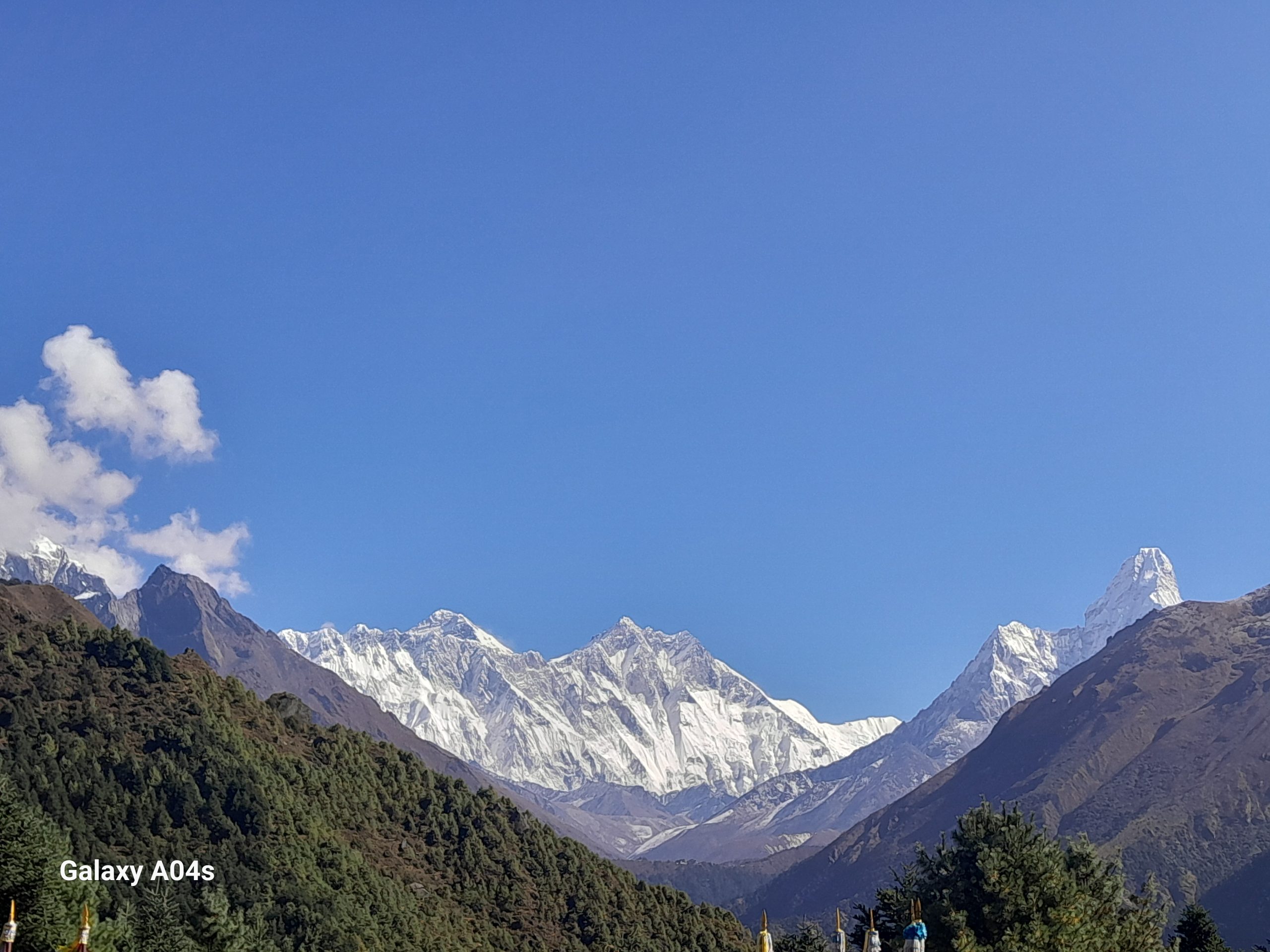
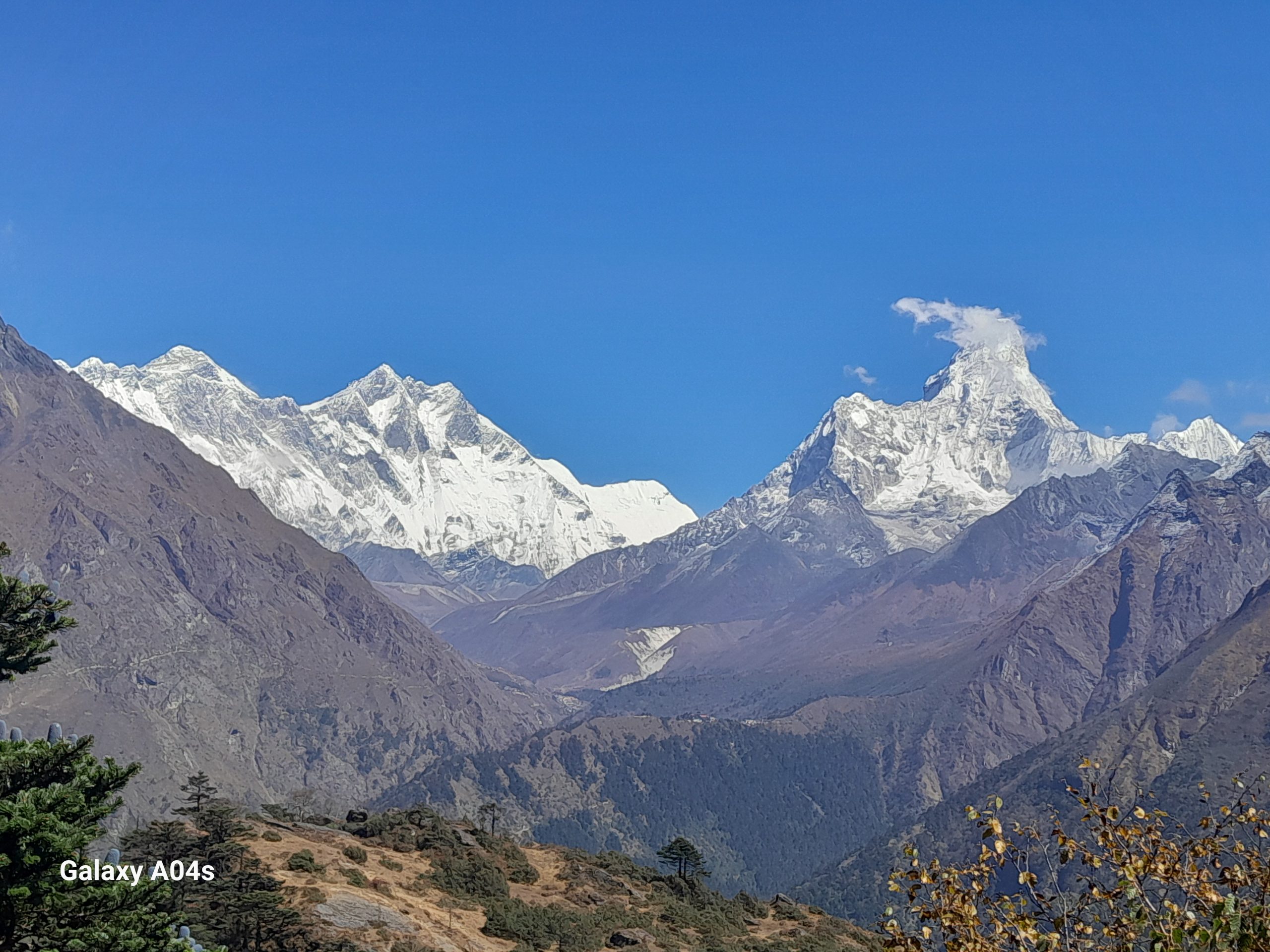
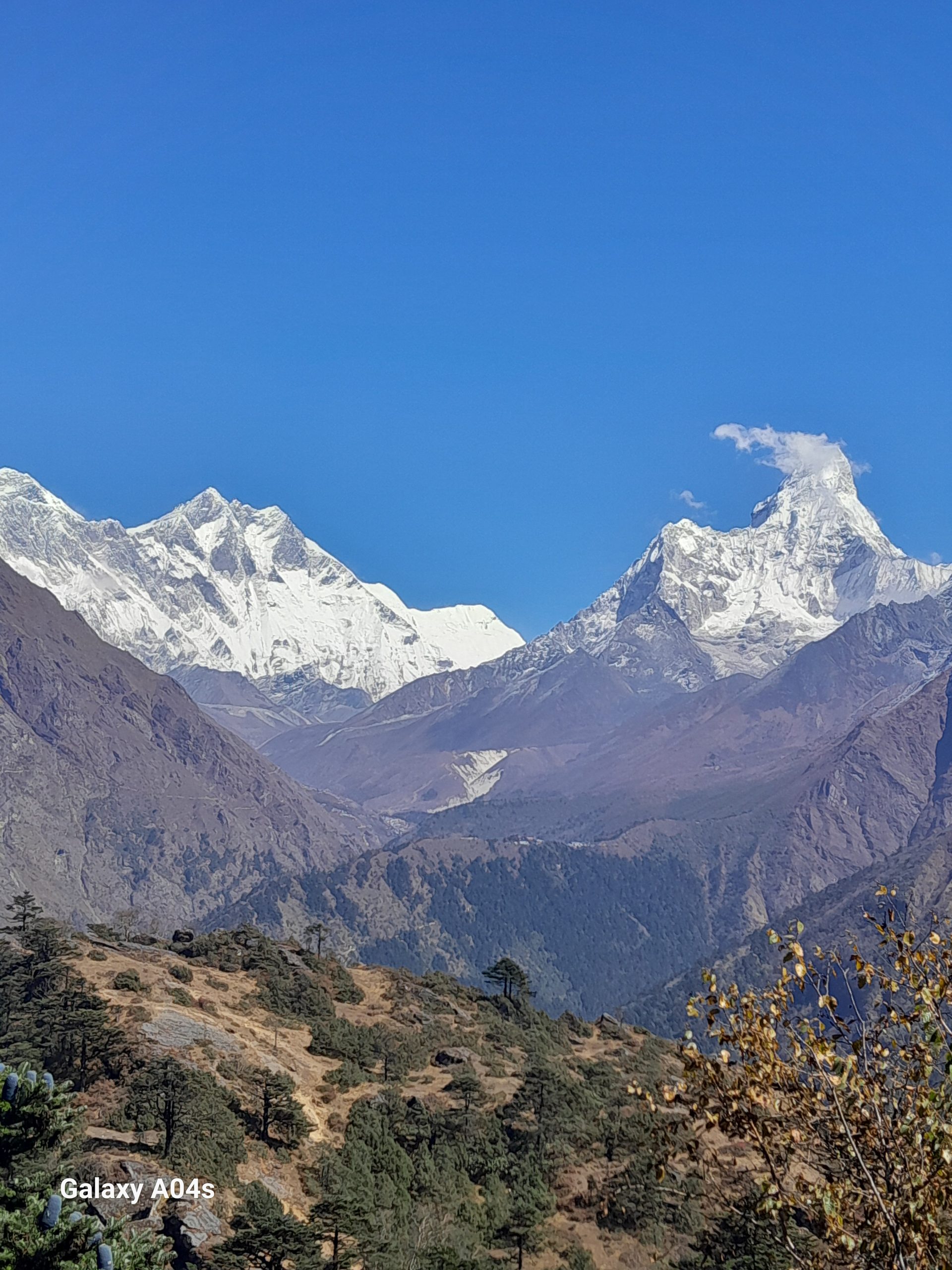
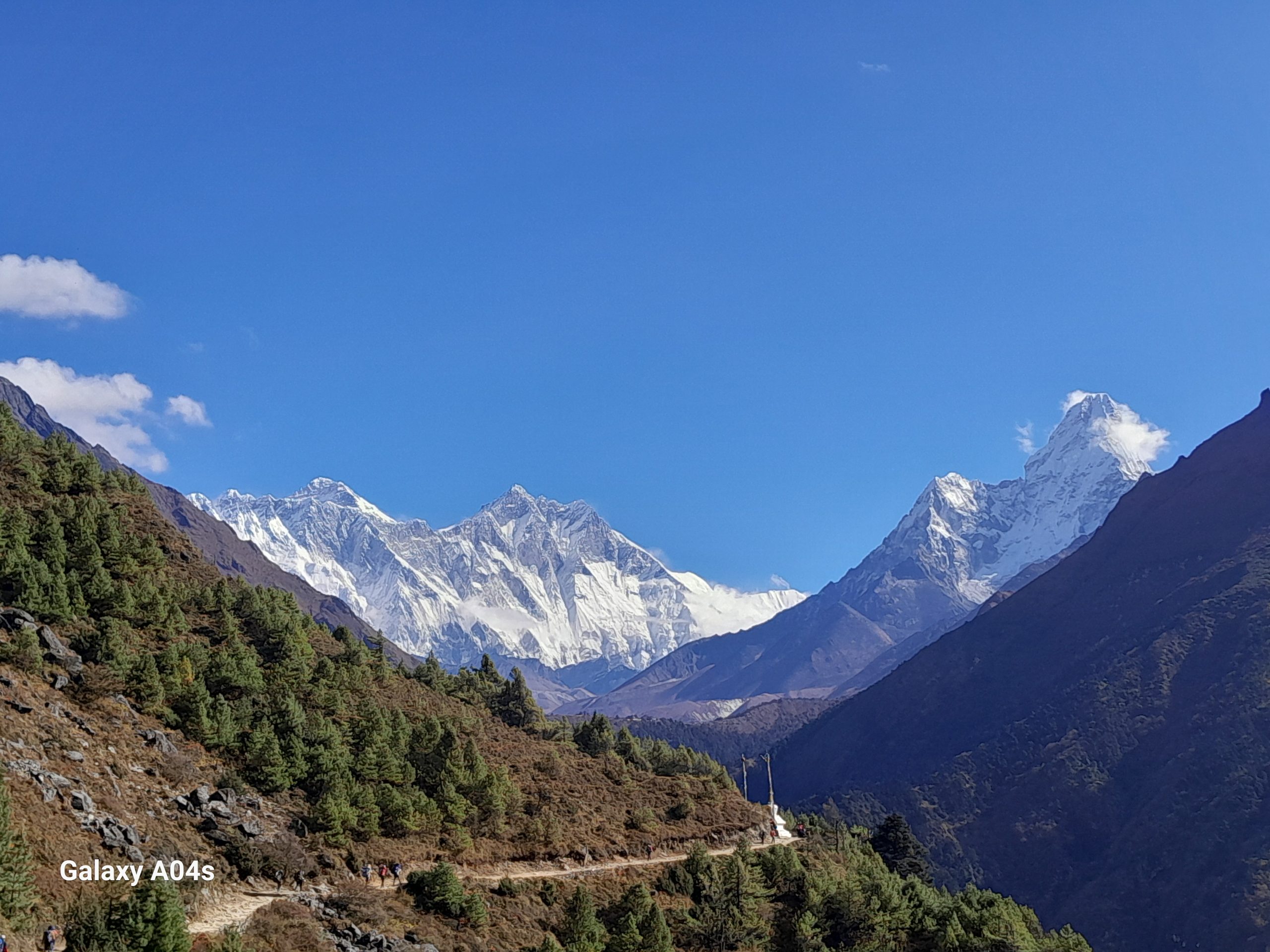
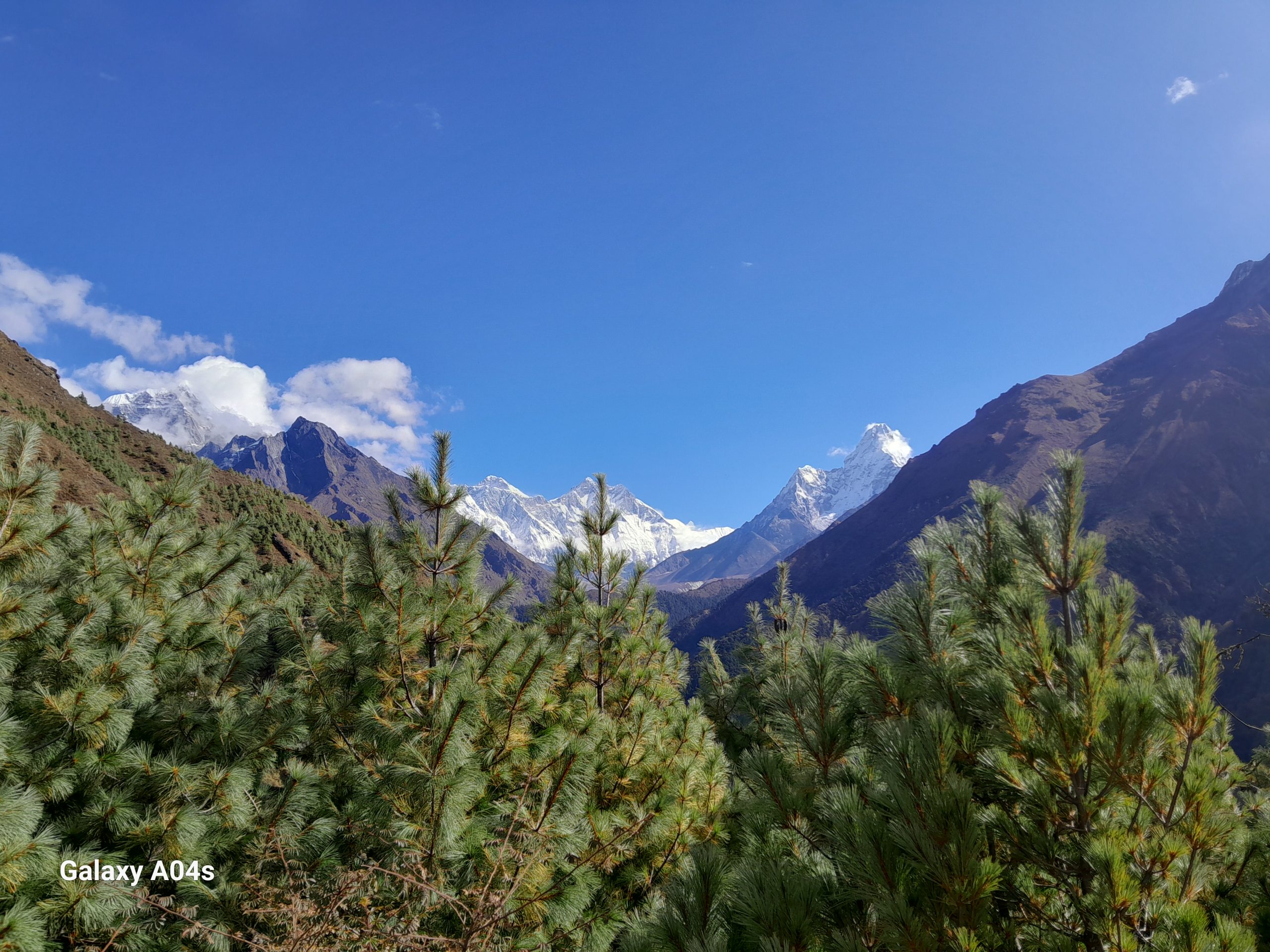
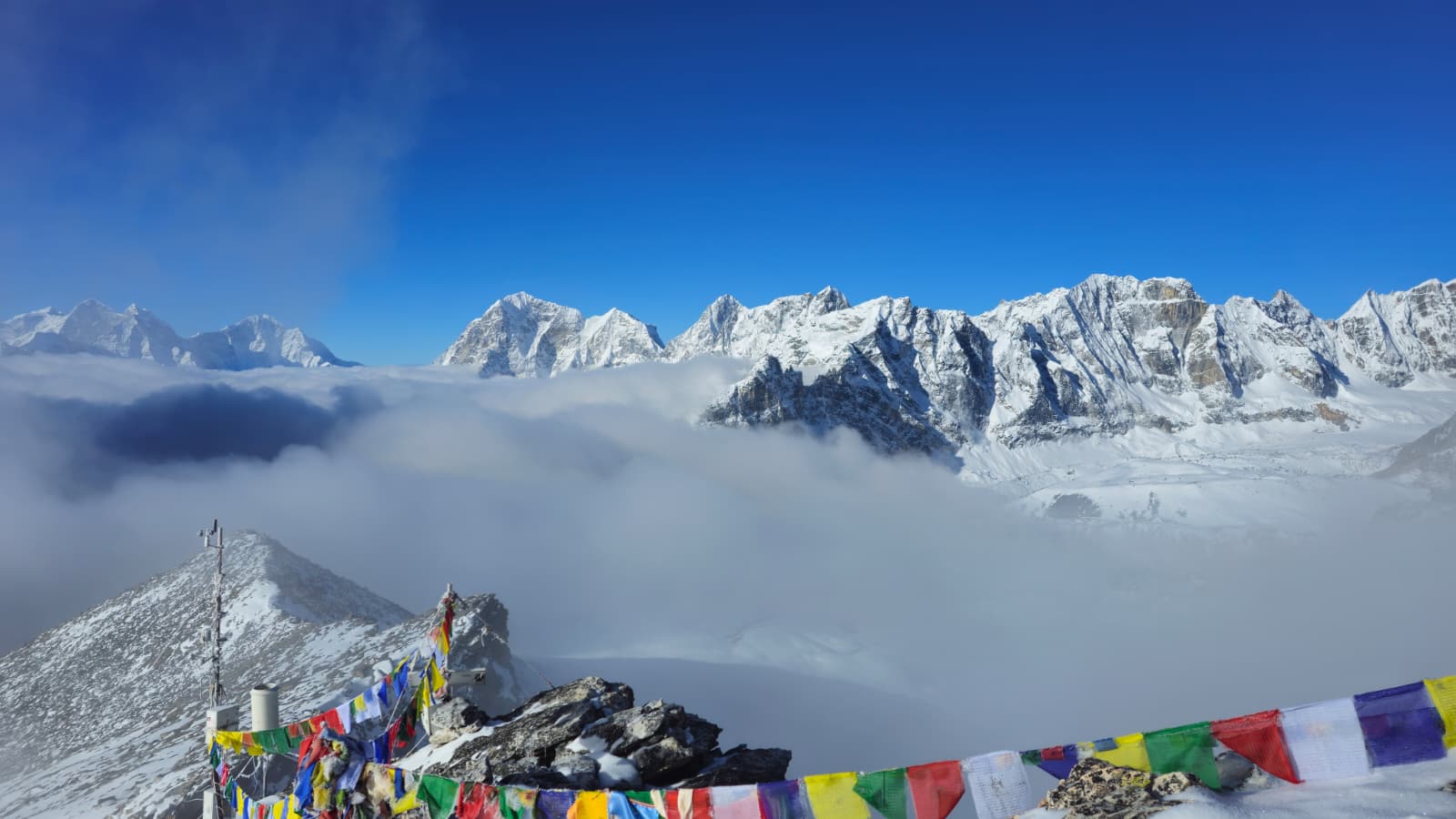
The Everest Base Camp Trek is one of the world’s most iconic trekking adventures, taking travelers into the heart of the Khumbu region of Nepal. The journey typically begins with a scenic flight from Kathmandu to Lukla, followed by a gradual trek through picturesque Sherpa villages, rhododendron forests, suspension bridges, and glacial valleys. Along the way, trekkers visit famous settlements such as Namche Bazaar, Tengboche, Dingboche, and Lobuche while enjoying spectacular views of Everest, Lhotse, Ama Dablam, Nuptse, and many other Himalayan peaks.
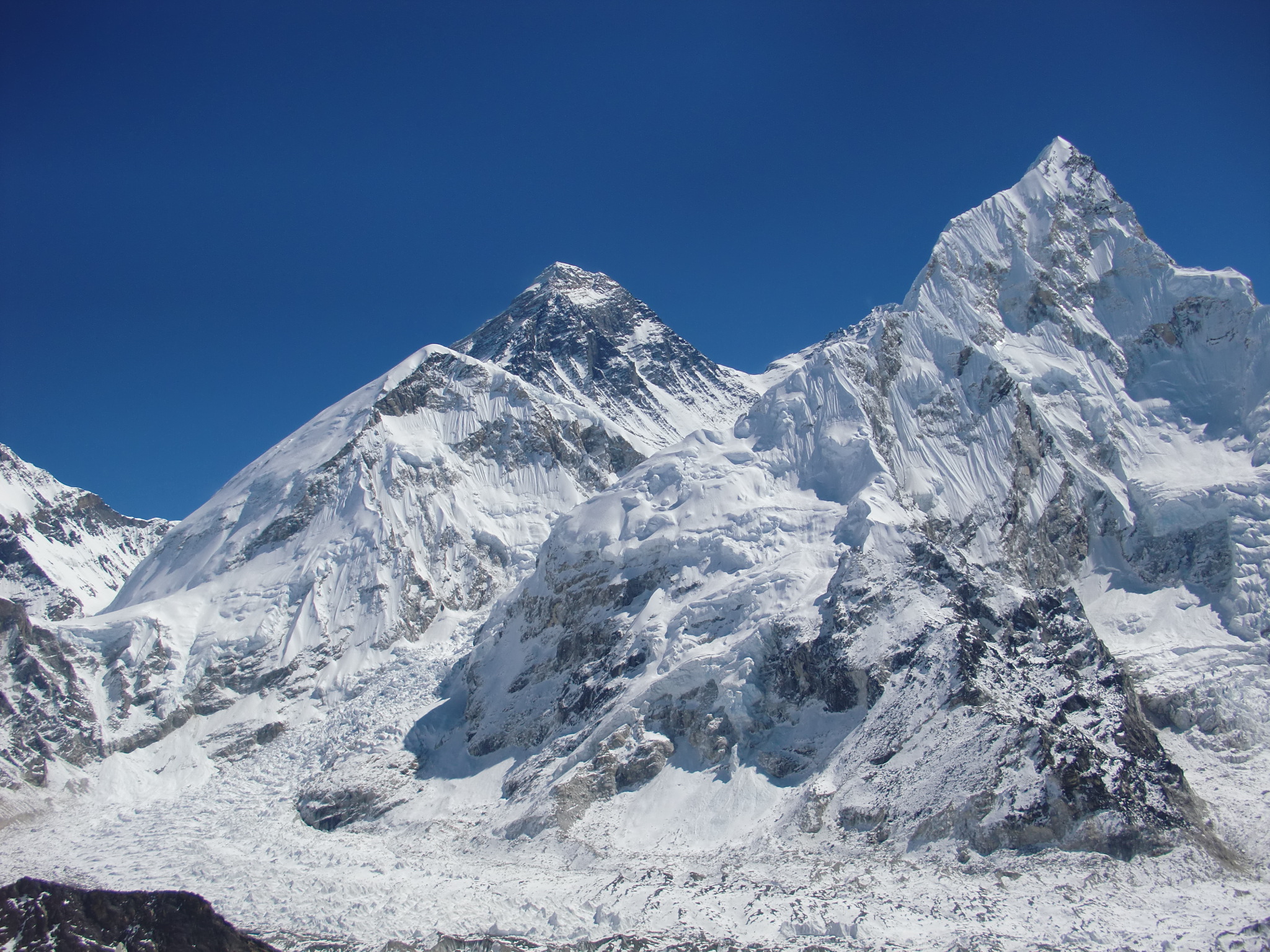
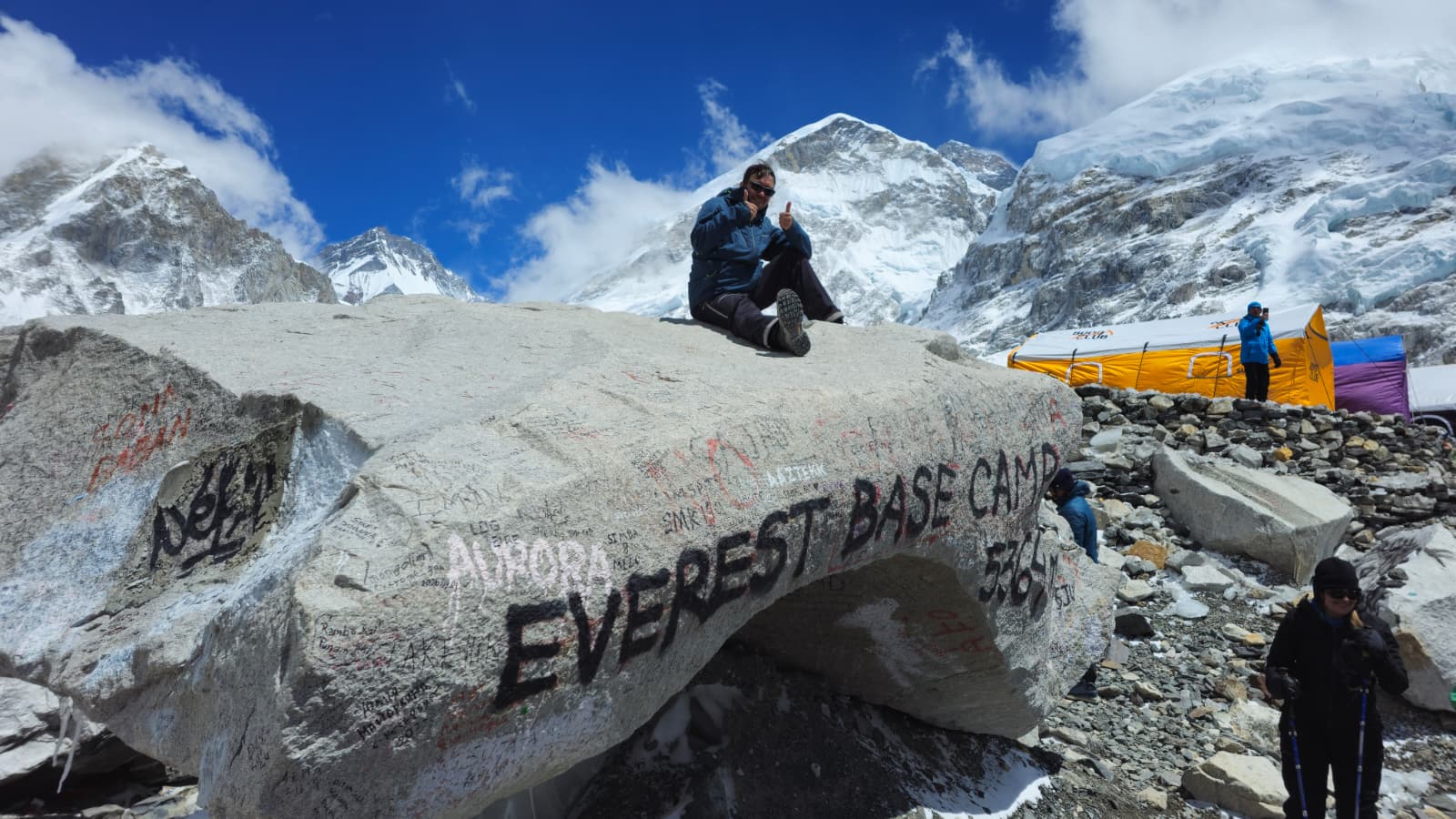
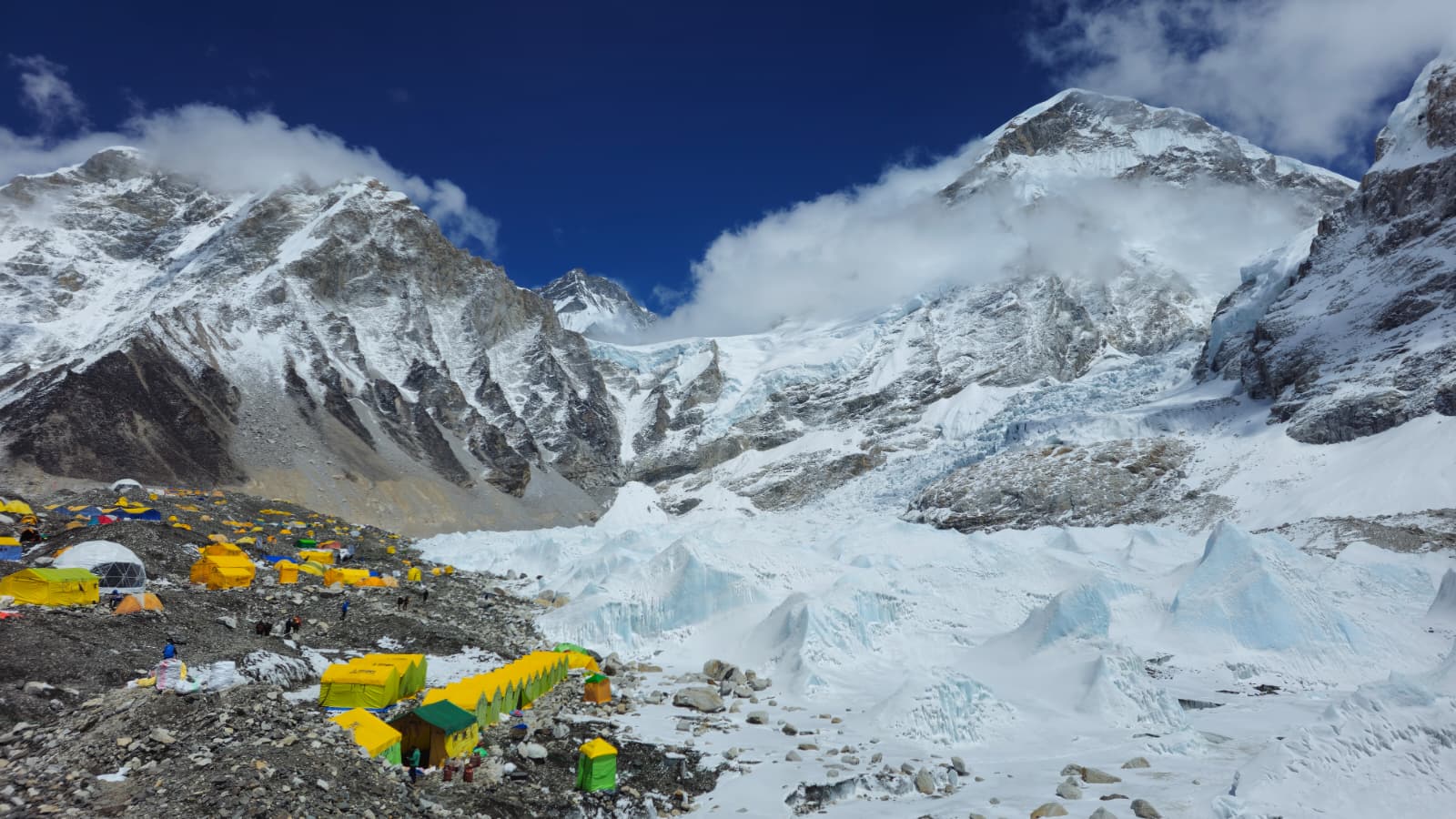
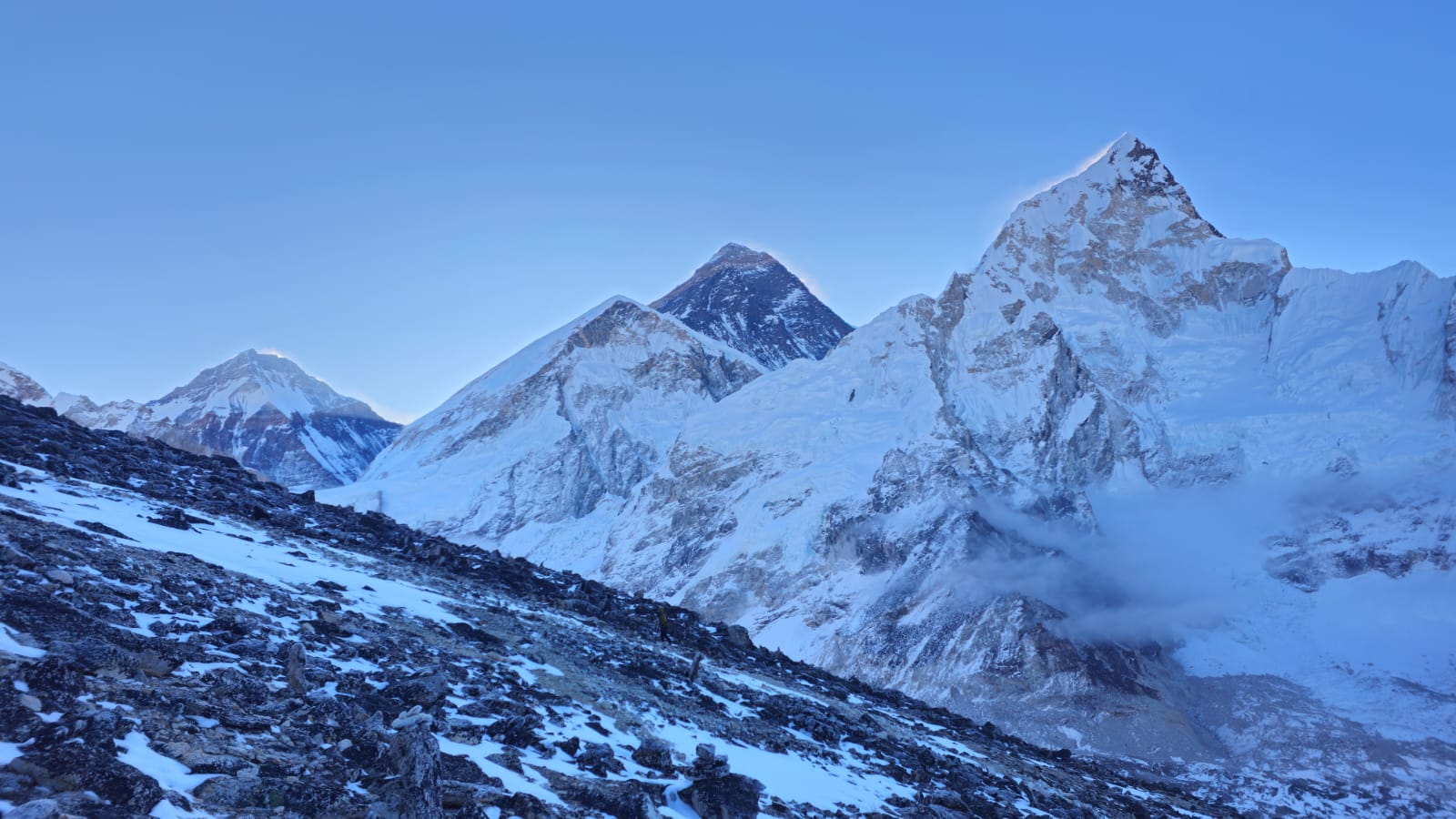
Carefully planned acclimatization days help trekkers adapt to the increasing altitude before reaching Everest Base Camp at 5,364 meters. A highlight of the trek is the early morning hike to Kala Patthar (5,545 meters), which offers one of the best panoramic views of Mount Everest and the surrounding mountains. Besides its stunning scenery, the trek provides a unique opportunity to experience the rich culture, traditions, and hospitality of the Sherpa people. Combining breathtaking landscapes, cultural immersion, and the achievement of reaching the base of the world’s highest mountain, the Everest Base Camp Trek is a truly unforgettable Himalayan adventure.
Itineraries
Day 1
Kathmandu to Phakding Height Lukla
On this day, we take an early morning flight at 6:30 a.m. from Kathmandu to Lukla, enjoying a breathtaking 30–35 minute scenic flight over the Himalayas. After landing at Lukla, we prepare for the trek and begin our walk towards Phakding. The trail passes through beautiful landscapes, small Sherpa villages, and suspension bridges. After approximately 4 hours of trekking, we reach Phakding, where we rest and stay overnight.
Day 2
Phakding to Namche Bazaar (3,500m)
After breakfast, we begin our trek along the banks of the Dudh Koshi River, passing through beautiful forests, suspension bridges, and traditional Sherpa villages. After approximately 2–3 hours of walking, we reach Jorsalle, where we complete entry formalities at the Sagarmatha National Park Office and the local government checkpoint. We take our lunch break at Jorsalle.
After lunch, we continue following the trail along the Dudh Koshi River. After about 45 minutes, the steep uphill climb towards Namche Bazaar begins, which takes approximately 2 hours. During the ascent, we are rewarded with our first breathtaking view of Mount Everest. By late afternoon, we arrive at Namche Bazaar (3,500 meters), the main trading hub of the Khumbu region, where we stay overnight.
Day 3
Rest & Acclimatisation Day in Namche Bazaar
This day is dedicated to rest and acclimatisation to help the body adapt to the increasing altitude. We take a short hike up to approximately 3,800 meters, exploring the beautiful surroundings of Sagarmatha National Park. Along the way, we enjoy stunning panoramic views of Mount Everest and other Himalayan peaks.
We visit the famous Everest View Hotel and the traditional Sherpa village of Khumjung, known for its cultural heritage and mountain lifestyle. After having lunch in Khumjung village, we hike back to Namche Bazaar, where we relax and stay overnight, preparing for the higher-altitude trek ahead.
Day 4
Namche Bazaar to Tengboche (3,870m)
After breakfast, we begin our trek with a relatively flat trail for about 2 hours, enjoying spectacular mountain views. We then descend for approximately 1 hour to reach Phunki Thanga, where we take lunch or a short refreshment break.
After the break, we start a steady uphill climb for 2–3 hours through beautiful rhododendron forests, leading us to Tengboche. Upon arrival, we visit the oldest and largest monastery in the Khumbu region – Tengboche Monastery, an important spiritual center of Himalayan Buddhism.
From Tengboche, we enjoy breathtaking views of Ama Dablam, Thamserku, Numbur, and other surrounding Himalayan peaks. We spend the evening in this peaceful mountain setting and stay overnight in Tengboche.
Day 5
Tengboche to Dingboche (4,400m)
After breakfast, we begin our trek with about 1 hour of walking through beautiful forest trails, followed by a gradual ascent towards Pangboche village, one of the oldest settlements in the Khumbu region. The trail passes through small traditional villages and open alpine landscapes, with spectacular scenery throughout the journey.
Walking through the scenic area beneath Ama Dablam, we continue towards Dingboche, enjoying panoramic views of Ama Dablam and the surrounding Himalayan mountains. By late afternoon, we arrive at Dingboche (4,400 meters), where we relax, enjoy the mountain atmosphere, and stay overnight.
Day 6
Dingboche to Lobuche (4,950m)
After breakfast, we begin our trek while enjoying spectacular mountain views on both the right and left sides of the trail. The route follows a mostly gradual uphill path for about 3 hours, leading us to Thukla.
We take our lunch break at Thukla, and then begin a steep uphill climb of about 1 hour to cross the Thukla Pass, where we pass memorials dedicated to climbers who lost their lives in the Himalayas.
After crossing the pass, we continue on a relatively flat trail for approximately 2.5 hours, eventually reaching Lobuche (4,950 meters). We arrive by late afternoon and stay overnight in Lobuche, surrounded by dramatic high-altitude mountain scenery.
Day 7
Lobuche to Gorakshep – Everest Base Camp Visit (5,160m)
After breakfast, enjoying breathtaking views of the surrounding हिमाल (mountains), we begin our trek on a gentle uphill trail for about 45 minutes, followed by a short steep climb of approximately 20–30 minutes. The trail then becomes more gradual as we continue walking through rocky glacial landscapes.
After around 3–4 hours of trekking, we reach Gorakshep (5,160 meters), the last settlement before Everest Base Camp. After a short rest and lunch at Gorakshep, we continue our hike towards the ultimate destination — Everest Base Camp.
Walking alongside the Khumbu Glacier, we finally reach Everest Base Camp, the world-famous base of the highest mountain on Earth. Here, we enjoy the incredible high-altitude scenery, take photos, and experience the achievement of standing at this iconic destination. After spending some time at Base Camp, we return back to Gorakshep for an overnight stay.
Day 8
Gorak Shep to Pheriche via Kala Patthar (5,550m)
Early in the morning, around 2:30 AM, we begin the ascent to Kala Patthar (5,550 meters). The climb takes about 2.5 hours, leading to one of the most breathtaking viewpoints of Mount Everest and the surrounding Himalayan peaks. After enjoying the sunrise and panoramic views, we descend back to Gorak Shep for breakfast.
After breakfast, we continue our trek toward Pheriche, following the same trail until Thukla, where we stop for lunch. The trail then gradually descends through beautiful mountain scenery until we reach Pheriche for an overnight stay.
Day 9
Pheriche to Namche Bazaar
After breakfast in Pheriche, we start our long descent back toward Namche Bazaar. The trek covers approximately 20 km and takes around 8 hours, passing through Pangboche, Dingboche, and other scenic villages along the way.
We follow trails that descend gradually through rhododendron forests, traditional Sherpa settlements, and alongside the Dudh Koshi River, enjoying views of the surrounding Himalayan peaks. After a full day of trekking, we reach Namche Bazaar, the vibrant Sherpa town, where we stay overnight and rest for the journey ahead.
Day 10
Namche Bazaar to Phakding
After breakfast in Namche Bazaar, we begin our descent toward Phakding, enjoying a gentler trail compared to the uphill climbs of previous days. The trek takes approximately 4–5 hours, passing through beautiful riverside paths, traditional Sherpa villages, and lush forests.
Along the way, we cross several suspension bridges over the Dudh Koshi River and have the chance to see local wildlife and the vibrant culture of the Khumbu region. Upon reaching Phakding, we check in to our teahouse for an overnight stay, resting and preparing for the next day’s journey toward Lukla.
Day 11
Phakding to Lukla
After breakfast in Phakding, we continue our trek along the Dudh Koshi River, passing through scenic forests, small villages, and suspension bridges. The trail is mostly downhill with some gentle uphill sections, making the journey pleasant and rewarding.
After approximately 4–5 hours of trekking, we arrive in Lukla, the gateway to the Everest region. Here, we check in to our teahouse for an overnight stay and celebrate the completion of our trek.
Day 12
Flight from Lukla to Kathmandu
After breakfast in Lukla, we board a morning flight back to Kathmandu, enjoying stunning aerial views of the Himalayas during the short 35–40 minute journey. Upon arrival in Kathmandu, we conclude our unforgettable Everest region adventure.
- Arrival & Departure airport transfers complementary to all our clients.
- Transportation as per itinerary.
- Accommodation per itinerary or similar with a request to all our clients.
- Meals as per itinerary B=Breakfast, L=Lunch and D=Dinner.
- Services literate English driver/guide.
- National park & game reserve entrance fees as per itinerary.
- Excursions & activities as per itinerary with a request
- Recommended Mineral Water while on safari.
- Visas and related costs.
- Personal Taxes.
- Drinks, tips, laundry, telephone calls and other items of a personal nature.
- International flights.
- Optional excursions and activities not listed in the itinerary like Balloon safari, Masai Village.

The most popular seasons are:
Spring (March–May): Clear skies, blooming rhododendrons, and moderate temperatures.
Autumn (September–November): Stable weather, stunning mountain views, and festive Sherpa culture.
Winter and monsoon seasons are less recommended due to snowstorms or heavy rains.
The trek is considered moderate to challenging.
Daily trekking time ranges from 4 to 8 hours. Altitude is the main challenge; acclimatization days are included to reduce the risk of Acute Mountain Sickness (AMS).
Previous trekking experience is helpful but not mandatory.
Essential gear:
Trekking boots and warm socks,
Layered clothing (thermal wear, fleece, down jacket),
Gloves, hat, sunglasses, and sunscreen,
Trekking poles (optional but recommended),
Water bottles, sanitizer, and first aid kit.
Optional:
Camera, power bank, and trekking backpack
No prior high-altitude trekking experience is required.
Basic physical fitness and endurance for walking 4–6 hours a day is recommended.
Preparation with cardio, hiking, or stair climbing is advised.
There are no reviews yet.