
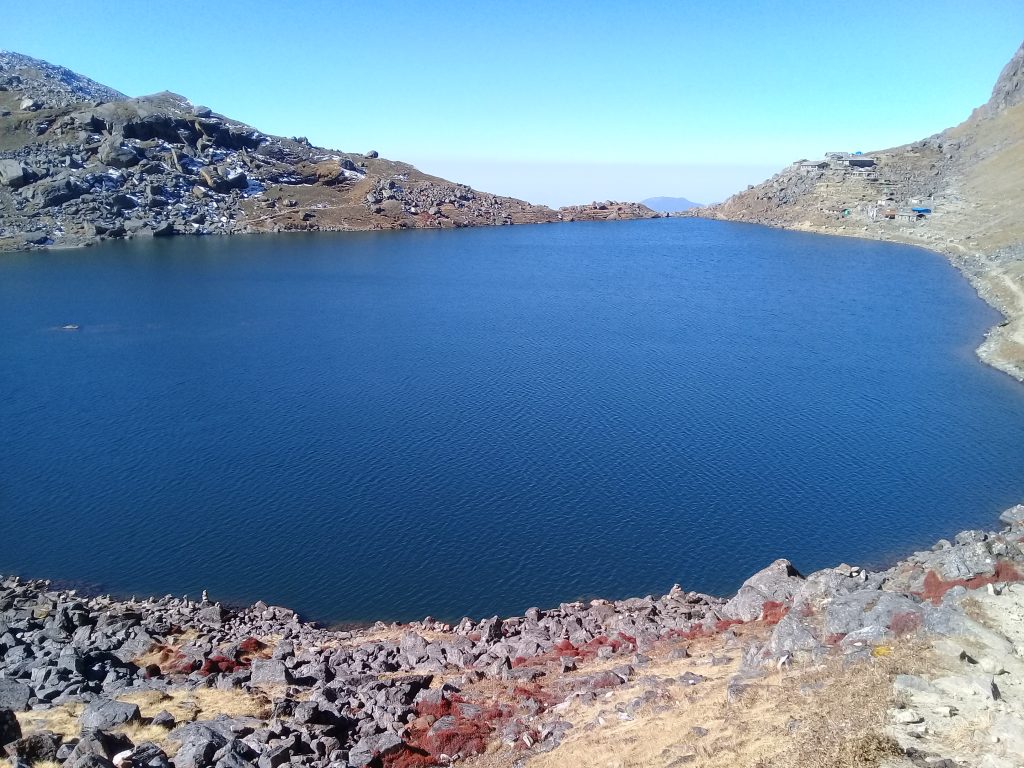
Classic Annapurna Circuit Trek-17 Days Trek

Classic Annapurna Circuit Trek-17 Days Trek
The Classic Annapurna Circuit Trek is more than just a walk in the mountains—it is a journey through Nepal’s natural beauty, cultural richness, and geographical diversity.
Keywords
Trip code
WT-CODE 2047
- Overview
- Trip Outline
- Trip Includes
- Trip Excludes
- Gallery
- Reviews
- Booking
- FAQ
The Annapurna Circuit is one of Nepal’s most iconic and rewarding long-distance treks. This classic journey completes a full circuit around the Annapurna Massif without relying on flights, and traditionally without short cutting the trail. While the trek once required 21 days to complete, road development has shortened the duration to around 18–19 days, depending on the itinerary. Nevertheless, the experience remains one of the most diverse and spectacular trekking adventures in the Himalayas. Often referred to as Nepal’s “classic trek,” the route showcases extraordinary geographical diversity. Trekkers begin in lush sub-tropical lowlands filled with terraced rice fields and warm river valleys. As the days progress, the trail ascends through temperate forests of rhododendron, pine, and oak before reaching alpine meadows and finally the stark, wind-swept semi-desert landscapes of the upper Manang and Mustang regions. Few treks in the world offer such dramatic contrasts in scenery within a single journey.
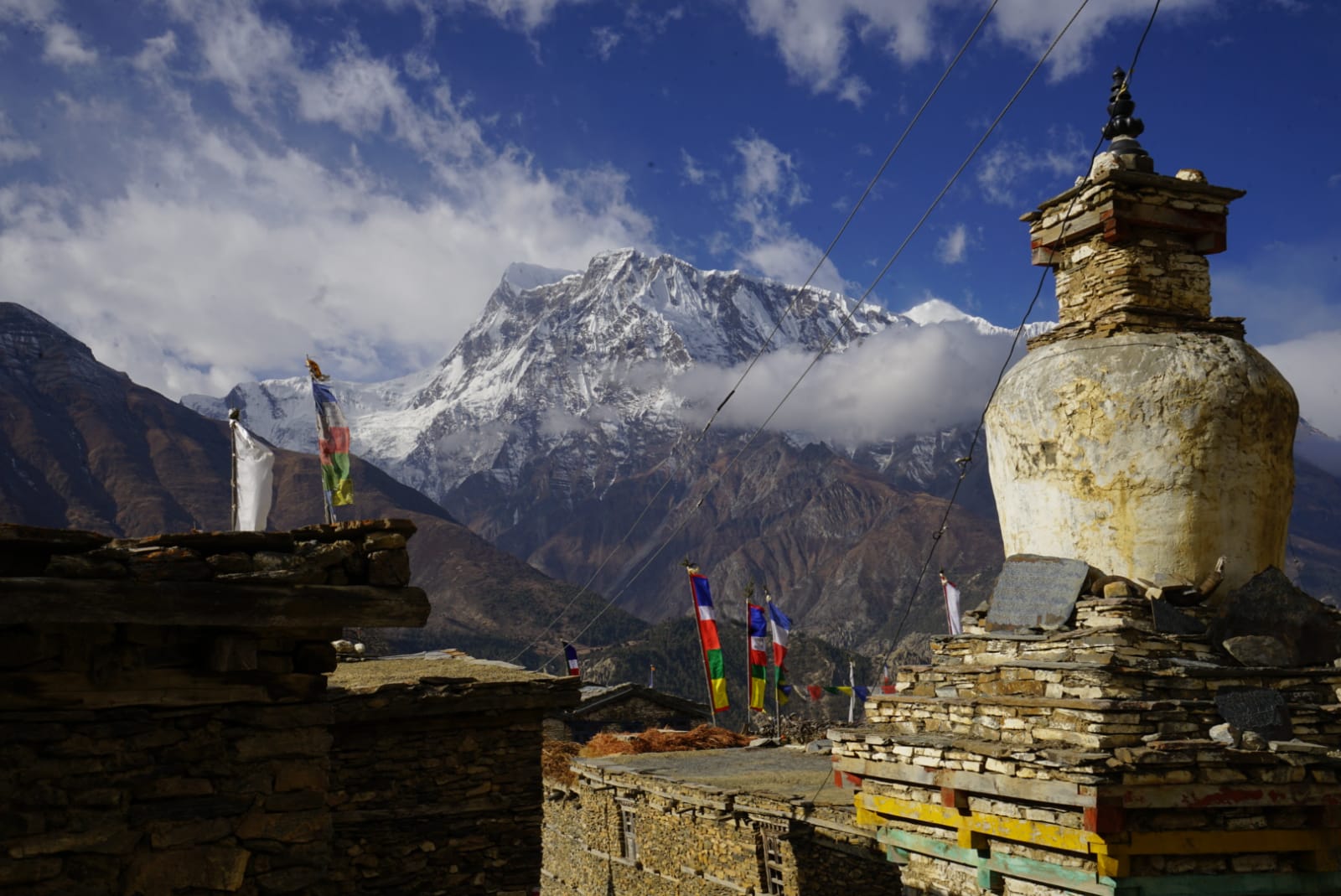
The Classic Annapurna Circuit forms a complete loop around the mighty Annapurna range, including Annapurna I, the tenth-highest mountain in the world (8,091m). Along the way, trekkers explore the culturally rich valleys of Manang and Mustang, following the roaring Marshyangdi River on the eastern side and descending along the Kali Gandaki River—the world’s deepest gorge—on the western side.The trail passes through picturesque villages such as Pisang, Manang, Ghorepani, and Ghandruk, each reflecting unique ethnic traditions including Gurung, Thakali, and Tibetan-influenced communities. Stone-built houses, prayer wheels, chortens, and ancient monasteries reveal the deep spiritual and cultural heritage of the Himalayan people. Natural attractions are abundant throughout the trek. Waterfalls cascade down steep cliffs, suspension bridges cross powerful rivers, and natural hot springs at Tatopani offer soothing relaxation after long walking days. The vegetation gradually changes with altitude, transitioning from dense forests to barren high-altitude plateaus resembling the Tibetan landscape.
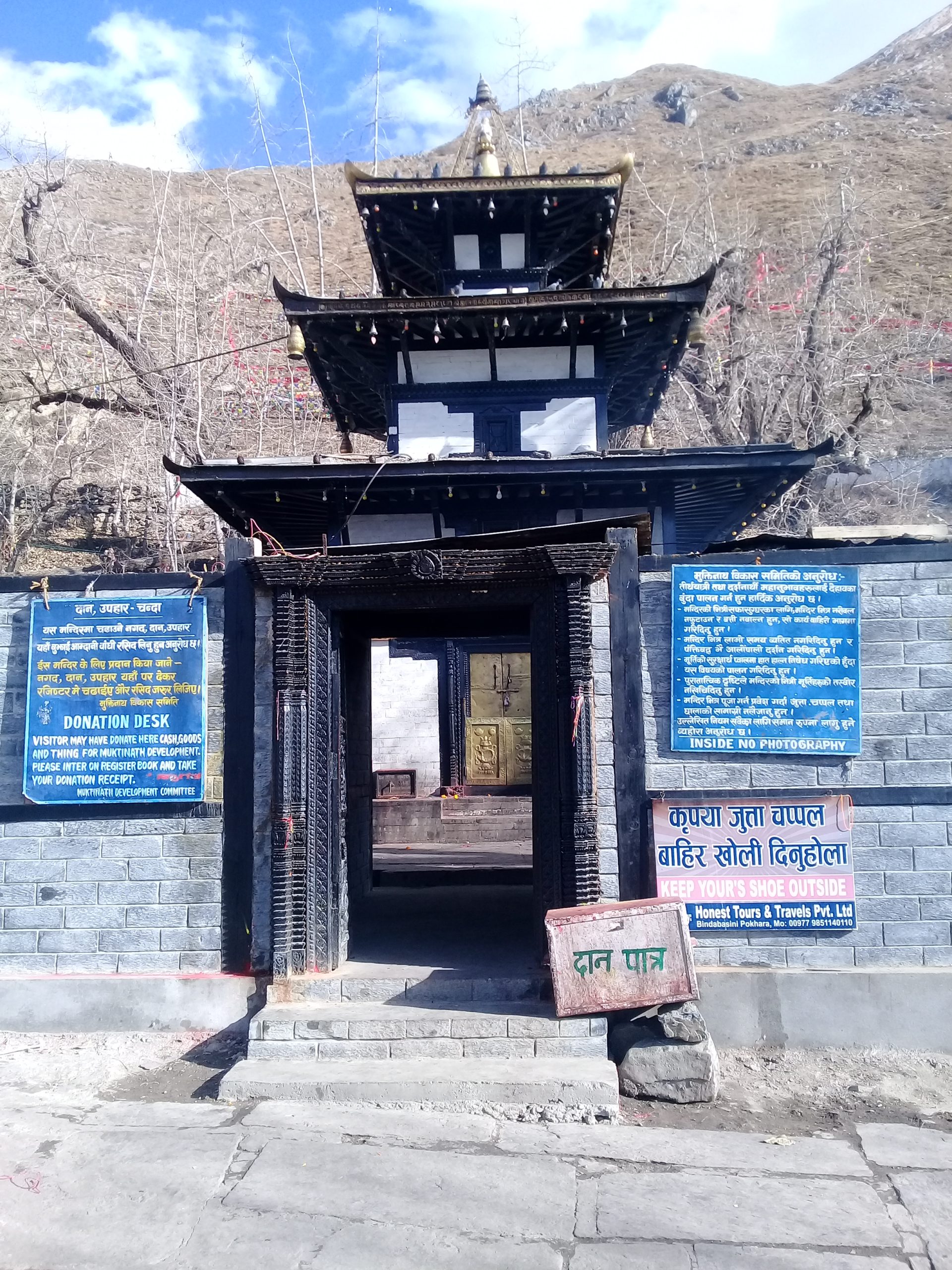
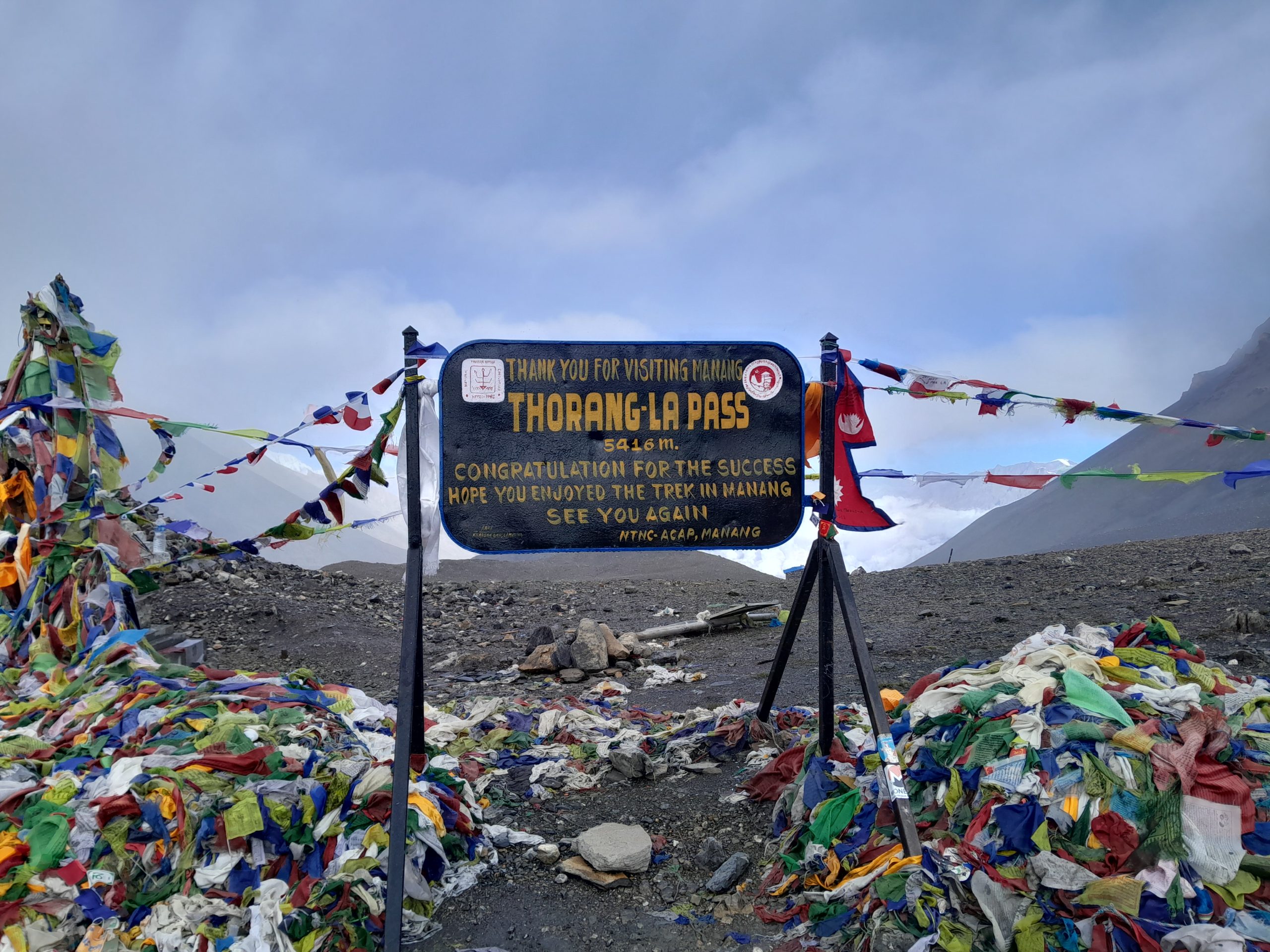
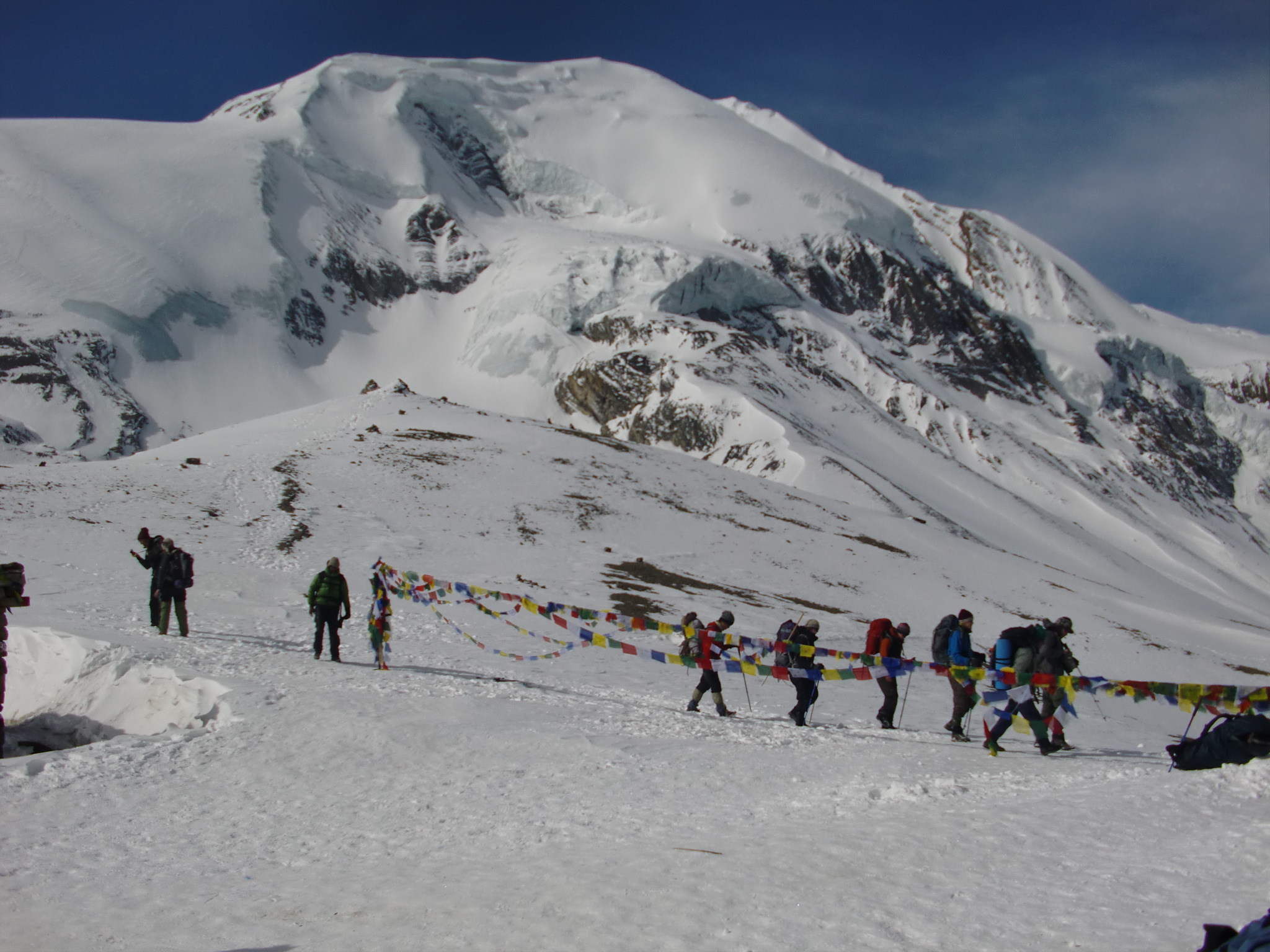
The most demanding and rewarding section of the trek is crossing Thorong La (5,416m), one of the highest trekking passes in the world. The ascent requires proper acclimatization and an early morning start. From the summit, colorful prayer flags flutter against a backdrop of endless snow-covered peaks. After crossing the pass, trekkers descend to the sacred pilgrimage site of Muktinath Temple (3,850m), known to Hindus and Buddhists as a place of liberation. The temple complex, with its eternal flame and 108 water spouts, holds deep religious significance and offers a peaceful cultural experience following the physically demanding climb.
Another highlight of the trek is the early morning hike to Poon Hill (3,232m). From this famous viewpoint, trekkers witness a breathtaking sunrise over the Annapurna and Dhaulagiri mountain ranges. The golden light illuminating the snow-capped peaks creates one of the most memorable Himalayan panoramas.Throughout the trek, you are surrounded by an impressive array of Himalayan giants. Peaks visible along the route include:
- Manaslu (8,163m)
- Annapurna II
- Lamjung Himal
- Pisang Peak
- Tilicho Peak
- Dhaulagiri (8,167m)
- Tukuche Peak
- Nilgiri
- Varaha Shikhar (Annapurna Fang)
- Annapurna South
- Annapurna III
- Machhapuchhre (Fishtail)
- Annapurna IV
The constant presence of these magnificent peaks adds inspiration and grandeur to every step of the journey. The Classic Annapurna Circuit Trek is considered moderately to highly challenging. It involves long walking days, high-altitude trekking, and significant elevation gain. However, with proper preparation and acclimatization, it is achievable for physically fit trekkers, even those attempting high-altitude trekking for the first time.
The trek can technically be done throughout the year, but the best seasons are:
- Autumn (September–November): Clear skies, stable weather, excellent mountain views.
- Spring (March–May): Blooming rhododendron forests and moderate temperatures.
- Winter offers quieter trails but colder temperatures, especially at higher elevations, while the monsoon season brings heavy rain and slippery paths in lower regions.
The Classic Annapurna Circuit Trek is more than just a walk in the mountains—it is a journey through Nepal’s natural beauty, cultural richness, and geographical diversity. From warm river valleys to icy mountain passes, from Hindu pilgrimage sites to Tibetan Buddhist villages, this trek provides a complete Himalayan experience. It remains one of the finest long-distance trekking adventures in the world and continues to inspire trekkers from across the globe.
the Classic Annapurna Circuit Trek:
The Classic Annapurna Circuit Trek is one of Nepal’s most famous trekking routes, combining the classic Annapurna Circuit with the scenic viewpoint of Poon Hill. The Annapurna Circuit was opened to foreign trekkers in the late 1970s and quickly became renowned for its diverse landscapes, rich culture, and spectacular Himalayan scenery. Poon Hill, located near the villages of Ghorepani and Ghandruk, became a popular side destination due to its breathtaking sunrise views over the Annapurna and Dhaulagiri mountain ranges. Today, this combined trek offers trekkers a perfect mix of mountain adventure, traditional villages, and stunning panoramic views of the Himalayas.
Itineraries
Day 1
Drive from Kathmandu to Jagat (1300m) via Besisahar
After early breakfast, you depart from Kathmandu by local bus heading toward Besisahar, the gateway to the Annapurna region. The drive follows the scenic Prithvi Highway alongside the Trishuli River, offering views of terraced hills, rivers, and rural settlements. After around 5–6 hours, you reach Besisahar, the district headquarters of Lamjung. From Besisahar, you continue your journey by sharing jeep along a rough and adventurous mountain road. The off-road drive follows the Marshyangdi River, passing through small villages, waterfalls, and steep cliffs. The road gradually climbs through Bhulbhule and Syange before reaching Jagat (1300m), a beautiful stone-paved village and official entry point of the Annapurna Circuit.
Jagat is a charming village with traditional houses and views of surrounding hills. After checking into a teahouse, you can relax and prepare for the trekking adventure ahead. Overnight at Jagat.
Day 2
Trek from Jadat (1300m) to Dharapani (1960m)
Today you climb steep stone staircases and cross a long suspension bridge. The landscape begins to change as you enter a narrower valley. Passing Tal village, you enjoy flat walking sections along the riverbank. Pine forests and small settlements appear as altitude increases. Dharapani is a beautiful village influenced by Tibetan culture. Overnight at Dharapani.
Day 3
Trek from Dharapani to Chame (2675m)
The trail climbs gradually through dense pine and fir forests. You pass villages like Bagarchhap and Danaque. The first close views of Lamjung Himal and Annapurna II appear today. The air feels cooler as you gain altitude. Chame, the district headquarters of Manang, offers natural hot springs nearby. Overnight at Chame.
Day 4
Trek from Chame to Pisang (3100m)
You walk through a dramatic narrow valley with towering rock faces. Crossing a suspension bridge, you see stunning views of Annapurna II and Pisang Peak. The trail climbs gently through pine forests before opening into a wide alpine valley. Pisang village offers spectacular mountain panoramas. Overnight at Pisang.
Day 5
Trek from Pisang to Manang (3440m)
Today you can take the higher route via Upper Pisang for better views. The trail offers breathtaking scenery of Annapurna III, Gangapurna, and Tilicho Peak. Dry landscapes and Tibetan-style villages reflect the trans-Himalayan culture. Prayer wheels and monasteries line the trail. Manang is a large village with bakeries, shops, and mountain views. Overnight at Manang.
Day 6
Acclimatization Day at Manang (3440m)
Rest is important for altitude adjustment. You may hike to Gangapurna Lake or Bhojo Gompa for acclimatization. The short hike helps your body adapt to higher elevation. Enjoy panoramic views of the Annapurna range and glaciers. Explore the village and learn about local culture. Overnight at Manang.
Day 7
Trek from Manang to Yak Kharka (4350m)
The trail climbs gradually above the tree line. Vegetation becomes sparse, and the landscape turns dry and rocky. You pass herders’ shelters and grazing yaks. The air becomes thinner, so you walk slowly. Yak Kharka is a small settlement surrounded by alpine terrain. Overnight at Yak Kharka.
Day 8
Trek from Yak Kharka to Thorong Phedi (4420m)
A gentle ascent leads to a suspension bridge before a steady climb to Thorong Phedi. Landslide-prone sections require careful walking. The scenery is rugged and dramatic. Thorong Phedi is the base camp for crossing Thorong La Pass. Rest early to prepare for the big day. Overnight at Thorong Phedi.
Day 9
Trek from Thorong Phedi to Muktinath (3850m) via Thorong La Pass (5416m)
Early morning start (around 4–5 AM). The climb to Thorong La (5416m) is challenging but rewarding. Prayer flags mark the highest point of the trek. Enjoy breathtaking Himalayan views before descending steeply to Muktinath. Muktinath Temple is a sacred site for Hindus and Buddhists. Overnight at Muktinath.
Day 10
Trek from Muktinath to Marpha (2667m)
Descending into the Kali Gandaki Valley, you pass through Jomsom. The landscape becomes dry and windy. Marpha is famous for apple orchards and traditional whitewashed houses. Visit the monastery and try local apple products. Overnight at Marpha.
Day 11
Drive from Marpha to Tatopani (1190m)
A scenic jeep ride follows the Kali Gandaki River through the world’s deepest gorge. The road is rough but adventurous. Tatopani is known for its natural hot springs. Relax your muscles after long trekking days. Overnight at Tatopani.
Day 12
Trek from Tatopani to Ghorepani (2800m)
A long uphill climb through terraced fields and rhododendron forests. The trail passes villages like Sikha and Chitre. The vegetation becomes lush again. Ghorepani offers panoramic mountain views. Overnight at Ghorepani.
Day 13
Trek from Ghorepani to Tadapani (2760m)
Early morning hike to Poon Hill for sunrise views over Annapurna and Dhaulagiri ranges. After breakfast, trek through dense forests and ridges. The trail offers beautiful landscapes and birdlife. Reach Tadapani surrounded by forest. Overnight at Tadapani.
Day 14
Trek from Tadapani to Landruk (1550m)
The trail descends steeply through rhododendron and oak forests. You pass traditional Gurung villages with terrace farming. Landruk offers close mountain views and warm hospitality. Overnight at Landruk.
Day 15
Trek from Landruk to Pothana (1900m)
Gradual ascent through forest and small settlements. The trail connects with the Annapurna Base Camp route. Pothana is a peaceful village with stunning sunset views. Overnight at Pothana.
Day 16
Trek from Pothana to Dhampus Phedi (1113m)
A pleasant downhill walk through forest and farmland. Dhampus village offers one last mountain panorama. From Dhampus Phedi, drive to Pokhara. Celebrate the completion of your trek.
Day 17
Drive from Pokhara to Kathmandu
After breakfast, drive back to Kathmandu along the scenic highway. Enjoy river views and countryside landscapes.
- Airport pick-up and drop-off services by private vehicle
- 1 night hotel accommodation with breakfast in Pokhara
- Trekking guide/s
- One porter for every 2 trekking participants (1 porter carries 25 kilograms of luggage)
- All meals three times a day (breakfast, lunch & dinner)
- Accommodation in teahouses (lodges) during the trek
- Trekking equipments: Sleeping bags, down jackets, duffle bags, trekking poles, etc.
- Entry Permit for Annapurna conservation Area (ACAP)
- Trekkers’ Information Management system (TIMS) card
- All land transportation: Kathmandu – besishar by besisahar to jagat by shareing jeep, Marpha to tatopani by bus,
- Pokhara – Kathmandu by deluxe A/C tourist bus and Phedi – Pokhara by private vehicle
- Insurance and equipments for all guides and porters
- First aid kit
- Tax, VAT and our service charge
- Rescue assistance, In case of emergency, we will organize prompt and professional rescue services. To arrange timely evacuation/rescue by helicopter.
- Personal nature expenses (Telephone calls, internet, toiletries, battery recharge, hot shower, laundry, soft drinks, beers and any alcoholic beverages)
- Travel insurance
- Tips for involved staffs
- Lunch and dinner in Pokhara
- Meals and hotel accommodation in Kathmandu (even in case of early arrival or late departure, early return from trekking due to any personal reason than the scheduled itinerary)






The Classic Annapurna Circuit Trek is a traditional long-distance Himalayan trek that completes a full loop around the Annapurna Massif, following the original trail routes without flights or shortcuts, offering one of the most diverse trekking experiences in Nepal.
This itinerary is a 17-day trek, including trekking days, transportation days, and acclimatization, completing the full circuit around the Annapurna range.
Yes, it is considered moderate to challenging due to long walking days, high altitude, and significant elevation gain. However, with proper acclimatization and fitness preparation, it is achievable for fit trekkers.
Yes. Travel insurance must cover high-altitude trekking and helicopter rescue.
There are no reviews yet.