
Kanchenjunga Circuit Trek 19 Days
Kanchenjunga Circuit Trek 19 Days
Kanchenjunga has long been revered as a sacred mountain by local communities, including the Limbu, Rai, and Lepcha peoples. Due to its spiritual significance, climbers traditionally stop short of the true summit in respect of local beliefs—a custom still observed today.
Keywords
Trip code
WT-CODE 2027
- Overview
- Trip Outline
- Trip Includes
- Trip Excludes
- Gallery
- Reviews
- Booking
- FAQ
Kanchenjunga Circuit Trek
Explore the Third Tallest Mountain in the World.
- Duration = 19 Days
- Difficulty Level= moderate
- Activity = Trekking/Hiking
- Max. Altitude = Kanchenjunga Base Camp 5143 meters/ 16873 feet
- Starts = Taplejung
- Ends = Yamphudin
- Group Size = 2-12 People
- Best Season = March to May & September to November
Kanchenjunga Circuit Trek Highlights
- Enjoy a spectacular scenic flight from Kathmandu to Bhadrapur with breathtaking views of the eastern Himalayas.
- Visit the famous Ilam Tea Garden at Phikkal Bazaar, Nepal’s renowned tea-producing region.
- Experience one of Nepal’s most remote and off-the-beaten-path trekking adventures.
- Trek through the beautiful Tamor River Valley, passing picturesque villages and diverse cultural landscapes.
- Walk through pristine rhododendron forests, alpine meadows, and traditional Himalayan settlements.
- Cross spectacular high mountain passes, including Selele La Pass (4,480 meters) and Sinion La Pass (4,646 meters).
- Visit both Kanchenjunga North Base Camp (Pangpema) and Kanchenjunga South Base Camp (Oktang).
- Stand beneath the magnificent Mount Kanchenjunga (8,586 meters), the world’s third-highest mountain.
- Explore the untouched wilderness of the Kanchenjunga Conservation Area, one of Nepal’s richest biodiversity hotspots.
- Enjoy panoramic views of some of the Himalayas’ highest peaks, including Kanchenjunga, Makalu, Jannu (Kumbhakarna), and even Mount Everest on clear days.
- Encounter rare Himalayan wildlife such as blue sheep, Himalayan tahr, yaks, red pandas, and, with exceptional luck, the elusive snow leopard.
- Experience an extraordinary diversity of landscapes ranging from subtropical forests to alpine glaciers and rugged mountain terrain.
- Walk alongside the magnificent Yalung Glacier, one of the largest glaciers in the eastern Himalayas.
Kanchenjunga Circuit Trek Overview
The Kanchenjunga Circuit Trek is one of Nepal’s most remote, adventurous, and rewarding trekking experiences. Situated in the far eastern region of Nepal within Taplejung District, this remarkable journey takes you deep into the untouched wilderness of the Kanchenjunga Conservation Area, offering breathtaking mountain scenery, authentic cultural encounters, and an unforgettable Himalayan adventure far from the crowds.
Unlike Nepal’s more popular trekking destinations, the Kanchenjunga Circuit remains wonderfully unspoiled. Opened to international trekkers in 1988, the region was once a restricted area and continues to preserve its pristine natural environment and traditional way of life. This challenging 22-day trek leads through dense forests, glacial valleys, alpine meadows, remote mountain villages, and high Himalayan passes before reaching both Kanchenjunga North Base Camp (Pangpema) and Kanchenjunga South Base Camp (Oktang).
Throughout the journey, trekkers are rewarded with magnificent views of some of the world’s most impressive mountains, including Mount Kanchenjunga (8,586 meters), the third-highest peak on Earth, as well as Jannu (Kumbhakarna), Rathong, Kirat Chuli, Nepal Peak, Gimmigela Chuli, Wedge Peak, and numerous surrounding Himalayan summits.
The trek traverses an extraordinary range of landscapes, beginning in subtropical valleys before ascending through lush rhododendron forests, ancient pine woodlands, alpine grasslands, glacier-fed rivers, and dramatic moraine fields. Each day reveals new scenery, making the Kanchenjunga Circuit one of Nepal’s most diverse trekking routes.
Beyond its spectacular natural beauty, the trek offers a rich cultural experience. The remote villages along the trail are home to the Limbu, Rai, Sherpa, and Tibetan communities, whose traditional lifestyles have remained largely unchanged for generations. Visitors have the opportunity to experience authentic mountain hospitality, explore ancient monasteries, observe centuries-old customs, and learn about the unique blend of Buddhist, Hindu, and indigenous spiritual traditions that define the region.
The Kanchenjunga Conservation Area is equally remarkable for its exceptional biodiversity. Home to endangered species such as the snow leopard, red panda, Himalayan black bear, musk deer, and blue sheep, it is considered one of Nepal’s most important protected ecosystems. Bird enthusiasts will also appreciate the opportunity to observe numerous Himalayan bird species, including Nepal’s national bird, the Himalayan Monal (Danphe).
Accommodation throughout the trek is provided in traditional teahouses, offering simple but comfortable lodging and home-cooked meals. Due to the remoteness of the region, facilities are more basic than those found on Nepal’s more established trekking routes, making the experience feel authentic and adventurous.
For trekkers seeking true wilderness, breathtaking mountain scenery, remarkable biodiversity, and genuine cultural immersion, the Kanchenjunga Circuit Trek offers one of the finest and most rewarding trekking experiences in the Himalayas.
What Makes the Kanchenjunga Circuit Trek Unique?
The Kanchenjunga Circuit Trek stands apart from Nepal’s more popular trekking routes by offering an authentic wilderness experience in one of the country’s most remote mountain regions. With limited visitor numbers, untouched landscapes, and traditional Himalayan villages, this extraordinary adventure provides a rare opportunity to explore the Himalayas in their purest form.
Unlike the busy trails of Everest and Annapurna, the Kanchenjunga region remains peaceful and largely undiscovered. Throughout the journey, trekkers experience dramatic mountain scenery, pristine forests, glacier-fed rivers, alpine meadows, and remote valleys where nature continues to dominate the landscape.
The adventure begins with a visit to the beautiful Ilam Tea Gardens, famous for producing some of Nepal’s highest-quality tea. From there, the trail gradually enters the remote Himalayan wilderness, passing traditional villages such as Ghunsa, Khambachen, Lhonak, Ramche, and Yamphudin, where visitors experience the genuine hospitality and rich cultural traditions of local communities.
One of the trek’s greatest highlights is the opportunity to visit both Kanchenjunga North Base Camp (Pangpema) and Kanchenjunga South Base Camp (Oktang)—a unique feature found on very few trekking routes in Nepal. These spectacular destinations offer close-up views of the immense Kanchenjunga massif, towering glaciers, and some of the highest and most dramatic peaks in the eastern Himalayas.
The trek also includes rewarding side excursions to remarkable destinations such as Jannu Base Camp, Nupchu Pokhari, and Drohmo Ri, allowing adventurous trekkers to explore hidden glacial lakes, high alpine valleys, and exceptional panoramic viewpoints.
Another unforgettable experience is crossing the high mountain passes of Selele La, Sinion La, and Mirgin La, where breathtaking views stretch across the Himalayas toward Kanchenjunga, Jannu, Makalu, and, on exceptionally clear days, Mount Everest.
What truly distinguishes the Kanchenjunga Circuit is its extraordinary combination of wilderness, biodiversity, culture, and adventure. Trekkers journey through one of Nepal’s richest conservation areas, encounter rare wildlife, explore ancient Buddhist monasteries, and experience traditional mountain life that has remained virtually unchanged for centuries.
For travelers seeking solitude, spectacular Himalayan scenery, and an authentic off-the-beaten-path adventure, the Kanchenjunga Circuit Trek is undoubtedly one of Nepal’s most rewarding trekking experiences.
Ilam Tea Garden – The Gateway to the Kanchenjunga Region
Before entering the remote Himalayan landscapes of the Kanchenjunga Circuit, the journey begins with a visit to the picturesque Ilam Tea Garden, one of Nepal’s most celebrated tea-producing regions. Located in the lush hills of eastern Nepal near Phikkal Bazaar, Ilam is renowned for its rolling tea plantations, cool climate, and breathtaking scenery.
The neatly terraced tea gardens create a stunning landscape of vibrant green hills stretching as far as the eye can see. The region’s ideal climate and fertile soil produce some of Nepal’s finest orthodox tea, making Ilam an important center of tea cultivation and an increasingly popular destination for both domestic and international visitors.
Depending on the season, particularly during the tea harvesting months of April to May and October to November, visitors may have the opportunity to observe local farmers carefully hand-picking fresh tea leaves using traditional methods that have been practiced for generations. Many tea estates also offer visitors a chance to learn about the tea production process, from harvesting and drying to processing and packaging.
Beyond its tea plantations, Ilam offers magnificent panoramic views of Mount Kanchenjunga, Jannu (Kumbhakarna), and the surrounding eastern Himalayan range on clear days. The region is also home to diverse ethnic communities, including the Rai, Limbu, Lepcha, Chhetri, and Brahmin peoples, each contributing to the area’s rich cultural heritage.
The peaceful atmosphere, cool mountain climate, scenic landscapes, and rich cultural diversity make Ilam the perfect introduction to the extraordinary adventure that awaits in the remote Kanchenjunga region.
Ghunsa Village & Acclimatization Day
Situated at an altitude of 3,475 meters (11,401 feet), Ghunsa Village is one of the most important stops on the Kanchenjunga Circuit Trek. Surrounded by towering snow-capped peaks, dense pine forests, and the rushing Ghunsa Khola, this picturesque Sherpa settlement serves as the primary acclimatization point before the trek continues into higher elevations.
Although this is scheduled as a rest day, there are plenty of opportunities to explore the surrounding landscapes while allowing your body to adjust naturally to the increasing altitude.
One of the most rewarding acclimatization hikes is the Tongya Viewpoint, a moderate round-trip excursion of approximately four hours. From the summit, trekkers are rewarded with spectacular panoramic views of Ghunsa Village, the surrounding valleys, and impressive Himalayan peaks, including Ghabur Peak, Ghunsadhar, the Pholesobithongje Range, and, on exceptionally clear days, even distant views toward Mera Peak.
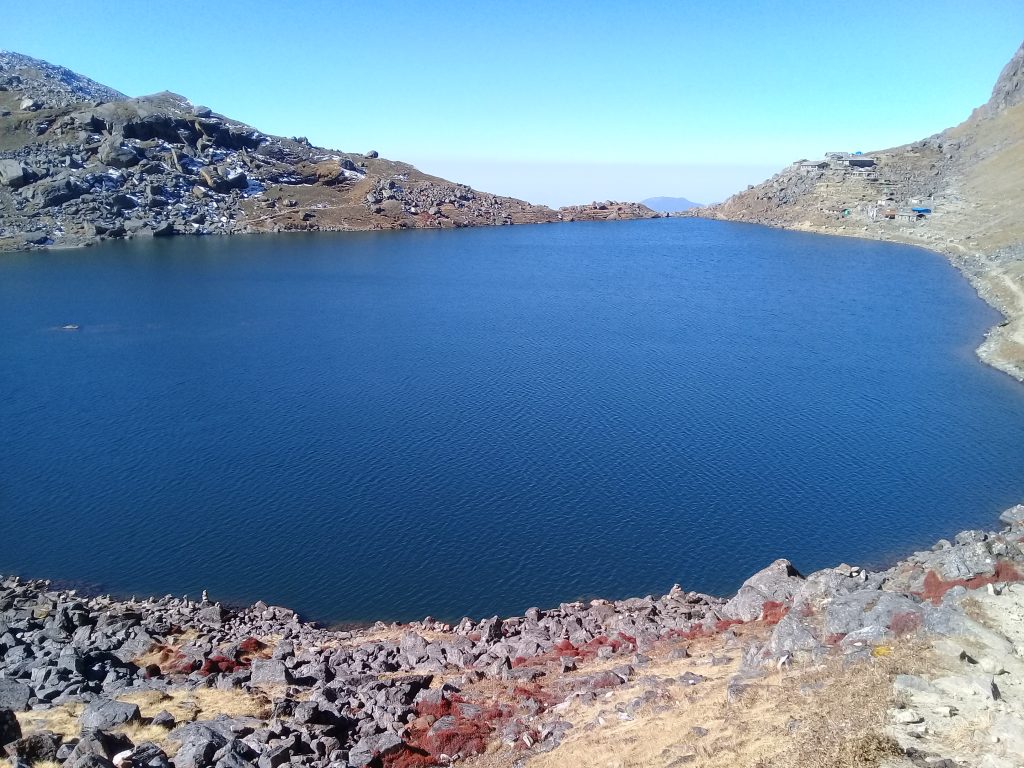
For experienced hikers seeking a more demanding adventure, a full-day hike to Dudh Pokhari offers an unforgettable experience. This pristine glacial lake lies high above the valley amidst rugged alpine terrain, surrounded by dramatic mountain scenery and complete wilderness. The route provides excellent opportunities to experience the untouched beauty of the Kanchenjunga region while further enhancing acclimatization.
Those preferring a more relaxed day can simply explore the peaceful village itself. Ghunsa is home primarily to Sherpa families of Tibetan origin, whose traditional lifestyle has remained largely unchanged for generations. Visitors can stroll through narrow stone pathways, admire beautifully crafted wooden homes, enjoy locally grown organic coffee, and interact with friendly villagers known for their warm hospitality.
A visit to Ghunsa Gompa is highly recommended. Perched above the village, this centuries-old Buddhist monastery is surrounded by colorful prayer flags fluttering in the mountain breeze. The peaceful atmosphere and magnificent Himalayan backdrop make it one of the cultural highlights of the trek.
The acclimatization day in Ghunsa not only prepares trekkers physically for higher elevations but also provides a wonderful opportunity to experience the unique culture, spirituality, and natural beauty of the Kanchenjunga region.
Side Trip to Jannu Base Camp from Khambachen
For trekkers seeking an unforgettable side adventure, the hike from Khambachen (4,050 meters / 13,287 feet) to Jannu Base Camp (approximately 4,700 meters / 15,420 feet) is one of the most rewarding excursions on the Kanchenjunga Circuit Trek. The round-trip journey takes approximately 6 to 7 hours and offers breathtaking alpine scenery rarely experienced by most visitors to Nepal.
The trail gradually ascends across rocky terrain, glacial moraines, and high mountain slopes, with spectacular views unfolding throughout the climb. As elevation increases, the landscape becomes increasingly dramatic, dominated by enormous glaciers, towering cliffs, and expansive alpine valleys.
Along the route stands a remarkable sacred boulder engraved with ancient Tibetan Buddhist mantras. This revered pilgrimage site is an important spiritual landmark where local monks and villagers traditionally offer prayers before continuing toward the sacred slopes of Jannu Himal.
Upon reaching Jannu Base Camp, trekkers are rewarded with extraordinary panoramic views of Mount Jannu (7,710 meters)—also known as Kumbhakarna—one of the most technically demanding and visually impressive mountains in the Himalayas. Its nearly vertical granite walls, massive icefalls, and dramatic summit create an awe-inspiring spectacle.
The surrounding alpine environment is equally remarkable. Depending on the season and a bit of good fortune, trekkers may encounter blue sheep, soaring Himalayan griffon vultures, or even signs of the elusive snow leopard, which inhabits these remote high-altitude landscapes.
The combination of breathtaking scenery, spiritual significance, and pristine wilderness makes the excursion to Jannu Base Camp one of the most memorable experiences of the Kanchenjunga Circuit Trek.
Trek to Nupchu Pokhari – Hidden Glacial Lakes of the Himalayas
Nestled at an altitude of 4,951 meters (16,243 feet), Nupchu Pokhari is one of the Kanchenjunga region’s best-kept secrets. This remarkable side hike leads to two pristine glacial lakes surrounded by towering Himalayan peaks, offering an unforgettable experience for trekkers seeking solitude and spectacular mountain scenery.
The round-trip hike typically takes 3 to 4 hours and follows a gradual ascent through alpine meadows, rocky glacial terrain, and peaceful mountain landscapes. Although the trail steadily gains elevation, the reward at the destination is well worth the effort.
As trekkers approach the lakes, magnificent panoramic views unfold in every direction. Towering peaks such as Mount Kanchenjunga, Jannu (Kumbhakarna), Ghabur Peak, the Pholesobithongje Range, Nupchu Peak, Nagphu, and Sarphu Peak dominate the surrounding skyline.
The crystal-clear glacial lakes rest quietly within a natural basin carved by ancient ice, creating one of the most peaceful and photogenic locations in the eastern Himalayas. Prayer flags flutter gently in the mountain wind, adding a spiritual atmosphere to this remarkable alpine sanctuary.
Far removed from the main trekking trail, Nupchu Pokhari offers visitors an exceptional opportunity to experience the untouched beauty and profound tranquility that define the Kanchenjunga Conservation Area.
Trek to Kanchenjunga North Base Camp (Pangpema)
The journey to Kanchenjunga North Base Camp (Pangpema) represents the ultimate highlight of the Kanchenjunga Circuit Trek. Situated at an elevation of 5,140 meters (16,864 feet), Pangpema offers one of the most spectacular high-altitude viewpoints in the Himalayas.
Beginning from Lhonak, the trail gradually follows the upper reaches of the Kanchenjunga Glacier through a dramatic glacial valley dominated by rocky moraines, frozen streams, and immense mountain walls. As the altitude increases, the landscape becomes increasingly barren and magnificent, emphasizing the raw beauty of the high Himalayas.
Standing at Pangpema is an unforgettable experience. Directly ahead rises the immense north face of Mount Kanchenjunga (8,586 meters), the world’s third-highest mountain. Surrounding this giant are numerous impressive Himalayan summits, including Twin Peaks, Kirat Chuli, Nepal Peak, Pyramid Peak, Cross Peak, Ramtang Peak, Drohmo, Tengkoma, and Chang Himal, creating one of Nepal’s most breathtaking mountain panoramas.
The remote alpine environment is also home to remarkable wildlife. Trekkers frequently observe herds of blue sheep navigating steep mountain slopes, while patient observers may even discover footprints or distant sightings of the elusive snow leopard, one of the rarest predators in the Himalayas.
Reaching Pangpema is both physically demanding and emotionally rewarding. Standing beneath the towering north face of Kanchenjunga, surrounded by glaciers and snow-covered peaks, is an experience that few trekkers ever forget.
Climb to Drohmo Ri (6,100 Meters)
For experienced trekkers seeking an additional challenge, the ascent of Drohmo Ri (6,100 meters / 20,013 feet) offers one of the finest panoramic viewpoints in the entire Kanchenjunga region.
Starting directly from Pangpema, the climb follows grassy alpine slopes before ascending loose scree and rugged boulder fields. Although the route is non-technical under normal conditions, the high altitude and steep terrain require excellent physical fitness, careful pacing, and experienced guidance.
The final section of the ascent involves navigating large boulders and rocky ridges. During early spring or following fresh snowfall, snow may conceal hidden crevasses and unstable ground, making proper route selection and experienced leadership essential.
Upon reaching the summit ridge, trekkers are rewarded with an extraordinary 360-degree panorama. To the north lies the dramatic Drohmo Glacier, while to the south stands the immense north face of Mount Kanchenjunga, rising nearly 3,000 meters above the glacier below. Massive hanging seracs, towering ice cliffs, and endless snowfields create one of the most awe-inspiring mountain landscapes in Nepal.
Despite its relatively modest appearance from Pangpema, Drohmo Ri provides one of the most rewarding viewpoints in the eastern Himalayas. Only a small number of trekkers attempt this ascent, making it a truly exclusive experience for adventurous mountaineers seeking unparalleled views of the Kanchenjunga Glacier and the surrounding Himalayan giants.
Cross the Spectacular Sele La Pass
Crossing Sele La Pass (4,290 meters / 14,075 feet) is one of the most exciting and rewarding sections of the Kanchenjunga Circuit Trek. This high mountain pass connects the northern and southern regions of the Kanchenjunga Conservation Area, allowing trekkers to complete the full circuit instead of retracing their steps.
The day begins with a steady ascent from Sele La High Camp (4,200 meters) through alpine meadows, rocky ridges, and glacial terrain. As you gain elevation, the landscape becomes increasingly rugged, while the crisp mountain air and breathtaking surroundings make every step worthwhile.
Upon reaching the summit of Sele La Pass, you will be rewarded with magnificent panoramic views of the eastern Himalayas. Towering above the landscape are Mount Kanchenjunga (8,586 meters) and Mount Jannu (Kumbhakarna, 7,710 meters), accompanied by countless snow-covered peaks stretching across the horizon. On exceptionally clear days, distant views of Mount Makalu and even Mount Everest can be seen far to the west.
The descent towards Cheram passes through remote alpine valleys, glacial streams, and pristine mountain scenery. Although physically demanding due to the altitude and rugged terrain, crossing Sele La Pass is one of the most memorable achievements of the Kanchenjunga Circuit Trek and offers some of the finest mountain views in eastern Nepal.
Trek to Kanchenjunga South Base Camp (Oktang)
The journey to Kanchenjunga South Base Camp (Oktang) is another unforgettable highlight of the Kanchenjunga Circuit Trek. Located at an altitude of 4,730 meters (15,518 feet), Oktang offers a completely different perspective of Mount Kanchenjunga and its surrounding Himalayan giants.
Beginning from Ramche, the trail gradually ascends through expansive yak pastures, glacial moraines, alpine meadows, and rugged mountain terrain. The route follows the magnificent Yalung Glacier, one of the largest glaciers in eastern Nepal, creating an extraordinary alpine landscape unlike anywhere else in the Himalayas.
As you approach the base camp, the scenery becomes increasingly dramatic. The immense south face of Mount Kanchenjunga (8,586 meters) rises directly before you, accompanied by spectacular views of Mount Rathong, the Kabru Range, Talung Peak, and Boktoh Peak. The massive Yalung Glacier flows beneath these towering mountains, creating one of Nepal’s most impressive natural spectacles.
Sunrise at Oktang is particularly breathtaking, as the first rays of sunlight illuminate the glaciers and snow-covered peaks with brilliant shades of gold, orange, and pink. The peaceful atmosphere, combined with the absence of crowds, creates a truly unforgettable Himalayan experience.
Unlike many popular trekking destinations, Kanchenjunga South Base Camp remains remarkably untouched. Its remote location offers trekkers a rare opportunity to experience the Himalayas in their purest form, surrounded by silence, pristine wilderness, and magnificent mountain scenery.
Landscape, Flora & Fauna
The Kanchenjunga Circuit Trek passes through one of Nepal’s most ecologically diverse mountain regions. As the trail climbs from approximately 1,200 meters to over 5,000 meters, trekkers experience an extraordinary transition through multiple climatic zones, each supporting unique ecosystems and remarkable biodiversity.
Lower elevations are characterized by lush subtropical forests featuring Schima, Castanopsis, and various broadleaf species. As the trail ascends, these forests gradually transform into magnificent temperate woodlands filled with ancient oak, maple, pine, fir, magnolia, and vibrant rhododendron trees that burst into spectacular bloom during the spring season.
Between 3,000 and 4,000 meters, trekkers enter the subalpine zone, where Himalayan larch, juniper, dwarf rhododendron, and alpine shrubs dominate the landscape. During autumn, the golden foliage creates a striking contrast against the snow-covered Himalayan peaks.
Above the tree line, the scenery changes dramatically into alpine grasslands, rocky slopes, glacial valleys, and permanent snowfields. These harsh environments support only the toughest alpine vegetation, including sedges, alpine grasses, mosses, and hardy wildflowers adapted to extreme mountain conditions.
The Kanchenjunga Conservation Area is one of Nepal’s richest biodiversity hotspots and protects an extraordinary variety of plant and animal species. The conservation area is home to:
- More than 2,000 species of flowering plants, including numerous endemic Himalayan species.
- Over 250 species of birds.
- More than 20 species of mammals.
- Dozens of species of butterflies, insects, fish, and amphibians.
Wildlife enthusiasts have excellent opportunities to observe a wide variety of Himalayan animals throughout the trek. Among the region’s most notable inhabitants are the endangered Snow Leopard, Red Panda, Himalayan Black Bear, Clouded Leopard, Musk Deer, Blue Sheep, Himalayan Tahr, Goral, Serow, Barking Deer, Assamese Macaque, Gray Langur, Yellow-throated Marten, Porcupine, Pika, and Leopard Cat.
Birdwatchers will also find the region exceptionally rewarding. The forests and alpine slopes are home to species such as the colorful Himalayan Monal (Danphe)—Nepal’s national bird—as well as the Blood Pheasant, Snow Partridge, Golden-breasted Fulvetta, Red-billed Chough, Himalayan Griffon, and numerous high-altitude songbirds.
The remarkable ecological diversity found within the Kanchenjunga Conservation Area makes this trek one of Nepal’s finest destinations for nature lovers, wildlife enthusiasts, photographers, and birdwatchers alike.
Culture, People & Festivals
Beyond its spectacular landscapes, the Kanchenjunga region offers one of Nepal’s richest cultural experiences. The remote mountain valleys are home to several indigenous communities, including the Lepcha, Sherpa, Limbu, Rai, and Tamang people, each preserving unique languages, customs, traditions, and spiritual beliefs that have been passed down through generations.
Life in the Kanchenjunga region remains deeply connected to nature. Most local families rely on agriculture, yak and livestock herding, and small-scale trade for their livelihoods. Along the trekking route, visitors will observe traditional stone houses, terraced farmland, yak pastures, and centuries-old villages where daily life continues much as it has for generations.
The region reflects a fascinating blend of Tibetan Buddhism, Hinduism, and ancient indigenous beliefs. Throughout the journey, trekkers encounter colorful prayer flags, intricately carved mani walls, sacred chortens, and peaceful Buddhist monasteries, including the historic Ghunsa Monastery, one of the region’s most important religious sites.
Traditional beliefs remain an important part of everyday life. Many local communities continue to practice shamanism and animism alongside Buddhism, maintaining ancient rituals, ceremonies, and folklore that are unique to eastern Nepal. Stories of sacred mountains, guardian spirits, hidden valleys, and legendary Himalayan creatures have been passed down through generations and continue to form an important part of local identity.
Hospitality is another defining feature of the Kanchenjunga region. Despite living in one of Nepal’s most remote mountain environments, local people warmly welcome visitors, offering genuine kindness and allowing trekkers to experience authentic Himalayan culture firsthand.
If your trek coincides with one of the region’s traditional festivals, you will have the opportunity to witness vibrant celebrations that showcase the area’s rich cultural heritage.
Lhosar (Tibetan New Year)
Celebrated during February or March, Lhosar marks the Tibetan New Year and is one of the region’s most significant festivals. Families gather for religious ceremonies, traditional music, colorful dances, masked performances, and festive meals while offering prayers for prosperity, health, and good fortune.
Dumje Festival
Observed primarily by the Sherpa community during June, Dumje commemorates the birth of Guru Rinpoche (Padmasambhava). Monasteries come alive with prayer ceremonies, traditional dances, sacred rituals, and community gatherings that celebrate Buddhist teachings and cultural heritage.
Buddha Jayanti
Celebrated during the full moon in May, Buddha Jayanti commemorates the birth, enlightenment, and passing of Lord Buddha. Monasteries are beautifully decorated with prayer flags and butter lamps as local communities gather for prayers, processions, and acts of generosity.
Tiji Festival
Although most famously celebrated in Upper Mustang, Tibetan Buddhist communities in parts of the Kanchenjunga region also observe elements of the Tiji Festival. Held during May, this colorful three-day celebration symbolizes the triumph of wisdom and compassion over ignorance and evil through sacred masked dances, religious ceremonies, and traditional performances.
The Kanchenjunga Circuit Trek is far more than a journey through spectacular Himalayan landscapes. It is an opportunity to experience one of Nepal’s most authentic mountain cultures, where centuries-old traditions, spiritual heritage, and extraordinary natural beauty come together to create a truly unforgettable trekking adventure.
Why Is the Kanchenjunga Region a Restricted Trekking Area?
The Kanchenjunga Circuit Trek takes place within one of Nepal’s officially designated restricted trekking regions. The Government of Nepal has implemented special regulations to protect the area’s exceptional natural environment, unique cultural heritage, and strategically important border region.
Located in the far eastern Himalayas, the Kanchenjunga region borders both Tibet (China) and the Indian state of Sikkim. Due to its proximity to these international borders, visitor access is carefully regulated to ensure security while preserving the region’s fragile ecosystems and traditional communities.
The trekking route also passes through the Kanchenjunga Conservation Area, one of Nepal’s most significant protected landscapes. Covering more than 2,000 square kilometers, the conservation area safeguards diverse ecosystems ranging from subtropical forests to alpine glaciers. It is home to numerous endangered species, including the Snow Leopard, Red Panda, Himalayan Black Bear, Clouded Leopard, and many rare Himalayan birds and plants.
Equally important is the preservation of the region’s rich cultural heritage. Indigenous communities such as the Limbu, Sherpa, Rai, Lepcha, and Tamang people have maintained their traditional lifestyles, languages, customs, and spiritual practices for centuries. Restricting visitor numbers helps protect these unique cultures from the pressures of mass tourism while promoting sustainable community-based tourism.
To maintain the ecological and cultural integrity of the region, independent, unguided trekking is not permitted.
Under Nepal’s current trekking regulations, trekkers must obtain the required permits through a registered trekking agency and be accompanied by a licensed trekking guide throughout the journey. This system ensures visitor safety while supporting responsible tourism and conservation efforts within the Kanchenjunga region.
Kanchenjunga Circuit Trek Permits & Costs
Because the Kanchenjunga region is classified as a restricted trekking area, all visitors must obtain the necessary permits before beginning the trek. These permits help regulate visitor numbers, support conservation initiatives, and contribute to the sustainable development of local communities.
The following permits are required for the Kanchenjunga Circuit Trek:
Restricted Area Permit (RAP)
The Restricted Area Permit (RAP) is mandatory for trekking between Tapethok and Yamphudin, the restricted section of the Kanchenjunga region.
- Permit Fee: US$20 per person per week
- Issued only through a registered Nepalese trekking agency.
- A licensed trekking guide is mandatory.
- Required for all foreign trekkers entering the restricted area.
Kanchenjunga Conservation Area Permit (KCAP)
The Kanchenjunga Conservation Area Permit (KCAP) allows entry into the protected conservation area and directly supports wildlife conservation, environmental protection, and local community development.
- Permit Fee: NPR 2,000 per person
- Required for all trekkers entering the conservation area.
- Valid for the duration of the trek.
All permits must be obtained before the trek begins. Your authorized trekking agency will arrange the necessary documentation on your behalf, allowing you to focus entirely on your Himalayan adventure.
Trekkers are advised to carry both permits throughout the journey, as they will be checked at multiple permit checkpoints along the route.
Kanchenjunga Trek: Private Trek or Group Departure?
One of the most common questions among trekkers is whether the Kanchenjunga Circuit Trek can be completed independently or whether joining a group is a better option.
Although independent, unguided trekking is not permitted in the Kanchenjunga region, trekkers have the flexibility to choose between a private guided trek or a scheduled group departure.
Private Guided Trek
A private Kanchenjunga Circuit Trek offers the greatest level of flexibility and personalized service. Whether you are traveling alone, with family, or with friends, your itinerary can be customized to match your interests, pace, and fitness level.
With a private trek, you can enjoy:
- A flexible trekking schedule tailored to your pace.
- Personalized guidance from an experienced local guide.
- Greater opportunities for photography, wildlife observation, and cultural interaction.
- Individual attention and enhanced comfort throughout the journey.
- A more peaceful and immersive Himalayan experience.
This option is ideal for travelers seeking privacy, flexibility, and a highly personalized trekking adventure.
Group Joining Trek
Joining a scheduled group departure is an excellent choice for trekkers looking for a more economical option while sharing the experience with fellow adventurers from around the world.
Group treks offer several advantages, including:
- Lower overall trekking costs through shared transportation, guide, and porter expenses.
- The opportunity to meet like-minded travelers.
- A supportive and enjoyable group atmosphere.
- Professionally organized logistics and fixed departure dates.
Whether you choose a private trek or join a group, all trekking arrangements—including permits, transportation, accommodation, experienced guides, and logistical support—are professionally managed by your trekking agency.
At Himalaya soul treks, we specialize in organizing both customized private treks and scheduled group departures to the Kanchenjunga region. With more than a decade of experience leading expeditions in eastern Nepal, our knowledgeable local guides ensure a safe, well-organized, and rewarding journey through one of the Himalayas’ most spectacular and least-explored trekking destinations.
Kanchenjunga Circuit Trek Difficulty
The Kanchenjunga Circuit Trek is regarded as one of Nepal’s most demanding trekking adventures due to its remote location, challenging terrain, high mountain passes, and extended duration. Unlike the more developed trekking routes in Nepal, this expedition requires excellent physical fitness, mental resilience, and prior trekking experience at higher elevations.
Throughout the journey, you will cross several mountain passes above 4,000 meters and reach a maximum altitude of 5,143 meters (16,873 feet) at Kanchenjunga North Base Camp (Pangpema). Trekking at these elevations means reduced oxygen levels, making even moderate climbs significantly more demanding. Long ascents, steep descents, rocky trails, glacial moraines, and rugged mountain paths require consistent endurance and careful pacing.
One of the defining challenges of the Kanchenjunga Circuit is its remoteness. Once you enter the region, road access is virtually nonexistent, and modern facilities are extremely limited. Tea houses are simple, communication networks are unreliable, and emergency services are only available in limited locations. Trekkers should be prepared to walk 6 to 8 hours daily, often for more than two consecutive weeks.
The physical demands are matched by the mental challenge of trekking in isolated mountain environments. Changing weather, basic accommodation, limited connectivity, and continuous days on the trail require patience, flexibility, and determination.
For these reasons, the Kanchenjunga Circuit Trek is best suited for experienced trekkers or physically fit adventurers who are prepared for a strenuous Himalayan expedition. While beginners may complete the trek with proper preparation, they should undergo several weeks of cardiovascular training, strength exercises, and hiking practice before arriving in Nepal.
At Nepal Trekking Experts, your safety remains our highest priority. Our experienced local guides are highly trained in high-altitude trekking, acclimatization management, and emergency response. We carefully design the itinerary with gradual altitude gain, sufficient acclimatization, and experienced porters to reduce your physical load, allowing you to enjoy this extraordinary Himalayan adventure safely and comfortably.
How Can I Prevent Altitude Sickness During the Kanchenjunga Trek?
Altitude sickness is one of the most important considerations during the Kanchenjunga Circuit Trek. As the trail gradually climbs above 2,500 meters, the oxygen level decreases significantly, requiring your body sufficient time to adapt. Since this trek involves multiple nights above 3,500 meters and reaches a maximum elevation of 5,143 meters, proper acclimatization is essential.
Acute Mountain Sickness (AMS) commonly begins with mild symptoms such as headaches, fatigue, dizziness, nausea, loss of appetite, and difficulty sleeping. If ignored, these symptoms can progress into more serious conditions such as High Altitude Pulmonary Edema (HAPE) or High Altitude Cerebral Edema (HACE), both of which require immediate medical attention.
Fortunately, altitude sickness can usually be prevented by following proper trekking practices. The most effective strategy is maintaining a slow and steady pace while allowing adequate time for acclimatization. Drinking 3 to 4 liters of water daily, eating nutritious meals, avoiding alcohol and smoking, and getting sufficient rest all contribute to successful acclimatization.
Some trekkers choose to take Acetazolamide (Diamox) after consulting their physician, as it may help accelerate the acclimatization process. Traditional remedies such as warm soups, ginger tea, garlic soup, and staying well hydrated may also provide additional comfort during high-altitude trekking.
If symptoms become more severe, the safest course of action is to stop ascending immediately and descend to a lower altitude. Under no circumstances should trekkers attempt to ignore or push through serious altitude symptoms.
When trekking with Nepal Trekking Experts, you will be accompanied by experienced high-altitude guides who continuously monitor your health, pace the trek appropriately, and respond quickly to any signs of altitude-related illness. Our carefully planned itinerary is specifically designed to maximize acclimatization while minimizing health risks.
Best Time, Season, and Month for the Kanchenjunga Circuit Trek
The ideal seasons for the Kanchenjunga Circuit Trek are Spring (March to May) and Autumn (September to November). These months offer stable weather, comfortable temperatures, clear mountain views, and the safest trekking conditions throughout the eastern Himalayas.
Among these seasons, April and October are widely regarded as the finest months for trekking.
During Spring, the mountainsides come alive with colorful rhododendron forests, blooming alpine flowers, lush valleys, and increased wildlife activity. Clear skies provide exceptional visibility of Mt. Kanchenjunga, Mt. Jannu, Makalu, and many surrounding Himalayan peaks.
Autumn offers crystal-clear skies, dry trails, pleasant daytime temperatures, and some of the finest mountain photography opportunities in Nepal. October is particularly popular thanks to its consistent weather and the festive atmosphere created by Nepal’s major celebrations, including Dashain and Tihar.
For the best trekking experience, mornings are generally the most favorable time to walk. Early departures provide cooler temperatures, calm weather, and the clearest mountain views before afternoon clouds develop.
Preparation Tips for the Kanchenjunga North and South Base Camp Trek
Proper preparation greatly increases both your enjoyment and safety during the Kanchenjunga Circuit Trek. Consider the following recommendations before beginning your adventure:
- Begin physical training at least four to six weeks before departure, focusing on cardiovascular endurance, leg strength, and long-distance hiking.
- Follow a carefully planned itinerary that includes adequate acclimatization days to reduce the risk of altitude sickness.
- Pack appropriate clothing for rapidly changing mountain weather, including thermal layers, waterproof outerwear, insulated gloves, a quality sleeping bag, and sturdy trekking boots.
- Arrange all required trekking permits through a registered Nepalese trekking agency before starting the trek.
- Travel with an experienced licensed guide who understands the terrain, weather conditions, and altitude management.
- Prepare mentally for remote conditions with limited communication, basic accommodation, and minimal modern facilities.
- Schedule your trek during Spring or Autumn for the safest weather and best visibility.
- Maintain a healthy diet throughout the trek and drink plenty of water each day to remain properly hydrated.
- Purchase comprehensive travel insurance that includes high-altitude trekking and emergency helicopter evacuation coverage.
Careful preparation allows you to fully appreciate the spectacular scenery, diverse cultures, and unforgettable wilderness of the Kanchenjunga region.
Transportation and Road Conditions to the Kanchenjunga Circuit Trek
Reaching the Kanchenjunga Circuit Trek is an adventure in itself. Located in the remote eastern region of Nepal, the journey combines flights, scenic drives, and mountain roads before the trekking trail officially begins.
Most trekkers choose to fly from Kathmandu to Bhadrapur before continuing by private jeep to Taplejung. This is the fastest, most comfortable, and most reliable option. Budget travelers may alternatively travel by public bus, although the journey is considerably longer and less comfortable.
Bus Journey from Kathmandu to Bhadrapur
Traveling by public bus offers the most economical way to reach eastern Nepal but also requires the longest travel time. The journey from Kathmandu to Bhadrapur typically takes 18 to 20 hours, followed by another overland journey to Taplejung by local jeep or public vehicle.
Public buses usually depart from Gongabu Bus Park early in the morning. Although inexpensive, travelers should expect limited legroom, frequent stops, and basic travel conditions throughout the journey.
From Bhadrapur, local jeeps generally depart in the morning, while private jeeps offer complete flexibility and can depart according to your preferred schedule. Most trekkers choose to leave around 7:00 AM to reach Taplejung before evening.
For greater comfort and flexibility, Nepal Trekking Experts strongly recommends hiring a private jeep between Bhadrapur and Taplejung. This allows regular rest stops for meals, refreshments, photography, and sightseeing along the scenic eastern hills.
Please Note: Although traveling by bus is more economical, it is also significantly more tiring. Our Kanchenjunga Circuit Trek package includes domestic flights in both directions, providing a much more comfortable start and finish to your adventure.
Flights from Kathmandu to Bhadrapur
Flying from Kathmandu to Bhadrapur is the most convenient way to begin the Kanchenjunga Circuit Trek. The flight takes approximately 45 minutes and offers spectacular aerial views of Nepal’s diverse landscapes and Himalayan ranges.
On clear days, passengers may enjoy remarkable views of Everest, Makalu, Kanchenjunga, and numerous surrounding peaks during the flight.
Several domestic airlines, including Buddha Air, Yeti Airlines, and Shree Airlines, operate regular daily flights between Kathmandu and Bhadrapur. Flight fares generally start at approximately US$130 per person each way, depending on the season and airline availability.
During the busy Spring and Autumn trekking seasons, flights often sell out well in advance. Nepal Trekking Experts arranges all domestic flight reservations prior to your arrival, ensuring a smooth and hassle-free travel experience.
Bhadrapur Airport
Bhadrapur Airport, also known as Chandragadhi Airport, serves as the primary gateway to the Kanchenjunga region. Located in Jhapa District, approximately 4.6 kilometers from Bhadrapur Bazaar, it connects eastern Nepal with Kathmandu through multiple daily domestic flights.
Originally established as a military airfield, the airport has since been upgraded with a paved runway and modern facilities. Situated at an elevation of only 91 meters (300 feet) above sea level, it is one of Nepal’s lowest-altitude airports.
Several domestic airlines currently operate scheduled services to Bhadrapur, making it the preferred access point for trekkers traveling to Taplejung and the Kanchenjunga Conservation Area.
Suketar Airport
Suketar Airport, located in Phungling, Taplejung District, is geographically much closer to the Kanchenjunga trekking trail. However, despite its convenient location, flights to Suketar remain highly irregular and are frequently affected by weather conditions and limited passenger demand.
Although the runway was upgraded and reopened in 2016, flight operations remain inconsistent. Services are occasionally provided by Nepal Airlines and several private carriers, but cancellations and delays are common due to changing mountain weather.
For this reason, Nepal Trekking Experts generally does not recommend relying on flights to Suketar. Instead, we recommend flying to Bhadrapur followed by a comfortable private jeep transfer to Taplejung, providing a more reliable and efficient start to your Kanchenjunga Circuit Trek.
Trekking & Hiking Equipment List for the Off-The-Beaten-Path Kanchenjunga Trek
Below is a comprehensive packing list for your trek to Kanchenjunga Circuit.
Clothing:
- Synthetic or merino wool T-shirts
- Long-sleeve thermal tops
- Thermal leggings
- Fleece jacket or pullover
- Down jacket (warm and compressible)
- Hardshell waterproof jacket with hood (Gore-Tex or similar)
- Waterproof trekking pants
- Lightweight windbreaker (optional)
- Quick-dry trekking pants
- Breathable long-sleeve shirts
- Comfortable pants for teahouse/camp evenings
- Moisture-wicking underwear
- Sports bra (if applicable)
- Wool/fleece beanie
- Sun hat or cap with a wide brim
- Buff or neck gaiter
Footwear:
- High-ankle waterproof trekking boots (broken-in, sturdy sole)
- Lightweight camp shoes or sandals
- Thermal/hiking socks
- Trekking Gear & Equipment:
- Trekking poles (adjustable, with snow baskets)
- Headlamp (with extra batteries)
- 4-season sleeping bag rated to -20°C / -5°F (Provided by some agencies like NTE)
- Duffel bag (60 to 80L)
- Daypack (25 to 35L) with rain cover
- Water bottles
- Water purification tablets or a filter
- Sunglasses (UV protection, glacier-ready)
- Trekking towel (quick-dry)
- Personal first aid kit
- Trail snacks (energy bars, nuts, chocolate, dried fruits)
Personal Items:
- Toothbrush & toothpaste
- Biodegradable soap & shampoo
- Wet wipes (essential for limited shower days)
- Hand sanitizer
- Lip balm with SPF
- Sunscreen (SPF 50+)
- Deodorant
- Toilet paper
- Personal medications (if any)
- Basic first-aid kit
- Power bank
- Charging cables (USB/lightning type)
- Adapter (type C/D/M)
- Extra batteries (for camera, headlamp)
No details found.
Itineraries
Day 1
Fly from Kathmandu to Bhadrapur, Then Drive to Phikkal Bazaar
Flight Duration: 45 MinutesDrive Duration: 3 Hours (52 km)Overnight Altitude: 1,000 meters / 3,281 feetMeals: Breakfast, Lunch, and DinnerAccommodation: Tea House
After an early breakfast, you will take a scenic 45-minute flight from Kathmandu to Bhadrapur, enjoying spectacular aerial views of Nepal’s lush hills, winding rivers, and distant Himalayan peaks. Upon arrival in eastern Nepal, you will begin a picturesque three-hour drive (52 km) to Phikkal Bazaar, one of Nepal’s most famous tea-growing destinations, nestled in the heart of the beautiful Ilam district.
The journey passes through rolling green hills, peaceful villages, and expansive tea plantations, gradually introducing you to the tranquil landscapes of eastern Nepal. Often referred to as the “Tea Capital of Nepal,” Ilam is renowned for its cool climate, fertile hillsides, and world-class tea production.
Situated at an elevation of 1,000 meters (3,281 feet), Phikkal Bazaar offers a peaceful atmosphere surrounded by emerald tea gardens, rhododendron-covered hills, and traditional hill settlements. Upon arrival, you will check into a comfortable local tea house, where you can relax and enjoy a freshly brewed cup of authentic Ilam tea. This leisurely day provides the perfect introduction to the region while allowing your body to gradually adjust before the trekking adventure begins.
Day 2
Drive from Phikkal Bazaar to Taplejung
Drive Duration: 8–9 Hours (189 km) by Shared JeepOvernight Altitude: 1,820 meters / 5,971 feetMeals: Breakfast, Lunch, and DinnerAccommodation: Tea House
Following breakfast, you will embark on a scenic journey from Phikkal Bazaar to Taplejung, traveling approximately 189 kilometers by shared jeep. The drive takes around 8 to 9 hours, winding through lush tea estates, terraced farmland, forested hillsides, and traditional mountain villages.
As you travel deeper into eastern Nepal, you will pass colorful prayer flags, ancient Buddhist monasteries, and picturesque settlements that reflect the rich cultural heritage of the region. The constantly changing scenery offers an excellent introduction to the landscapes that await during the Kanchenjunga Circuit Trek.
Situated at an altitude of 1,820 meters (5,971 feet), Taplejung serves as the principal gateway to the Kanchenjunga Conservation Area. This lively hill town is surrounded by rhododendron forests and dramatic mountain ridges, providing your final opportunity to purchase any last-minute supplies before entering the remote Himalayan wilderness.
Day 3
Drive from Taplejung to Sekathum, Then Trek to Lamatar
Drive Duration: 4–5 HoursTrekking Duration: Approximately 2–3 HoursOvernight Altitude: 1,950 meters / 6,397 feetMeals: Breakfast, Lunch, and DinnerAccommodation: Tea House
Today marks the official beginning of your trekking adventure. After breakfast, you will leave Taplejung and enjoy an exciting four to five-hour jeep ride to Sekathum, following the beautiful Tamor River through rugged mountain landscapes, traditional villages, terraced fields, and dense forests.
Upon arriving in Sekathum, you will enjoy a freshly prepared lunch before setting off on your first hike of the expedition. The trail follows the river through peaceful forests, crosses suspension bridges, and gradually ascends into the remote hills of eastern Nepal.
After a gentle afternoon trek, you will reach the quiet village of Lamatar at an elevation of 1,950 meters (6,397 feet). Surrounded by forested hills and untouched natural beauty, Lamatar provides a peaceful setting for your first overnight stay along the Kanchenjunga Circuit.
Day 4
Trek from Lamatar to Gyabla
Trekking Duration: 6–7 Hours (14 km)Overnight Altitude: 2,730 meters / 8,957 feetMeals: Breakfast, Lunch, and DinnerAccommodation: Tea House
Today’s trek leads you deeper into the pristine wilderness of the Kanchenjunga Conservation Area. Covering approximately 14 kilometers, the trail gradually ascends through dense forests of rhododendron, oak, bamboo, and pine, offering one of the most scenic sections of the entire trek.
Along the route, you will cross crystal-clear streams, pass cascading waterfalls, and walk beneath towering moss-covered trees. The peaceful surroundings provide excellent opportunities to observe the region’s remarkable biodiversity, including colorful Himalayan bird species, langur monkeys, and, with a bit of luck, the elusive red panda.
After six to seven hours of trekking, you will arrive at the picturesque village of Gyabla, situated at 2,730 meters (8,957 feet). This traditional Tibetan-influenced settlement is surrounded by forested hills and distant snow-capped peaks. Here, you will experience the warm hospitality of the local Sherpa and Limbu communities while enjoying a comfortable overnight stay in a traditional tea house.
Day 5
Trek from Gyabla to Ghunsa
Trekking Duration: 5 Hours (10 km)Overnight Altitude: 3,595 meters / 11,795 feetMeals: Breakfast, Lunch, and DinnerAccommodation: Tea House
Today you will continue your journey toward Ghunsa, one of the most beautiful and culturally significant villages in the Kanchenjunga region. The trail follows the Ghunsa Khola through fragrant pine forests, vibrant rhododendron groves, and peaceful alpine landscapes.
Along the way, you will pass through the charming village of Phole, renowned for its traditional Tibetan architecture, handwoven carpets, colorful prayer flags, and centuries-old Buddhist monastery. This peaceful settlement offers a fascinating glimpse into the rich cultural heritage of the region.
Continuing onward, the trail gradually climbs to Ghunsa, where magnificent views of Mount Jannu (Kumbhakarna) and surrounding Himalayan peaks begin to emerge. At an elevation of 3,595 meters (11,795 feet), Ghunsa is the largest Sherpa settlement in the region, featuring traditional stone houses, welcoming tea houses, and a vibrant Tibetan Buddhist atmosphere.
Day 6
Acclimatization Day at Ghunsa
Overnight Altitude: 3,595 meters / 11,795 feetMeals: Breakfast, Lunch, and DinnerAccommodation: Tea House
Today is dedicated to acclimatization, an essential part of ensuring a safe and successful high-altitude trek. Rather than remaining inactive, you are encouraged to participate in light hikes that help your body gradually adapt to the increasing elevation.
One excellent option is a hike to the nearby Tongya Viewpoint, a rewarding four-hour round-trip that offers spectacular panoramic views of the surrounding valleys and Himalayan peaks. More experienced trekkers may choose the longer and more demanding excursion to Dudh Pokhari, a pristine glacial lake requiring approximately 11 to 12 hours of hiking.
Alternatively, you may spend the day exploring Ghunsa village, visiting the peaceful Ghunsa Monastery, observing local Sherpa life, or simply relaxing while enjoying the magnificent alpine scenery. The village’s prayer flags, stone houses, and friendly residents provide an authentic cultural experience in the heart of the eastern Himalayas.
Following your exploration, you will return to your tea house for a warm dinner and prepare for the higher elevations ahead.
Day 7
Trek from Ghunsa to Khambachen
Trekking Duration: 5–6 Hours (10 km)Overnight Altitude: 4,050 meters / 13,287 feetMeals: Breakfast, Lunch, and DinnerAccommodation: Tea House
Today’s trek takes you from Ghunsa into the high alpine wilderness as you make your way toward Khambachen. The landscape changes dramatically as lush forests gradually give way to rocky valleys, glacial moraines, and sparse alpine vegetation.
The trail follows the river through spectacular mountain scenery beneath the towering north face of Mount Jannu (7,710 meters), one of the Himalayas’ most impressive peaks. Along the way, you may encounter Himalayan blue sheep, Himalayan tahr, and, if fortune favors you, signs of the elusive snow leopard.
After approximately five to six hours of trekking, you will reach the peaceful settlement of Khambachen at an elevation of 4,050 meters (13,287 feet). This remote village is surrounded by dramatic mountain peaks and offers magnificent views of the surrounding glaciers and alpine landscapes. The warm hospitality of the local people and the tranquil atmosphere make Khambachen an unforgettable overnight destination.
Day 8
Acclimatization Day at Khambachen
Overnight Altitude: 4,050 meters / 13,287 feetMeals: Breakfast, Lunch, and DinnerAccommodation: Tea House
Today is your second acclimatization day, allowing your body to adjust further before ascending to even higher elevations.
You may choose between two outstanding side excursions. The first option is a challenging full-day hike to Jannu Base Camp (4,700 meters / 15,420 feet). This rewarding six to seven-hour round-trip follows rocky ridges and glacial terrain, offering breathtaking close-up views of Mount Jannu, hanging glaciers, and dramatic alpine scenery.
Alternatively, you may enjoy a shorter three-hour excursion to the beautiful Nupchu Pokhari, a pristine glacial lake surrounded by snow-covered peaks and alpine meadows. This peaceful hike provides outstanding photographic opportunities while contributing to proper acclimatization.
Regardless of your chosen excursion, today’s activities are carefully designed to help your body adapt safely to the increasing altitude while allowing you to experience the remarkable natural beauty of the Kanchenjunga Conservation Area.
After returning to Khambachen, you will enjoy a warm dinner and a comfortable overnight stay at your tea house.
Day 9
Trek from Khambachen to Lhonak
Trekking Duration: 4–5 Hours (9 km)Overnight Altitude: 4,780 meters / 15,682 feetMeals: Breakfast, Lunch, and DinnerAccommodation: Tea House
Today’s journey takes you into the spectacular high-altitude landscapes of the Kanchenjunga Glacier as you trek from Khambachen to Lhonak. The trail gradually ascends through rugged glacial moraines, rocky slopes, and wide alpine valleys, surrounded by breathtaking views of towering Himalayan peaks.
As you gain elevation, vegetation becomes increasingly sparse, creating a dramatic landscape dominated by glaciers, rocky ridges, and snow-covered mountains. Keep an eye out for Himalayan blue sheep and other alpine wildlife that inhabit this remote wilderness.
After four to five hours of trekking, you will arrive at the isolated settlement of Lhonak, situated at 4,780 meters (15,682 feet). This small cluster of tea houses serves as the final overnight stop before reaching Kanchenjunga North Base Camp (Pangpema). Surrounded by magnificent peaks, including Nepal Peak, Wedge Peak, and Mera Peak, Lhonak offers a truly unforgettable Himalayan experience.
Following a hearty dinner, you will rest early in preparation for tomorrow’s exciting journey to the spectacular Kanchenjunga North Base Camp.
Day 10
Hike to Kanchenjunga North Base Camp (Pangpema) and Return to Lhonak
Walking Duration: 7–8 Hours
Maximum Altitude: 5,143 meters / 16,873 feet (Pangpema)
Overnight Altitude: 4,780 meters / 15,682 feet (Lhonak)
Meals: Breakfast, Lunch, and Dinner
Accommodation: Tea House
Today marks the highlight of your Kanchenjunga Circuit Trek as you hike to Kanchenjunga North Base Camp (Pangpema), situated at an elevation of 5,143 meters (16,873 feet). Departing early from Lhonak, you will follow a rugged trail through a spectacular glacial valley surrounded by towering Himalayan peaks. Although the altitude makes the hike physically demanding, the breathtaking scenery provides ample reward for every step.
As you ascend, magnificent views of Mount Kanchenjunga (8,586 m), Mount Jannu (Kumbhakarna), Nepal Peak, Tent Peak, and several other snow-covered summits dominate the skyline. The trail passes ancient glacial moraines, colorful alpine vegetation, and prayer-flag-covered ridges that reflect the spiritual significance of this sacred mountain.
Upon reaching Pangpema, you will stand directly beneath the magnificent north face of the world’s third-highest mountain. The dramatic panorama of glaciers, towering cliffs, and endless snowfields creates one of the most unforgettable experiences in the Himalayas. After spending time exploring the base camp, taking photographs, and enjoying a packed or hot lunch depending on conditions, you will descend to Lhonak for an overnight stay.
During favorable conditions and when accommodation is available, it may also be possible to spend the night at Pangpema.
Day 11
Trek from Lhonak to Ghunsa
Walking Duration: 6 Hours
Distance: 20 km
Overnight Altitude: 3,595 meters / 11,795 feet
Meals: Breakfast, Lunch, and Dinner
Accommodation: Tea House
After an unforgettable visit to Kanchenjunga North Base Camp, you will retrace your route back to the beautiful Sherpa village of Ghunsa. Descending through glacial valleys and rugged alpine landscapes, the trail offers an entirely different perspective of the surrounding mountains.
Throughout the day, you will enjoy spectacular views of Mount Jannu, dramatic icefalls, glacier-fed rivers, and the vast Kanchenjunga massif. As you gradually lose elevation, the air becomes richer in oxygen and the trail feels more comfortable.
Along the way, keep an eye out for Himalayan blue sheep, Himalayan griffons, and other alpine wildlife. Eventually, the barren high-altitude landscape transforms into forests of pine and rhododendron as you approach Ghunsa. Upon arrival, you will enjoy the warm hospitality of the local Sherpa community and relax in a comfortable tea house.
Day 12
Trek from Ghunsa to Selele Base Camp
Walking Duration: 5 Hours
Distance: 7 km
Overnight Altitude: 4,200 meters / 13,780 feet
Meals: Breakfast, Lunch, and Dinner
Accommodation: Tea House
Today’s journey takes you from the peaceful village of Ghunsa to the remote Selele Base Camp. The trail climbs steadily through beautiful forests of pine, birch, juniper, and rhododendron before gradually entering the alpine zone.
As you gain elevation, the landscape opens into rugged mountain terrain with magnificent views of Mount Jannu, the Kanchenjunga Range, and, on clear days, distant peaks including Makalu.
This less-traveled section of the trek is rich in wildlife, and you may encounter Himalayan tahr, musk deer, or even the elusive red panda hidden among the forests. Arriving at Selele Base Camp, you will enjoy the peaceful surroundings beneath towering cliffs and snow-covered ridges while preparing for tomorrow’s challenging mountain pass crossing.
Day 13
Trek from Selele Base Camp to Cheram via Selele La and Sinion La Passes
Walking Duration: 8 Hours
Distance: 9 km
Overnight Altitude: 3,870 meters / 12,697 feet
Meals: Breakfast, Lunch, and Dinner
Accommodation: Tea House
Today is one of the most adventurous days of the Kanchenjunga Circuit Trek as you cross two spectacular Himalayan passes: Selele La (4,480 meters) and Sinion La (4,646 meters).
The trail climbs steeply over rocky ridges before traversing dramatic alpine landscapes. Prayer flags flutter across the mountain passes while panoramic views stretch across some of Nepal’s highest peaks, including Kanchenjunga, Jannu, Makalu, and, in exceptionally clear weather, Mount Everest far to the west.
After crossing the passes, you will descend through yak grazing pastures and rugged valleys before reaching the peaceful settlement of Cheram (Tseram) beside the Simbuwa Khola. Influenced by Tibetan Buddhist culture, Cheram features traditional stone houses, mani walls, chortens, and prayer wheels, creating a tranquil atmosphere surrounded by towering Himalayan cliffs.
Day 14
Trek from Cheram to Ramche
Walking Duration: 5 Hours
Distance: 7 km
Overnight Altitude: 4,580 meters / 15,026 feet
Meals: Breakfast, Lunch, and Dinner
Accommodation: Tea House
Today’s trek follows the beautiful Simbuwa Khola upstream toward the remote settlement of Ramche, gradually ascending through alpine meadows, rocky slopes, and glacial landscapes.
As you gain elevation, magnificent views of the Yalung Glacier, Kabru, Rathong, and surrounding Himalayan peaks become increasingly impressive. During the appropriate seasons, the trail is decorated with colorful alpine flowers including Himalayan blue poppies and edelweiss.
Wildlife sightings are also possible, with blue sheep, marmots, Himalayan snow partridges, and other high-altitude species inhabiting the surrounding slopes.
Ramche serves primarily as a seasonal yak grazing settlement and offers a peaceful overnight stop amidst the untouched wilderness of the Kanchenjunga Conservation Area.
Day 15
Hike to Oktang Viewpoint (Kanchenjunga South Base Camp) and Return to Cheram
Walking Duration: 7–8 Hours
Maximum Altitude: 4,730 meters / 15,518 feet
Overnight Altitude: 3,870 meters / 12,697 feet (Cheram)
Meals: Breakfast, Lunch, and Dinner
Accommodation: Tea House
Another unforgettable highlight of the Kanchenjunga Circuit Trek awaits today as you hike to Oktang Viewpoint, the spectacular viewpoint of Kanchenjunga South Base Camp.
Leaving Ramche early in the morning, the trail ascends through alpine meadows and glacial moraine alongside the Yalung Glacier. As the landscape opens, breathtaking views emerge of the magnificent south face of Mount Kanchenjunga, together with Mount Jannu, the Kabru Range, and several surrounding Himalayan peaks.
Prayer flags flutter in the mountain breeze while glaciers cascade down enormous cliffs, creating one of Nepal’s most dramatic mountain panoramas. This sacred location is deeply respected by local Limbu and Sherpa communities, who believe these mountains are the dwelling places of protective deities.
After enjoying the extraordinary scenery and capturing unforgettable photographs, you will descend to Ramche for breakfast before continuing back to Cheram for another comfortable overnight stay.
Day 16
Trek from Cheram to New Jhoreni
Walking Duration: 7–8 Hours
Distance: 13 km
Overnight Altitude: 3,350 meters / 10,991 feet
Meals: Breakfast, Lunch, and Dinner
Accommodation: Tea House
Leaving the alpine region behind, today’s trail descends into the lush forests of eastern Nepal. The route follows the Simbuwa Khola through beautiful rhododendron, pine, and oak forests filled with cascading waterfalls and abundant birdlife.
Passing through the peaceful settlement of Tortong, you will continue toward New Jhoreni along well-established trails that can become slippery during wet weather.
As you descend, the vegetation becomes denser, temperatures grow warmer, and opportunities increase to interact with the welcoming Limbu and Rai communities who have inhabited these hills for generations.
Day 17
Trek from New Jhoreni to Yamphudin
Walking Duration: 5–6 Hours
Distance: 8 km
Overnight Altitude: 2,080 meters / 6,824 feet
Meals: Breakfast, Lunch, and Dinner
Accommodation: Tea House
Today’s pleasant descent leads to the picturesque village of Yamphudin, where the dramatic alpine landscapes gradually give way to fertile hillsides and traditional farming communities.
The trail winds through bamboo groves, rhododendron forests, terraced farmland, and charming villages, accompanied by the soothing sounds of mountain streams and abundant birdlife. Wildlife such as langurs and colorful Himalayan pheasants are occasionally seen along the route.
Upon arriving in Yamphudin, you will experience the warm hospitality of the local people while enjoying views of beautifully cultivated fields and traditional wooden houses that reflect the rich cultural heritage of eastern Nepal.
Day 18
Drive from Yamphudin to Birtamod
Driving Duration: 12 Hours
Distance: 220 km
Overnight Altitude: 300 meters / 984 feet
Meals: Breakfast, Lunch, and Dinner
Accommodation: Tea House
After nearly three weeks in the Himalayas, today you begin your return journey with a long but scenic drive from Yamphudin to Birtamod.
The route initially follows rough mountain roads through dense forests, rivers, and remote villages before joining the Mechi Highway, where the roads gradually improve. Along the way, you will witness a remarkable transition from alpine mountains to the subtropical plains of eastern Nepal.
Upon reaching Birtamod, you can enjoy the comforts of the vibrant town, warmer temperatures, and a relaxing evening after an adventurous journey through one of Nepal’s most remote trekking regions.
Day 19
Drive to Bhadrapur Airport and Fly to Kathmandu
Drive: 45 Minutes (17 km)
Flight: 45 Minutes
Overnight Altitude: 1,400 meters / 4,593 feet
Meals: Breakfast
Accommodation: 3-Star Hotel
Your final day begins with a short drive from Birtamod to Bhadrapur Airport, where you will board a scenic domestic flight back to Kathmandu.
The flight offers one last opportunity to admire Nepal’s diverse landscapes, from the fertile plains of the Terai to the snow-capped Himalayan peaks in the distance.
Upon arrival in Kathmandu, you will be transferred to your comfortable 3-star hotel. The remainder of the day is free to relax, explore the vibrant streets of Thamel, shop for souvenirs, or celebrate the successful completion of one of Nepal’s most spectacular and rewarding trekking adventures.
- Cost Includes
- All necessary trekking permits for Kanchenjunga, TIMS card, etc.
- All accommodations during the trek
- Three meals a day during the trek
- Fresh fruit each day, if and when available
- Complimentary duffel bag, down jacket, and four-season sleeping bag, if needed.
- Government-registered and first-aid-trained professional local guide who speaks English
- One experience porter to carry bag packs (one porter can carry 20-25 kg)
- First aid kit
- Return flight between Kathmandu and Bhadrapur
- Bhadrapur to Taplejung, Yamphudin to Birtamod/Bhadrapur by a shared jeep ,
- Staff insurance, meals, accommodation, equipment, transportation, etc.
- Rescue arrangements, if necessary
- Agency service charge and government tax (VAT)
- Cost Excludes
- International airfare and Nepal visa fee.
- Food and Accommodation in Kathmandu
- Personal insurance, personal expenses, loss of property, theft, etc.
- Sightseeing fees in the city. (temples, monasteries, etc.)
- All beverages, snacks, and additional expenses such as laundry, hot showers, battery charging, wifi, etc.
- Additional cost due to natural calamities and unforeseen circumstances
- Tips for staff


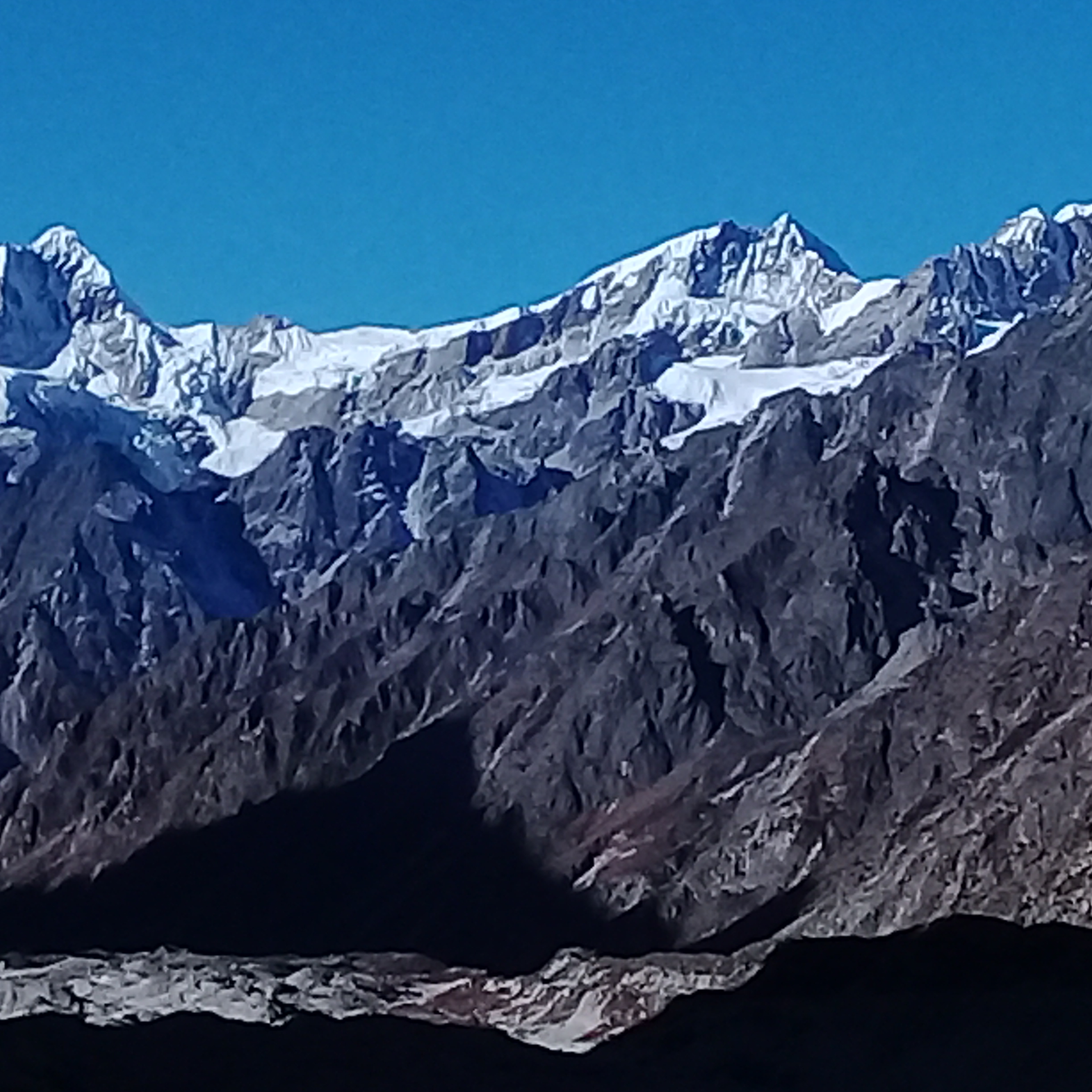
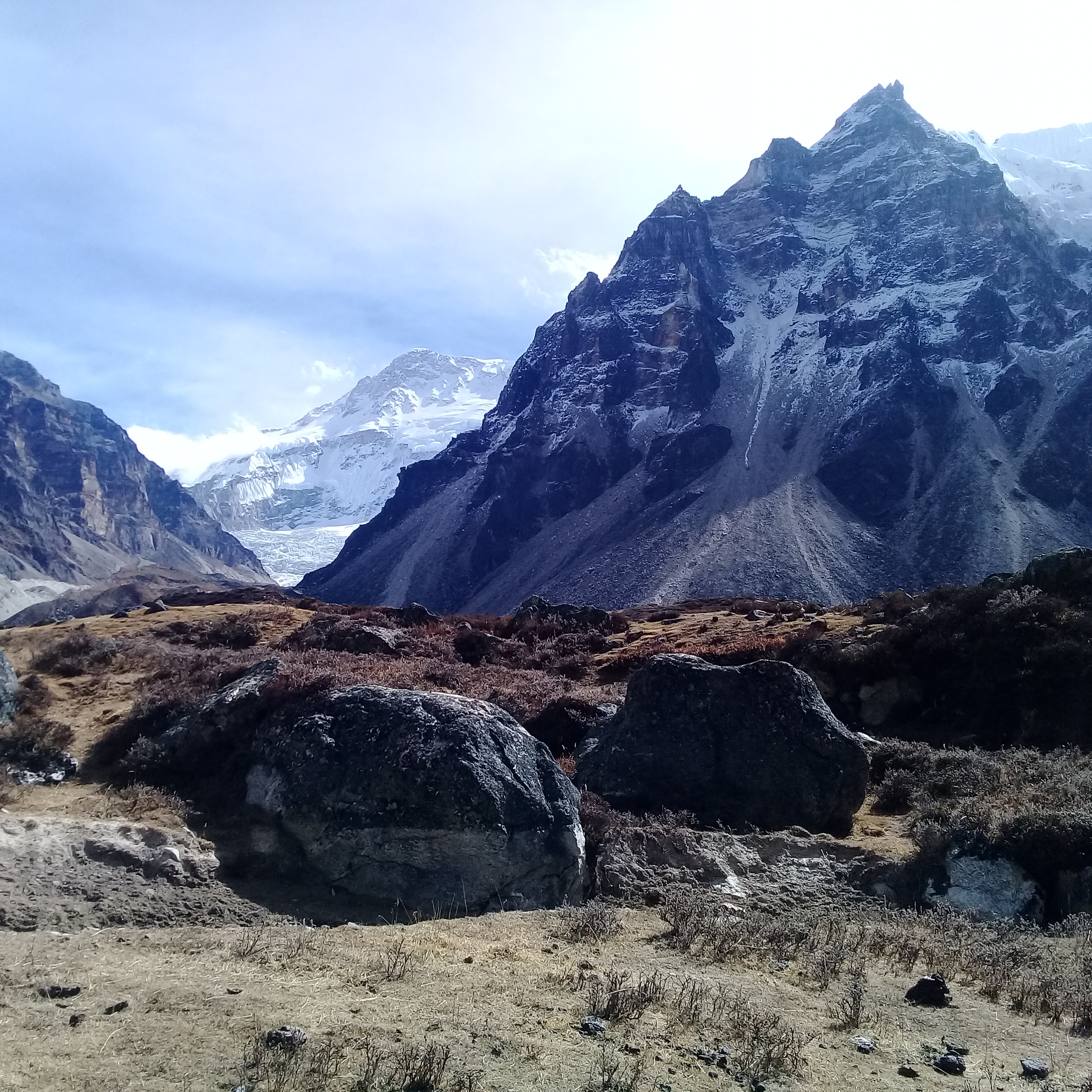


The Kanchenjunga Selele Pass Trek is located in eastern Nepal within the Kanchenjunga Conservation Area. It connects the Kanchenjunga North Base Camp (Pangpema) with the South Base Camp (Oktang) by crossing the scenic Selele Pass, offering one of Nepal’s most spectacular and remote trekking circuits.
The trek is considered strenuous to challenging. Trekkers walk 5–8 hours daily over rugged terrain, cross high mountain passes above 4,400 meters, and reach a maximum altitude of 5,143 meters at Kanchenjunga North Base Camp. Previous high-altitude trekking experience is highly recommended.
Most itineraries range from 20 to 24 days, depending on transportation, acclimatization days, and side trips to attractions such as Jannu Base Camp or Nupchu Pokhari.
The highest point is Kanchenjunga North Base Camp (Pangpema) at 5,143 meters (16,873 feet). The highest mountain pass crossed during the circuit is Sinion La (4,646 meters), followed by Selele La (4,480 meters).
The best seasons are:
Spring (March to May): Rhododendron forests bloom, temperatures are pleasant, and mountain views are excellent.
Autumn (September to November): Stable weather, crystal-clear skies, and ideal trekking conditions make this the most popular season.
Yes. You need:
Kanchenjunga Restricted Area Permit (RAP)
Kanchenjunga Conservation Area Permit (KCAP)
These permits must be arranged through a registered Nepalese trekking agency.
No. Independent trekking is not permitted in the restricted Kanchenjunga region. You must trek with a licensed guide arranged through a government-registered trekking agency.
Yes. Since the trek reaches over 5,000 meters, there is a risk of Acute Mountain Sickness (AMS). A properly designed itinerary with acclimatization days, gradual ascent, good hydration, and experienced guides significantly reduces the risk.
Accommodation is primarily in local tea houses (lodges). Rooms are simple but comfortable, usually with twin beds and shared bathrooms. Facilities become more basic at higher elevations.
Tea houses serve a variety of meals, including:
Dal Bhat (traditional Nepali meal)
Fried rice
Noodles
Soups
Pasta
Tibetan bread
Pancakes
Eggs
Tea, coffee, and hot drinks
Meals become simpler as you gain altitude.
The trek offers spectacular views of:
Mount Kanchenjunga (8,586 m)
Mount Jannu (Kumbhakarna)
Kabru
Rathong
Talung
Nepal Peak
Wedge Peak
Makalu
Everest (on clear days from the passes)
The trek is not recommended for beginners without prior trekking experience. Good physical fitness, mental preparation, and previous experience at high altitude are highly beneficial.
The Kanchenjunga Conservation Area is home to remarkable wildlife, including:
Red Panda
Snow Leopard
Himalayan Black Bear
Blue Sheep
Himalayan Tahr
Musk Deer
Himalayan Monal
Blood Pheasant
Numerous alpine bird species
Yes. Comprehensive travel insurance covering high-altitude trekking above 5,000 meters, emergency medical treatment, and helicopter evacuation is strongly recommended before beginning the trek.
The Kanchenjunga Selele Pass Trek is one of Nepal’s most rewarding wilderness adventures. It combines visits to both Kanchenjunga North and South Base Camps, crosses spectacular high mountain passes, offers exceptional biodiversity, rich Tibetan-influenced culture, and breathtaking Himalayan scenery—all while remaining far less crowded than popular routes such as Everest Base Camp or the Annapurna Circuit. It is an ideal choice for experienced trekkers seeking a truly remote and authentic Himalayan expedition.
There are no reviews yet.