
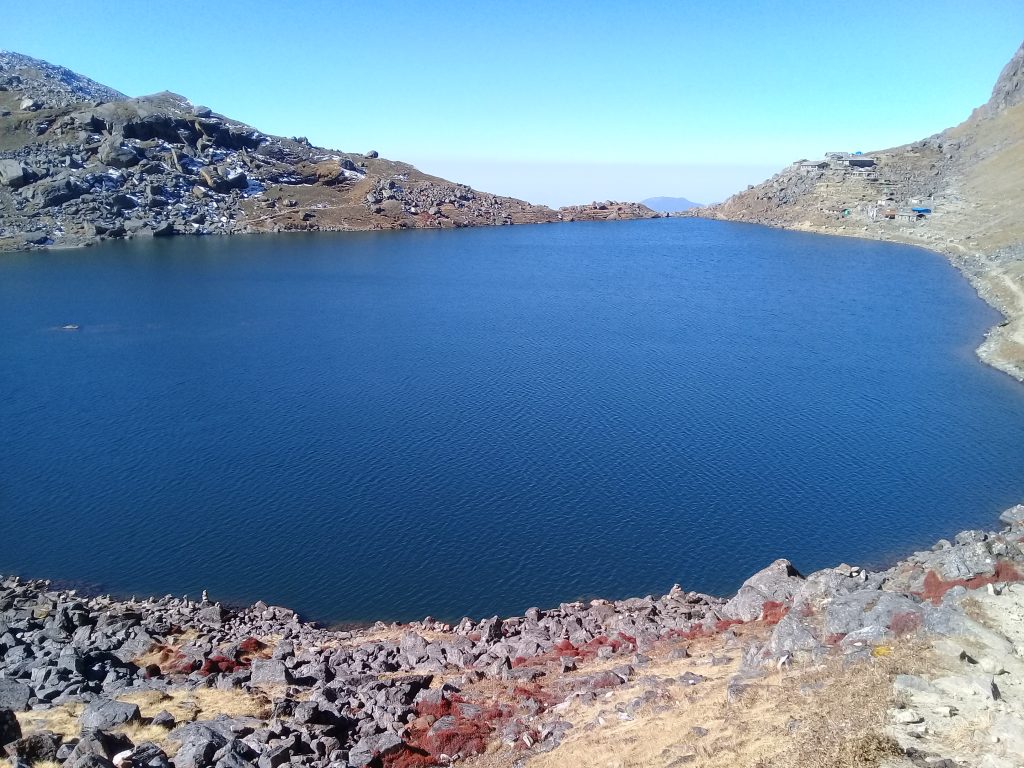
13 Days Manaslu circuit With Tibet View Trek
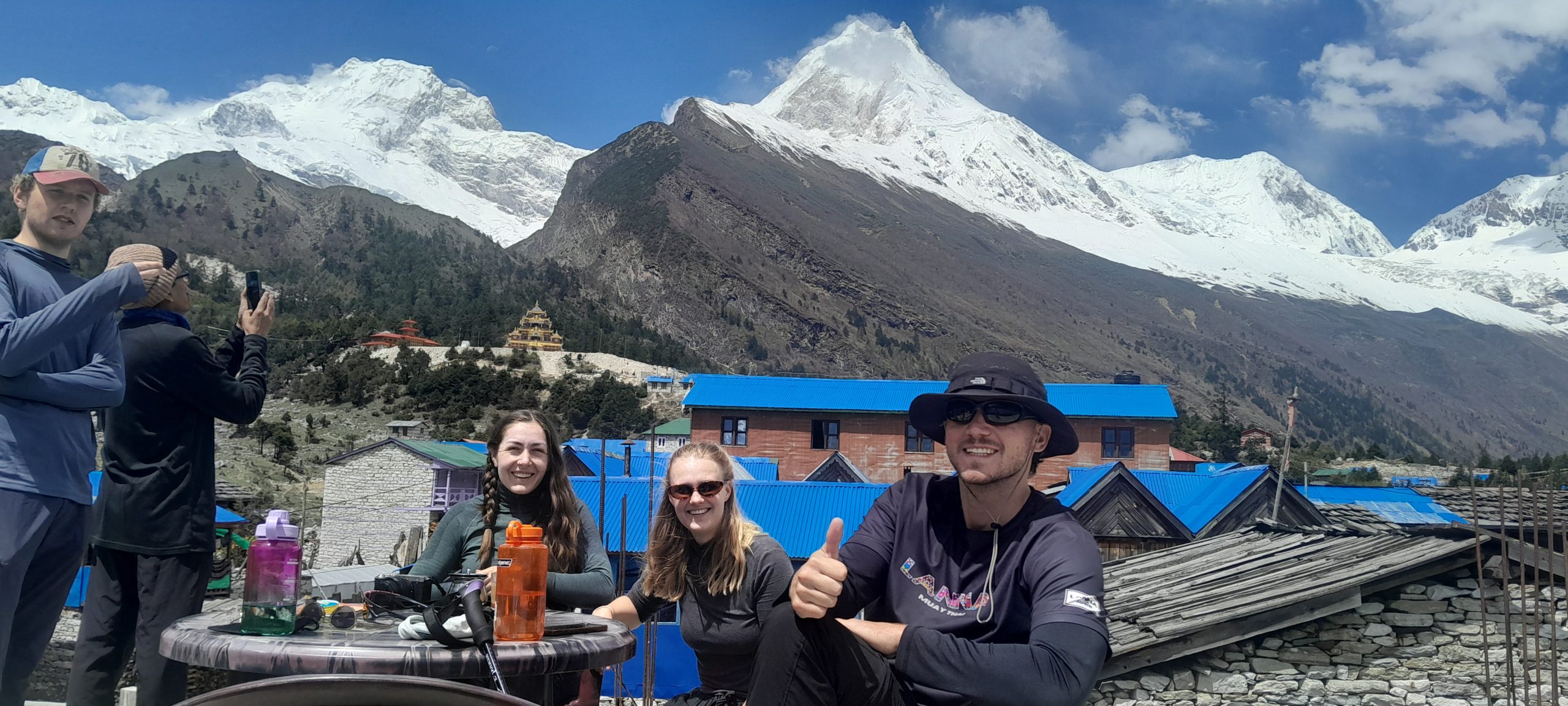
13 Days Manaslu circuit With Tibet View Trek
Manaslu Trek is one of Nepal’s most beautiful and remote Himalayan trekking routes, circling the majestic Mount Manaslu (8,163 m), the world’s eighth-highest peak. The trek offers spectacular mountain scenery, rich Tibetan-influenced culture, traditional villages, and the thrilling crossing of Larkya La Pass (5,106 m), making it a perfect adventure for those seeking an authentic…
Activities
Group Size
Reviews
Keywords
Trip code
WT-CODE 2609
- Overview
- Trip Outline
- Trip Includes
- Trip Excludes
- Gallery
- Reviews
- Booking
- FAQ
Manaslu Trekking: A Journey Through Nepal’s Hidden Himalayan Wilderness
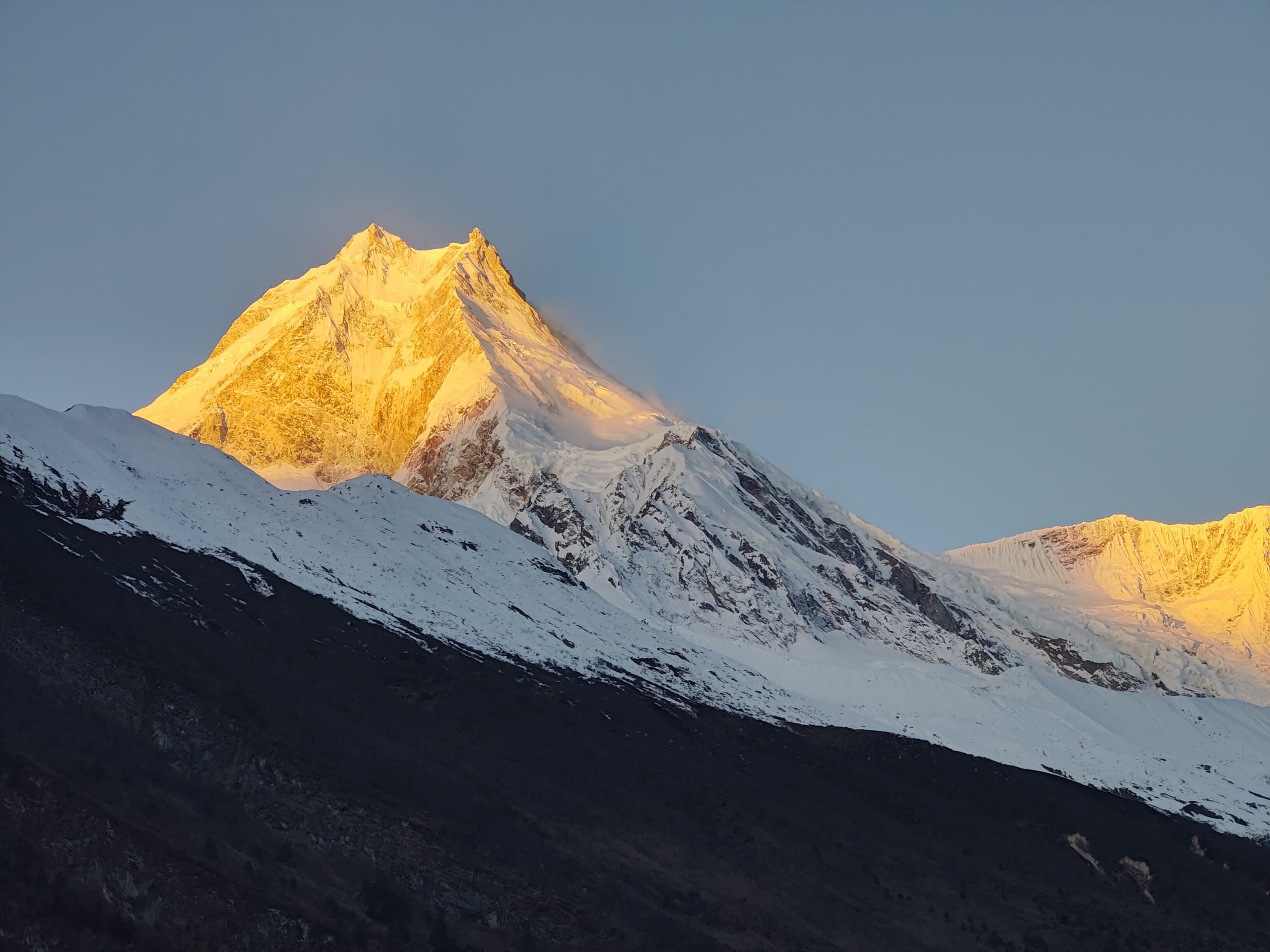
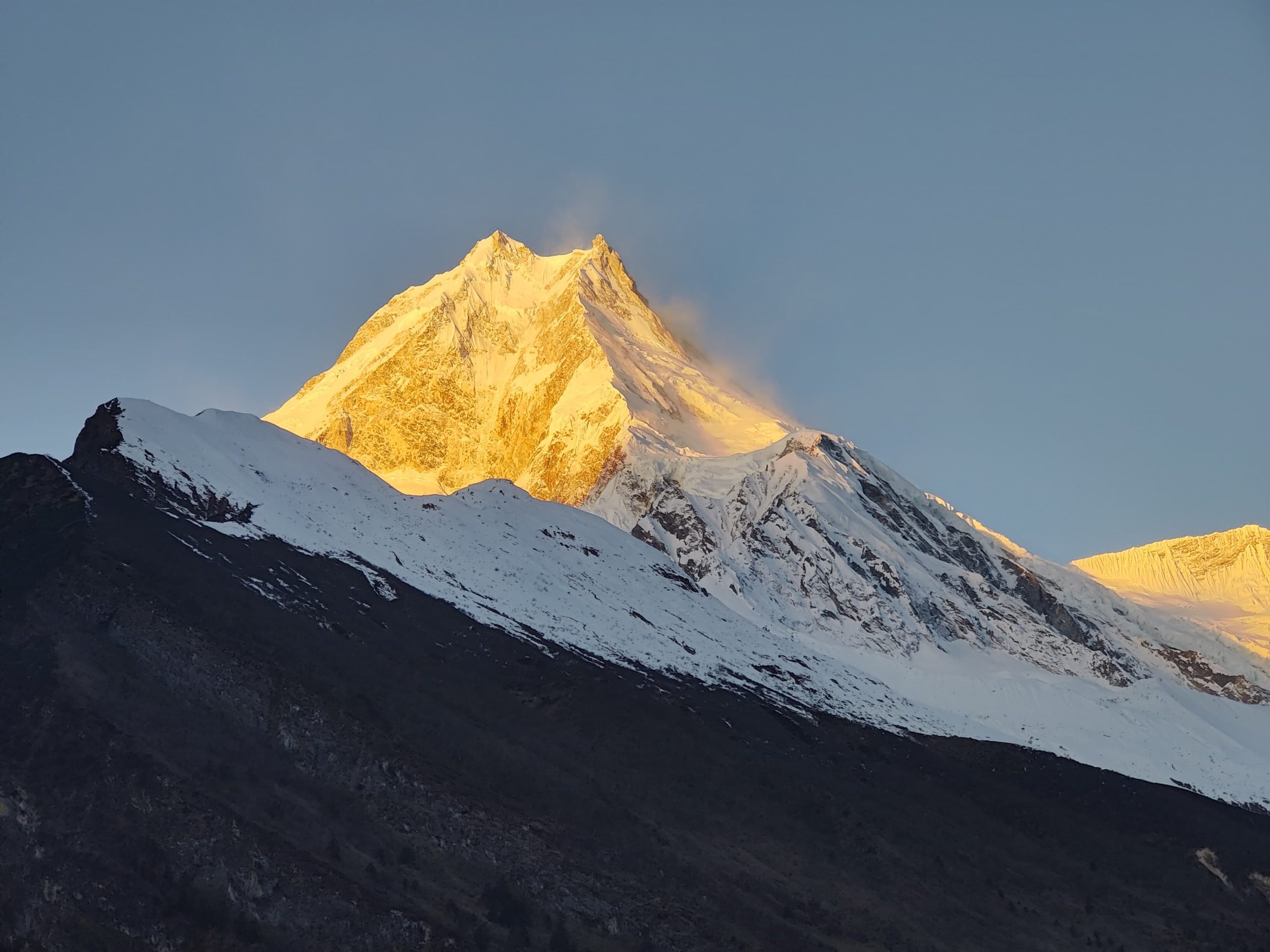
Manaslu Trekking is one of Nepal’s most spectacular and rewarding trekking adventures, offering an extraordinary journey through remote mountain landscapes, ancient cultures, and breathtaking Himalayan scenery. Centered around Mount Manaslu, the world’s eighth-highest mountain at 8,163 meters (26,781 feet), the trek takes visitors into one of the most pristine and less-crowded regions of the Nepalese Himalayas.
Located in the Gorkha District of north-central Nepal, the Manaslu region remained largely isolated from the outside world until it was officially opened to foreign trekkers in 1991. As a result, the area has preserved its natural beauty, traditional villages, and centuries-old cultural heritage, making it an ideal destination for travelers seeking an authentic Himalayan experience away from the busier trekking routes.
The trek typically begins from the lower hills along the Budhi Gandaki River and gradually ascends through diverse landscapes ranging from subtropical forests and terraced farmlands to alpine meadows and high mountain passes. Along the way, trekkers pass through charming villages inhabited by Gurung, Nubri, and Tibetan-origin communities whose lifestyles have remained largely unchanged for generations. Their stone-built homes, ancient monasteries, colorful prayer flags, and strong Buddhist traditions provide a fascinating insight into the rich cultural heritage of the Himalayas.
One of the most remarkable aspects of the Manaslu Trek is its incredible diversity. The trail traverses deep river gorges, dense rhododendron and pine forests, suspension bridges, cascading waterfalls, and rugged mountain terrain. As trekkers gain altitude, the scenery transforms dramatically, revealing spectacular views of snow-capped peaks including Manaslu, Himalchuli, Ngadi Chuli, Ganesh Himal, Shringi Himal, and several other Himalayan giants.
A major highlight of the trek is crossing the legendary Larkya La Pass at 5,106 meters (16,752 feet), one of the highest and most scenic mountain passes in Nepal. The ascent to the pass is both physically demanding and immensely rewarding, offering panoramic views of towering glaciers, dramatic mountain ridges, and vast Himalayan landscapes stretching in every direction. For many trekkers, reaching Larkya La represents the pinnacle of the entire journey.
The Manaslu region is also recognized as the Manaslu Conservation Area, which supports a rich variety of flora and fauna. The area provides habitat for rare wildlife such as snow leopards, Himalayan tahr, musk deer, blue sheep, and numerous species of birds. The conservation area’s ecological diversity makes the trek not only a cultural and adventure experience but also an important opportunity to appreciate Nepal’s unique mountain ecosystems.
Unlike some of Nepal’s more commercialized trekking routes, Manaslu Trekking offers a quieter and more intimate experience. The restricted-area status helps preserve the region’s cultural authenticity and environmental integrity. Trekkers are required to obtain special permits and travel with a licensed guide, ensuring responsible tourism and contributing to local conservation efforts.
Typically completed in 12 to 18 days, the Manaslu Circuit Trek is suitable for trekkers with a reasonable level of fitness and a spirit of adventure. The gradual ascent allows for proper acclimatization while providing ample opportunities to experience local hospitality, traditional mountain culture, and the awe-inspiring beauty of the Himalayas.
Manaslu Trekking is more than just a mountain journey—it is an immersive exploration of nature, culture, and adventure. Combining dramatic landscapes, rich Tibetan-influenced heritage, remote wilderness, and the challenge of a high-altitude pass, the trek offers one of the most authentic and unforgettable trekking experiences in Nepal.
The Manaslu Circuit Trek leads you through villages shaped by Tibetan-influenced Himalayan culture. In settlements such as Jagat, Philim, Deng, Namrung, Lho, Samagaun, and Samdo, you encounter communities like the Gurung, Bhotia, and Tibetan-heritage peoples, who speak local languages enriched with Bhotia and Tibetan dialects.
Locals wear distinct traditional dress that varies with altitude and climate. Men often don heavy woolen chubas with colorful sashes, while women wear layered ghoras, embroidered aprons, and hand-woven shawls adorned with beads and metal jewelry. In colder highland villages, fur-trimmed caps and thick woolen wraps are common.
Daily life in these villages revolves around agriculture and animal husbandry. Men and women rise early to tend to yak, goats, and cattle, repair terraced fields, gather firewood, and make butter and cheese from yak milk. Children often help with chores before school, and elders can be seen weaving traditional baskets or hand-spinning wool.
Itineraries
Day 1
KTM To Machha Khola 8,9 hours' Drive
Your Manaslu adventure begins with a scenic overland drive from Kathmandu to Machha Khola, the starting point of the Manaslu Circuit Trek. The journey typically takes 8 to 9 hours, depending on road conditions, traffic, and weather.
Leaving the Kathmandu Valley, the route follows the Prithvi Highway alongside rushing rivers, terraced hillsides, and small rural settlements. After passing through Arughat and Soti Khola, the road becomes narrower and more rugged as you enter the remote region of the Manaslu Conservation Area.
During this ride, you should expect a mix of paved highways and bumpy off-road sections, especially beyond Arughat. Machha Khola is situated in the banks of the Budhi Gandaki River.
Day 2
Trek from Machha Khola to Jagat 1,340 meters, 6 to 7 Hours
Today’s trek covers approximately 17 kilometers as you follow the Budhi Gandaki River deeper into the remote landscapes of the Manaslu Conservation Area. The trail from Machha Khola to Jagat features a mix of narrow paths, stone staircases, suspension bridges, and gradual ascents and descents, making it a moderately challenging yet rewarding day.
The route begins with gentle ups and downs before crossing a seasonal stream en route to Khorla Besi. Shortly after, you reach Tatopani, a natural hot spring where trekkers often pause for a short break. This is one of the highlights of the early Manaslu Circuit Trek, offering a chance to relax beside the river before continuing onward.
From Tatopani, the trail then crosses the Budhi Gandaki River via a suspension bridge and climbs steadily along stone steps toward Dobhan. As you ascend, the scenery becomes more dramatic, with steep cliffs and river gorges shaping the landscape.
Then, you will finally reach Jagat, which is a traditional Gurung village and an official entry checkpoint into the Manaslu restricted area. Upon arrival in Jagat, you will check into a local tea house and enjoy a warm meal while taking in the peaceful mountain surroundings.
Day 3
Trek from Jagat to Deng 1,860 meters, 7 Hours
This day, you will gain approximately 400 meters in elevation as you move deeper into the Budhi Gandaki Valley. The trek takes around 7 hours and combines steady ascents, descents, and scenic forest trails.
Leaving Jagat, the trail climbs gradually through lush subtropical forests, passing waterfalls, terraced farmlands, and small rivers fed by the surrounding hills. You follow a rocky ridge toward Salleri before descending to the charming village of Sirdibas. From here, the path rises again toward Ghatte Khola, offering glimpses of dramatic river gorges below.
Crossing a suspension bridge near Philim, one of the larger Gurung settlements in the region, you officially continue further into the restricted Manaslu area. The village is culturally rich and marks a noticeable transition in both landscape and lifestyle.
Beyond Philim, the trail becomes quieter as you pass through Ekle Bhatti and enter dense bamboo forests.
Later, the final stretch toward Deng winds along grassy sections and shaded woodland paths. Deng is a small but peaceful village situated along the Budhi Gandaki River, offering simple and comfortable tea house accommodation.
Day 4
Trek from Deng to Namrung 2,630 meters, 7 Hours
Today’s trek from Deng to Namrung takes approximately 7 hours, following scenic trails through forests, traditional villages, and across suspension bridges along the Budhi Gandaki Valley. Passing through Ghaap and Prok, you’ll experience Tibetan-influenced culture and enjoy increasingly impressive mountain views. The day concludes in Namrung, an important acclimatization village on the Manaslu Circuit Trek.
Day 5
Trek from Namrung to Shyala 3,500 meters 6 Hours
Today, the trail opens up as you ascend, offering unobstructed panoramic views of the high Himalayas, including distant snow-capped peaks that create a dramatic backdrop for your journey.
Along the route, you will pass through traditional villages such as Lihi, Sho, and Lho, each reflecting the region’s rich Tibetan-Buddhist culture. These settlements showcase stone houses, mani walls, and prayer flags fluttering in the Himalayan breeze, giving trekkers a glimpse into local life at high altitudes.
The trail becomes more alpine as vegetation thins, with rugged terrain and rocky paths guiding you toward Shyala. This village is situated at 3,500 meters and serves as an important acclimatization point before you continue to higher elevations.
Day 6
Trek from Shyala to Samagaun via Pungen Gompa, 3,520 meters 6 to 7 Hours
On this day, you will trek from Shyala to Samagaun, with a slight altitude gain to 3,520 meters. This section is both scenic and culturally enriching, as you make a stop at Pungen Gompa, which is a serene Buddhist monastery perched above the valley. Here, trekkers can experience peaceful chants, fluttering prayer flags, and panoramic views of the surrounding Manaslu massif.
After exploring Pungen Gompa, the trail gently descends through expansive yak pastures and alpine meadows, offering stunning views of snow-capped peaks and the high Himalayas.
The path here is moderately challenging, combining rocky stretches with open grassy terrain.
Day 7
Hike to Manaslu Base Camp and Return to Samagaun, 4,980 meters,8 to 9 Hours
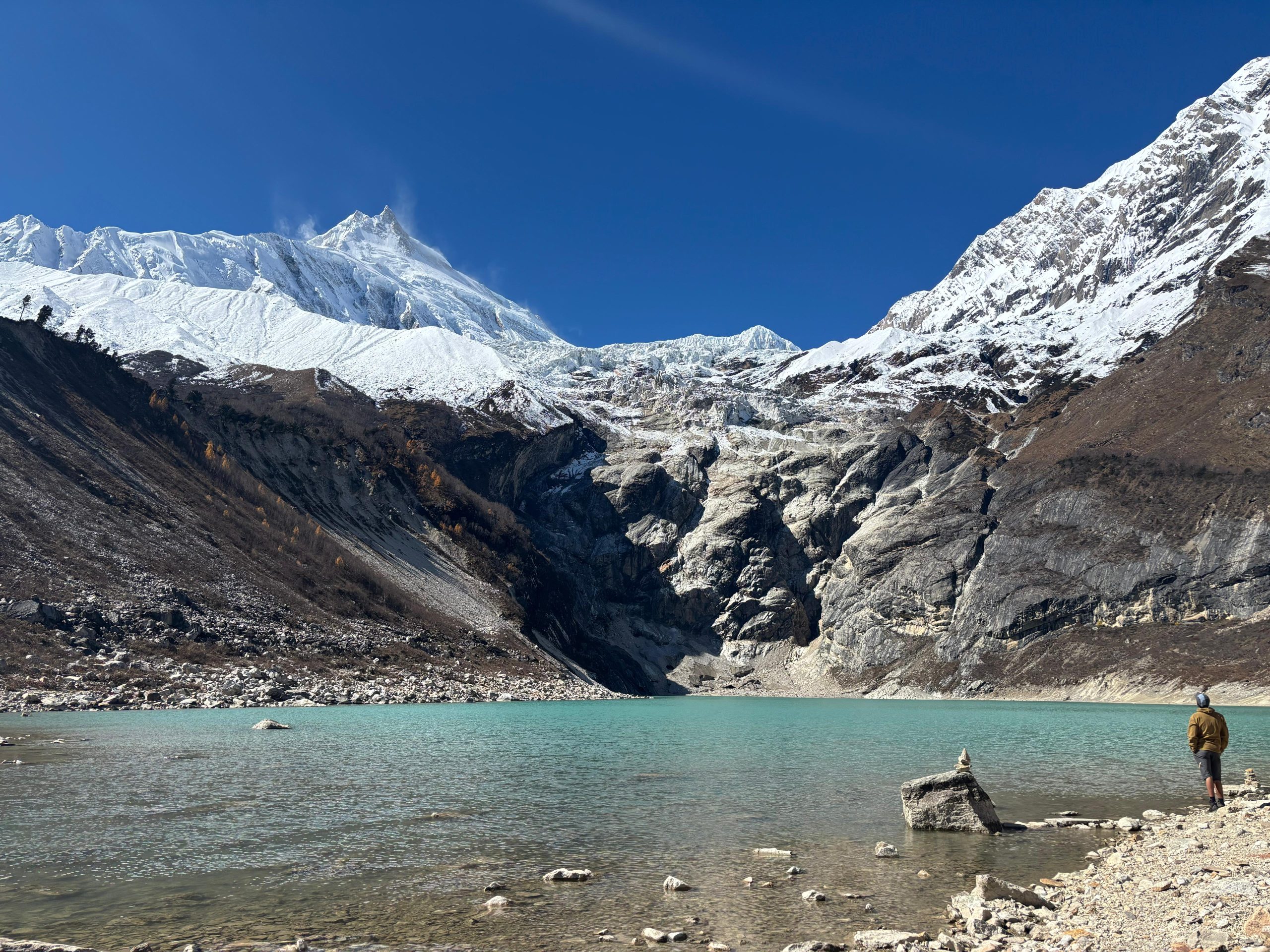
Day seven is the highlight of the Short Manaslu Circuit Trek, as you hike to the Manaslu Base Camp at 4,980 meters.
The trail begins early in the morning from Samagaun, winding through rocky ridges, glacial moraines, and alpine meadows. The ascent is moderate but steady, with the terrain becoming increasingly rugged and sparse as you approach the high-altitude glaciers.
Along the way, you are rewarded with awe-inspiring 360-degree panoramic views of the Himalayas, including Manaslu, Himalchuli, Ngadi Chuli, and the surrounding high peaks. The landscape also transitions from yak pastures and sparse alpine vegetation to dramatic glacial terrain, offering excellent photo opportunities and moments to soak in the serene high-altitude environment.
Upon reaching the base camp, you can witness the immense Manaslu Glacier, towering seracs, and the ever-present snow-capped peaks that make this region one of Nepal’s most spectacular trekking destinations.
After spending time at the base camp, absorbing the raw Himalayan beauty, you begin the descent back to Samagaun, retracing the same path through Pungen Gompa and past yak pastures. The return trek allows you to enjoy the high-altitude scenery from a different perspective, with light and shadows creating dramatic views of the mountains.
Day 8
Trek from Samagaun to Larke Bazar 3,860 meters. 3 Hours
Today’s short trek from Samagaun to Samdo takes around 3–4 hours, following scenic alpine trails with stunning views of Manaslu and surrounding peaks. Passing yak pastures, streams, and traditional Tibetan-influenced settlements, you gradually reach Samdo, the last village before Larkya La Pass. The afternoon is ideal for rest, acclimatization, and exploring the village’s rich Himalayan culture.
Day 9
hike to Tibet border Rui La 4998 meters.
Today after the breakfast you will set out on a spectacular side hike to the Rui La Pass (4,998 meters), a historic trade route that once connected Nepal with Tibet. This trek to the border offers an enriching cultural and scenic experience while helping your body adapt to the thinner mountain air.
The trail to Rui La climbs steadily along dry, barren ridges dotted with alpine shrubs. You might also spot Himalayan blue sheep, eagles, or marmots along the way, and encounter ancient mani walls and chortens. This entire trek takes around 7 to 8 hours round-trip, depending on your pace and weather conditions.
As you stand near the Nepal-Tibet border at 4998 meters, you will get a rare glimpse into a remote and culturally significant region few travelers reach. After soaking in the views and snapping unforgettable photos, you will return to Larkebazar for a hot meal and well-earned rest in your cozy tea house. At the end, this side trip gives you the altitude boost needed for a safe and successful ascent over Larkya La.
Day 10
Larke Bazar to Dharmasala. 4 Hours, 5 km.
The final overnight stop before tackling the challenging Larkya La Pass. Though you will only cover 5 kilometers today, the trail becomes steeper and the air thinner as you climb further into the high-altitude alpine zone. The path winds through rocky terrain and barren hillsides. Despite the short duration, about 4 hours, today’s journey is physically demanding due to the elevation gain and decreasing oxygen levels.
As you reach Dharmasala, a basic resting point for trekkers, you will notice the terrain becoming stark and remote. The settlement here only consists of a few stone lodges and tents, run seasonally by locals. The facilities here are modest, but the dramatic mountain surroundings compensate for the simplicity.
To aid further acclimatization, you can take a short afternoon hike up the surrounding ridges to stretch your legs before the biggest climb of the trek. From this day hike, you will see unobstructed views of surrounding peaks, like Larkya Peak, Manaslu North, and the glacial valleys stretching below. Your evening will be typically quiet as you prepare gear and get mentally ready for the next day’s crossing of the Larkya La.
Day 11
Cross Larkya La Pass (5,106 m), then descend to Bhimthang. 8 Hours, 22 km
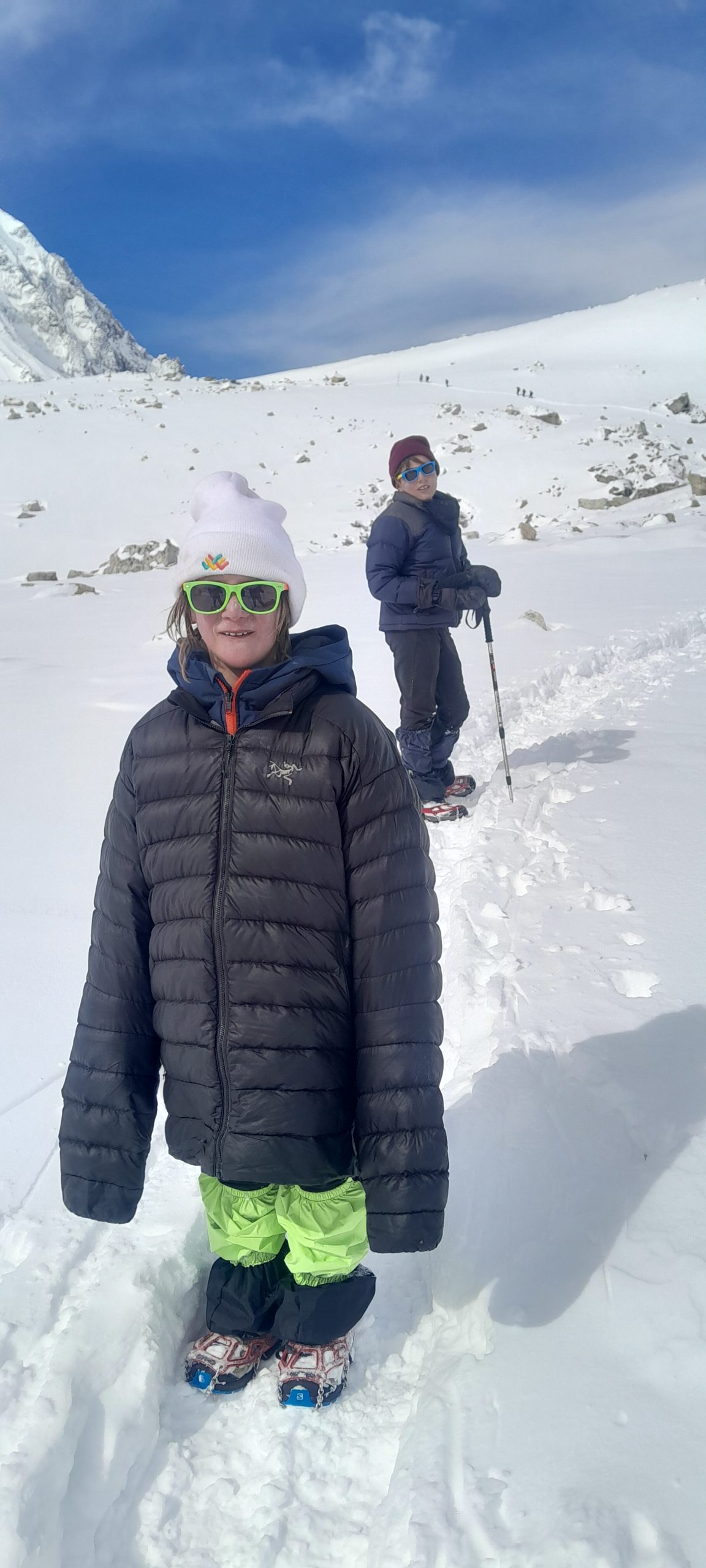
Today, you will face the most thrilling and demanding part of the journey: the crossing of Larkya La Pass (5,106 meters), the highest point on the trek. This is the day everything leads up to, and it’s both a physical challenge and an emotional triumph. You will begin before dawn through the cold, crisp morning air. The trail to the pass is steep and takes you past glacial moraines, icy ridges, and snow-dusted slopes. Additionally, the air is thin at this altitude.
After a gradual climb, you will reach the summit of Larkya La, where you are rewarded with jaw-dropping panoramic views of Larkya Peak, Himlung Himal, Cheo Himal, Kang Guru, and Annapurna II. You will see prayer flags fluttering in the wind, and the vast expanse of the Manaslu and Annapurna Mountain ranges open up in front of you.
After the pass, the descent to Bhimthang (3,590 meters) is long and challenging, covering rough terrain and rocky paths that require careful footing. As you descend, you will start to notice greener pastures, glacial streams, and eventually the peaceful alpine valley of Bhimthang. This village is surrounded by beautiful snow—capped Himalayas and offers comfortable accommodation, hot shower, and delicious meals. After such an adventure, you may celebrate a succeessful day with the team and have a good rest.
Day 12
Trek from Bhimthang to Tiliche. 6–7 Hours, 15 km
With views of Manaslu to our left and the Annapurna ranges to our right, we descend from Bhimthang through yak pastures to the first signs of the Dudh Khola’s headwaters trickling down the slope. A bridge across leads to a path which gradually leaves behind the alpine climate and takes us down through familiar rhododendron forests to a narrow valley of terraced fields and patchwork crops. Eventually, you will reach Goa, a quiet village nestled within terraced fields and forested slopes. The journey from Bhimthang to Goa is one of the highlights of the 17-day Manaslu Circuit Trek. No doubt that Goa offers the most comfortable accommodation on the entire trek. You will get the vibe of the famous Annapurna region’s comfort.
Day 13
Tiliche to KTM or Pokhara
On the final day of the Short Manaslu Circuit Trek, you bid farewell to the majestic Himalayas and serene villages as you descend from Dharapani to the bustling city of Kathmandu or Pokhara.
The journey is typically done by private jeep or local bus, depending on your preference for comfort and timing.
The drive follows winding mountain roads, passing through dense subtropical forests, terraced farmland, and quaint riverside villages, giving trekkers a chance to soak in the landscapes one last time. Along the way, you may see local farmers at work in the fields, traditional stone bridges over fast-flowing streams, and glimpses of the lower hills that mark the edge of the high Himalayas. The terrain gradually transitions from rugged mountain trails to gentler valleys and well-paved roads as you approach urban centers.
Traveling by private jeep offers flexibility to stop for photos, refreshments, or short breaks, while the bus provides a more local experience, allowing you to observe daily life in rural Nepal. You should expect scenic river crossings, small local markets, and vibrant roadside settlements, which showcase the rich culture and hospitality of the people along the route.
After roughly 9 hours of scenic driving, you will arrive in Kathmandu or Pokhara,
- All necessary trekking permits for Manaslu Special, Manaslu Conservation Area, Annapurna Conservation Area, TIMS card, etc.
- All accommodation during the trek.
- Three meals a day during the trek.
- A cup of tea or coffee with the meal.
- If and when available, fresh fruit will be provided.
- Complimentary duffel bag, down jacket, trekking map, and four-season sleeping bag, if needed.
- Professional English-speaking government-registered and first-aid-trained guide.
- First-aid kit.
- Kathmandu to Machhakhola by bus (a private jeep costs $200 in total which is divided by the number of foreigners).
- Tilije Besishahar by sharing local jeep.
- Besishahar to either Pokhara or Kathmandu by bus (if you prefer a private jeep from Dharapani to Kathmandu or Pokhara, it costs $250 in total)
- Staff insurance, meals, accommodations, equipment, transportation, etc.
- Rescue arrangements, if necessary.
- Agency service charge and government tax or VAT.
- Certificate of achievement, if needed.
- International airfare and Nepal visa fee.
- Accommodation, Breakfast, Lunch and dinner in Kathmandu.
- Porters to carry your backpacks. We provide porters on request. A porter will be provided for two people and it costs $330 in total including his salary, meals, accommodation, transportation, and insurance. That means $165 per person as per the itinerary.
- Personal insurance, personal expenses, loss of property, theft, etc.
- Sightseeing costs in the city. (temples, monasteries, etc.)
- All beverages, snacks, and additional expenses such as laundry, hot showers, battery charging, WiFi, etc.
- Additional cost due to natural calamities and unforeseen circumstances.
- Tipping for staffs.
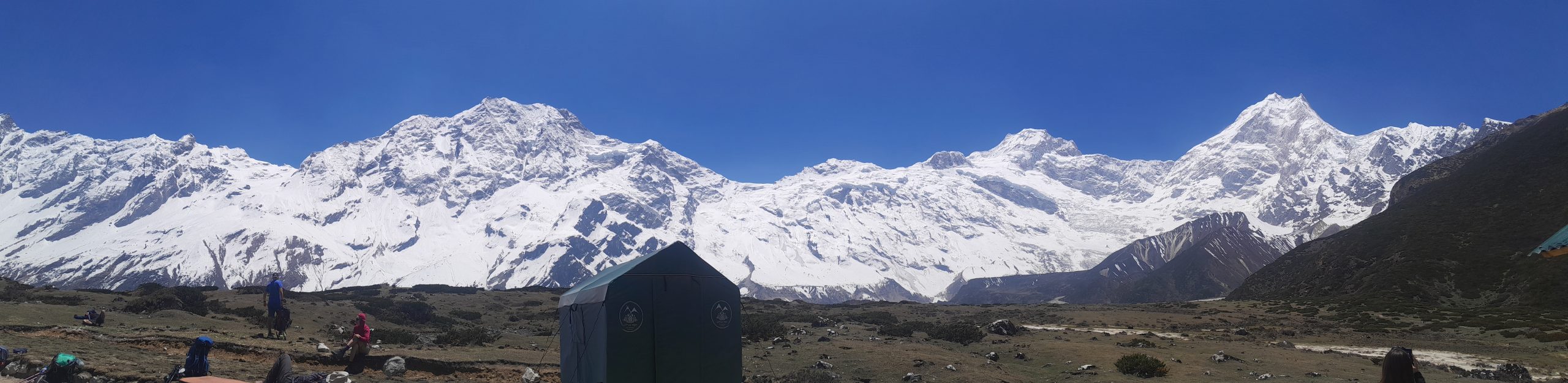
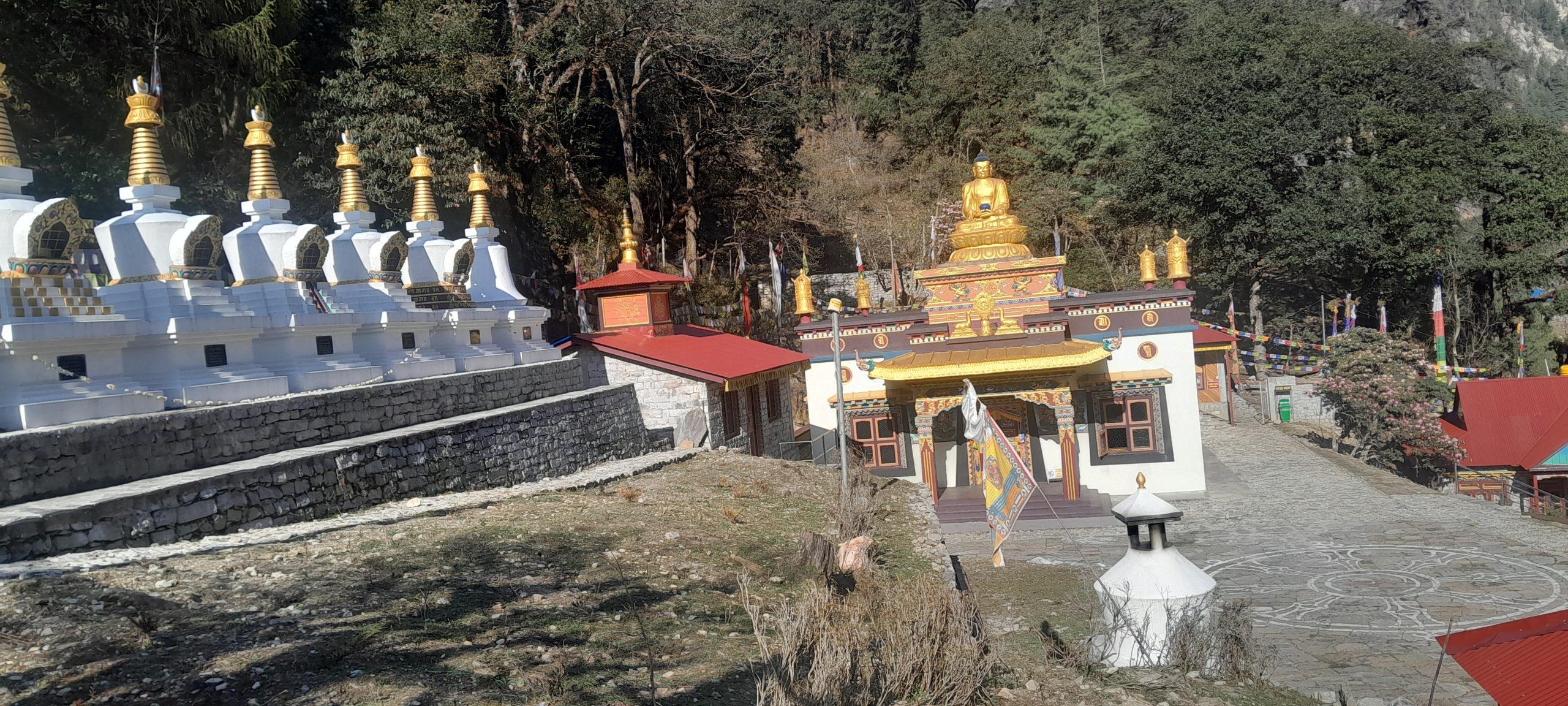
The Manaslu Circuit Trek is considered a moderately challenging to strenuous trek. Trekkers typically walk 5–8 hours per day and cross the high-altitude Larkya La Pass at 5,106 meters. Good physical fitness and proper acclimatization are recommended.
Yes. The Manaslu region is a restricted area, so trekkers need a Restricted Area Permit (RAP), a Manaslu Conservation Area Permit (MCAP), and an Annapurna Conservation Area Permit (ACAP). Trekking with a licensed guide is mandatory.
The best seasons are spring (March–May) and autumn (September–November). During these months, the weather is generally stable, skies are clear, and mountain views are excellent.
The standard Manaslu Circuit Trek usually takes 12–16 days, depending on the itinerary, acclimatization days, and side trips.
Yes. Since the trek reaches elevations above 5,000 meters, there is a risk of altitude sickness. Proper acclimatization, staying hydrated, and ascending gradually help reduce the risk.
There are no reviews yet.