
Upper Mustang Trek 14 Days

Upper Mustang Trek 14 Days
Keywords
Trip code
WT-CODE 3758
- Overview
- Trip Outline
- Trip Includes
- Trip Excludes
- Gallery
- Reviews
- Booking
- FAQ
Upper Mustang Trek
A Unique Tibetan Culture and Isolated Landscape.- Duration= 14 Days
- Difficulty Level = Moderate
- Activity = Trekking/Hiking
- Max. Altitude = 4280 meters/ 14042 feet.
- Starts = Kagbeni
- Ends = Kagbeni
- Group Size = 2-12
- Best Season = March to May and September to November.
Upper Mustang Trek Highlights
- Discover the beauty of Pokhara, Nepal’s picturesque lakeside city and the gateway to the Himalayas.
- Experience a spectacular mountain flight between Pokhara and Jomsom with breathtaking views of the Annapurna and Dhaulagiri ranges.
- Explore the ancient walled city of Lo Manthang, the historic capital of the former Kingdom of Lo.
- Trek through Nepal’s legendary “Last Forbidden Kingdom,” a remote Himalayan region bordering Tibet.
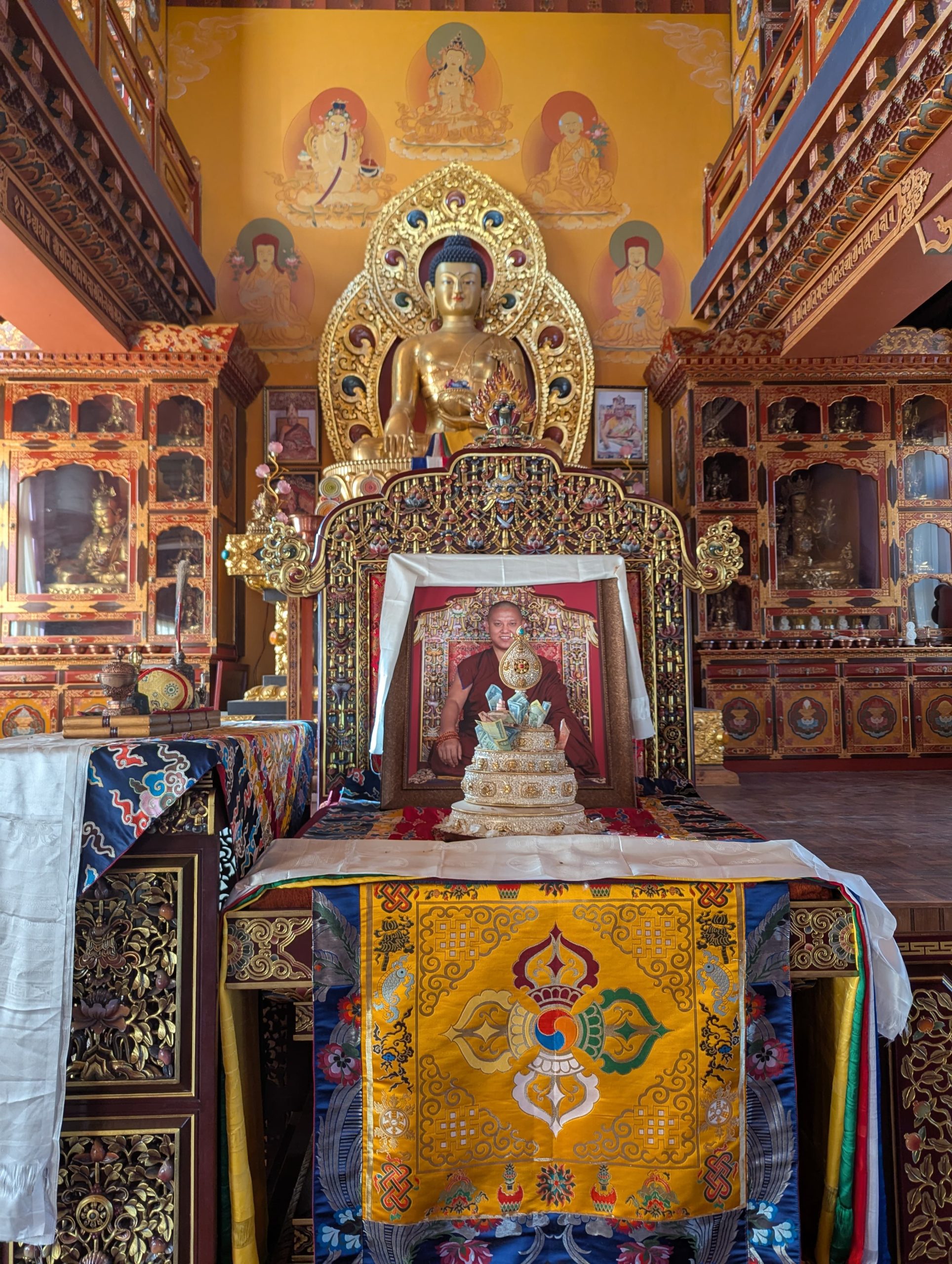
- Immerse yourself in authentic Tibetan Buddhist culture, ancient monasteries, colorful prayer flags, and centuries-old traditions.
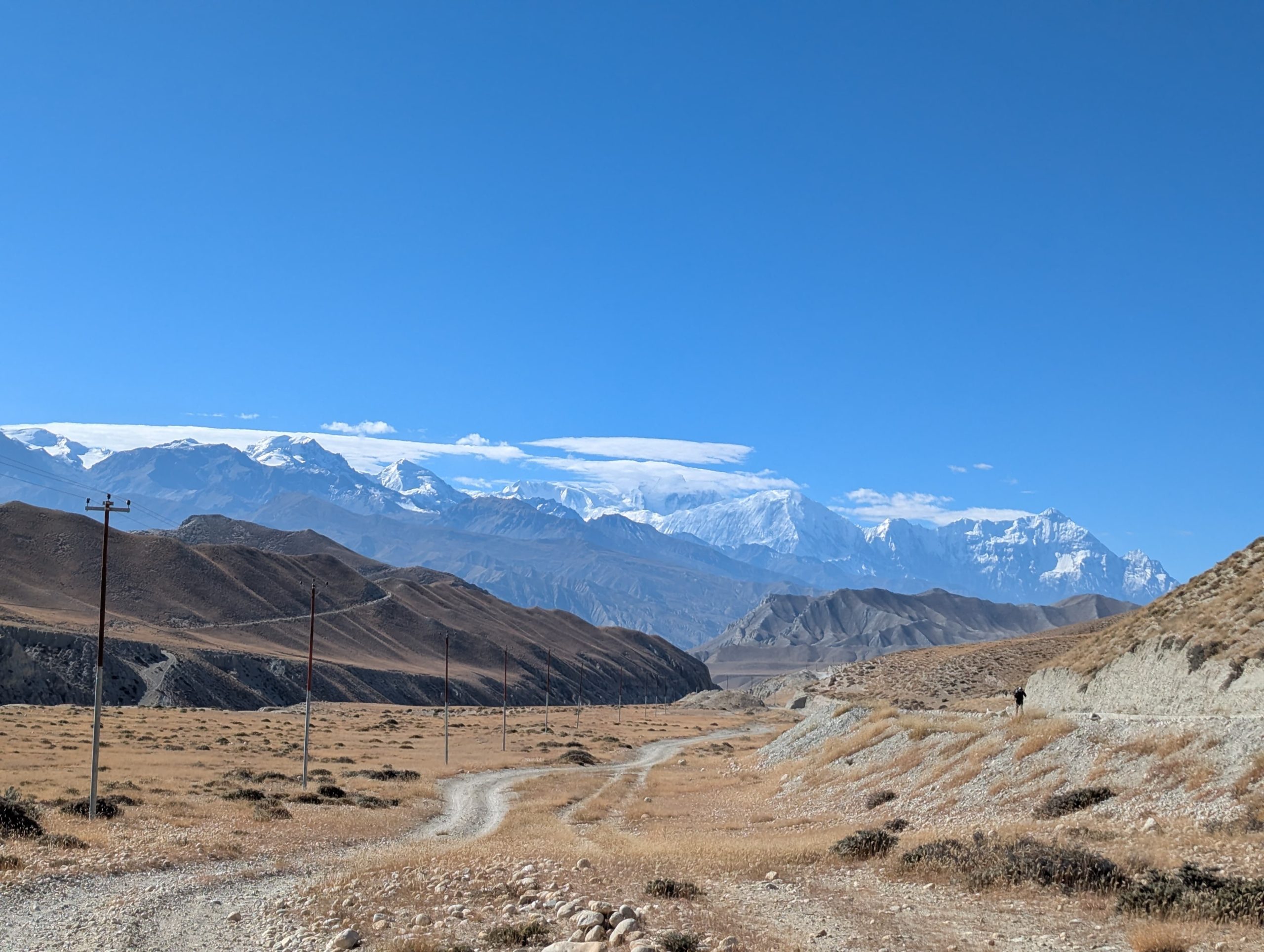
- Walk across dramatic Trans-Himalayan landscapes featuring deep canyons, red sandstone cliffs, desert valleys, and wind-eroded rock formations.
- Enjoy one of Nepal’s finest monsoon trekking experiences thanks to Upper Mustang’s unique rain-shadow climate.
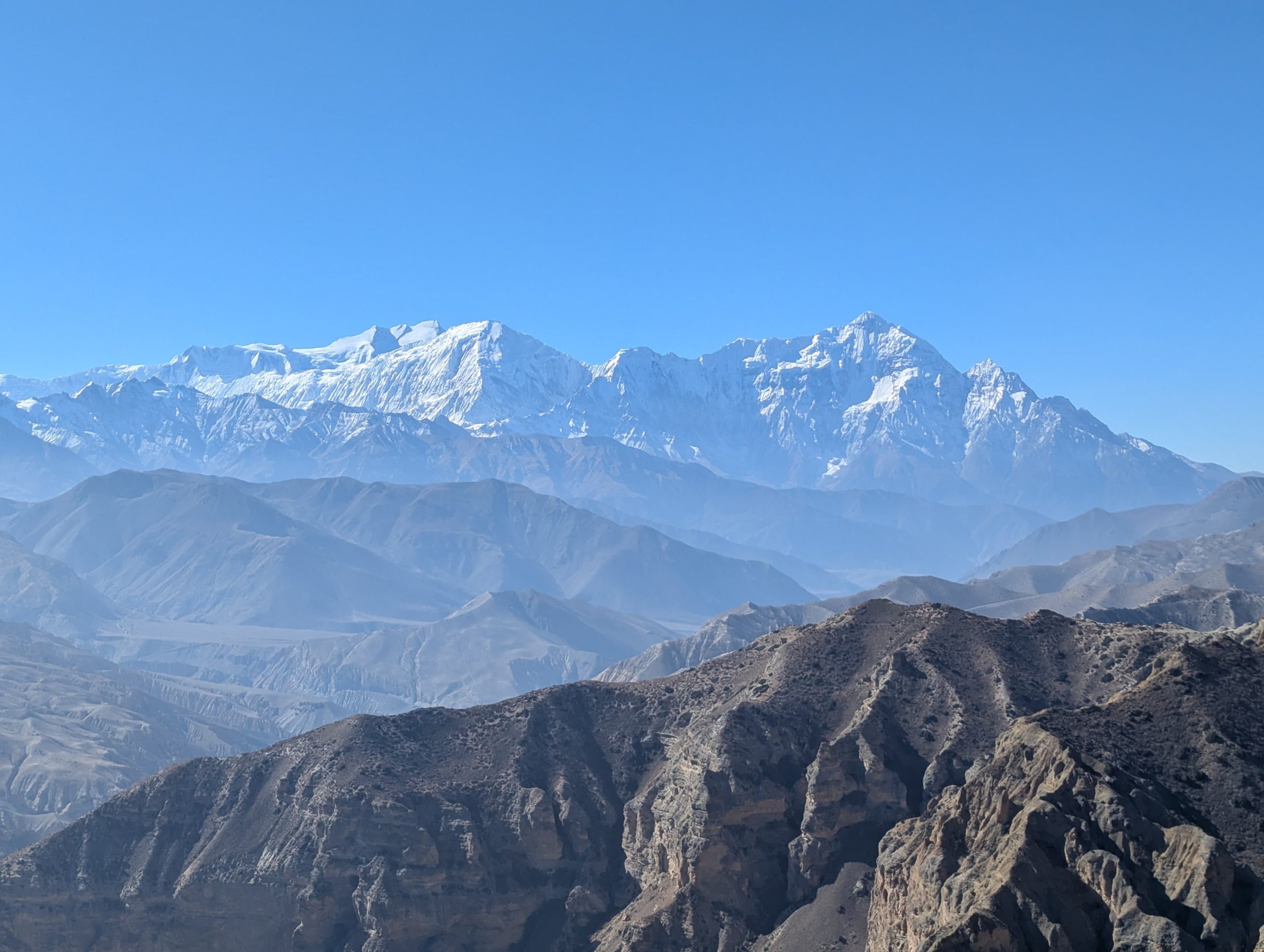
- Marvel at panoramic views of Dhaulagiri, Nilgiri, Tukuche Peak, Tilicho Peak, Yakawa Kang, and other Himalayan giants.
- Follow the historic Kali Gandaki Gorge, recognized as one of the deepest river valleys in the world.
- Visit traditional Himalayan villages, including Kagbeni, Chhusang, Chele, Samar, Ghiling, Ghami, Charang, and Lo Manthang.
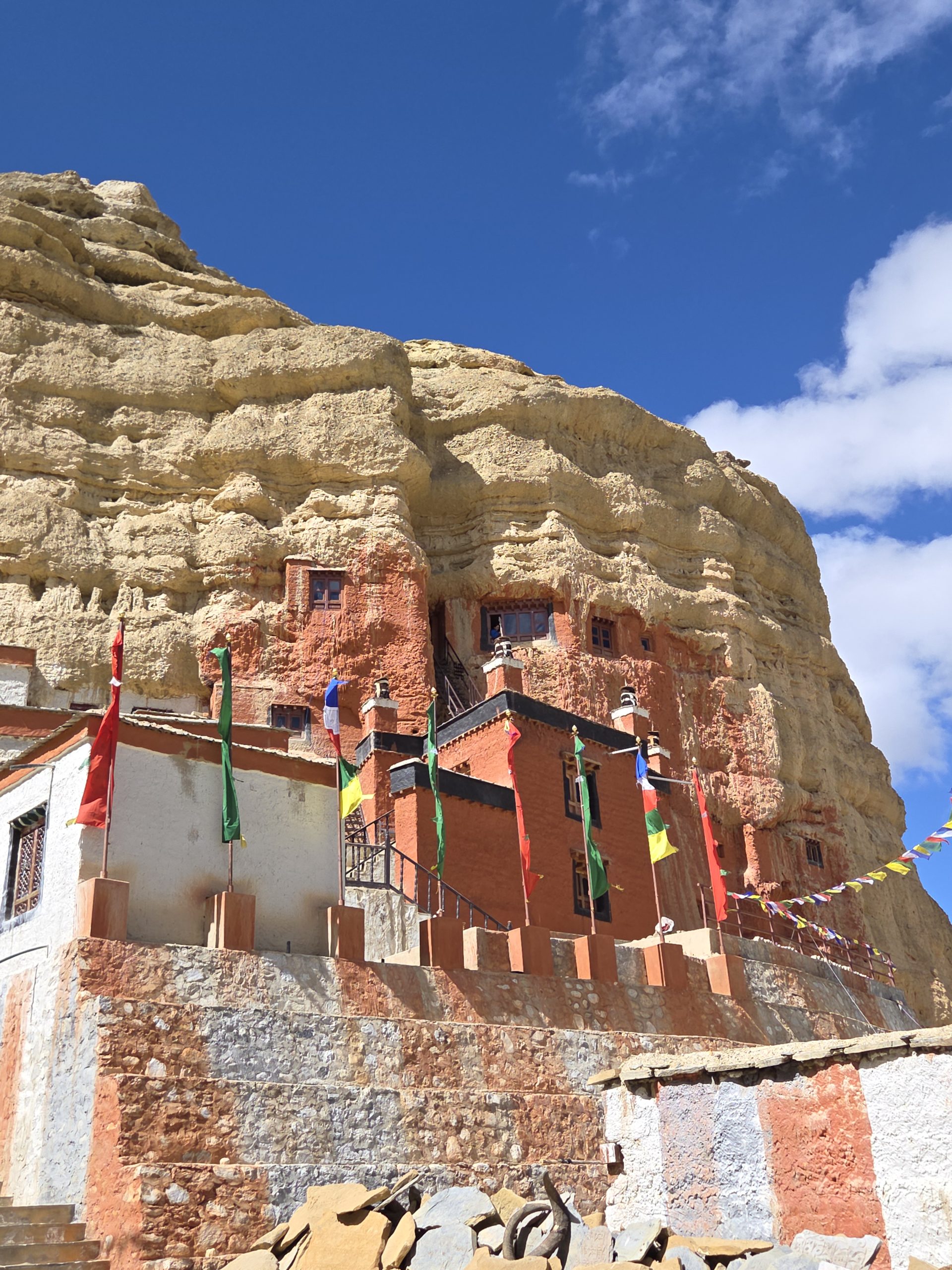
- Explore the sacred Ghar Gompa, one of the oldest monasteries in the region, closely associated with Guru Rinpoche (Padmasambhava).
- Cross scenic mountain passes such as Taklam La, Yamda La, and Nyi La while enjoying magnificent Himalayan vistas.
- Experience the unique lifestyle, customs, and hospitality of the people who have preserved their heritage for centuries.
- Discover mysterious cave complexes carved into towering cliffs throughout the Mustang Valley.
- Admire traditional Tibetan architecture, whitewashed homes, ancient monasteries, and the royal palace of Lo Manthang.
- Trek through apple orchards, suspension bridges, rugged mountain trails, and expansive high-altitude desert landscapes.
- Witness unforgettable sunrise and sunset views over the dramatic Himalayan desert.
- Experience one of Nepal’s most extraordinary restricted-area trekking adventures, combining spectacular landscapes with rich cultural heritage.
What Is the Upper Mustang Trek in Nepal?
The Upper Mustang Trek is one of Nepal’s most remarkable restricted-area trekking adventures, taking travelers deep into the remote Mustang region of northwestern Nepal. The journey leads to the ancient walled kingdom of Lo Manthang, located close to the Tibetan border, where centuries-old traditions, Tibetan Buddhist culture, and dramatic Trans-Himalayan landscapes have remained remarkably well preserved.
Situated beyond Kagbeni in the rain shadow of the Annapurna and Dhaulagiri mountain ranges, Upper Mustang offers a trekking experience unlike any other in Nepal. Instead of lush forests and alpine meadows, trekkers are rewarded with vast desert valleys, towering red cliffs, deep canyons, eroded rock formations, and colorful barren hills that create an almost surreal Himalayan landscape.
Historically, Upper Mustang was an independent Himalayan kingdom known as the Kingdom of Lo. Due to its strategic location and long period of isolation, the region remained closed to foreign visitors until 1992. This isolation allowed its language, customs, architecture, religious traditions, and cultural identity to flourish largely untouched, earning Upper Mustang the famous title of Nepal’s “Last Forbidden Kingdom.” Even today, visitors require a special Restricted Area Permit to enter this culturally significant destination.
The adventure usually begins with a scenic drive from Kathmandu to Pokhara, followed by a breathtaking mountain flight to Jomsom, the gateway to Mustang. From Jomsom, the trail follows the historic Kali Gandaki Valley through traditional villages such as Kagbeni, Chhusang, Chele, Samar, Ghiling, Ghami, Charang, and finally reaches Lo Manthang—the cultural and spiritual heart of the region. Along the route, trekkers encounter ancient monasteries, mani walls, prayer wheels, whitewashed villages, traditional Tibetan homes, and magnificent views of Dhaulagiri, Nilgiri, Tukuche Peak, and several other snow-capped Himalayan peaks.
What truly distinguishes the Upper Mustang Trek is its exceptional cultural richness. While many Himalayan treks focus primarily on mountain scenery, this journey seamlessly combines spectacular landscapes with centuries of history, spirituality, architecture, and authentic local traditions. Exploring the narrow alleys, monasteries, and royal palace of Lo Manthang feels like stepping back in time to a forgotten Himalayan kingdom.
The trek is also renowned as one of the best monsoon trekking destinations in Nepal. Because Upper Mustang lies within the Himalayan rain-shadow region, it receives very little rainfall during the summer months, making it an ideal alternative to popular trekking routes that experience heavy monsoon rains.
Why Choose the Upper Mustang Trek in Nepal?
Discover the Natural Beauty of Pokhara
Pokhara serves as the gateway to the Upper Mustang Trek and is widely regarded as one of Nepal’s most beautiful and relaxing destinations. Before venturing into the remote Himalayan landscapes of Mustang, trekkers have the opportunity to explore this vibrant lakeside city, surrounded by tranquil lakes, lush green hills, and spectacular mountain scenery.
Nestled beside the serene waters of Phewa Lake and overlooked by the magnificent Annapurna mountain range, Pokhara is famous for its breathtaking panoramas of Machhapuchhre (Fishtail Mountain), Annapurna South, Hiunchuli, and Lamjung Himal. The city’s peaceful atmosphere makes it the perfect place to unwind, acclimatize, and prepare for the adventure ahead.
Visitors can enjoy leisurely walks along the lakeside promenade, relax in charming cafés, take a boat ride across Phewa Lake, or admire sunrise views from nearby hilltops. These memorable experiences provide an ideal introduction to Nepal’s natural beauty before beginning the trek into the remote landscapes of Upper Mustang.
Pokhara also functions as the primary transportation hub for Upper Mustang, with regular mountain flights to Jomsom offering spectacular aerial views of the Himalayas and the Kali Gandaki Valley.
Experience Authentic Tibetan Buddhist Culture and Ancient Himalayan Heritage
One of the greatest attractions of the Upper Mustang Trek is the opportunity to experience an authentic Tibetan Buddhist culture that has remained remarkably intact for centuries. Located near the Tibetan border in the Trans-Himalayan region of northwestern Nepal, Upper Mustang preserves a unique cultural identity shaped by Tibetan Buddhism, ancient Himalayan kingdoms, and centuries of isolation.
Formerly the independent Kingdom of Lo, the region developed its own distinctive traditions, architecture, language, and religious practices with minimal outside influence. Today, Tibetan Buddhism continues to play a central role in daily life, with monasteries (gompas), chortens, mani walls, prayer wheels, and colorful prayer flags found throughout the region. Monks perform daily rituals, villagers offer prayers, and spiritual traditions remain deeply woven into the fabric of local communities.
As you trek through picturesque villages such as Kagbeni, Ghami, Charang, Ghiling, and the historic capital of Lo Manthang, you will encounter beautifully preserved whitewashed mud-brick houses, intricately decorated monasteries, ancient cave dwellings, and traditional Tibetan architecture that reflect centuries of cultural continuity.
Lo Manthang stands as the cultural and spiritual heart of Upper Mustang. Enclosed within ancient fortified walls, the city is home to centuries-old monasteries, the former royal palace, and vibrant Buddhist communities that continue to safeguard their rich cultural heritage. Visitors fortunate enough to trek during the annual Tiji Festival can witness one of the Himalayas’ most spectacular cultural celebrations, featuring sacred masked dances, elaborate rituals, and traditional ceremonies that symbolize the triumph of good over evil.
For travelers seeking more than simply mountain scenery, the Upper Mustang Trek offers an extraordinary journey into one of the Himalayas’ last living cultural treasures, where history, spirituality, and breathtaking landscapes come together to create an unforgettable trekking experience.
Lo Manthang: The Ancient Walled Capital of the Lost Kingdom
Lo Manthang is the ancient walled capital of Upper Mustang, located in northwestern Nepal near the Tibetan border. Once the royal seat of the historic Kingdom of Lo, this remarkable fortified city is the cultural, spiritual, and historical centerpiece of the Upper Mustang Trek. Often referred to as the “Lost Kingdom,” Lo Manthang has preserved its centuries-old Tibetan Buddhist traditions, architecture, and way of life within its impressive mud-brick walls.
Situated in the Trans-Himalayan rain-shadow region, Lo Manthang is one of the best-preserved cultural settlements in the Himalayas. Encircled by towering defensive walls, the city remained largely isolated for centuries, protecting it from external influence and allowing its distinctive Tibetan heritage, language, customs, and religious practices to flourish virtually unchanged through generations.
Within the ancient city walls, visitors can wander through a labyrinth of narrow alleys lined with traditional whitewashed homes, prayer wheels, chortens, and centuries-old monasteries (gompas). At the heart of the city stands the historic Royal Palace, a symbol of the former Kingdom of Lo. Sacred monasteries such as Thubchen Gompa and Jampa Lhakhang are renowned for their magnificent murals, intricate Buddhist artwork, and vibrant spiritual atmosphere, where daily prayers and religious ceremonies continue to be observed.
Lo Manthang represents the cultural highlight of the entire Upper Mustang Trek. It offers a rare opportunity to experience a living Himalayan civilization where Tibetan Buddhism continues to shape everyday life. Monks, local residents, and pilgrims faithfully preserve ancient rituals, prayer traditions, and spiritual customs that have been passed down for centuries.
One of the city’s most celebrated cultural events is the Tiji Festival, a spectacular three-day Buddhist celebration featuring sacred masked dances, elaborate rituals, and traditional storytelling performances that symbolize the triumph of good over evil. This vibrant festival provides visitors with an unforgettable insight into the spiritual heritage and living traditions of Upper Mustang.
Trek Through the Legendary Kali Gandaki Gorge
The Kali Gandaki Gorge is one of the most spectacular natural attractions of the Upper Mustang Trek. Carved over millions of years by the mighty Kali Gandaki River, this immense valley lies between the towering Annapurna and Dhaulagiri mountain ranges and is widely recognized as one of the deepest gorges in the world.
Located in northwestern Nepal, the gorge begins near the town of Jomsom and extends northward through traditional settlements such as Kagbeni, Chhusang, and Chele before entering the remote landscapes of Upper Mustang. For centuries, this historic corridor served as an important trade and pilgrimage route connecting Nepal with Tibet, making it one of the Himalayas’ most significant cultural and commercial passages.
Trekking through the Kali Gandaki Gorge offers a truly distinctive Himalayan experience. Unlike Nepal’s forested trekking trails, this route traverses broad riverbeds, windswept valleys, rugged cliffs, and dramatic desert terrain framed by towering snow-covered peaks. Throughout the journey, trekkers are rewarded with magnificent views of Nilgiri, Dhaulagiri, Tukuche Peak, and numerous other Himalayan summits.
The gorge also serves as the natural gateway to the restricted Upper Mustang region. From Jomsom, the trail follows the Kali Gandaki River north to Kagbeni, the official entrance to Upper Mustang, before gradually ascending into ancient villages, high mountain passes, and the spectacular desert landscapes that define this extraordinary Himalayan destination.
Desert Landscapes, Red Cliffs, and Spectacular Himalayan Canyons
One of the defining features of the Upper Mustang Trek is its breathtaking desert landscape, characterized by towering red cliffs, deep Himalayan canyons, and vast high-altitude valleys. Situated within the Trans-Himalayan rain-shadow zone, Upper Mustang offers a unique cold-desert environment that stands in striking contrast to the lush forests and alpine meadows found elsewhere in Nepal.
The region’s distinctive landscape is created by the surrounding Annapurna and Dhaulagiri mountain ranges, which block the monsoon rains from reaching Mustang. As a result, the area receives minimal annual rainfall, producing an arid landscape of wind-sculpted hills, expansive valleys, rugged plateaus, and barren mountain slopes. This extraordinary combination of altitude, climate, and geology has earned Upper Mustang its reputation as Nepal’s Himalayan desert.
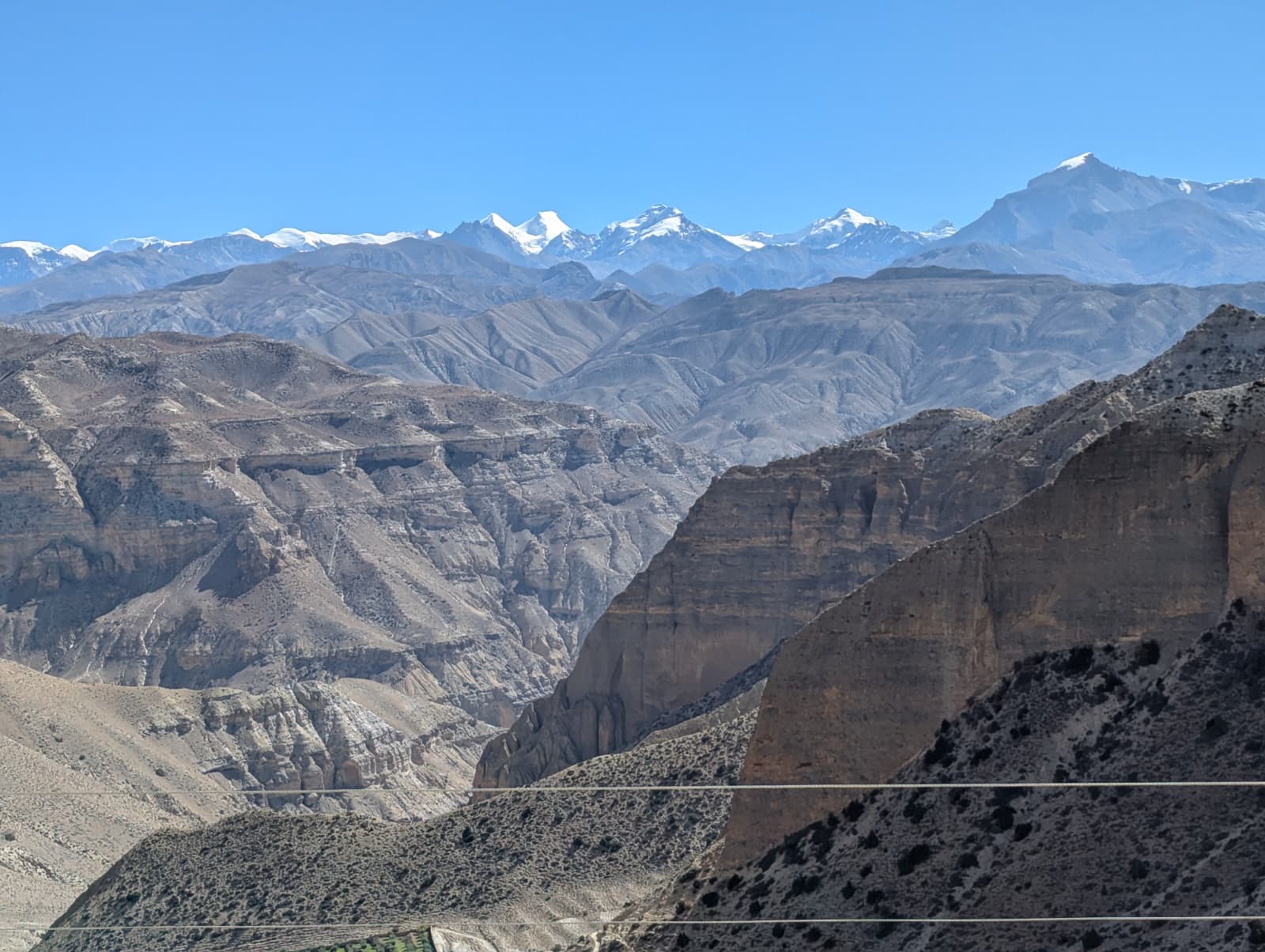
Among the region’s most iconic natural features are its towering red, orange, and ochre-colored cliffs that dominate the surrounding valleys. Over thousands of years, powerful winds and seasonal erosion have sculpted these sandstone formations into dramatic canyons, layered rock faces, and ancient cave complexes carved high into the mountainsides.
As you trek through villages such as Chele, Ghami, Dhakmar, and Charang, the trail winds through narrow canyons, open desert plains, and scenic ridge-top paths that reveal sweeping panoramas of the surrounding Himalayas. The dramatic contrast between the vibrant red cliffs and the snow-covered peaks of Dhaulagiri, Nilgiri, Tukuche Peak, and neighboring mountains creates one of the most photogenic and unforgettable landscapes in Nepal.
Unlike classic trekking routes such as the Everest Base Camp Trek or the Annapurna Circuit, Upper Mustang offers an expansive, open landscape where visibility stretches for miles across rugged desert terrain. Along the route, centuries-old monasteries, traditional villages, and mysterious cave dwellings blend seamlessly into the towering cliffs, creating an atmosphere that is both timeless and otherworldly.
The unique combination of geological wonders, ancient cultural heritage, and spectacular Himalayan scenery makes Upper Mustang one of Nepal’s most extraordinary trekking destinations and an unforgettable adventure for travelers seeking an experience beyond the ordinary.
How Difficult Is the Upper Mustang Trek?
The Upper Mustang Trek is considered a moderately challenging trek, making it suitable for trekkers with a reasonable level of fitness and good walking endurance. Although the trek does not require technical climbing or mountaineering skills, it involves several consecutive days of hiking through high-altitude terrain, rugged desert landscapes, and remote Himalayan villages.
Trekkers typically walk 5 to 7 hours per day, following well-established trails that traverse rocky paths, river valleys, dry desert terrain, and gradual ascents and descents. While the trails are generally easy to navigate, the combination of long walking days, dry conditions, and continuous elevation changes can be physically demanding.
Altitude is one of the primary factors influencing the trek’s difficulty. The route reaches a maximum elevation of approximately 3,840 meters (12,598 feet) at Lo Manthang and nearby mountain passes. Although this altitude is lower than many popular Himalayan treks, it is still high enough to require proper acclimatization. Fortunately, the gradual ascent allows your body to adjust naturally, significantly reducing the risk of altitude sickness when you maintain a slow and steady pace.
Despite its remote location, the Upper Mustang Trek does not include steep technical climbs, glacier crossings, or the use of specialized climbing equipment. As a result, it is accessible to beginners who are physically fit and well prepared for several days of continuous trekking. Nevertheless, previous hiking or trekking experience is beneficial, as it improves stamina, confidence, and overall comfort on the trail.
The region’s unique environment also contributes to the trek’s moderate difficulty. Situated in the Himalayan rain-shadow zone, Upper Mustang is characterized by dry weather, strong afternoon winds, and limited natural shade. Although these conditions create the spectacular desert landscapes for which the region is famous, they can make longer trekking days more physically demanding.
With proper preparation, regular fitness training, and a carefully planned itinerary, most healthy trekkers can successfully complete the Upper Mustang Trek while enjoying one of Nepal’s most distinctive cultural and natural adventures.
Best Time to Visit Upper Mustang for Trekking
Spring and Autumn: The Best Seasons for the Upper Mustang Trek
Spring (March to May) and Autumn (September to November) are widely regarded as the best times to trek in Upper Mustang. These seasons offer the most stable weather, comfortable temperatures, crystal-clear mountain views, and ideal trekking conditions throughout the Trans-Himalayan region.
During spring, daytime temperatures are pleasantly mild, while evenings and early mornings remain cool. Although Upper Mustang retains its distinctive desert landscape, the lower valleys become slightly greener, creating a beautiful contrast with the region’s colorful cliffs, barren hills, and snow-capped mountains. Clear mornings provide spectacular views of Dhaulagiri, Nilgiri, Tukuche Peak, and other Himalayan giants, while moderate afternoon winds are common throughout the season.
Autumn is considered the most popular and reliable trekking season in Upper Mustang. Following the summer monsoon, the atmosphere becomes exceptionally clear, offering outstanding visibility and breathtaking panoramic views across the Himalayas. The dry air, stable weather, and excellent trail conditions make autumn the ideal season for trekking, photography, and cultural exploration.
Both spring and autumn provide exceptional trekking experiences with dry trails, predictable weather, and uninterrupted access to Lo Manthang and the surrounding villages. While autumn is often preferred for its consistently clear skies and stable conditions, spring appeals to trekkers seeking slightly warmer temperatures, fewer crowds, and a more peaceful trekking experience.
Why Is Upper Mustang Famous as a Monsoon-Friendly Trek?
The Upper Mustang Trek is one of the few trekking routes in Nepal that remains highly suitable during the monsoon season (June to August). Often referred to as Nepal’s premier rain-shadow trek, Upper Mustang offers excellent trekking conditions at a time when many of the country’s most popular trekking regions experience heavy rainfall, landslides, muddy trails, and transportation disruptions.
Upper Mustang lies within the rain shadow of the Annapurna and Dhaulagiri mountain ranges. These towering Himalayan peaks block moisture-laden monsoon clouds from reaching the region, resulting in very little rainfall throughout the summer months. Consequently, the landscape remains dry and accessible, making Upper Mustang one of Nepal’s most dependable trekking destinations during the monsoon season.
While popular trekking routes such as Everest Base Camp, the Annapurna Circuit, and Langtang Valley are often affected by poor weather and flight delays during the monsoon, Upper Mustang continues to provide stable trekking conditions with dry trails and minimal rainfall.
Monsoon trekking in Upper Mustang also offers a unique visual experience. The dramatic red cliffs, deep canyons, wind-carved valleys, and traditional Tibetan villages appear even more spectacular beneath changing monsoon skies. The striking contrast between the colorful desert terrain and the surrounding snow-capped Himalayan peaks creates outstanding opportunities for photography.
Another advantage of trekking during the monsoon is the peaceful atmosphere. Because relatively few travelers visit Nepal during this season, the trails, tea houses, monasteries, and villages remain quiet and uncrowded. This allows visitors to enjoy a more authentic cultural experience while interacting closely with local communities.
Furthermore, transportation and trekking logistics generally remain reliable throughout the monsoon, making Upper Mustang one of the best destinations for travelers seeking a Himalayan adventure during Nepal’s traditional off-season.
Winter Trekking in Upper Mustang: Is It Possible and Worth It?
Winter trekking in Upper Mustang (December to February) is possible, but it is best suited to experienced and well-prepared trekkers who are comfortable with cold temperatures and more demanding trekking conditions.
During winter, daytime temperatures are often pleasant enough for trekking beneath clear blue skies, while nighttime temperatures frequently drop well below freezing. The region remains exceptionally dry, and the crisp winter air provides some of the clearest and most spectacular mountain views of the year. Snow-covered peaks, colorful cliffs, and dramatic canyon landscapes appear especially striking under the bright winter sunlight.
One of the greatest advantages of trekking during winter is the remarkable sense of solitude. The trails are virtually empty, the villages are peaceful, and visitors can experience the remote beauty of Upper Mustang without the crowds typical of the peak trekking seasons. Photographers and nature enthusiasts particularly appreciate the exceptional visibility and tranquil atmosphere.
However, winter trekking also presents several challenges. Temperatures can be extremely cold in higher settlements such as Ghami, Charang, and Lo Manthang. Some tea houses may operate with limited services or close for the season, while shorter daylight hours require careful planning of each day’s itinerary. Proper winter clothing, insulated footwear, and a high-quality sleeping bag are essential for both comfort and safety.
For adventurous trekkers seeking an authentic and peaceful Himalayan experience, winter offers a unique opportunity to explore Upper Mustang in its most pristine and untouched state. Although the conditions are more demanding, the combination of breathtaking scenery, complete solitude, and rich cultural heritage makes winter trekking a truly rewarding adventure for those who are well prepared.
Packing List for the Upper Mustang Trekking Adventure
Packing the right gear is essential for a safe, comfortable, and enjoyable Upper Mustang Trek. Although the region lies in the Himalayan rain shadow and experiences relatively dry weather, temperatures can vary significantly between warm daytime conditions and freezing nights. The following packing list includes all the essential clothing, footwear, trekking equipment, and personal items recommended for your adventure.
Clothing
Dress in layers to adapt to changing temperatures and weather conditions throughout the trek.
Moisture-wicking thermal base layers (tops and bottoms)
Warm fleece jacket or insulated mid-layer
Down jacket suitable for cold mountain temperatures
Lightweight, quick-drying trekking shirts
Breathable trekking pants (convertible or quick-dry recommended)
Waterproof and windproof rain jacket or hard shell
Warm beanie or wool hat
Wide-brimmed sun hat or trekking cap
Buff or neck gaiter for wind and dust protection
Lightweight insulated gloves
Moisture-wicking underwear
Several pairs of warm trekking socks (preferably wool or synthetic)
FootwearComfortable, well-fitted footwear is crucial for the varied terrain of Upper Mustang.
High-quality waterproof trekking boots (well broken-in before the trek)
Lightweight camp shoes or trekking sandals for evenings
Extra pairs of wool or moisture-wicking hiking socks
Trekking Gear and EquipmentCarry only the essentials in your daypack while your duffel bag is transported by porters (if included in your package).
Daypack (30–40 liters)
Duffel bag for porter service
Four-season or cold-weather sleeping bag
Adjustable trekking poles
Headlamp with spare batteries
Reusable water bottles or a hydration bladder (2–3 liters total capacity)
Water purification tablets or a portable water filter
UV-protection sunglasses
High-SPF sunscreen (SPF 50+) and SPF lip balm
Portable power bank
Lightweight quick-dry travel towel
Basic first-aid kit, including blister treatment, pain relievers, and personal medications
Personal DocumentsKeep all important documents in a waterproof pouch or zip-lock bag.
Valid passport (original and photocopies)
Upper Mustang Restricted Area Permit and other required trekking permits
Nepal visa and related travel documents
Travel insurance certificate with emergency evacuation and high-altitude trekking coverage
Sufficient cash in Nepalese Rupees for personal expenses, tips, and purchases along the trail
Personal Items and ToiletriesBring lightweight personal essentials to maintain comfort and hygiene throughout the trek.
Toothbrush and toothpaste
Soap or biodegradable body wash
Shampoo (travel-size)
Wet wipes and facial tissues
Hand sanitizer
Personal toiletries in travel-size containers
Lip moisturizer
Personal medications and prescriptions
Energy snacks such as protein bars, nuts, dried fruit, or chocolate
Mobile phone and charging cable
Optional but Recommended ItemsThese items are not essential but can make your trekking experience more comfortable.
Camera or action camera with extra memory cards and batteries
Binoculars for wildlife and mountain viewing
Lightweight notebook and pen
Playing cards or a small travel game
Earplugs for teahouse accommodation
Reusable shopping bag or dry bag
Small sewing or repair kit
Gaiters for dusty or windy trail sectionsPacking efficiently while keeping your backpack lightweight will significantly enhance your trekking experience. Since weather conditions can change rapidly in the Himalayas, wearing clothing in layers and carrying reliable trekking gear will help ensure you remain comfortable throughout your journey to the ancient Kingdom of Lo Manthang.
The detailed day-by-day itinerary for the 14-Day Upper Mustang Trek is outlined below. Each day has been carefully designed to provide the perfect balance of trekking, cultural exploration, and acclimatization, allowing you to fully experience the breathtaking landscapes, ancient monasteries, traditional Tibetan villages, and rich heritage of Nepal’s legendary “Last Forbidden Kingdom.”
Itineraries
Day 1
Drive from Kathmandu to Pokhara (822 m / 2,697 ft)
- Driving Duration: 6–7 hours
- Driving Distance: Approximately 205 km (127 miles)
- Overnight Altitude: 822 meters / 2,697 feet
- Meals: Breakfast
- Accommodation: 3-Star Hotel
After breakfast at your hotel, begin a scenic drive from Kathmandu to Pokhara, Nepal’s beautiful lakeside city and the gateway to the Annapurna and Upper Mustang regions. This journey marks the transition from the vibrant capital to the tranquil foothills of the Himalayas, setting the stage for the adventure ahead.
Travel by comfortable tourist bus or private vehicle, depending on your itinerary. Leaving the Kathmandu Valley behind, the road follows the picturesque Prithvi Highway alongside the Trishuli River, offering spectacular views of rolling hills, terraced farmland, traditional villages, and rushing rivers.
As the journey continues, you’ll experience Nepal’s diverse countryside, passing through bustling market towns, lush forests, fertile valleys, and scenic mountain landscapes. The drive is both adventurous and rewarding, with winding mountain roads, river gorges, and ever-changing scenery providing a memorable introduction to rural Nepal.
Several rest stops are scheduled along the way, giving you the opportunity to enjoy refreshments, stretch your legs, and admire the surrounding natural beauty. On clear days, distant views of the Annapurna range and other snow-capped Himalayan peaks offer an exciting preview of the mountains that await during your trek.
By late afternoon, you will arrive in Pokhara, one of Nepal’s most popular tourist destinations. Nestled beside the serene waters of Phewa Lake and surrounded by magnificent Himalayan scenery, Pokhara is renowned for its peaceful atmosphere, vibrant lakeside cafés, and breathtaking mountain views.
After checking into your comfortable 3-star hotel, you will have free time to relax or explore the charming Lakeside area. You may enjoy a leisurely stroll along the shores of Phewa Lake, browse local shops, or unwind at one of the many cafés and restaurants before preparing for the next stage of your Upper Mustang adventure.
Day 2
Drive from Pokhara to Kagbeni (2,810 m / 9,219 ft)
Driving Duration: 9–10 hours
Driving Distance: Approximately 165 km (103 miles)
Overnight Altitude: 2,810 meters / 9,219 feet
Meals: Breakfast, Lunch, and Dinner
Accommodation: Teahouse
This scenic drive follows the Kali Gandaki Valley through Beni, Tatopani, Ghasa, Marpha, and Jomsom before reaching the historic village of Kagbeni. The route offers spectacular views of Dhaulagiri, Nilgiri, and Tukuche Peak while passing through charming mountain villages, apple orchards, waterfalls, and dramatic canyon landscapes. Upon arrival in Kagbeni, you will complete the permit check before entering the restricted Upper Mustang region on the following day.
Both options are commonly used, but the flight to Jomsom followed by a trek to Kagbeni is the classic itinerary, while the drive to Kagbeni is an excellent alternative when weather conditions affect flights or for travelers who prefer an overland experience.
Day 3
Trek from Kagbeni to Chele (3,050 m / 10,007 ft)
- Trekking Duration: 5–6 hours
- Distance: Approximately 14 km (8.7 miles)
- Overnight Altitude: 3,050 meters / 10,007 feet
- Meals: Breakfast, Lunch, and Dinner
- Accommodation: Teahouse
After breakfast, your journey into the restricted region of Upper Mustang officially begins. Before leaving Kagbeni, your trekking permits are checked at the conservation area checkpoint, marking your entry into the legendary Kingdom of Lo.
From Kagbeni, the trail follows the Kali Gandaki River north through an increasingly arid landscape. The lush riverbanks gradually give way to dramatic desert terrain, colorful cliffs, and wide Himalayan valleys, offering your first true glimpse of Upper Mustang’s unique Trans-Himalayan environment.
Along the way, you pass through the traditional village of Tangbe, renowned for its whitewashed houses, narrow alleyways, apple orchards, and distinctive red, white, and black chortens. The village beautifully reflects the region’s rich Tibetan Buddhist heritage and traditional architecture.
Continuing north, the trail winds through cultivated fields, scattered orchards, and striking rock formations before gradually climbing toward Chele. Surrounded by rugged hills and dramatic canyon landscapes, Chele is a peaceful mountain village that serves as the gateway to the higher valleys of Upper Mustang.
Upon arrival, settle into your comfortable teahouse, enjoy a freshly prepared dinner, and relax as you prepare for the adventure ahead.
Day 4
Trek from Chele to Syanbochen (3,475 m / 11,401 ft)
- Trekking Duration: 6–7 hours
- Distance: Approximately 16 km (10 miles)
- Overnight Altitude: 3,475 meters / 11,401 feet
- Meals: Breakfast, Lunch, and Dinner
- Accommodation: Teahouse
Today’s trek offers one of the most scenic and rewarding sections of the Upper Mustang Trail. Leaving Chele behind, the route climbs steadily through dramatic cliffs, narrow gorges, and rugged mountain ridges before reaching Taklam La Pass (3,624 m).
From the pass, enjoy spectacular panoramic views of the surrounding Himalayan landscape, including distant peaks such as Nilgiri, Tilicho Peak, and Yakawa Kang. The breathtaking scenery perfectly showcases the unique beauty of the Trans-Himalayan region.
Descending from the pass, the trail traverses rocky hillsides and picturesque valleys before reaching the charming village of Samar, nestled among juniper trees and dramatic sandstone cliffs.
A short detour leads to the sacred Chungsi Cave, an important Buddhist pilgrimage site believed to have been a meditation retreat of Guru Rinpoche (Padmasambhava). This peaceful cave offers a fascinating insight into the region’s deep spiritual heritage.
Continuing through rolling terrain and expansive valleys, the trail eventually reaches the quiet settlement of Syanbochen, where you’ll spend the night surrounded by breathtaking mountain scenery.
Day 5
Trek from Syanbochen to Ghami (3,520 m / 11,549 ft)
- Trekking Duration: 5–6 hours
- Distance: Approximately 11 km (6.8 miles)
- Overnight Altitude: 3,520 meters / 11,549 feet
- Meals: Breakfast, Lunch, and Dinner
- Accommodation: Teahouse
After breakfast, begin a steady ascent toward Yamda La Pass (3,850 m), one of the day’s major highlights. From the summit, enjoy magnificent panoramic views across Upper Mustang’s dramatic valleys, colorful cliffs, and distant snow-covered mountains.
The trail then descends through traditional villages adorned with prayer flags, chortens, and ancient mani walls, reflecting the enduring influence of Tibetan Buddhism throughout the region.
Continuing onward, you’ll cross Nyi La Pass (4,010 m), the highest point of today’s trek. The gradual climb is rewarded with breathtaking views over Mustang’s vast desert landscapes and rugged mountain ridges stretching toward the Tibetan Plateau.
After crossing the pass, descend through spectacular red cliffs, deeply eroded canyons, and peaceful valleys before arriving at the traditional village of Ghami.
One of Upper Mustang’s oldest settlements, Ghami is famous for its beautifully preserved Tibetan architecture and one of the longest mani walls in Nepal. The village offers an authentic glimpse into the traditional lifestyle of the Loba people while providing a peaceful overnight stop.
Day 6
Trek from Ghami to Charang (3,500 m / 11,483 ft)
- Trekking Duration: 4–5 hours
- Distance: Approximately 9 km (5.6 miles)
- Overnight Altitude: 3,500 meters / 11,483 feet
- Meals: Breakfast, Lunch, and Dinner
- Accommodation: Teahouse
Leaving Ghami behind, today’s trail crosses a suspension bridge over the Ghami Khola before gradually climbing toward scenic ridgelines overlooking the surrounding valleys.
The route traverses a spectacular landscape of red sandstone cliffs, eroded rock formations, and expansive desert plains, offering some of the most photogenic scenery of the trek.
Along the way, you’ll walk beside impressive ancient mani walls carved with sacred Buddhist prayers. These beautifully crafted stone walls are among Upper Mustang’s most significant cultural landmarks and symbolize the region’s deep spiritual heritage.
After a gentle walk through wide valleys and rolling terrain, you arrive at Charang, one of the most historically important villages in Upper Mustang.
Charang is renowned for its magnificent monastery, ancient royal palace, and traditional whitewashed houses. Surrounded by dramatic Himalayan scenery, the village provides a fascinating glimpse into the rich history and cultural legacy of the former Kingdom of Lo.
Day 7
Trek from Charang to Lo Manthang (3,840 m / 12,598 ft)
- Trekking Duration: 5–6 hours
- Distance: Approximately 13 km (8 miles)
- Overnight Altitude: 3,840 meters / 12,598 feet
- Meals: Breakfast, Lunch, and Dinner
- Accommodation: Teahouse
Today marks one of the most anticipated days of the trek as you journey to the legendary walled city of Lo Manthang, the ancient capital of the Kingdom of Lo.
Leaving Charang behind, the trail gradually climbs across open plateaus, colorful desert valleys, and windswept ridges. Along the way, enjoy magnificent views of Upper Mustang’s rugged landscapes and distant Himalayan peaks.
As you approach a scenic ridge, your first glimpse of the white-walled city of Lo Manthang comes into view. Standing proudly in the middle of the high-altitude desert, the fortified city creates an unforgettable first impression.
Descending gently toward the city, you’ll pass ancient chortens, prayer flags, and traditional settlements before entering through the historic gateway into Lo Manthang.
After checking into your teahouse, spend the evening exploring the narrow streets, traditional homes, and peaceful atmosphere of this remarkable Himalayan kingdom.
Day 8
Explore Lo Manthang
Overnight Altitude: 3,840 meters / 12,598 feet
- Meals: Breakfast, Lunch, and Dinner
- Accommodation: Teahouse
Today is dedicated to discovering the extraordinary cultural treasures of Lo Manthang, the ancient walled capital of Upper Mustang.
Explore its maze of narrow alleyways, centuries-old whitewashed houses, colorful prayer wheels, chortens, and beautifully preserved monasteries that have served as centers of Tibetan Buddhism for generations.
Visit the city’s renowned monasteries, including Jampa Lhakhang, Thubchen Gompa, and Chode Monastery, each housing remarkable Buddhist murals, sacred scriptures, and intricate religious artwork.
You’ll also visit the historic Royal Palace, once home to the Mustang royal family and an enduring symbol of the region’s unique cultural identity.
For those seeking even greater adventure, optional excursions to nearby caves, monasteries, or scenic viewpoints offer spectacular panoramic views of the surrounding valleys, dramatic cliffs, and snow-capped Himalayan peaks.
After a rewarding day of exploration, return to your teahouse for a relaxing evening in this remarkable Himalayan kingdom.
Day 9
Trek from Lo Manthang to Drakmar (3,810 m / 12,500 ft)
- Trekking Duration: 6–7 hours
- Distance: Approximately 16 km (10 miles)
- Overnight Altitude: 3,810 meters / 12,500 feet
- Meals: Breakfast, Lunch, and Dinner
- Accommodation: Teahouse
After breakfast, leave Lo Manthang through its historic gateway and begin your return journey through the spectacular landscapes of Upper Mustang.
Today’s route passes two of the region’s most sacred sites—Lo Gekar and Ghar Gompa, one of the oldest monasteries in Nepal. According to local tradition, Ghar Gompa was founded by Guru Rinpoche (Padmasambhava) during the 8th century and remains an important pilgrimage destination for Tibetan Buddhists.
The trail winds through colorful desert valleys, dramatic sandstone cliffs, and remote mountain plateaus, offering outstanding panoramic views across the Mustang landscape. Along the way, you’ll have several opportunities to look back toward Lo Manthang and appreciate the immense beauty of the ancient kingdom from a different perspective.
After visiting Ghar Gompa, continue through increasingly rugged terrain before descending to Drakmar, a small village famous for its towering crimson cliffs and striking geological formations. The vivid red rock walls surrounding the village create one of the most unforgettable landscapes of the entire Upper Mustang Trek.
Upon arrival, settle into your comfortable teahouse and enjoy a well-earned evening surrounded by the spectacular scenery of the Trans-Himalayan region.
Day 10
Trek from Dhakmar to Ghiling (3,806 m / 12,487 ft)
- Trekking Duration: 5–6 hours
- Distance: Approximately 13 km (8 miles)
- Overnight Altitude: 3,806 meters / 12,487 feet
- Meals: Breakfast, Lunch, and Dinner
- Accommodation: Teahouse
After breakfast in the picturesque village of Dhakmar, begin your trek through one of the most peaceful and scenic sections of Upper Mustang. As you leave behind the striking red cliffs that surround Dhakmar, the trail enters a quieter and more remote landscape, offering a wonderful sense of solitude and wilderness.
The route follows ancient pathways through rugged valleys and barren hills, passing several centuries-old cave dwellings carved into towering cliff faces. These mysterious caves are believed to have served as meditation retreats, shelters, and spiritual sanctuaries for Buddhist monks and local inhabitants, reflecting the region’s rich cultural and religious heritage.
Along the trail, you will encounter numerous mani walls, prayer wheels, and chortens inscribed with sacred Buddhist mantras. These important spiritual landmarks provide a constant reminder of the deep-rooted Tibetan Buddhist traditions that continue to shape daily life in Upper Mustang.
As the journey continues, the landscape alternates between dry riverbeds, wind-sculpted rock formations, and expansive desert valleys. On clear days, magnificent views of distant snow-capped Himalayan peaks provide a stunning contrast to the rugged high-altitude desert scenery.
The trail gradually descends before a gentle final ascent leads you to the peaceful village of Ghiling, one of the oldest settlements in Upper Mustang. Surrounded by wide valleys, cultivated fields, and barren hills, Ghiling offers a tranquil atmosphere and spectacular mountain views. Upon arrival, check into your comfortable teahouse and enjoy a relaxing evening after another rewarding day on the trail.
Day 11
Trek from Ghiling to Chhusang (3,050 m / 10,007 ft)
- Trekking Duration: 6–7 hours
- Distance: Approximately 21 km (13 miles)
- Overnight Altitude: 3,050 meters / 10,007 feet
- Meals: Breakfast, Lunch, and Dinner
- Accommodation: Teahouse
Today’s trek is one of the longest of the journey, covering approximately 21 kilometers as you gradually descend through the spectacular valleys of Upper Mustang. Although the distance is greater, the trail is mostly downhill or gently undulating, making for a comfortable and rewarding day of trekking.
Leaving Ghiling behind, the trail winds through vast desert landscapes, dramatic rock formations, and windswept valleys that define the unique character of the Mustang region. As you descend, the air becomes warmer and richer in oxygen, while the barren terrain gradually gives way to more fertile valleys and traditional farming communities.
Along the route, you pass through charming villages where local residents continue to preserve their centuries-old Tibetan Buddhist traditions and lifestyle. Ancient mani walls, colorful prayer flags, and whitewashed chortens line the trail, creating a deeply spiritual atmosphere throughout the journey.
The trail offers magnificent views across the Kali Gandaki Valley, with distant snow-capped peaks visible on clear days. As the elevation gradually decreases, patches of cultivated farmland, poplar trees, and small orchards begin to reappear, highlighting the changing landscape as you return toward the lower Mustang region.
By mid-afternoon, you arrive at the traditional village of Chhusang, beautifully situated at the confluence of several valleys beneath towering red sandstone cliffs. Known for its distinctive mud-brick houses, ancient cave formations, and rich cultural heritage, Chhusang provides a fascinating glimpse into the traditional lifestyle of the Mustang people.
After checking into your teahouse, you will have time to relax, explore the village, and reflect on the incredible experiences of your journey through Nepal’s legendary “Last Forbidden Kingdom.”
Day 12
Trek from Chhusang to Muktinath (3,760 m / 12,336 ft)
Trekking Duration: 6–7 hours
- Distance: Approximately 17 km (10.6 miles)
- Overnight Altitude: 3,760 meters / 12,336 feet
- Meals: Breakfast, Lunch, and Dinner
- Accommodation: Teahouse
After breakfast, leave the traditional village of Chhusang and begin your final day of trekking through the spectacular landscapes of the Mustang region. The trail follows the Kali Gandaki Valley southward before gradually ascending toward the sacred pilgrimage site of Muktinath.
As you walk through the arid Trans-Himalayan landscape, you’ll pass traditional villages, cultivated fields, colorful prayer flags, and ancient chortens that reflect the region’s rich Tibetan Buddhist heritage. The scenery gradually transforms as barren cliffs give way to greener hillsides and scattered juniper forests.
Along the route, enjoy magnificent views of Nilgiri, Dhaulagiri, Tukuche Peak, and the surrounding Himalayan ranges. The trail offers a pleasant combination of gentle ascents and descents, allowing plenty of opportunities to appreciate the dramatic mountain scenery.
By afternoon, you arrive at Muktinath, one of Nepal’s most sacred pilgrimage destinations, revered by both Hindus and Buddhists. The temple complex is famous for its 108 sacred water spouts, the eternal natural flame, and its peaceful spiritual atmosphere. If time permits, you may explore the temple grounds and experience the unique blend of religious traditions that make Muktinath one of the Himalayas’ most important pilgrimage sites.
After checking into your teahouse, enjoy a warm dinner and spend your final night in the mountains surrounded by spectacular Himalayan views.
Day 13
Drive from Muktinath to Pokhara (822 m / 2,697 ft)
- Driving Duration: 7–9 hours
- Driving Distance: Approximately 165 km (103 miles)
- Overnight Altitude: 822 meters / 2,697 feet
- Meals: Breakfast and Lunch
- Accommodation: 3-Star Hotel
After an early breakfast, bid farewell to the breathtaking landscapes of Upper Mustang as you begin the scenic drive back to Pokhara by private jeep or shared vehicle.
The journey descends through the picturesque Kali Gandaki Valley, passing the traditional villages of Kagbeni, Jomsom, Marpha, Tatopani, and Beni. Along the way, enjoy spectacular views of the Annapurna and Dhaulagiri mountain ranges, dramatic river gorges, cascading waterfalls, apple orchards, and charming Himalayan settlements.
As the road descends from the high-altitude desert into the greener foothills, you’ll witness a remarkable transition in both scenery and climate. The rugged landscapes of Mustang gradually give way to lush forests, terraced farmland, and subtropical valleys, providing a fitting conclusion to your Himalayan adventure.
Upon arrival in Pokhara, check into your comfortable 3-star hotel and enjoy the rest of the day at your leisure. You may choose to relax by the tranquil shores of Phewa Lake, stroll through the vibrant Lakeside district, or celebrate the successful completion of your unforgettable Upper Mustang Trek with a farewell dinner overlooking the Himalayas.
Day 14
Drive from Pokhara to Kathmandu (1,400 m / 4,593 ft)
-
Driving Duration: 6–7 hours
-
Driving Distance: Approximately 205 km (127 miles)
-
Overnight Altitude: 1,400 meters / 4,593 feet
-
Meals: Breakfast
-
Accommodation: 3-Star Hotel
After breakfast at your hotel, depart from Pokhara and begin the scenic drive back to Kathmandu, bringing your unforgettable Upper Mustang adventure to a close. Traveling along the picturesque Prithvi Highway, the journey follows the Trishuli River through rolling hills, terraced farmland, traditional villages, and vibrant roadside towns.
As you leave the tr
- 2 night hotel accommodation with breakfast in Pokhara
- Trekking guide/s
- One porter for every 2 trekking participants (1 porter carries 25 kilograms of luggage)
- All meals three times a day (breakfast, lunch & dinner)
- Accommodation in teahouse (lodge) during the trek
- Equipment: Sleeping bags, down jackets, duffle bags, cooking utensil and trekking poles etc.
- Special trekking permit for Upper Mustang
- Entry Permit for Annapurna conservation Area (ACAP)
- Trekkers’ Information Management System (TIMS) card
- Local government entrance fee
- Land transportation: Kathmandu – Pokhara – Kathmandu by a/c deluxe tourist bus
- Drive by Bus Or Jeep From pokhara to Kagbeni And Muktinath/ kagbeni to pokhara. as per the itinerary
- Meals, accommodation, insurance and equipment fees for the guides and porters
- First aid kit
- Tax, VAT and our service charge
- Rescue assistance (In case of emergency, we will organize prompt and professional rescue services. To arrange timely evacuation/rescue by helicopter, you must be well insured from a reliable travel insurance company that covers both helicopter evacuation and medical treatment cost.)
- Personal expenses (telephone calls, internet, toiletries, battery recharge, hot shower, laundry, soft drinks, beer, or any alcoholic beverages)
- Travel/Medical insurance
- Tips for guides and porters
- Lunch and dinner in Kathmandu and Pokhara


The Upper Mustang Trek is considered a moderate trek. It does not require technical climbing experience, but trekkers should be prepared to walk 5–7 hours per day over varied terrain at elevations of up to approximately 3,840 meters (12,598 feet). A reasonable level of fitness and good walking endurance are recommended.
The best seasons are spring (March to May) and autumn (September to November), when the weather is stable, skies are clear, and mountain views are at their best. Upper Mustang is also one of Nepal’s few trekking destinations that can be visited during the monsoon season (June to August) because it lies in the Himalayan rain-shadow region.
Yes. Upper Mustang is a restricted area, so trekkers must obtain a Restricted Area Permit (RAP) along with an Annapurna Conservation Area Permit (ACAP). Trekking with a licensed guide through a registered trekking agency is mandatory.
No. Independent trekking is not permitted in Upper Mustang. According to Nepal Government regulations, all trekkers must be accompanied by a licensed guide and obtain the required restricted-area permits through an authorized trekking agency.
The highest overnight stop is Lo Manthang at approximately 3,840 meters (12,598 feet). Some optional viewpoints and nearby passes may reach slightly higher elevations.
Although the altitude is lower than many other Himalayan treks, there is still a possibility of Acute Mountain Sickness (AMS). A gradual ascent, proper hydration, and adequate acclimatization help minimize the risk.
Accommodation is provided in traditional teahouses (lodges). Rooms are generally simple but comfortable, with twin-sharing beds. Most teahouses offer shared bathroom facilities, warm meals, and welcoming hospitality.
Teahouses offer a variety of freshly prepared meals, including Dal Bhat (rice, lentils, and vegetables), noodles, fried rice, soups, pasta, potatoes, eggs, pancakes, porridge, tea, coffee, and seasonal local dishes. Vegetarian options are widely available.
Yes. Upper Mustang is one of Nepal’s best monsoon trekking destinations because it receives very little rainfall. The Annapurna and Dhaulagiri ranges block the monsoon clouds, keeping the trails relatively dry throughout the summer months.
Most villages have electricity for charging electronic devices, although charging may incur an additional fee. Wi-Fi and mobile network coverage are available in many settlements but can be slow or unreliable in remote area
Essential items include layered clothing, a warm down jacket, waterproof trekking boots, trekking poles, sunglasses, sunscreen, a reusable water bottle, a sleeping bag, personal medications, and travel documents. Due to the dry and windy climate, a buff or face covering is also highly recommended.
Yes. Comprehensive travel insurance is strongly recommended and should include high-altitude trekking coverage, emergency medical treatment, and helicopter evacuation in case of illness or injury.
The Upper Mustang Trek offers an extraordinary combination of ancient Tibetan Buddhist culture, spectacular Trans-Himalayan desert landscapes, historic monasteries, traditional villages, and the legendary walled city of Lo Manthang. As Nepal’s famous “Last Forbidden Kingdom,” Upper Mustang provides one of the country’s most distinctive and culturally immersive trekking experiences.
There are no reviews yet.