
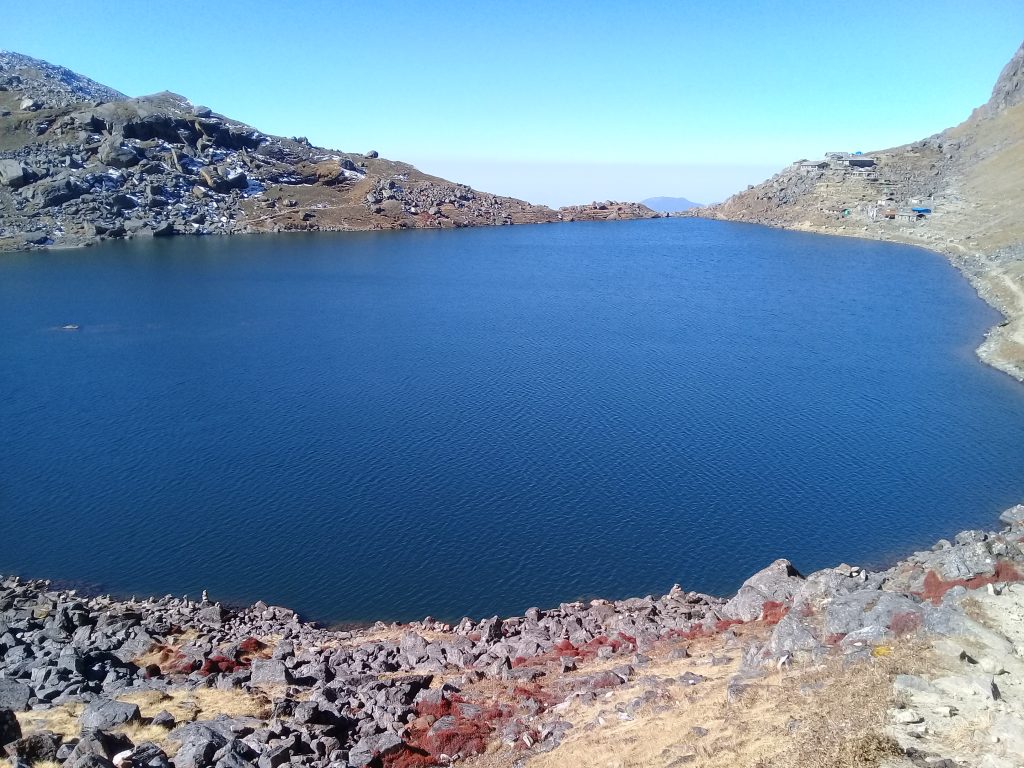
14 Days Tsum valley Trek
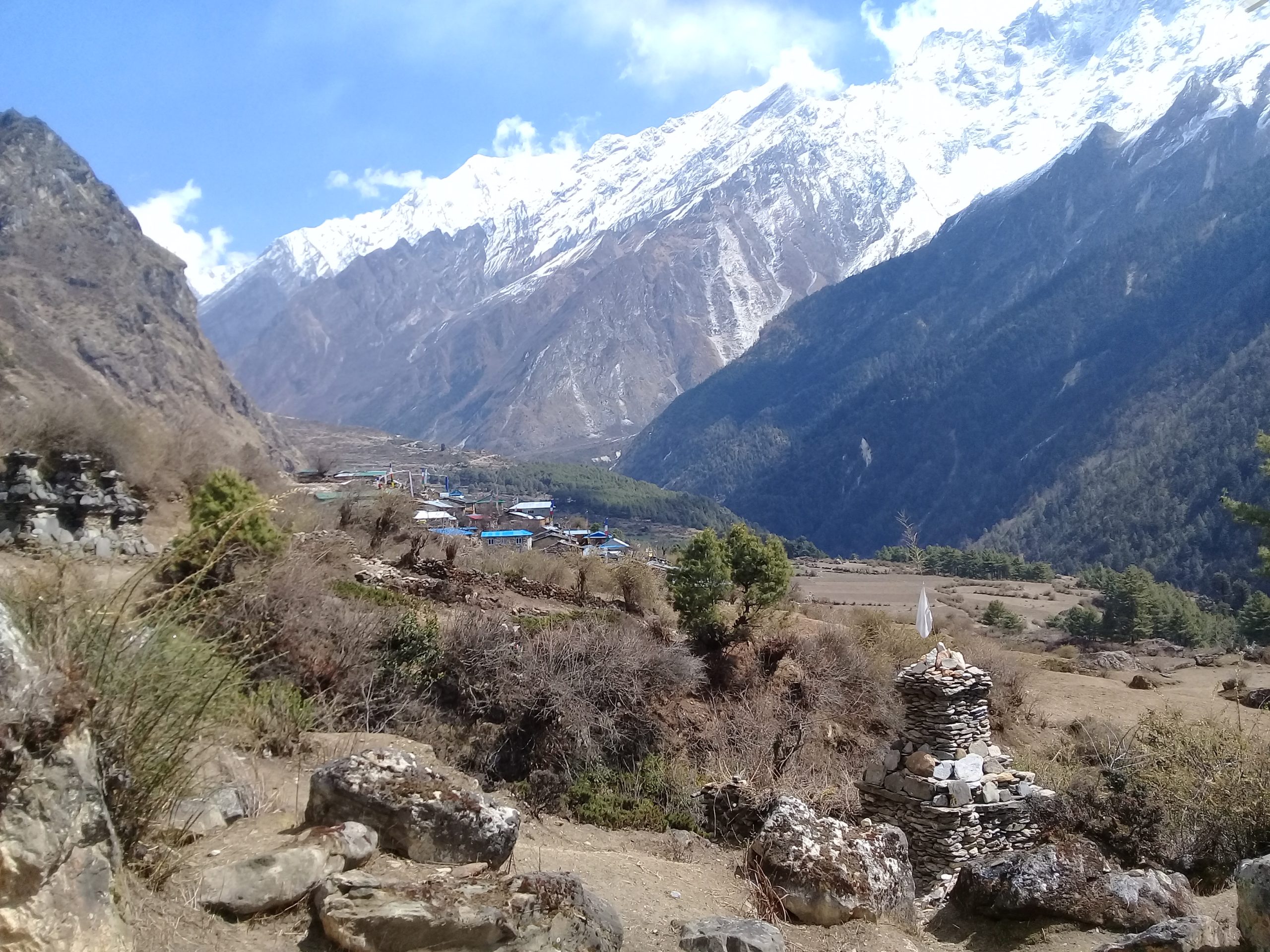
14 Days Tsum valley Trek
Mount Everest is located in the eastern part of Nepal, on the border between Nepal and China (Tibet). This region is home to Mount Everest and many other mountains that are over 8,000 meters high.
Keywords
Trip code
WT-CODE 2769
- Overview
- Trip Outline
- Trip Includes
- Trip Excludes
- Gallery
- Reviews
- Booking
- FAQ
The Tsum Valley is one of Nepal’s most culturally and spiritually significant Himalayan regions. Located in the northern part of Gorkha District near the border with Tibet, the valley has a rich history shaped by centuries of Tibetan Buddhist influence, isolation, and unique cultural traditions. Known locally as “Beyul Kyimolung” or the Hidden Valley of Happiness, Tsum Valley is believed to be one of the sacred hidden valleys blessed by the great Buddhist master Guru Padmasambhava, also known as Guru Rinpoche.
According to Buddhist tradition, Guru Padmasambhava visited the Himalayan region during the 8th century and identified several hidden valleys, known as Beyuls, as sacred refuges where people could find peace, spiritual guidance, and protection during difficult times. Tsum Valley was considered one of these holy places because of its natural beauty, remoteness, and spiritual energy. For centuries, pilgrims, monks, and meditators traveled to the valley seeking solitude and religious practice.
The history of Tsum Valley is closely connected to Tibet. Because of its location near the Tibetan border, the valley developed strong cultural, religious, and trade links with Tibetan communities. The local people, known as Tsumbas, share many customs with Tibetans, including language, traditional dress, architecture, and Buddhist beliefs. For generations, trade routes crossing the Himalayas allowed the exchange of goods, ideas, and religious teachings between Tsum and Tibet, helping shape the valley’s distinctive identity.
One of the most important historical figures associated with Tsum Valley is Milarepa, the renowned 11th-century Tibetan yogi, poet, and spiritual teacher. Local legends and historical traditions state that Milarepa meditated in caves throughout the valley during his journeys in the Himalayas. Several caves and sacred sites linked to him still exist today and are revered by both locals and pilgrims. His presence strengthened the valley’s reputation as an important center of Buddhist meditation and spiritual practice.
Over the centuries, many monasteries, chortens, mani walls, and religious monuments were built throughout the valley. Among the most significant are Mu Gompa and Rachen Gompa. These monasteries became important centers of learning, preserving Buddhist scriptures, rituals, and traditions. They also played a central role in community life, providing education and spiritual guidance to local residents.
Due to its remote location and difficult terrain, Tsum Valley remained isolated from the outside world for centuries. While other regions of Nepal experienced rapid social and economic changes, the valley preserved its ancient way of life. The Tsumba people continued to practice traditional farming, yak herding, and local trade. Their strong adherence to Buddhist values encouraged harmony, compassion, and respect for nature. Hunting and animal slaughter were traditionally discouraged, reflecting the community’s commitment to non-violence.
The region remained largely unknown to outsiders for much of modern history. Because of its proximity to the Tibetan border and its strategic importance, the Nepalese government designated Tsum Valley as a restricted area. Access was tightly controlled, and very few foreign visitors were allowed to enter. This isolation helped protect the valley’s cultural heritage and prevented large-scale modernization from altering traditional lifestyles.
A major milestone in the valley’s history occurred in 2008, when the Nepalese government officially opened Tsum Valley to foreign trekkers. Since then, visitors from around the world have been able to experience its unique culture, ancient monasteries, and spectacular mountain scenery. Tourism has provided new economic opportunities for local communities while also increasing awareness of the valley’s cultural and environmental significance.
Today, Tsum Valley is recognized as one of Nepal’s most remarkable hidden treasures. Its history is reflected in its ancient monasteries, sacred caves, traditional villages, and enduring Buddhist traditions. Despite the gradual arrival of tourism and modern development, the valley continues to preserve much of its original character, offering visitors a rare glimpse into a centuries-old Himalayan culture that has remained remarkably intact.
Tsum Valley is a remote and culturally rich Himalayan valley in northern Gorkha, Nepal, near the Tibetan border. Known as the “Hidden Valley of Happiness”, it has a strong Tibetan Buddhist heritage, ancient monasteries, traditional villages, and sacred sites associated with Milarepa. Opened to foreign trekkers in 2008, Tsum Valley is renowned for its preserved culture, peaceful atmosphere, and stunning views of the Himalayas.
Itineraries
Day 1
Drive Kathmandu to Machha Khola 8-9 hrs/157Km.
Because the road extension has gone further than Soti Khola, Nepal Trekking experts recommend driving directly to Machha Khola rather than staying in Soti Khola and walking on the road the next day. We leave Kathmandu for the long drive to Machha Khola, passing through Arughat and Soti Khola along the way on the dusty road. Machha Khola is located on the banks of the Budhi Gandaki River, our companion, and guide through the Manaslu region, the source of which we touch on at some point.
Day 2
Machha Khola to Jagat 7 hrs/17Km.
The trail will lead us through the banks of the Budhi Gandaki river to Khorlabensi. Once we continue from Khorlabensi then we will arrive at Tatopani(Tatopani meaning hot water). Tatopani is another interesting place where you can experience the natural running hot water. Probably we might have lunch at Dovan before we arrive at Jagat for the overnight. Jagat is a big town and the restricted area will start from here. It will offer a neat and clean stone paved trail, mani walls, MCAP office (Manaslu Conservation Area Project), Siringi Himal, etc.
Day 3
Jagat to Lokpa 6-7 hrs/14Km.
A series of striking suspension bridges dominate our path today as we steadily make our way up the trail past numerous waterfalls towards the Gurung village of Philim and its pretty setting. From there the trail climbs again and branches away into the Tsum Valley, with the striking image of Ganesh Himal and Shringi Himal drawing our attention as we make our approach to Lopka to end our day on the trail.
Day 4
Lokpa to Chumling 4-5 hrs/8Km.
Lush jungle and three more suspension bridges usher us into the mystical Buddhist valley, and after an initial sharp climb, the rest of our hike to Chumling is a fairly leisurely one that allows us to relax and take in the beauty of the valley.
Day 5
Chumling to Chhaikampar 4-5 hrs/11Km.
Glorious views of the Ganesh Himal serve as our backdrop during the day as we steadily ease higher along the Shiar Khola, a minor tributary of the Budhi Gandaki, a small Tibetan monastery along our path reminding us of the valley’s strong Tibetan influences. The day finishes off with our arrival at Chhaikampar, the largest settlement in the valley.
Day 6
Chhaikampar to Mu Gompa 6-7 hrs/15Km.
With the tributary still acting as our guide we make our way deeper and higher into the valley, following the ancient trade route to Tibet as we make our way past chortens, stupas, mani walls, monasteries, and nunneries, all reminders of the close cultural and historical bonds to Nepal’s mystical neighbor to the north — not for nothing is Tsum Valley known as ‘Little Tibet’. We can pause briefly to inspect Milarepa cave before we arrived at the monastery of Mu Gompa where we’ll stay the night and enjoy the hospitality of the resident monks — truly one of the cultural highlights of the trek.
Day 7
Tibet border (Ngula Dhojyang, 5093m/16709ft.) then return to Mu Gompa 8-9 hrs.
Today’s journey represents an exceptional opportunity to travel along an ancient route linking Nepal to the fabled land of Tibet to the north, making our way through high-altitude yak pastures and soaring peaks to the pass of Ngula Dhojyang and the border crossing where local people are still permitted to cross in pursuit of age-old trading practices.
Day 8
Mu Gompa to Chhaikampar 5 hrs/15Km.
We retrace our steps from Mu Gompa as far as the village of Lar then take an alternate route back to Chhaikampar via Rachen Gompa, home to the valley’s most famous nunnery.
Day 9
Chhaikampar to Gompa Lungdang 7 hrs/12Km
Our day begins with a descent to the village of Dumji, after which we change direction and take a steep trail through dense pine and rhododendron forests until we reach Gompa Lungdang and its serenely situated monastery below Ganesh Himal. Once we get to Gumpa Lungdang, there is only a Nunnery where we gonna spend our overnight. The food and accomodation is very basic here.
Day 10
Hike to Ganesh Himal Base Camp (4900m/16076ft) then back to Gompa Lungdang 8-9 hrs.
The ascent to the base camp takes approximately four hours, perhaps a little less, and once there our efforts are rewarded with some of the finest views on offer of towering Ganesh Himal and the surrounding alpine wilderness. After a suitable amount of time to savor the view, we retreat down the trail to Gompa Lungdang.
Day 11
Gompa Lungdang to Lokpa 8 hrs/17Km.
Our return path takes the alternative route towards Ripchet, which gives us a new and rewarding perspective on the landscape as we make our way to Lokpa.
Day 12
Lokpa to Jagat 7 hrs/14Km.
We continue to drop down in altitude, passing back through the picturesque village of Philim and back over the suspension bridges, following the tumbling waters of the Budhi Gandaki as they descend towards to Jagat.
Day 13
Jagat to Machha Khola 5-6 hrs/17Km.
The trail along the Budhi Gandaki River continues south to Tatopani, where we can again avail ourselves of the hot springs before making our way down towards Khorlabesi and on to Macha Khola.
Day 14
Machhakhola to Kathmandu by bus 9-10 hrs/157Km.
Our drive via local transport takes us along the Marsyangdi and Trishuli rivers as we pass through the full panoply of Himalayan scenery on our way to Kathmandu, with a smattering of villages dotting a verdant green landscape interwoven with a patchwork quilt of crops and terraced fields, the snow-capped peaks in the background adding the final magnificent touch to the rolling panorama.
- All necessary trekking permits such as Tsum Valley restricted area permit, Manaslu conservation area permit, TIMS card, etc.
- All accommodations during the trek
- Three meals a day during the trek
- Fresh fruit each day if and when available
- Complimentary duffel bag, trekking map, down jacket, sleeping bag if needed
- Government-registered and first-aid-trained local guide who speaks English
- First-aid kit
- Bus transportation between Kathmandu and Machha Khola (a private jeep costs $400 in total for two ways which is divided by the number of foreigners)
- Staff insurance, meals, accommodation, equipment, transportation, etc.
- Rescue arrangements if necessary
- Agency service charge and government TAX/VAT
- Certificate of achievement if needed
- International airfare and Nepal visa fee
- Lunch and Dinner in Kathmandu
- Porters to carry your backpacks (We provide porters on request. A porter will be provided for two people and it costs $350 in total including his salary, meals, accommodation, transportation, and insurance. That means $175 per person as per the itinerary.)
- Personal Insurance, personal expenses, loss of property and theft, etc.
- Sightseeing costs in the city. (temples, monasteries, etc.)
- All beverages, snacks, and additional expenses such as laundry, hot showers, battery charging, Wifi, etc.
- Additional cost due to natural calamities and unforeseen circumstances
- Tipping to staff
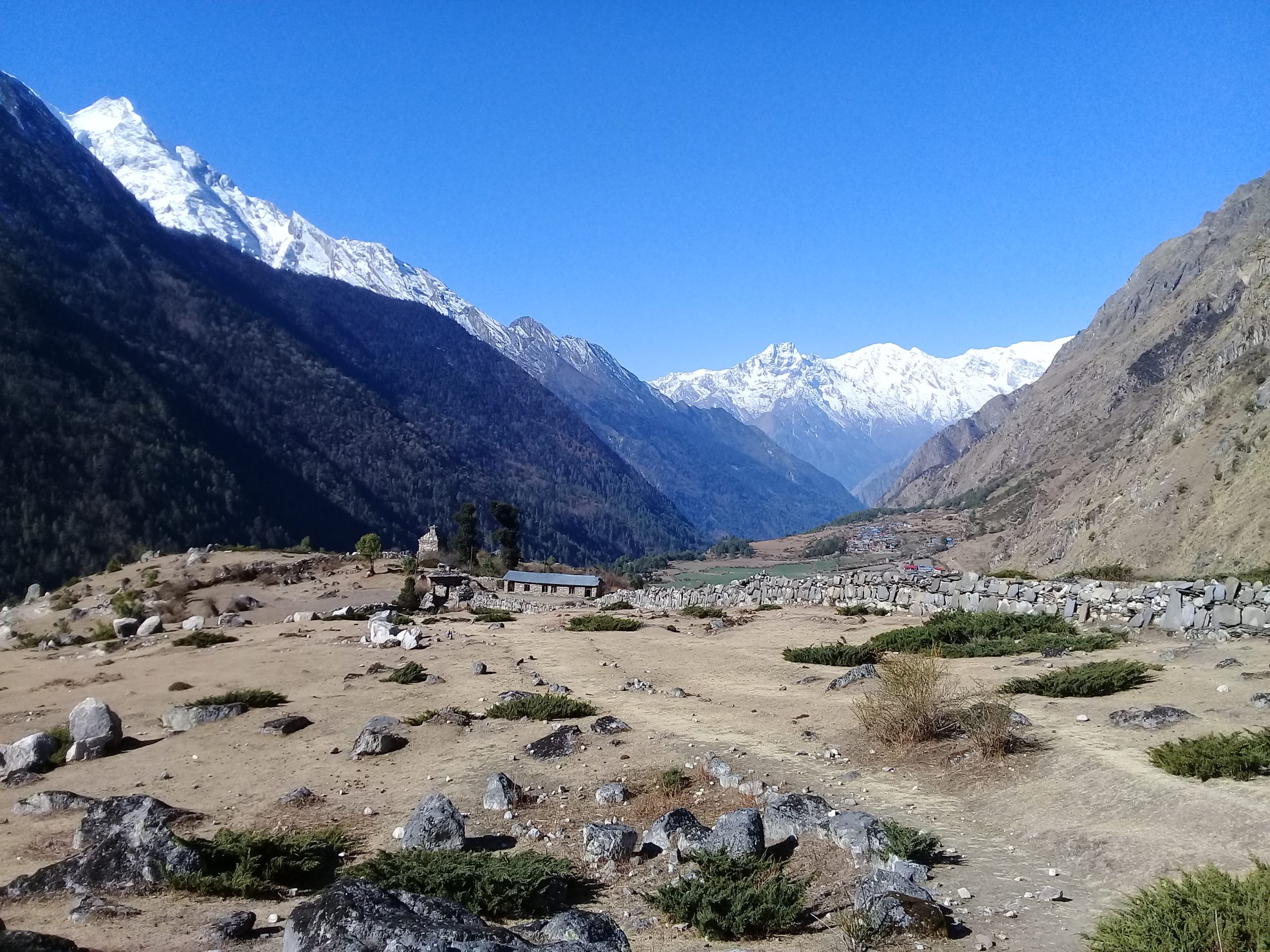
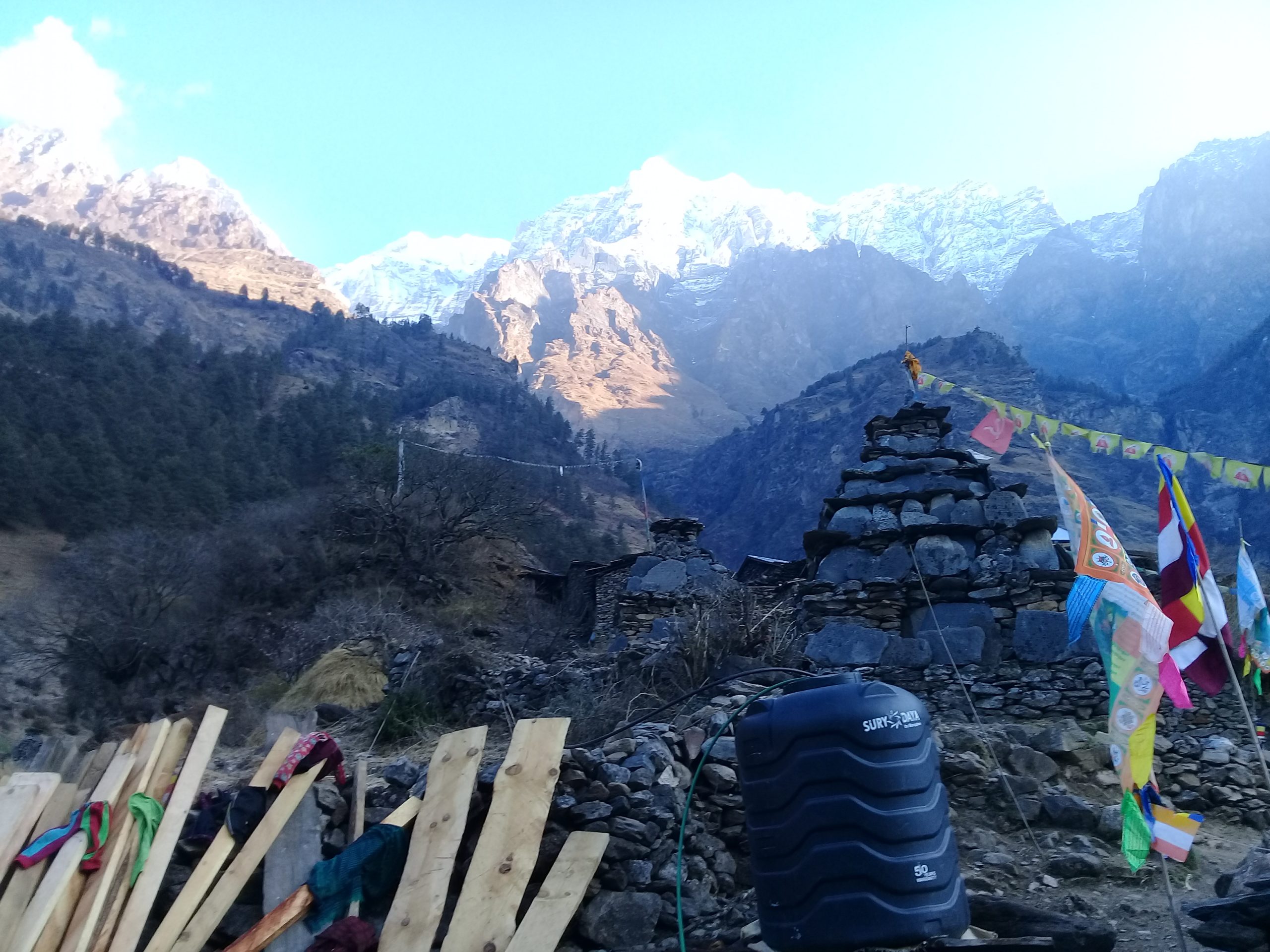
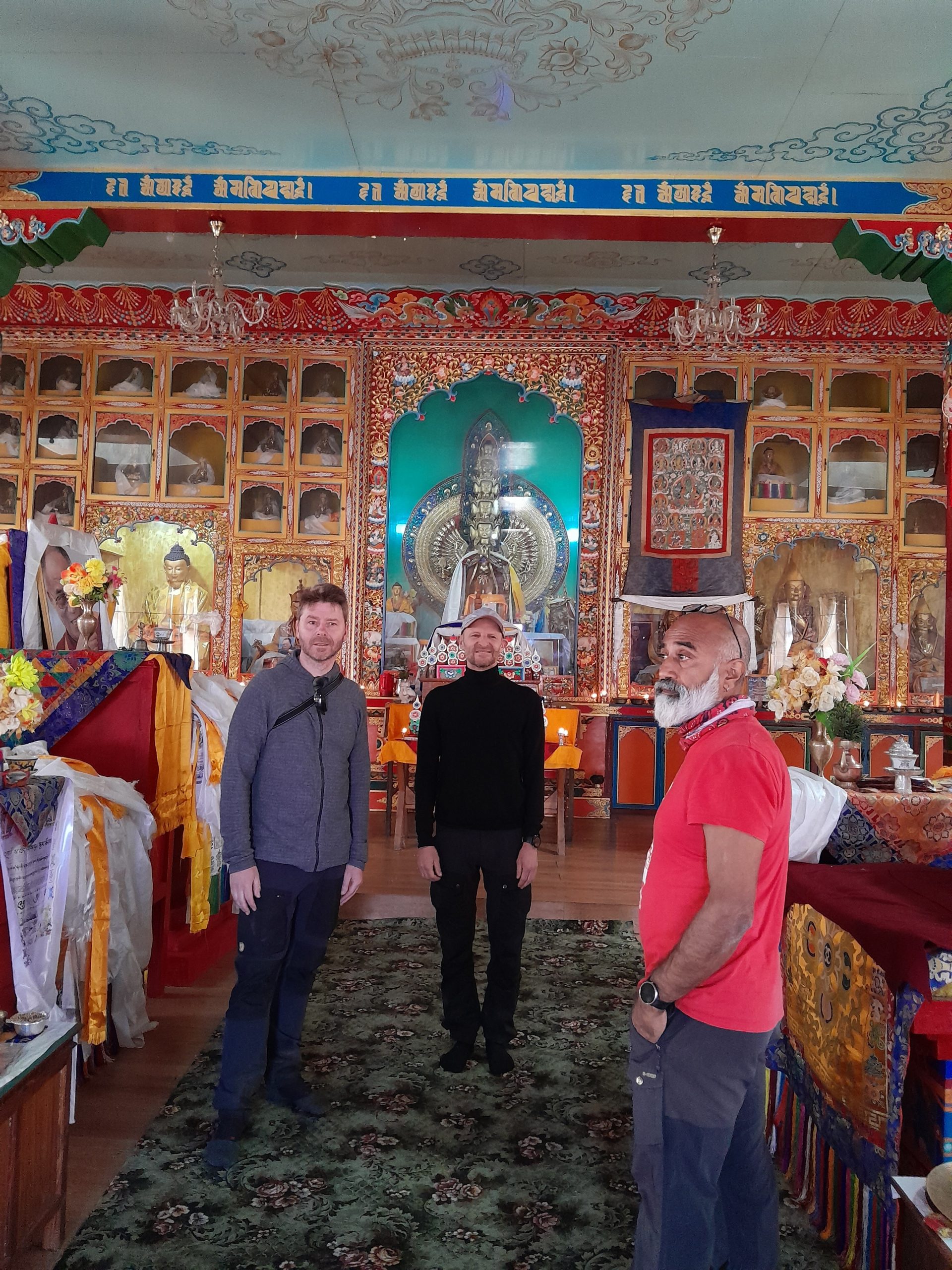
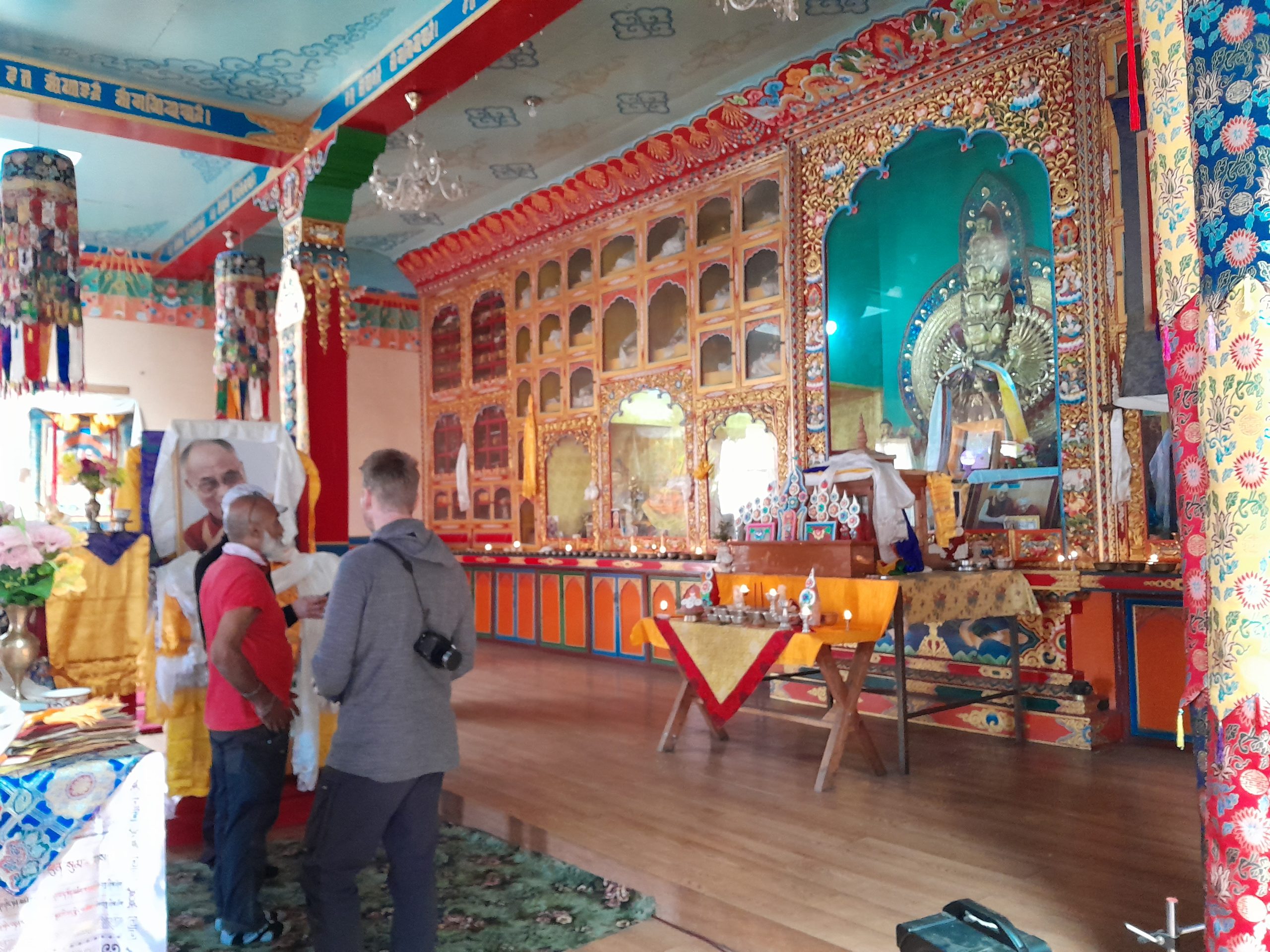
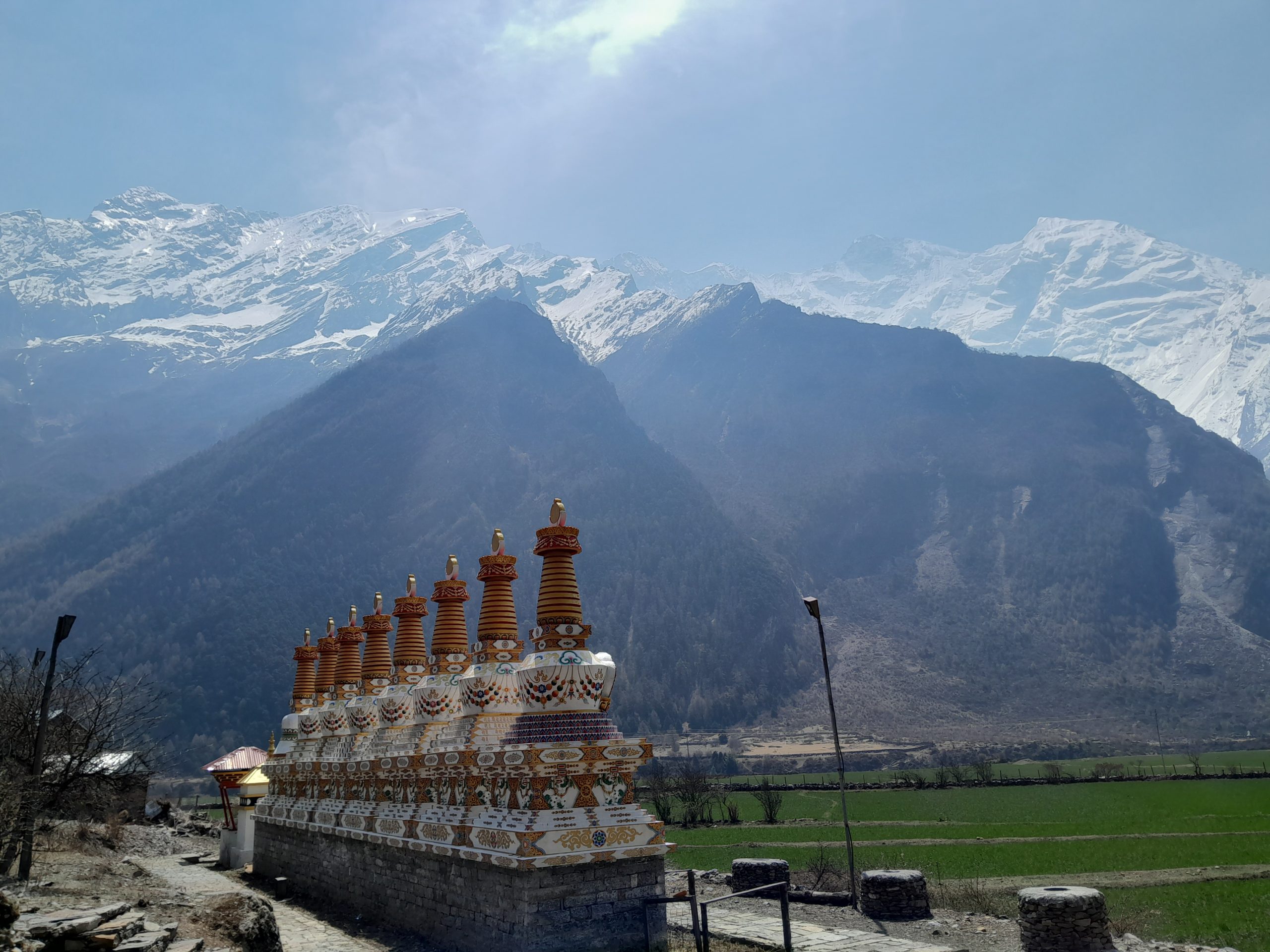
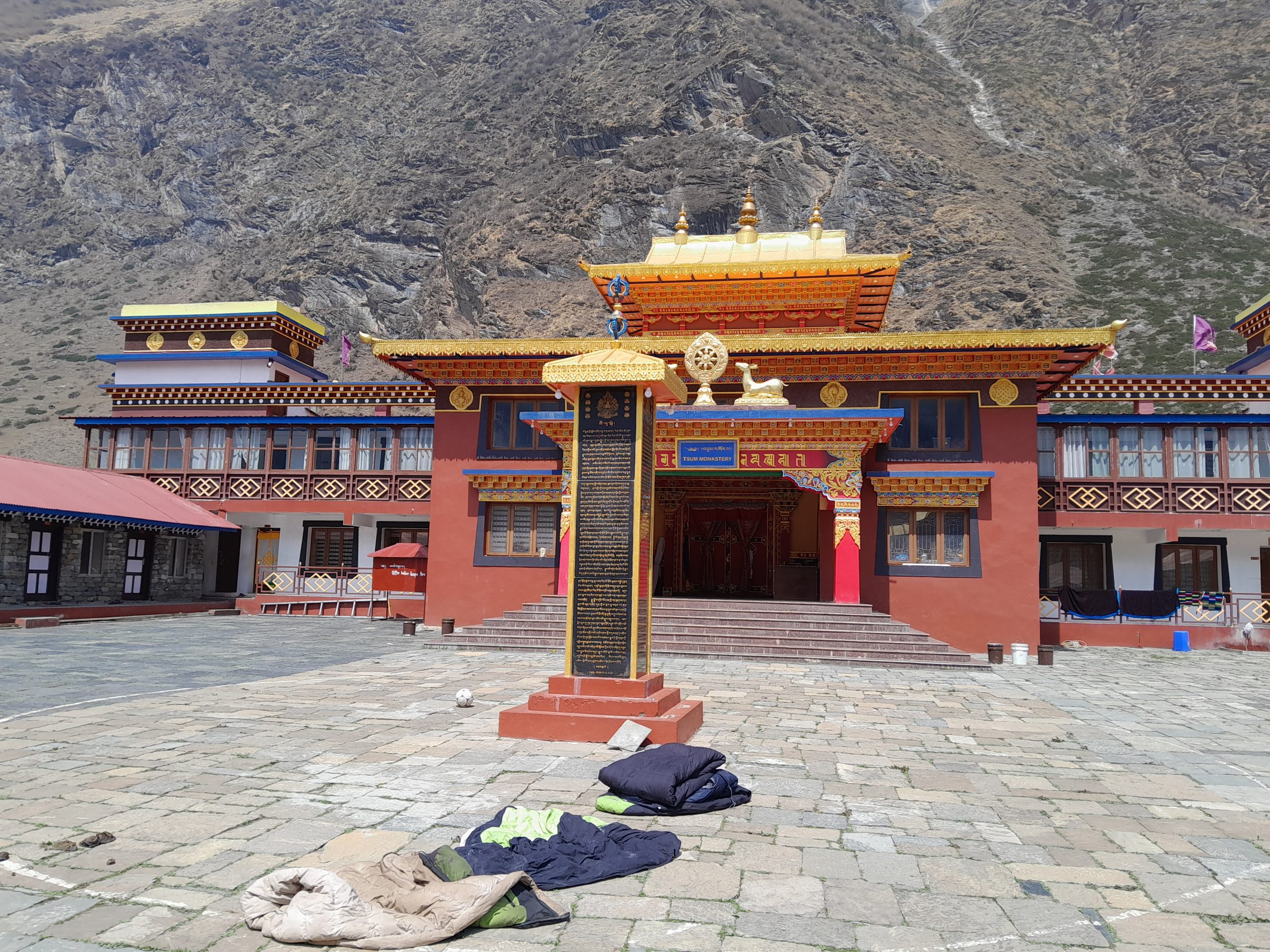
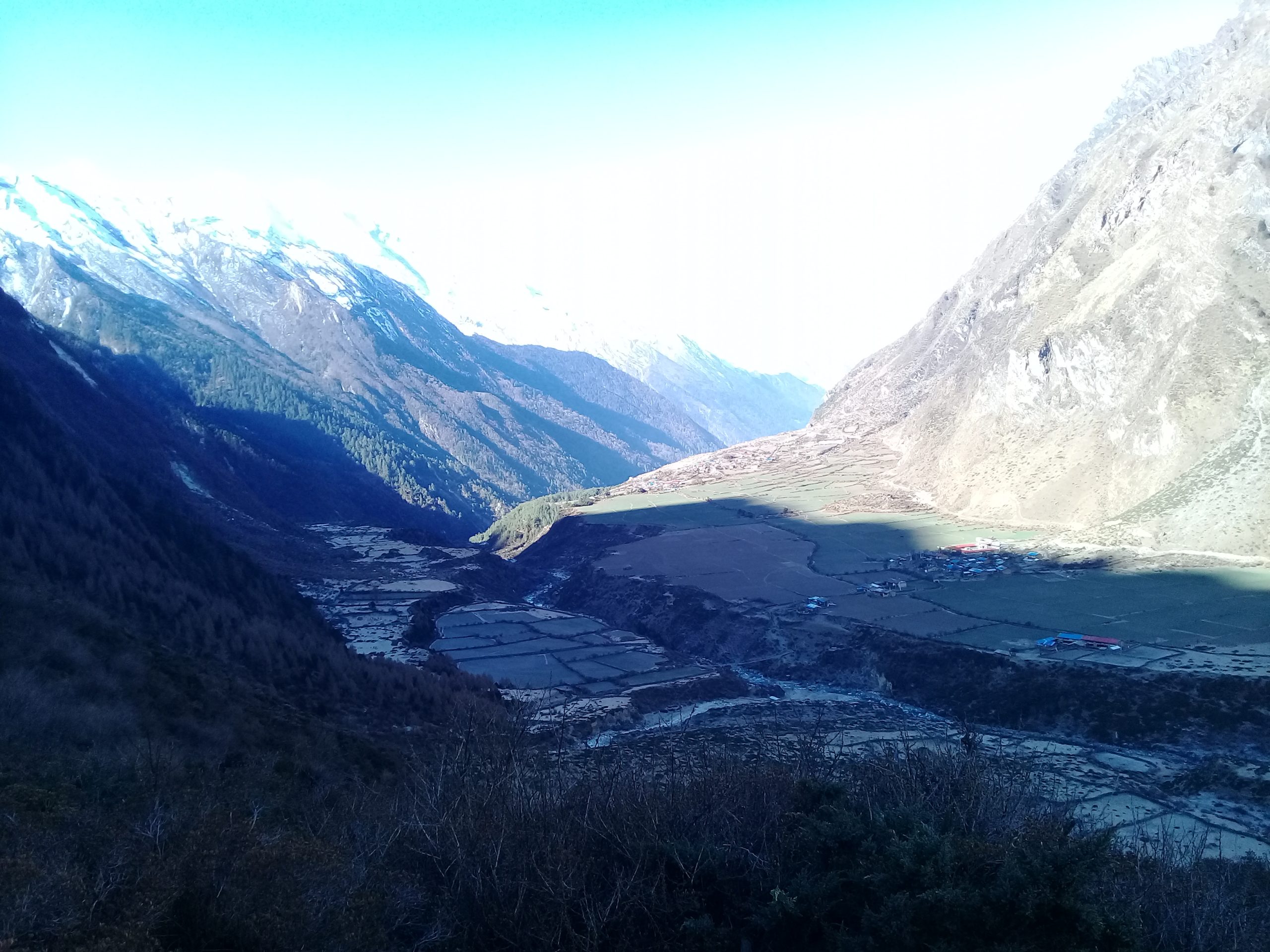
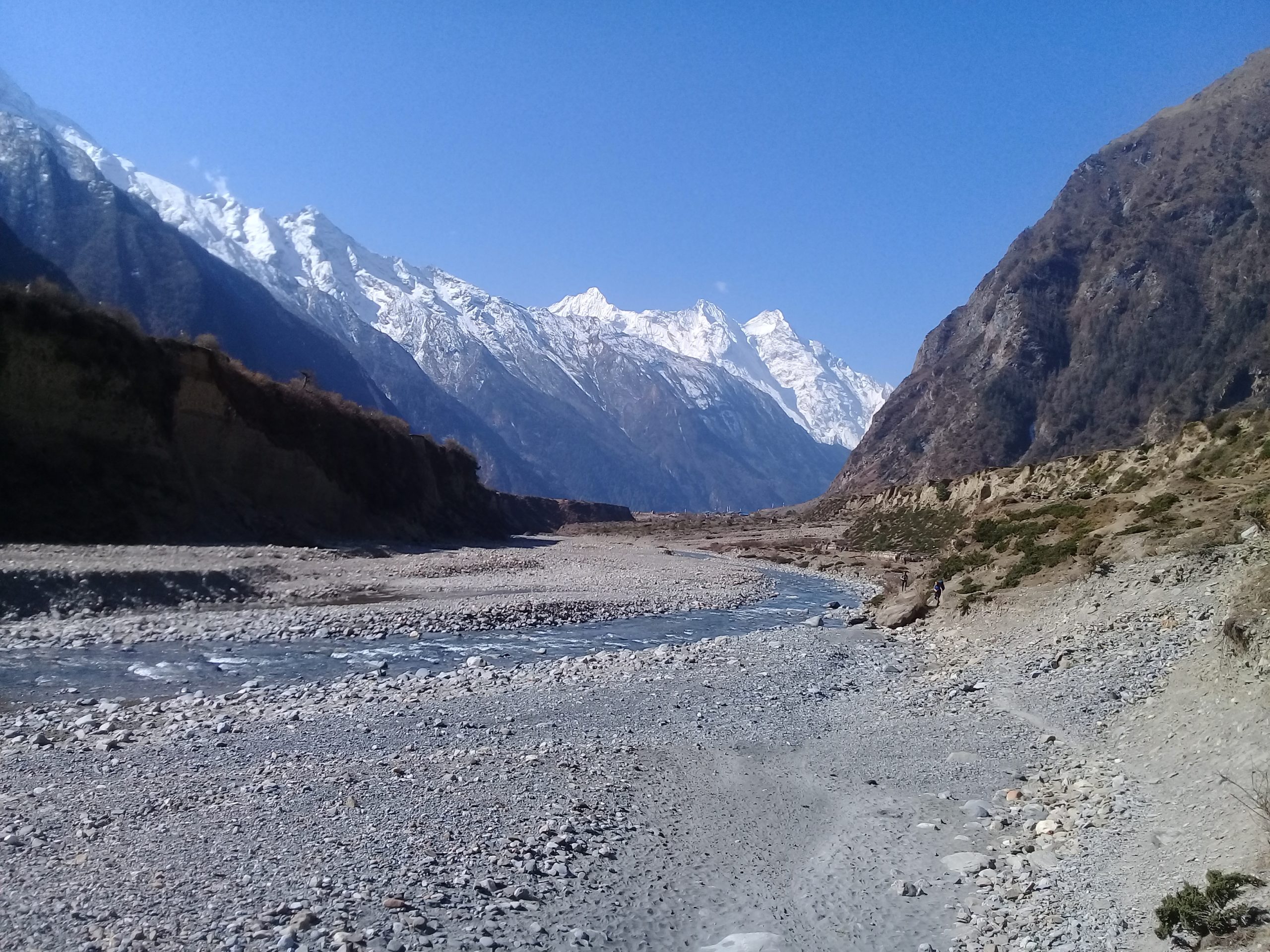
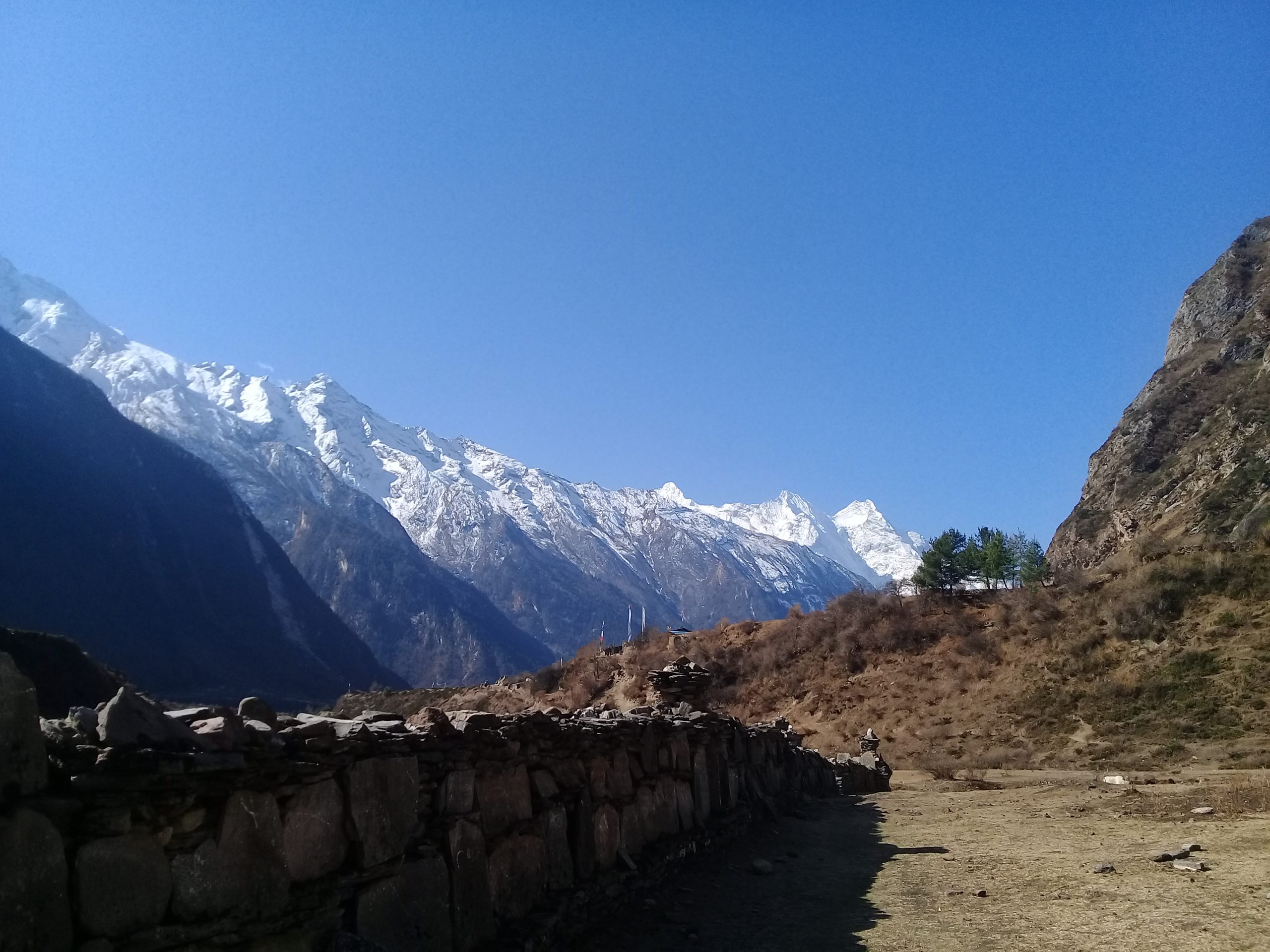
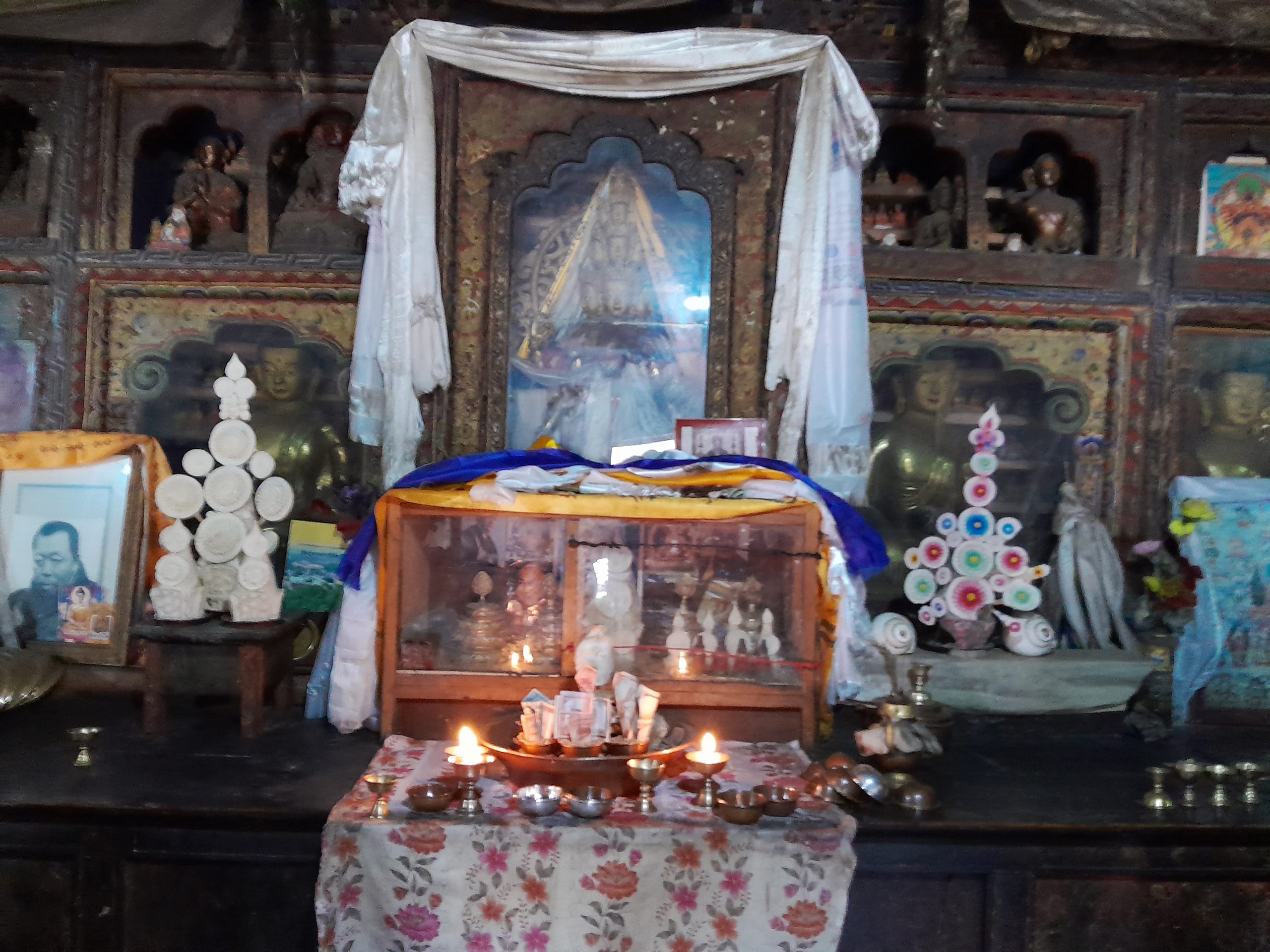
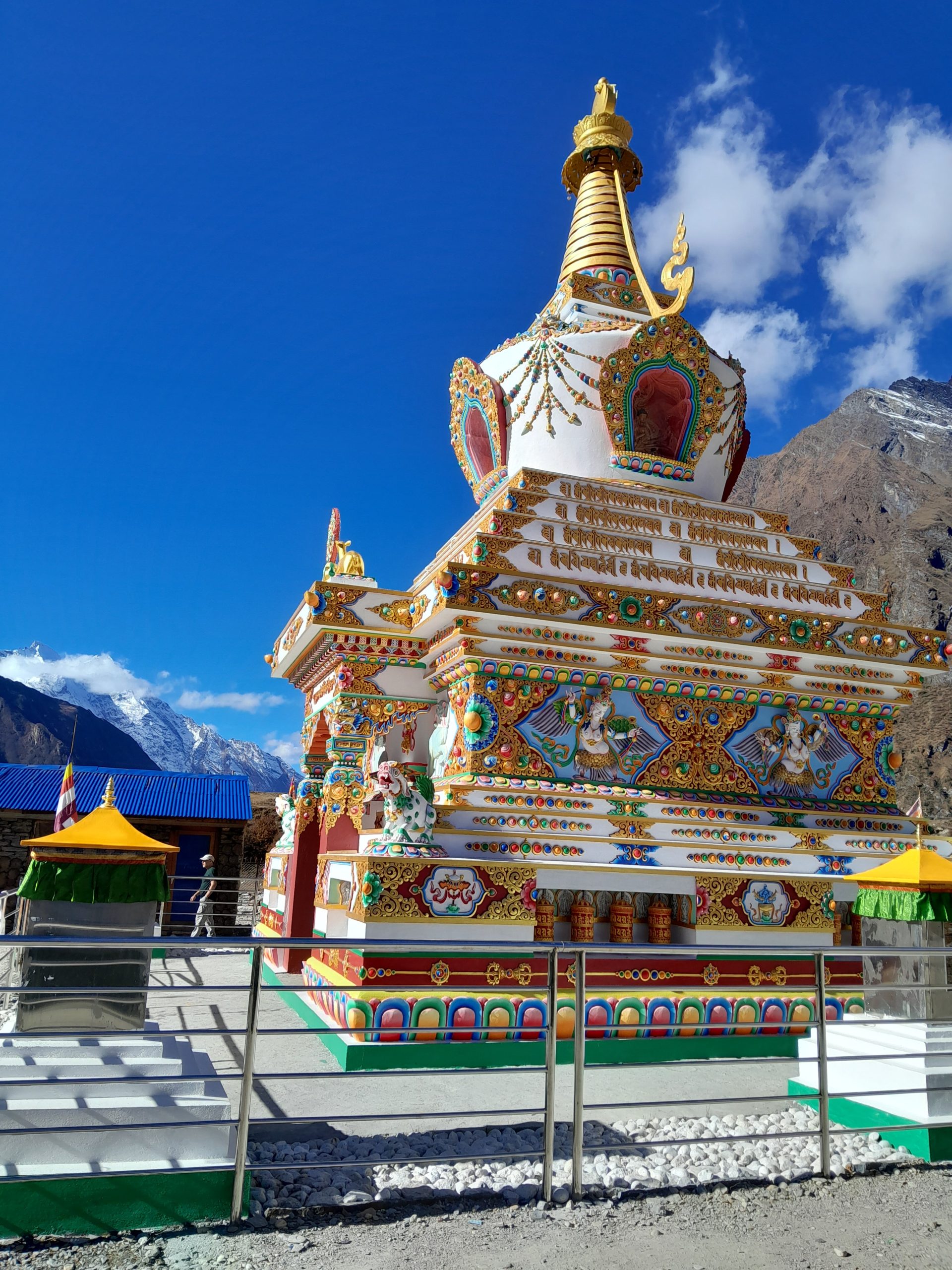
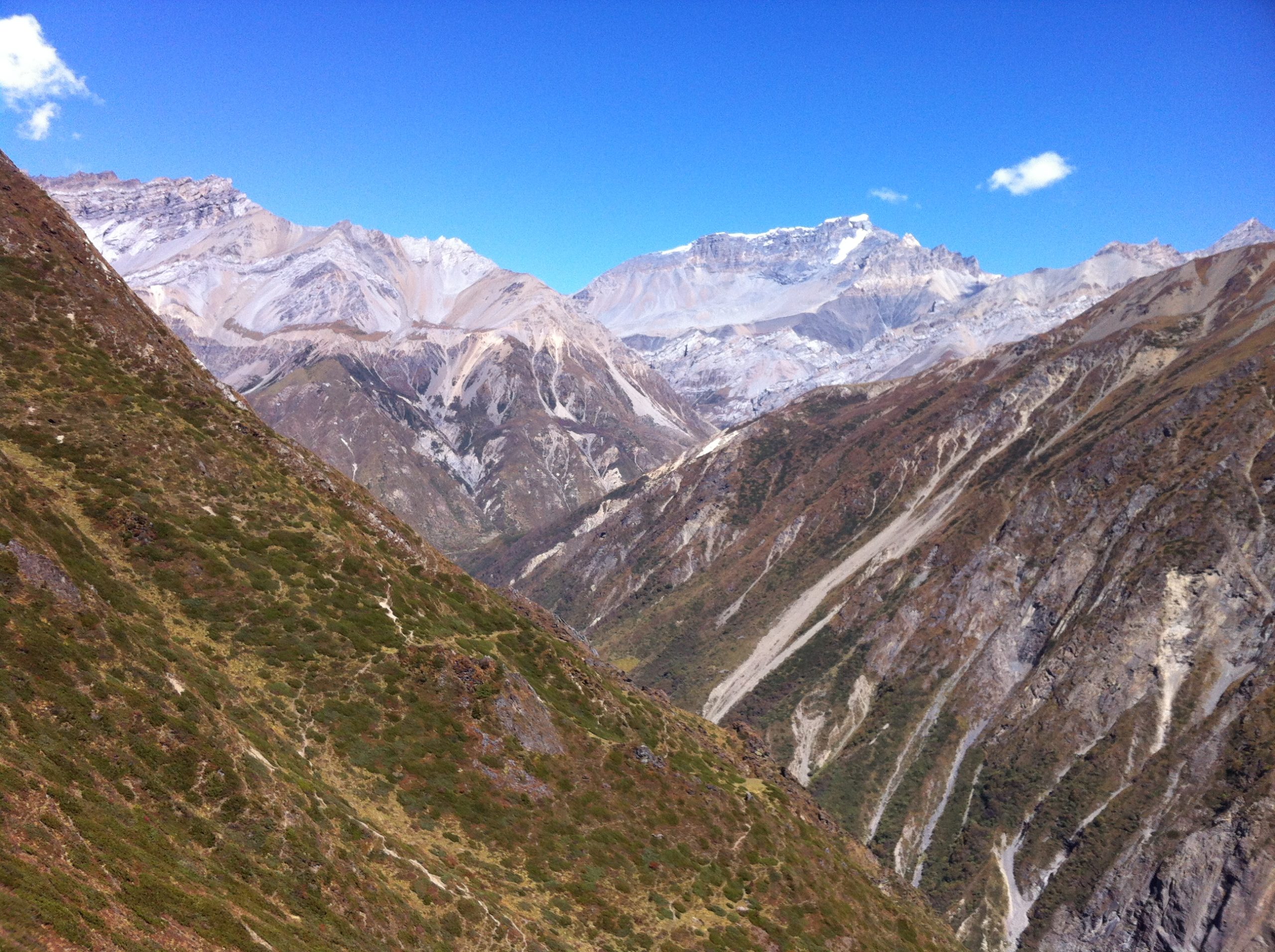
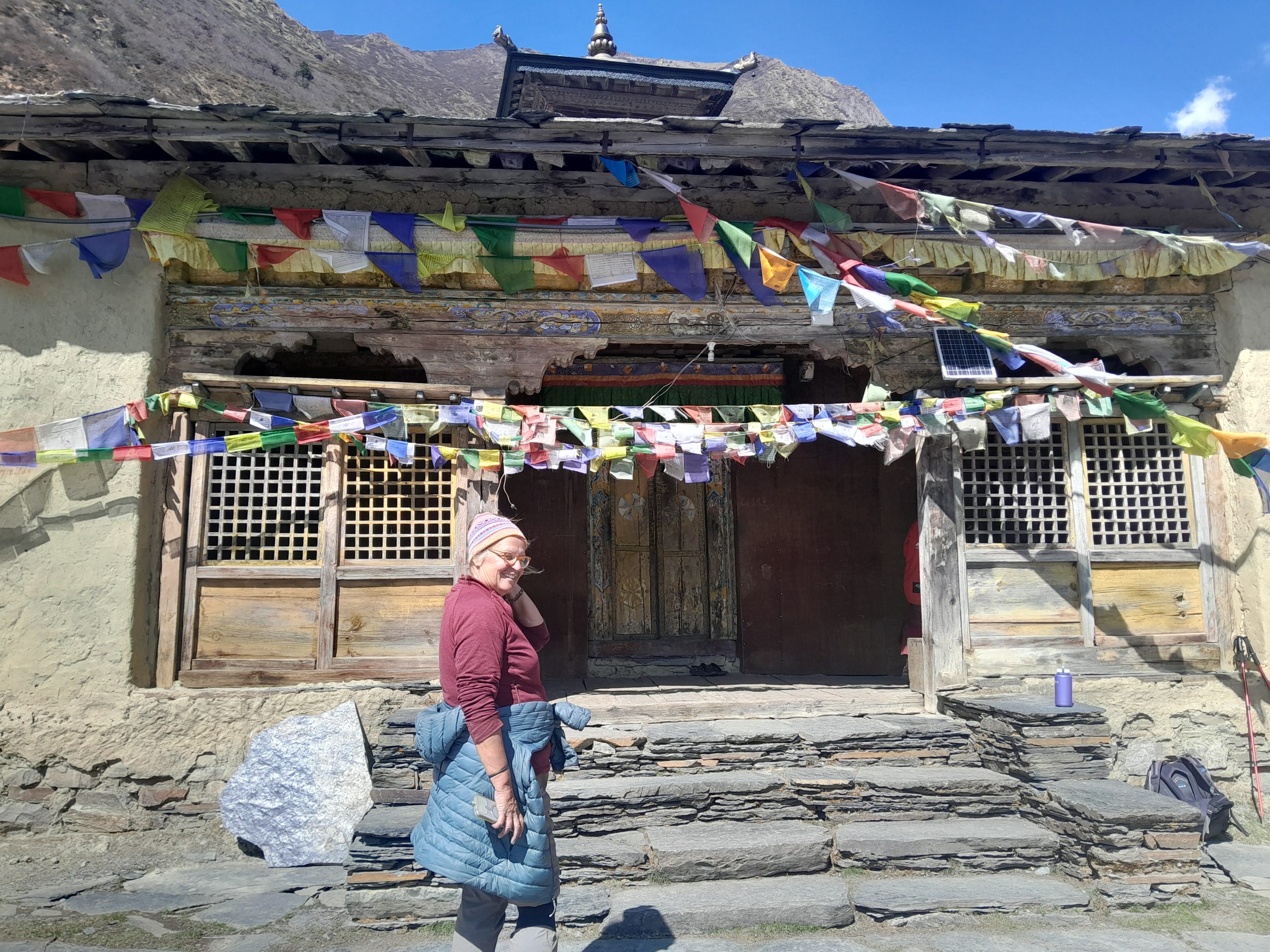
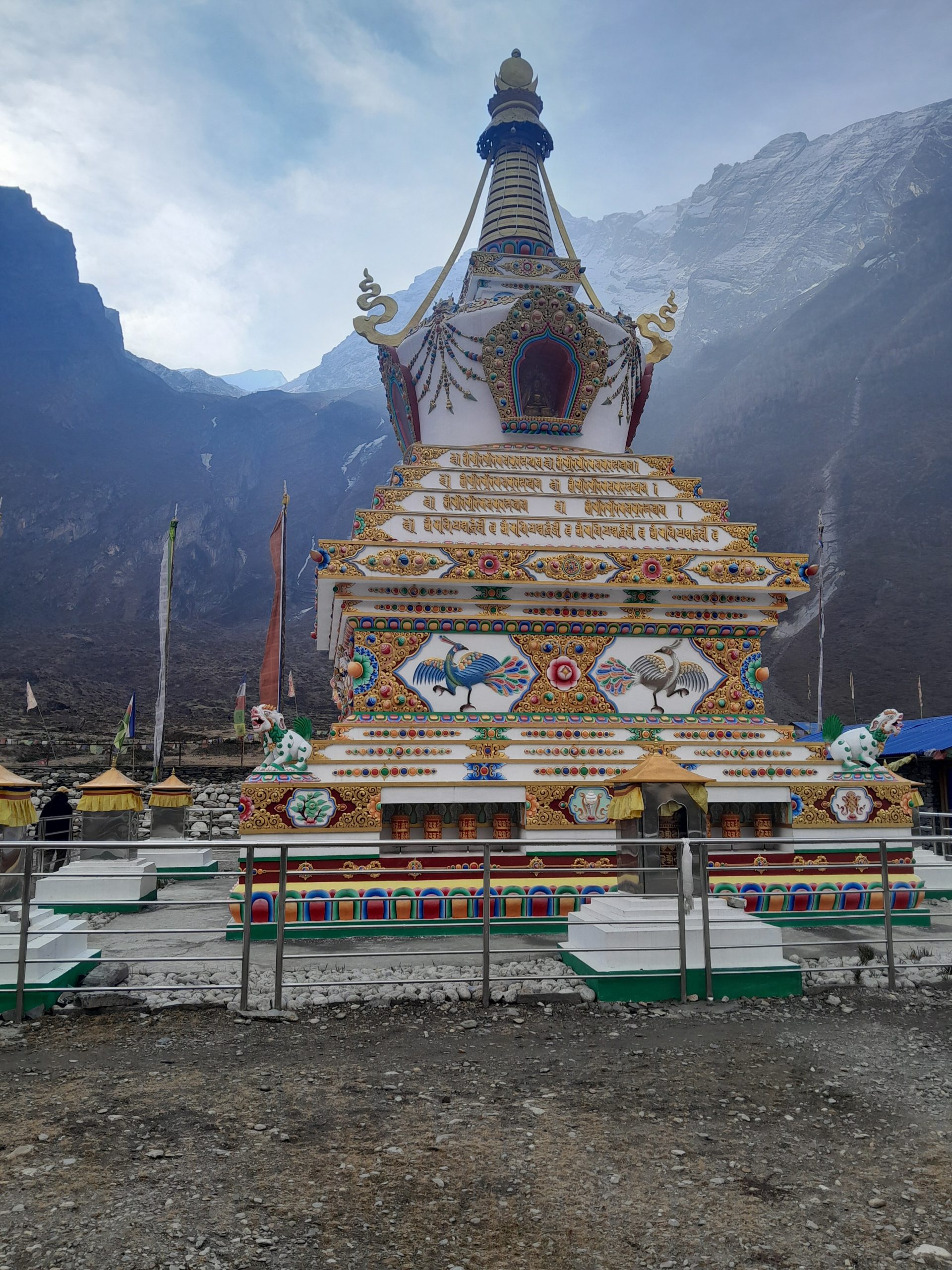
Tsum Valley is located in northern Gorkha District, Nepal, near the Tibetan border within the Manaslu Conservation Area.
The trek is considered moderate and suitable for trekkers with a reasonable level of fitness.
Most itineraries take around 12–14 days.
The highest point is usually Mu Gompa at approximately 3,700 meters.
Yes, a Restricted Area Permit and Manaslu Conservation Area Permit (MCAP) are required.
Spring (March–May) and autumn (September–November) offer the best weather and mountain views.
Ancient monasteries, Tibetan Buddhist culture, traditional villages, sacred caves, and Himalayan scenery.
Yes, basic teahouses and lodges are available in most villages.
Yes, many trekkers combine Tsum Valley with the Manaslu Circuit Trek for a longer and more adventurous journey.
There are no reviews yet.