
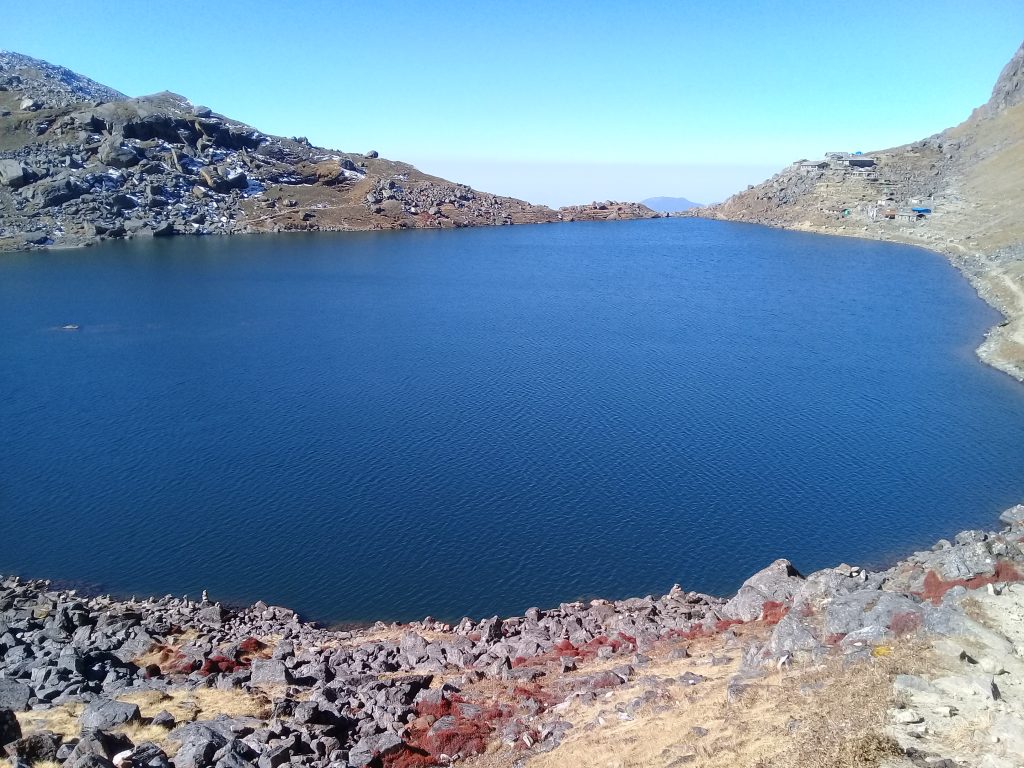
Kanchenjunga South Base Camp Trek
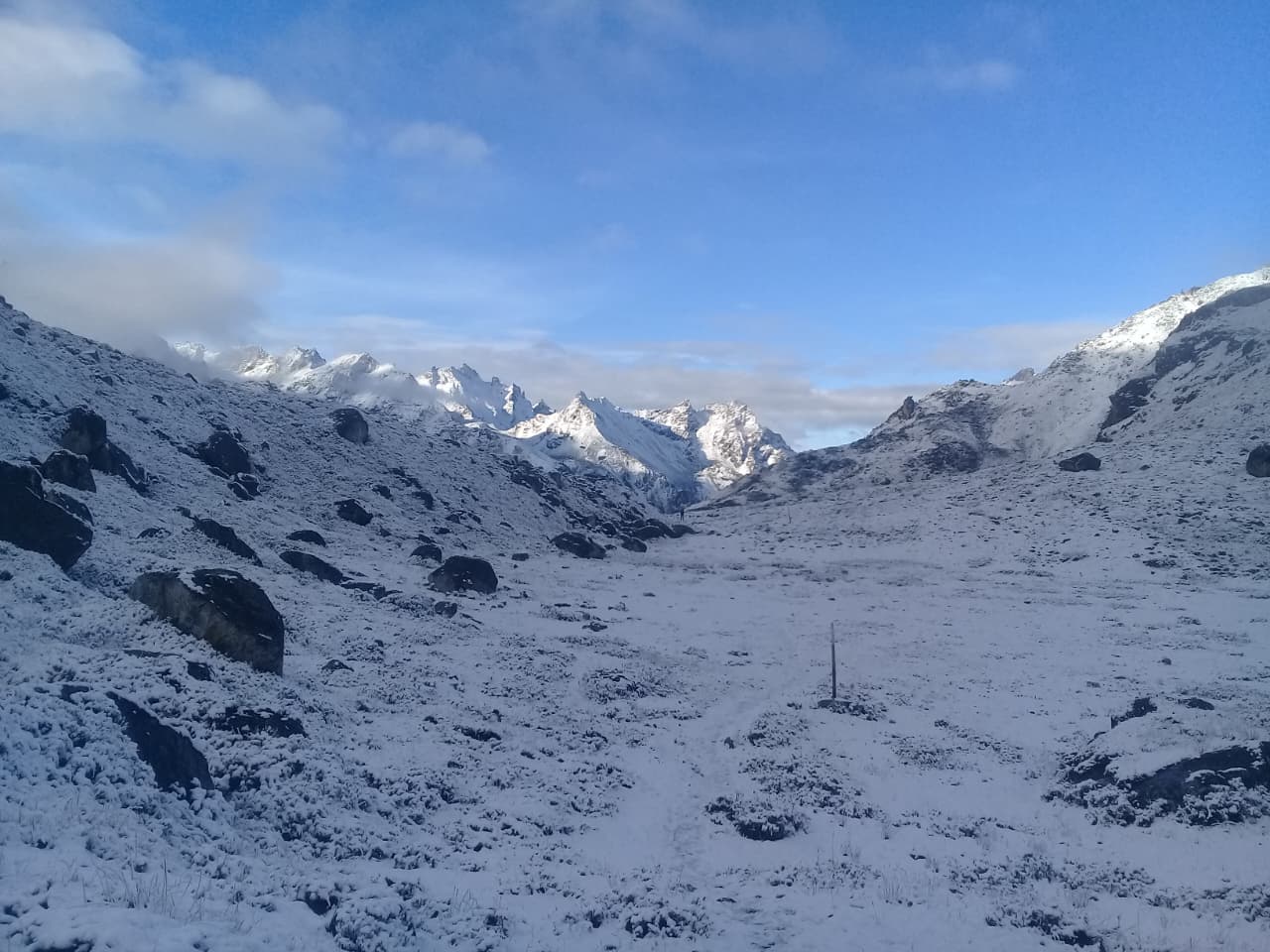
Kanchenjunga South Base Camp Trek
. This trek is designed for travelers seeking authentic wilderness experiences, dramatic mountain scenery, and meaningful cultural encounters. The route leads through remote landscapes and traditional settlements, culminating at the southern base of Mount Kanchenjunga (8,586 m), the world’s third-highest peak.
Keywords
Trip code
WT-CODE 2040
- Overview
- Trip Outline
- Trip Includes
- Trip Excludes
- Gallery
- Reviews
- Booking
- FAQ
The Kanchenjunga South Base Camp Trek offers an exceptional journey into one of Nepal’s most pristine and least-explored Himalayan regions. This trek is designed for travellers seeking authentic wilderness experiences, dramatic mountain scenery, and meaningful cultural encounters. The route leads through remote landscapes and traditional settlements, culminating at the southern base of Mount Kanchenjunga (8,586 m), the world’s third-highest peak.
The journey begins in Kathmandu, Nepal’s capital and cultural hub. Upon arrival at Tribhuvan International Airport, trekkers are met by a professional representative and transferred to their hotel. The following day is reserved for final trek preparations, permit arrangements, equipment checks, and briefing sessions, ensuring a smooth and well-organized expedition. The adventure officially commences with a scenic 45-minute domestic flight from Kathmandu to Bhadrapur, located in eastern Nepal. Bhadrapur is a lively town in Jhapa District, commonly known as Nepal’s “Tea City.” Situated near the Mechi River, the town reflects a harmonious blend of ethnic communities including Rai, Limbu, Brahmin, Chhetri, and Tamang, offering an early introduction to the region’s cultural diversity.
From Bhadrapur, a picturesque drive leads to Phikkal Bazaar, a charming hill town at approximately 1,000 meters above sea level. Renowned for its lush tea gardens and mist-covered hills, Phikkal serves as a commercial center of Ilam District. On weekends, the town hosts vibrant local markets where farmers and traders gather to exchange agricultural products. The Limbu community forms the majority population here, preserving strong cultural traditions. Continuing the overland journey, the route to Taplejung (1,820 m) passes through terraced farmland, forested hillsides, and rural villages. As the third-largest district in Nepal, Taplejung marks a gradual transition from subtropical lowlands to alpine terrain. Distant mountain peaks begin to appear, signaling the proximity of the high Himalayas. The district is predominantly inhabited by the Limbu and Rai communities.
Travelers visiting in late November may have the opportunity to experience Chasok Tangnam, the most important festival of the Limbu people. Celebrated during the full moon, this harvest festival honors the goddess Yuma Sammang. The celebration features traditional attire, ritual offerings, and vibrant cultural performances including Chyabrung, Palam, Hakpare, Paddy Dance, and Khayali, offering rare insight into indigenous Himalayan traditions. The trekking portion of the journey begins after a drive to Yasang, from where the trail officially enters the Kanchenjunga Conservation Area. The initial sections of the trek involve gradual ascents through tranquil forest paths. The walk from Yasang to Tortang leads through dense forests of rhododendron, pine, and oak, creating a serene environment enriched by birdsong and natural mountain sounds.
Beyond Tortang, the tree line gradually thins, revealing expansive views of the Simbuwa Khola, a glacial river flowing through the valley. As altitude increases, temperatures become cooler and the landscape transforms dramatically. The trek toward Cheram becomes steeper, entering an alpine environment characterized by rugged trails and high-altitude vegetation. Along this section, trekkers encounter Sherpa and Limbu settlements and may often share the trail with yak caravans transporting supplies. The ascent from Cheram to Ramche serves as the gateway to the Kanchenjunga South Base Camp. This segment provides increasingly close views of snow-covered peaks, glacial moraines, and vast Himalayan terrain. The sense of remoteness intensifies, highlighting the untouched nature of the region.
A highlight of the trek is the hike to Oktang Viewpoint, located at the edge of the Yalung Glacier. From this vantage point, trekkers are rewarded with a commanding panoramic view of Kanchenjunga South Face, surrounded by several prominent Himalayan peaks including Kabru (7,338 m), Talung (7,349 m), Rathong (6,678 m), Khambachen Peak (7,903 m), and Mount Jannu (7,710 m). The dramatic scenery at Oktang represents one of the most awe-inspiring viewpoints in eastern Nepal. Following the exploration of the base camp area, the return journey proceeds through New Jhoreni and Yamphudin, traditional villages inhabited by Limbu and Sherpa communities. Trekkers pass traditional homes featuring intricate wooden carvings and may witness local ceremonies, harvest celebrations, or ritual gatherings, depending on the season.
From Yamphudin, a long but scenic overland drive back to Bhadrapur concludes the trekking segment. A return flight to Kathmandu marks the end of the expedition. For trekkers seeking a more extensive Himalayan experience, the Kanchenjunga North Base Camp Trek or the complete Kanchenjunga Circuit Trek can be combined with this journey, offering a comprehensive exploration of one of Nepal’s most remote and majestic mountain regions.
Selecting the right season is a key factor in ensuring a safe, enjoyable, and visually rewarding experience on the Kanchenjunga Circuit Trek. Due to the region’s remote location and high-altitude terrain, weather conditions play a crucial role in overall trekking comfort, accessibility, and mountain visibility. Among all seasons, Spring (March to May) and Autumn (September to November) are widely regarded as the optimal periods for undertaking this trek.
Spring is one of the most favorable seasons for trekking in the Kanchenjunga region. During this period, temperatures gradually rise, snow begins to melt at higher elevations, and trails become more accessible. The weather remains relatively stable, with clear mornings and moderate daytime temperatures. One of the defining features of spring trekking is the blooming of rhododendron forests, which transforms the lower and mid-altitude sections of the trail into vibrant natural corridors. This season also marks increased wildlife activity, making it ideal for nature enthusiasts and photographers. Mountain views are generally excellent, particularly in the early mornings, offering clear perspectives of Mount Kanchenjunga and surrounding peaks.
Autumn is considered the best overall season for trekking the Kanchenjunga Circuit. Following the monsoon, the atmosphere becomes exceptionally clear, providing crisp skies and unobstructed panoramic views of the Himalayas. The trails are dry and well-defined, and weather conditions are stable, making this season suitable for both experienced trekkers and well-prepared adventurers. October stands out as the prime trekking month. It offers a perfect balance of cool temperatures, minimal precipitation, and outstanding visibility. Additionally, this period coincides with Nepal’s major cultural festivals, Dashain and Tihar, allowing trekkers to experience vibrant local celebrations and traditional hospitality along the route.
Among all months, April and October are widely regarded as the most ideal for trekking the Kanchenjunga Circuit. April represents the peak of spring, with warmer conditions, flourishing flora, and active wildlife. The rhododendron forests are at their most colorful, adding a unique visual appeal to the trek. October delivers the clearest skies of the year, with exceptional mountain views and comfortable trekking conditions. It is particularly popular for photographers and trekkers seeking uninterrupted Himalayan scenery.
Regardless of the season, the best time to trek each day is early morning. Starting early allows trekkers to take advantage of calm winds, cooler temperatures, and maximum visibility. Morning hours often provide the clearest views of the surrounding mountains and spectacular sunrises over the Himalayan peaks. As the day progresses, cloud formation is common, particularly in the afternoon. In shoulder seasons, weather conditions may change more rapidly, with occasional wind, rain, or snowfall at higher elevations. For this reason, early departures are strongly recommended to ensure safe and comfortable daily trekking.
No details found.
Itineraries
Day 1
Arrival in Kathmandu – Transfer to Hotel
Your journey begins upon arrival at Tribhuvan International Airport, Kathmandu, where you will be warmly welcomed by our professional representative. You will be transferred to your comfortable hotel in the heart of the city. After check-in, the remainder of the day is free to relax after your flight or explore the surrounding area at your own pace. This day allows you to acclimatize lightly to Nepal’s capital and prepare mentally for the adventure ahead.
Day 2
Trek Preparation and Free Day in Kathmandu
This day is reserved for final trekking preparations. You will meet your trekking guide for a detailed briefing covering the route, safety procedures, altitude considerations, and logistics. There will be time to complete permit formalities, check trekking equipment, and purchase or rent any last-minute gear. You may also explore Kathmandu’s vibrant streets, cultural landmarks, or local markets, experiencing the rich heritage and energy of the city.
Day 3
Flight from Kathmandu to Bhadrapur – Drive to Phikkal Bazaar
After breakfast, you will take a scenic domestic flight to Bhadrapur, enjoying aerial views of Nepal’s diverse terrain. Upon arrival, the journey continues by road to Phikkal Bazaar, a charming hill town surrounded by lush tea gardens. The drive passes through rural landscapes and lowland settlements, offering insights into local life in eastern Nepal. Phikkal is known for its cool climate, misty hills, and vibrant local markets.
Day 4
Drive from Phikkal Bazaar to Taplejung
Today involves a full-day scenic drive to Taplejung, the gateway to the Kanchenjunga region. The winding mountain roads pass through terraced farmlands, forested hills, and traditional villages. As you gradually gain altitude, the climate becomes cooler and the landscapes more dramatic. Taplejung is an important administrative center and a cultural heartland of the Limbu and Rai communities.
Day 5
Drive from Taplejung to Yasang – Trek to Yasang
After breakfast, you will drive on rugged mountain roads toward Yasang. From the roadhead, the trek officially begins with a moderate hike through forested trails and rural settlements. This introductory trek allows your body to adjust to walking conditions while offering scenic views of hills, rivers, and local villages as you move deeper into the Kanchenjunga region.
Day 6
Trek from Yasang to Tortong
Today marks your first full trekking day. The trail ascends steadily through dense forests of rhododendron, pine, and oak. You will cross rivers and pass through quiet wilderness sections, gradually gaining altitude. The peaceful surroundings and fresh mountain air make this a rewarding day as you approach the alpine zone.
Day 7
Trek from Tortong to Cheram
The trail continues upward toward Cheram, with a moderate ascent through forested terrain and rocky paths. As you climb higher, vegetation becomes sparse and mountain views begin to dominate the landscape. The Kanchenjunga massif gradually comes into sight, offering dramatic scenery. Cheram is a small high-altitude settlement and an important acclimatization stop.
Day 8
Trek from Cheram to Ramche
Although shorter in duration, today’s trek takes you into a high-altitude alpine environment. The trail becomes more rugged and remote, passing glacial streams and moraines. As you gain elevation, panoramic views of snow-covered peaks and surrounding glaciers become increasingly impressive. Ramche serves as the base for the Kanchenjunga South Base Camp exploration.
Day 9
Hike to Oktang Viewpoint – Return to Cheram
This is one of the highlight days of the trek. You will hike to Oktang Viewpoint, located at the edge of the Yalung Glacier. From here, you will enjoy breathtaking panoramic views of the Kanchenjunga South Face and surrounding peaks such as Kabru, Talung, Rathong, Jannu, and Khambachen Peak. After spending time soaking in the scenery, you will retrace your steps back to Cheram for the night.
Day 10
Trek from Cheram to New Jhoreni
Today’s trek is longer and involves a combination of descents and gentle ascents. The trail passes through lush forests, terraced fields, and remote villages. As you descend, the landscape becomes greener and warmer, providing a pleasant contrast to the high-altitude terrain of previous days.
Day 11
Trek from New Jhoreni to Yamphudin
The trek continues downhill toward Yamphudin, a culturally rich village surrounded by terraced farmland. The trail crosses rivers and forested valleys, offering a relaxed walking day. Yamphudin is predominantly inhabited by Limbu and Sherpa communities and provides insight into traditional rural mountain life.
Day 12
Drive from Yamphudin to Birtamod / Bhadrapur
After breakfast, you will begin a long but scenic drive back to the lowlands. The journey passes through winding mountain roads, villages, and river valleys, gradually descending to the subtropical plains. Upon arrival in Birtamod or Bhadrapur, you will check into your hotel and enjoy a well-earned rest.
Day 13
Flight from Bhadrapur to Kathmandu
You will take a short domestic flight back to Kathmandu. After check-in at your hotel, the remainder of the day is free for leisure—ideal for souvenir shopping, cultural sightseeing, or simply relaxing after the trek.
Day 14
Final Departure
After Breakfast After breakfast, there will be taransfer to international airport,
- Complimentary airport pick-up and drop-off
- Three nights’ accommodation in Kathmandu, including breakfast.
- One night accommodation in Pokhara with breakfast included.
- All necessary trekking permits for Manaslu Special, Manaslu Conservation Area, Annapurna Conservation Area, .
- All accommodation during the trek
- Three meals a day during the trek
- A cup of tea or coffee with breakfast.
- If and when available, fresh fruit should be eaten every day.
- Complimentary duffel bag, down jacket, and four-season sleeping bag, if needed.
- Professional English-speaking government-registered and first-aid-trained guide.
- First-aid kit
- Kathmandu to Machhakhola by bus
- Muktinath to Pokhara by bus
- Staff insurance, meals, accommodations, equipment, transportation, etc.
- Rescue arrangements, if necessary
- Agency service charge and government tax or VAT
- International airfare and Nepal visa fee
- Lunch and dinner in Kathmandu/Pokhara
- Porters to carry your backpacks (we provide porters on request)
- Personal insurance, personal expenses, loss of property, theft, etc.
- Sightseeing costs in the city. (temples, monasteries entrance fee, etc.)
- All beverages, snacks, and laundry, hot showers, battery charging, WiFi, etc.
- Tipping for staff
The trek is considered moderate to challenging. It involves long trekking days, high altitudes (up to 4,580 m at Ramche), rugged trails, and remote terrain. Prior trekking experience and a good fitness level are recommended.
The standard itinerary is 14 days (12 days of trekking) covering diverse terrain, from subtropical lowlands to alpine environments and base camp areas.
Yes, trekkers require permits for the Kanchenjunga Conservation Area and any associated local entry fees. Our package covers all required trekking permits.
Most lodges offer Nepali and simple international meals, such as dal-bhat, noodles, rice, soups, and pasta. Three meals per day are included in our package. Tea, coffee, and occasionally fresh fruits are provided.
There are no reviews yet.