
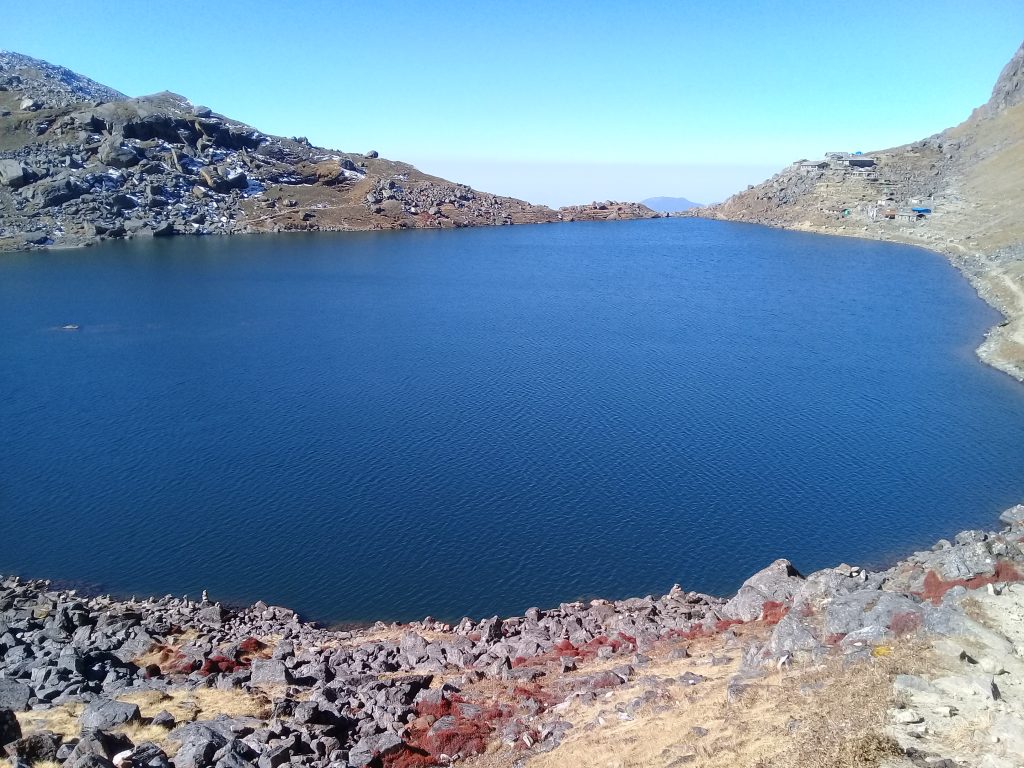
17 DAYS LIMI VALLEY TREK
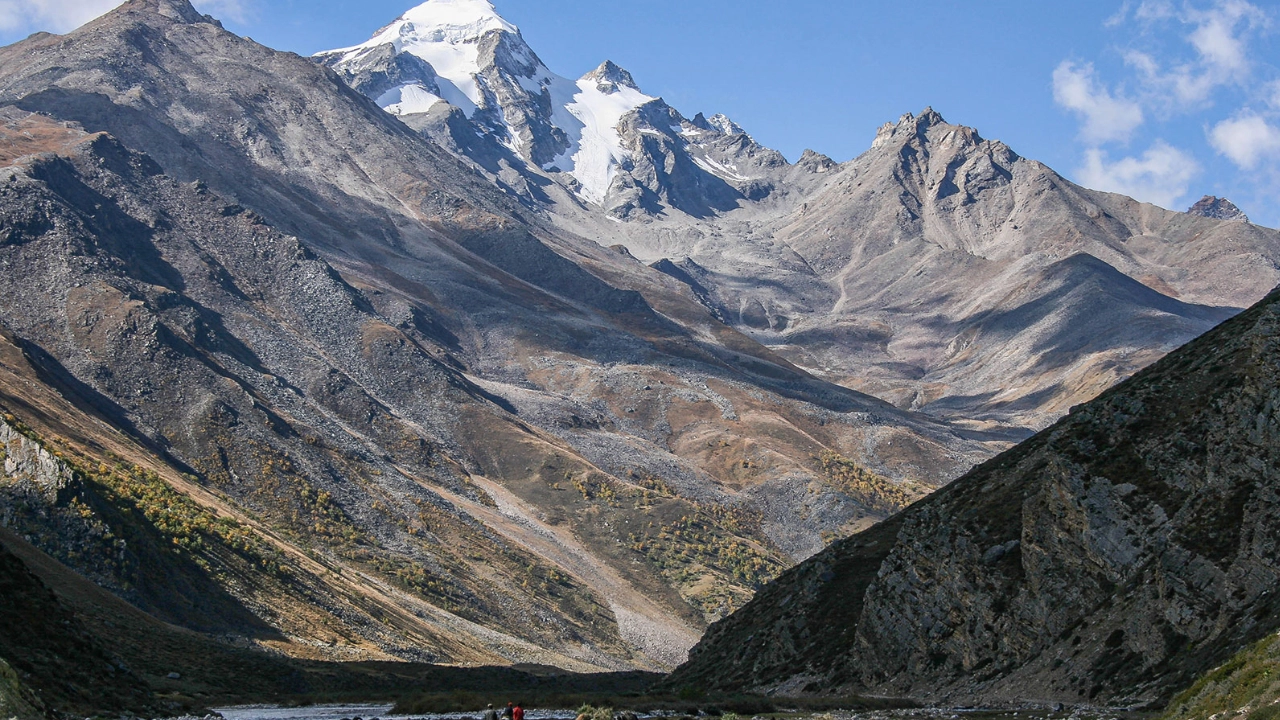
17 DAYS LIMI VALLEY TREK
Designated as a restricted trekking zone by the Government of Nepal, the Simikot–Limi Valley region is protected to preserve its fragile ecosystem, traditional lifestyle, and deep-rooted cultural heritage.
Keywords
Trip code
WT-CODE 2010
- Overview
- Trip Outline
- Trip Includes
- Trip Excludes
- Gallery
- Reviews
- Booking
- FAQ
The Simikot–Limi Valley Trek is one of Nepal’s most extraordinary and least-traveled trekking adventures, offering an unparalleled journey into the remote far north-western Himalayas. Nestled deep within Humla District, near the border of the Tibetan Autonomous Region of China, this trek takes you into a world where ancient Tibetan culture, dramatic high-altitude landscapes, and sacred Himalayan geography remain remarkably untouched by modern influence.
Designated as a restricted trekking zone by the Government of Nepal, the Simikot–Limi Valley region is protected to preserve its fragile ecosystem, traditional lifestyle, and deep-rooted cultural heritage. As a result, trekking here is limited to travelers holding special permits issued by the Department of Tourism, and all visitors must be accompanied by a licensed trekking guide through a registered trekking company. These regulations ensure both environmental conservation and a safe, well-managed trekking experience in this extremely isolated terrain.
Limi Valley lies in the rain-shadow zone of the Himalayas, which gives it a unique climate distinct from most other trekking regions in Nepal. Unlike Annapurna or Everest, this area receives little to no rainfall during the monsoon season, making it an ideal destination for trekking even in summer months.
The best time to undertake the Simikot–Limi Valley Trek is during:
- Spring (April to June) – clear skies, blooming alpine vegetation
- Summer (July to August) – dry weather despite monsoon elsewhere
- Autumn (September to October) – stable conditions and crystal-clear mountain views
During winter, temperatures frequently plunge below freezing, high passes are covered with snow, and strong winds make trekking extremely challenging. For this reason, winter trekking is generally not recommended unless for highly specialized expeditions.
One of the most compelling highlights of the Simikot–Limi Valley Trek is the opportunity to experience an authentic Tibetan cultural landscape within Nepal. The valley is inhabited by the Bhotia (Limi-pa) people, an ethnic Tibetan community that has preserved its language, customs, dress, and Buddhist traditions for centuries. The villages of Til, Halji, and Jang are among the highest permanently inhabited settlements in Nepal, and life here continues much as it has for generations. Ancient monasteries, intricately carved mani walls, spinning prayer wheels, chortens, and fluttering prayer flags dominate the villages, turning the entire valley into a sacred spiritual space.
The people of Limi still maintain close cultural, religious, and historical ties with Tibet, and visitors are welcomed with genuine hospitality, offering rare insight into a way of life shaped by faith, altitude, and isolation.
Throughout the trek, trekkers are treated to some of the most dramatic mountain scenery in Nepal. On the Nepal side, the route offers spectacular views of:
- Mount Api (7,132m)
- Mount Saipal (7,031m)
- Kanjiroba Himal (6,883m)
Looking north into Tibet, the skyline reveals legendary sacred peaks such as:
- Mount Kailash (Mount Tise)
- Mount Gurla Mandata
The region is also renowned for its rich Himalayan biodiversity. Trekkers may encounter rare wildlife such as Blue Sheep, Musk Deer, and, with luck, even the elusive Snow Leopard, making this trek especially appealing to nature lovers and photographers.
Due to the extreme remoteness of the region, the Simikot–Limi Valley Trek is primarily conducted as a fully supported camping trek, allowing maximum flexibility and comfort in isolated terrain. However, in selected villages, basic lodges and traditional homestays are available, offering trekkers a chance to experience local hospitality and daily village life. All logistics—including food, camping equipment, porters, and staff—are carefully arranged to ensure a safe and enriching experience in one of Nepal’s most challenging environments.
The Simikot–Limi Valley Trek is not for casual trekkers—it is designed for experienced adventurers seeking solitude, cultural depth, and raw Himalayan beauty far beyond the beaten path. This journey offers something increasingly rare in today’s world: authentic exploration, where silence, spirituality, and ancient traditions remain intact. For those who dream of discovering Nepal’s last untouched frontier, the Simikot–Limi Valley Trek stands as a truly unforgettable Himalayan experience.
Why Choose the Limi Valley Trek?
The Limi Valley Trek is one of Nepal’s most extraordinary and least-explored trekking adventures. Hidden in the remote Humla District of northwestern Nepal, this remarkable journey offers a rare combination of pristine wilderness, ancient Tibetan culture, spectacular Himalayan landscapes, and true off-the-beaten-path exploration. Unlike Nepal’s more popular trekking destinations such as Everest Base Camp or the Annapurna Circuit, Limi Valley remains untouched by mass tourism, allowing trekkers to experience one of the Himalayas’ last authentic frontiers.
For those seeking more than just mountain views, the Limi Valley Trek provides an unforgettable journey through history, culture, spirituality, and nature. Here are the reasons why trekkers from around the world choose this exceptional Himalayan adventure.
Experience One of Nepal’s Most Remote and Untouched Regions
Limi Valley is among the most isolated trekking destinations in Nepal. Located close to the Tibetan border in the Humla District, it remains far removed from modern development and busy trekking routes. Reaching the valley requires a scenic flight to Simikot followed by days of trekking through remote mountain landscapes, making the journey itself an adventure.
The valley’s isolation has preserved its natural beauty, traditional lifestyle, and cultural heritage. Trekkers often spend several days without encountering other trekking groups, providing an unparalleled sense of peace and solitude that is increasingly difficult to find in the Himalayas.
Discover Authentic Tibetan Buddhist Culture
One of the greatest attractions of the Limi Valley Trek is the opportunity to experience a living Tibetan culture that has remained largely unchanged for centuries. The valley is home to the ancient villages of Til, Halji, and Jang, where local residents continue to follow traditional customs, speak Tibetan dialects, wear traditional clothing, and practice Tibetan Buddhism in their daily lives.
Unlike more commercial trekking regions, visitors here enjoy genuine cultural interactions with local families. Many trekkers stay in traditional homestays, observe local farming practices, learn about yak herding, and witness everyday village life that reflects centuries-old Himalayan traditions.
Visit Ancient Monasteries Rich in History
Limi Valley is renowned for its historic Buddhist monasteries, particularly the Rinchenling Monastery in Halji Village. Believed to be over 1,000 years old, it is one of western Nepal’s oldest Buddhist monasteries and an important center of Tibetan Buddhism.
The monastery houses ancient scriptures, beautifully preserved murals, prayer halls, sacred statues, and centuries-old religious artifacts. Visiting these spiritual landmarks provides a fascinating insight into the region’s religious history and the enduring influence of Tibetan Buddhism.
Throughout the trek, you’ll also encounter prayer wheels, mani walls, chortens, and colorful prayer flags that symbolize the valley’s deep spiritual heritage.
Trek Through Spectacular and Diverse Himalayan Landscapes
The scenery along the Limi Valley Trek changes dramatically from day to day. Beginning in lush river valleys and pine forests around Simikot, the trail gradually climbs into high alpine terrain featuring rugged mountains, glacial valleys, dramatic cliffs, and wide-open plateaus.
Trekkers cross high mountain passes, camp beside crystal-clear rivers, walk through alpine meadows, and traverse vast wilderness areas with breathtaking panoramic views. Every day presents a different landscape, making the trek visually rewarding from start to finish.
The untouched beauty of western Nepal offers photographers and nature lovers endless opportunities to capture stunning Himalayan scenery.
Cross the Spectacular Nyalu Pass (5,000 meters)
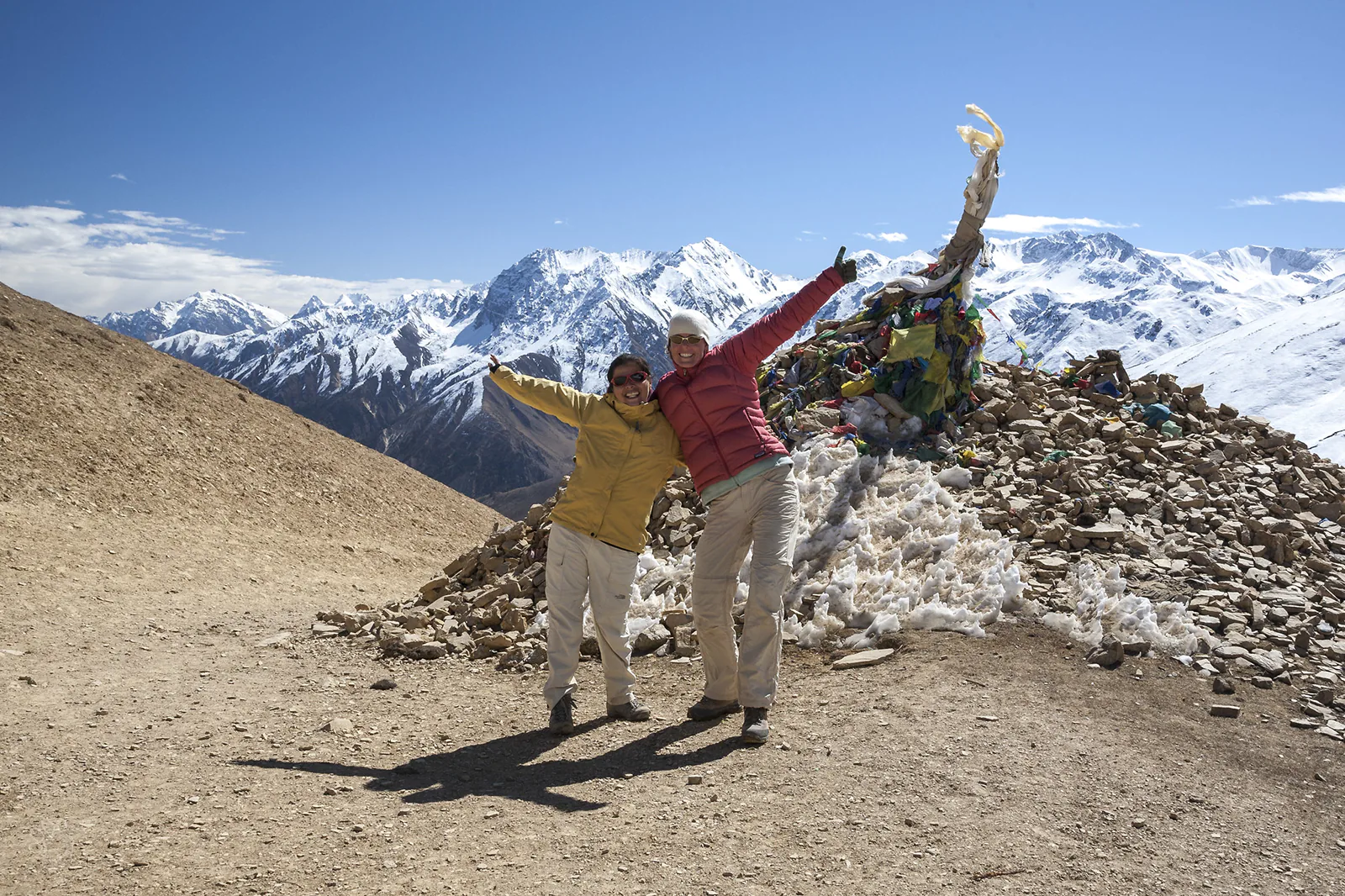
For many trekkers, crossing Nyalu Pass is the highlight of the journey. Standing at approximately 5,000 meters (16,404 feet), the pass offers panoramic views of western Nepal, remote Himalayan ranges, and the vast Tibetan Plateau.
The climb is physically demanding but immensely rewarding. Reaching the summit provides an unforgettable sense of accomplishment and some of the finest mountain scenery found anywhere in the Himalayas.
Enjoy Rare Views Toward the Sacred Mount Kailash
One of the most unique experiences on this trek is the optional hike to Lapcha Uanchayng (Kailash View Point). On clear days, trekkers can enjoy distant views of the sacred Mount Kailash, one of the world’s most revered mountains.
Mount Kailash holds immense spiritual significance for Hindus, Buddhists, Jains, and followers of the Bon religion. Although the mountain lies across the border in Tibet, the viewpoint offers a remarkable opportunity to witness this sacred peak without leaving Nepal.
Very few trekking routes in Nepal provide such a unique perspective of Mount Kailash.
Follow Ancient Himalayan Trade Routes
For centuries, Limi Valley served as an important section of the historic salt trade route connecting Nepal and Tibet. Traders transported salt, wool, grains, medicinal herbs, and livestock across these challenging mountain passes.
While trekking through the valley, you’ll walk along the same ancient trails once used by generations of Himalayan traders. The route offers a fascinating glimpse into the region’s historical importance and its long-standing cultural connections with Tibet.
Experience Exceptional Peace and Solitude
Unlike Nepal’s famous trekking destinations, where hundreds of trekkers may share the trail each day, Limi Valley remains wonderfully quiet.
Its remote location means that only a limited number of trekkers visit each year. As a result, visitors enjoy peaceful campsites, silent mountain valleys, and uninterrupted moments surrounded by nature.
For travelers seeking a genuine wilderness experience without crowds, Limi Valley is one of Nepal’s finest trekking destinations.
Observe Rare Himalayan Wildlife
The protected alpine ecosystem of Humla supports a wide variety of wildlife. While trekking through remote valleys and high mountain terrain, you may encounter:
Himalayan Blue Sheep
Himalayan Marmots
Musk Deer
Himalayan Griffon Vultures
Golden Eagles
Snow Partridges
Tibetan Wolves (occasionally)
Snow Leopards (extremely rare)
The untouched environment also supports a remarkable diversity of alpine flora, wildflowers, medicinal herbs, and high-altitude vegetation.
Experience Traditional Camping in the Himalayas
Unlike more developed trekking regions, much of the Limi Valley Trek follows remote camping routes. This provides trekkers with a true wilderness experience.
Each evening, your expedition team establishes comfortable camps in scenic locations surrounded by magnificent mountain views. Fresh meals are prepared by experienced cooks while trekkers relax beneath crystal-clear Himalayan skies filled with countless stars.
Camping adds an adventurous spirit that many trekkers consider one of the most memorable aspects of the journey.
Witness Traditional Himalayan Lifestyle
The people of Limi Valley continue to rely on agriculture, yak herding, and traditional trade for their livelihoods.
Visitors can observe:
Yak caravans transporting goods
Traditional stone houses
Barley and buckwheat farming
Ancient irrigation systems
Local weaving and handicrafts
Butter tea preparation
Traditional Tibetan cooking
This authentic lifestyle offers a rare opportunity to understand how mountain communities have successfully adapted to life in one of the world’s harshest environments.
A Photographer’s Paradise
Every section of the trek offers exceptional photographic opportunities.
Highlights include:
Snow-covered Himalayan peaks
Vast alpine landscapes
Ancient monasteries
Traditional Tibetan villages
Colorful prayer flags
Crystal-clear rivers
Dramatic mountain passes
Yak caravans
Sunrise and sunset over remote valleys
Night skies with minimal light pollution
Whether you’re a professional photographer or simply enjoy taking travel photos, Limi Valley provides endless inspiration.
A Rewarding Challenge for Experienced Trekkers
The Limi Valley Trek is physically demanding, requiring good fitness, endurance, and preparation. High-altitude passes, long trekking days, and remote camping conditions make it suitable for adventurous trekkers seeking a more challenging Himalayan experience.
Successfully completing the trek offers not only breathtaking scenery but also a deep sense of achievement and personal satisfaction.
Sustainable and Responsible Tourism
Because Limi Valley lies within a restricted area, visitor numbers are intentionally limited. Trekkers must obtain special permits and travel with licensed guides. These regulations help protect the valley’s fragile environment and preserve its unique cultural traditions.
Choosing this trek supports local communities through homestays, guiding services, porters, cooks, and community-based tourism while encouraging responsible travel practices.
Is the Limi Valley Trek Worth It?
For travelers seeking an authentic Himalayan experience beyond the well-known trekking routes, the answer is a resounding yes. The Limi Valley Trek combines breathtaking mountain scenery, centuries-old Tibetan culture, ancient monasteries, high-altitude adventure, and remarkable solitude into one unforgettable journey.
It is a trek for those who value exploration over convenience, cultural immersion over crowds, and meaningful adventure over ordinary travel. Walking through Limi Valley is more than a trek—it is an opportunity to step into a timeless Himalayan world where nature, history, and spirituality remain beautifully preserved.
The trek begins in Simikot (2,910m), the administrative headquarters of Humla District and the gateway to the trans-Himalayan frontier. Simikot is accessed by scenic mountain flights from Nepalgunj, itself reached by flight or road from Kathmandu. From Simikot, the trail follows ancient caravan routes once used by traders and pilgrims traveling between Nepal and Tibet. The landscape gradually transforms from river valleys into vast alpine plateaus, barren ridges, and wide open valleys carved by glaciers.
A major highlight of the trek is crossing Nara La Pass (4,620m)—a challenging but rewarding ascent that delivers sweeping views of the surrounding Himalayan wilderness. The route then leads to Hilsa, a historic border settlement and official Nepal–Tibet crossing point. Hilsa has long been an important transit hub for pilgrims journeying to Mount Kailash and Lake Mansarovar, making this trek culturally and spiritually significant as well as adventurous. After reaching Hilsa, the trek retraces its path back through the stunning Limi Valley, allowing ample time to explore its ancient villages and monasteries. The journey’s ultimate high point is crossing Nyalu La Pass (4,995m)—the highest point of the trek—from where trekkers are rewarded with breathtaking panoramic views across both Nepalese and Tibetan Himalayas.
Itineraries
Day 1
Fly from Kathmandu to Nepalgunj
Your journey begins with a scenic flight from Kathmandu to Nepalgunj, a bustling border town located near the Nepal–India frontier in southwestern Nepal. As the landscape changes from hills to flat Terai plains, you will notice the distinct cultural shift of the region. Nepalgunj serves as the main transit hub for remote western Nepal. Upon arrival, you will be transferred to your hotel or lodge. The rest of the day is free to relax, prepare permits, and organize trekking gear. Overnight stay at a comfortable hotel/lodge.
Day 2
Fly from Nepalgunj to Simikot
An early morning mountain flight takes you from Nepalgunj to Simikot, the district headquarters of Humla and the gateway to the trans-Himalayan region. This spectacular flight offers stunning aerial views of remote valleys, deep gorges, and snow-capped peaks such as Mt. Saipal. Upon arrival, you will feel the crisp mountain air and remoteness of the region. The rest of the day is spent acclimatizing, exploring Simikot village, and making final trek preparations. Overnight at camp or lodge.
Day 3
Trek from Simikot to Wakren Camp
Walking Duration: 6–7 Hours
Distance: Approximately 16 km
Overnight Altitude: 3,450 meters / 11,319 feet
Meals: Breakfast, Lunch & Dinner
Accommodation: Camping
After breakfast, the trek begins with a gradual ascent through traditional Humla villages, terraced farmland, and dense pine forests. The trail offers beautiful views of the Humla Karnali Valley while passing local settlements where ancient Tibetan Buddhist culture continues to flourish. As you leave the cultivated landscape behind, the scenery becomes increasingly wild and untouched before reaching the peaceful campsite at Wakren, surrounded by alpine meadows and towering mountains.
Day 4
Trek from Wakren Camp to Lekdingga Camp
Walking Duration: 6–7 Hours
Distance: Approximately 14 km
Overnight Altitude: 3,950 meters / 12,959 feet
Meals: Breakfast, Lunch & Dinner
Accommodation: Camping
Today’s trail climbs steadily into the higher alpine zone where vegetation gradually gives way to rugged mountain terrain. Along the way, you’ll enjoy magnificent panoramic views of the surrounding Himalayan ranges and untouched wilderness. The peaceful campsite at Lekdingga offers an ideal location for acclimatization while surrounded by dramatic rocky ridges and vast high-altitude landscapes.
Day 5
Trek from Lekdingga Camp to Sechi Khola Camp
Walking Duration: 6 Hours
Distance: Approximately 13 km
Overnight Altitude: 4,150 meters / 13,615 feet
Meals: Breakfast, Lunch & Dinner
Accommodation: Camping
Leaving Lekdingga behind, today’s route traverses remote alpine valleys, crossing small streams and expansive yak grazing pastures. The untouched landscape provides incredible opportunities to observe Himalayan wildlife such as blue sheep and Himalayan griffon vultures. Camp is established beside the beautiful Sechi Khola, where the sound of the flowing river creates a peaceful atmosphere beneath the towering peaks.
Day 6
Trek from Sechi Khola Camp to Khyukar Camp
Walking Duration: 6–7 Hours
Distance: Approximately 12 km
Overnight Altitude: 4,500 meters / 14,764 feet
Meals: Breakfast, Lunch & Dinner
Accommodation: Camping
The trail continues through one of Nepal’s most isolated mountain regions, gradually gaining elevation while crossing broad alpine valleys and glacial streams. As you approach Khyukar Camp, the scenery becomes increasingly dramatic, with spectacular views of rugged Himalayan ridges and snow-covered summits. This high-altitude campsite serves as the final preparation before crossing Nyalu Pass.
Day 7
Trek from Khyukar Camp to Talung Camp via Nyalu Pass (5,000 meters)
Walking Duration: 7–8 Hours
Distance: Approximately 15 km
Highest Altitude: 5,000 meters / 16,404 feet
Overnight Altitude: 4,300 meters / 14,108 feet
Meals: Breakfast, Lunch & Dinner
Accommodation: Camping
Today is the most challenging and rewarding day of the expedition. A steady climb leads to the summit of Nyalu Pass (5,000 meters), the highest point of the trek. From the pass, enjoy breathtaking panoramic views of western Nepal, the Tibetan Plateau, and countless snow-covered Himalayan peaks stretching across the horizon. After celebrating this remarkable achievement, descend through wide alpine valleys to Talung Camp, where you can relax amid spectacular mountain scenery.
Day 8
Trek from Talung Camp to Takchi Camp
Walking Duration: 6 Hours
Distance: Approximately 13 km
Overnight Altitude: 4,050 meters / 13,287 feet
Meals: Breakfast, Lunch & Dinner
Accommodation: Camping
Descending from the high mountain pass, today’s journey follows beautiful alpine valleys dotted with grazing yaks and colorful wildflowers during the summer months. The landscape gradually softens as you reach Takchi Camp, a peaceful campsite surrounded by open grasslands and impressive Himalayan vistas.
Day 9
Trek from Takchi Camp to Pimakarbu Camp
Walking Duration: 5–6 Hours
Distance: Approximately 12 km
Overnight Altitude: 4,200 meters / 13,780 feet
Meals: Breakfast, Lunch & Dinner
Accommodation: Camping
Today’s trail traverses remote mountain terrain rarely visited by trekkers. As you hike through pristine wilderness, enjoy uninterrupted views of rugged cliffs, ancient trade routes, and vast alpine plateaus. Arrive at Pimakarbu Camp, which serves as the base for tomorrow’s excursion to one of the finest viewpoints overlooking the sacred Mount Kailash region.
Day 10
Hike to Lapcha Uanchayng (Kailash View Point) and Return to Pimakarbu Camp
Walking Duration: 7–8 Hours
Highest Altitude: Approximately 5,100 meters / 16,732 feet
Overnight Altitude: 4,200 meters / 13,780 feet
Meals: Breakfast, Lunch & Dinner
Accommodation: Camping
An unforgettable day hike takes you to Lapcha Uanchayng, one of the most spectacular viewpoints in the region. On clear days, trekkers are rewarded with distant panoramic views of the sacred Mount Kailash, revered by Hindus, Buddhists, Jains, and followers of Bon. The viewpoint also offers magnificent vistas of the Tibetan Plateau and surrounding Himalayan peaks. After spending time enjoying this extraordinary scenery, return to Pimakarbu Camp for an overnight stay.
Day 11
Trek from Pimakarbu Camp to Jang Hot Spring Camp
Walking Duration: 6 Hours
Distance: Approximately 13 km
Overnight Altitude: 3,900 meters / 12,795 feet
Meals: Breakfast, Lunch & Dinner
Accommodation: Camping
Today’s descent leads into the culturally rich Limi Valley. Follow ancient trading paths before arriving at the natural hot springs near Jang. The soothing geothermal waters provide a perfect opportunity to relax tired muscles after several demanding days in the high Himalayas while enjoying the tranquil surroundings.
Day 12
Trek from Jang Hot Spring Camp to Halji Camp
Walking Duration: 4–5 Hours
Distance: Approximately 10 km
Overnight Altitude: 3,700 meters / 12,139 feet
Meals: Breakfast, Lunch & Dinner
Accommodation: Homestay/Camping
A pleasant walk through the heart of Limi Valley brings you to Halji, the largest and most historically significant village in the region. Visit the ancient Rinchenling Monastery, believed to be over 1,000 years old, and immerse yourself in the authentic Tibetan Buddhist culture that has remained largely unchanged for centuries.
Day 13
Trek from Halji Camp to Til Village Camp
Walking Duration: 4–5 Hours
Distance: Approximately 11 km
Overnight Altitude: 4,000 meters / 13,123 feet
Meals: Breakfast, Lunch & Dinner
Accommodation: Homestay/Camping
Today’s scenic trek follows the wide Limi Valley, passing traditional stone houses, cultivated barley fields, ancient mani walls, and colorful prayer flags. Arrive at Til, one of the oldest settlements in the valley, where friendly local families continue to preserve their unique Tibetan heritage and centuries-old lifestyle.
Day 14
Trek from Til Village to Manepeme
Walking Duration: 6 Hours
Distance: Approximately 14 km
Overnight Altitude: 3,990 meters / 13,091 feet
Meals: Breakfast, Lunch & Dinner
Accommodation: Camping
Leaving Til behind, continue across the upper reaches of the Limi Valley through vast open landscapes and remote mountain trails. The route offers magnificent views of barren hills, colorful rock formations, and high Himalayan ridges before reaching the peaceful campsite at Manepeme.
Day 15
Trek from Manepeme to Hilsa Border
Walking Duration: 6–7 Hours
Distance: Approximately 14 km
Overnight Altitude: 3,720 meters / 12,205 feet
Meals: Breakfast, Lunch & Dinner
Accommodation: Lodge/Camping
Today’s trek follows the historic Himalayan trade route toward Hilsa, Nepal’s border settlement with Tibet. Along the way, enjoy dramatic canyon landscapes carved by the Karnali River and impressive views toward the Tibetan Plateau. Upon arrival, explore this fascinating frontier town, an important gateway for pilgrims and traders traveling between Nepal and Tibet.
Day 16
Drive from Hilsa Border to Simikot by Jeep
Driving Duration: Approximately 7 Hours
Overnight Altitude: 2,950 meters / 9,678 feet
Meals: Breakfast, Lunch & Dinner
Accommodation: Lodge
After breakfast, begin an adventurous jeep journey from Hilsa to Simikot along one of Nepal’s highest and most scenic mountain roads. The drive passes through dramatic river valleys, remote villages, and rugged Himalayan landscapes, providing a unique perspective on the region that few travelers experience. Arrive in Simikot in the afternoon and enjoy your final evening in Humla.
Day 17
Fly from Simikot to Kathmandu (via Nepalgunj or Direct Charter)
Flight Duration: Approximately 2–3 Hours (including transit)
Meals: Breakfast
Depending on the flight schedule and weather conditions, fly from Simikot to Kathmandu via Nepalgunj or by direct charter flight when available. As you leave the remote mountains behind, reflect on an extraordinary journey through one of Nepal’s last hidden Himalayan frontiers. Your Limi Valley Trek concludes upon arrival in Kathmandu with unforgettable memories of pristine wilderness, authentic Tibetan culture, and breathtaking mountain scenery.
- All airport pick-up and drop-off services by private vehicle
- Trekking guide
- Camping crews (Cook, Sherpa, kitchen helper)
- Porters (1 porter carries 25 kilograms of luggage)
- All meals three times a day (breakfast, lunch & dinner)
- Accommodation: Partly in teahouses and most of the nights camping
- Required equipments: Tents, mattresses, sleeping bags, down jackets, duffle bags, cooking utensil and trekking poles
- Cooking fuel
- Camping charges
- Cargo charge
- Special trekking permit for Limi Valley
- Entry permits for National Park
- Local government entry fee
- Trekkers’ Information Management system (TIMS) card
- Flight tickets: Kathmandu – Nepalgunj – Simikot and Simikot – Nepalgunj – Kathamndu
- Insurance and equipments for the guides and porters
- First aid kit
- Tax, VAT and our service charge
- Rescue assistance, In case of emergency, To arrange timely evacuation/rescue by helicopter, you must be well insured from a reliable travel insurance company that covers both helicopter evacuation and medical treatment cost.)
- Farewell dinner in Kathmandu .
- Personal nature expenses (Telephone calls, internet, toiletries, battery recharge, hot shower, laundry, soft drinks, beers and any alcoholic beverages)
- Travel insurance
- Tips for involved staffs
- Meals and hotel accommodation in Kathmandu (even in case of early arrival or late departure, early return from trekking due to any personal reason than the scheduled itinerary)
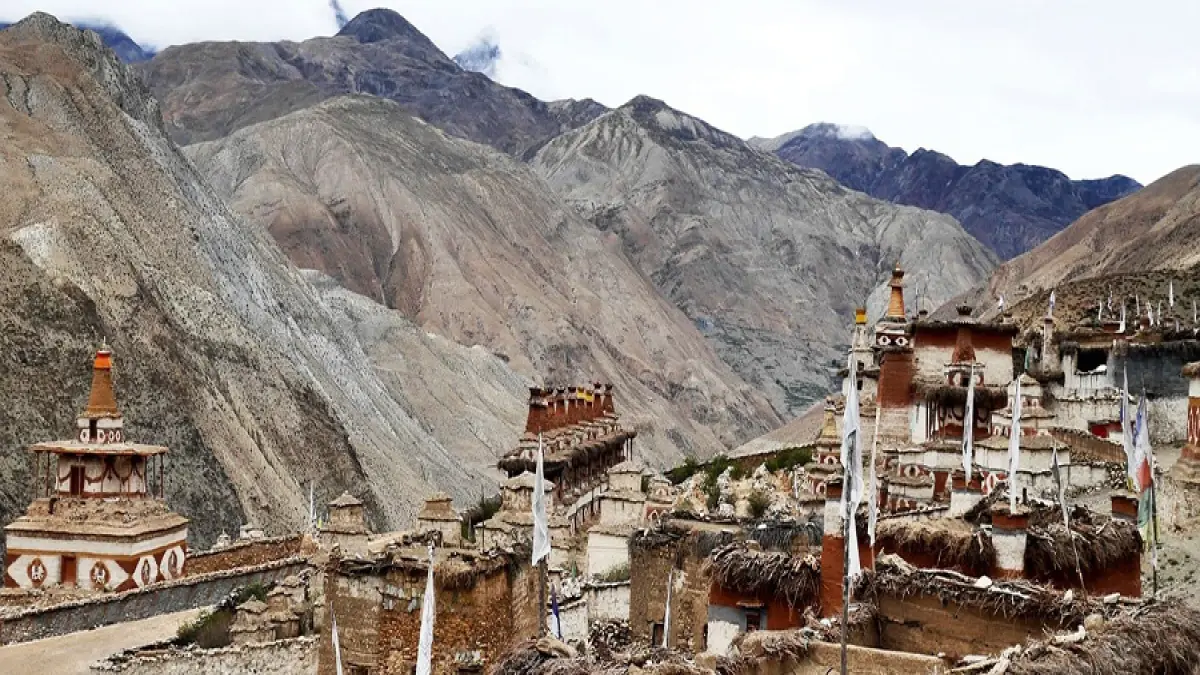
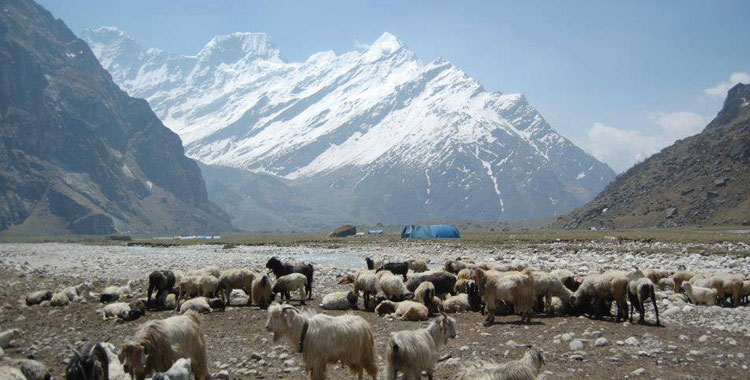

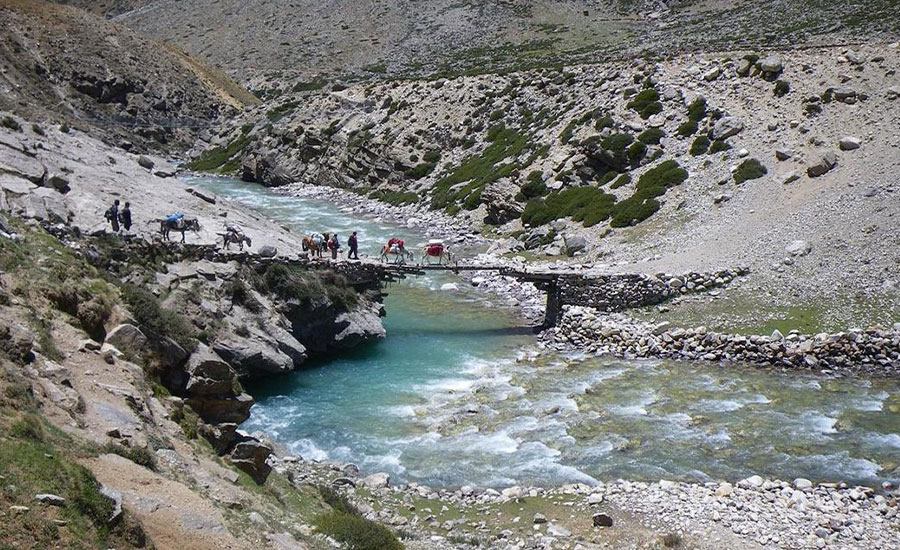
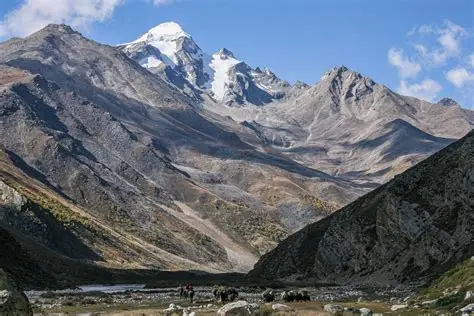
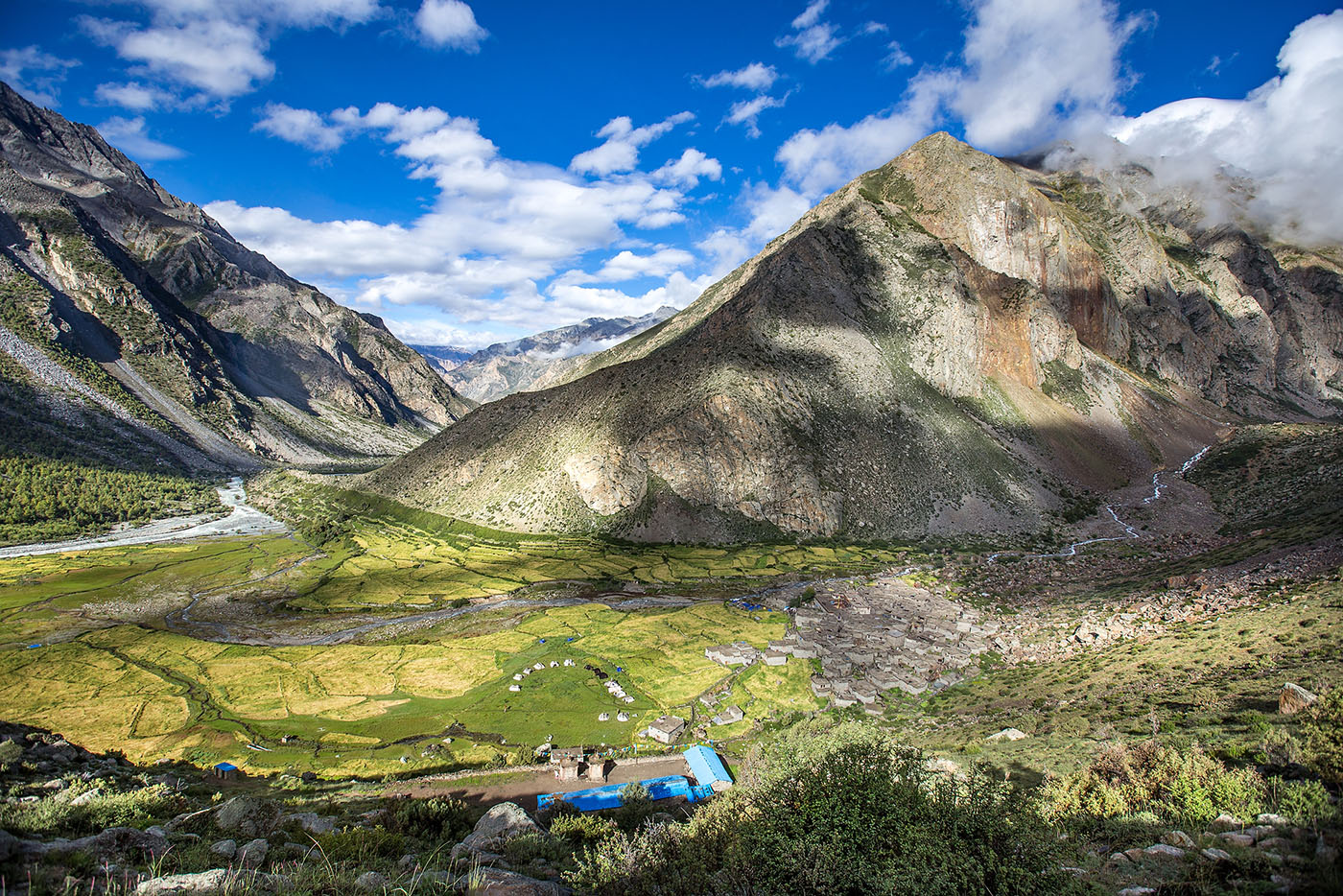

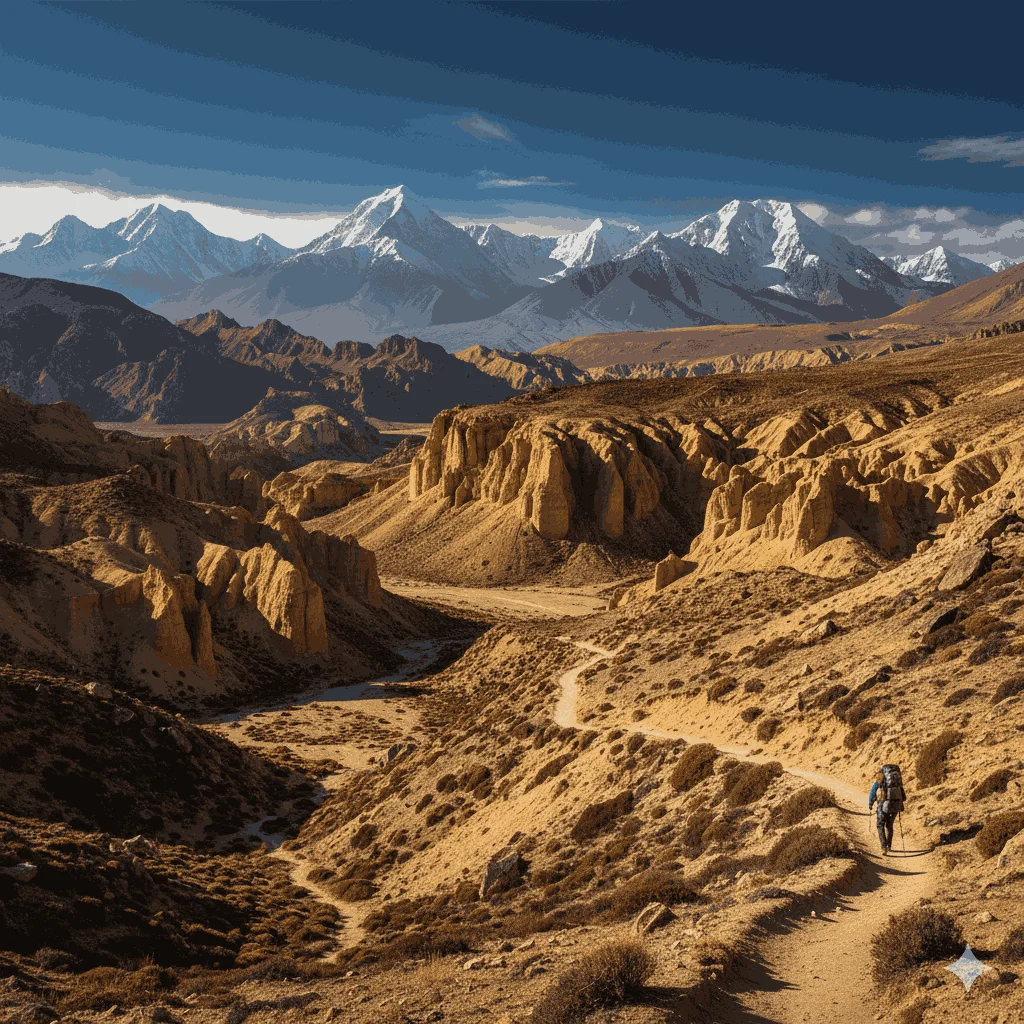
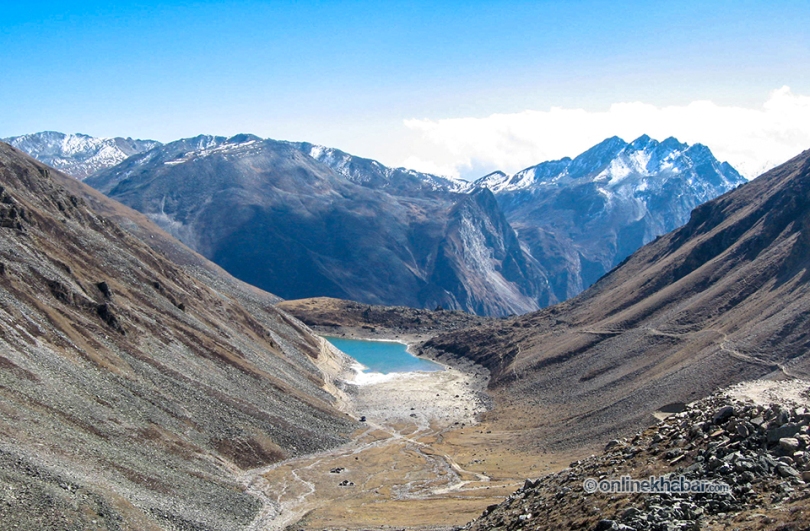
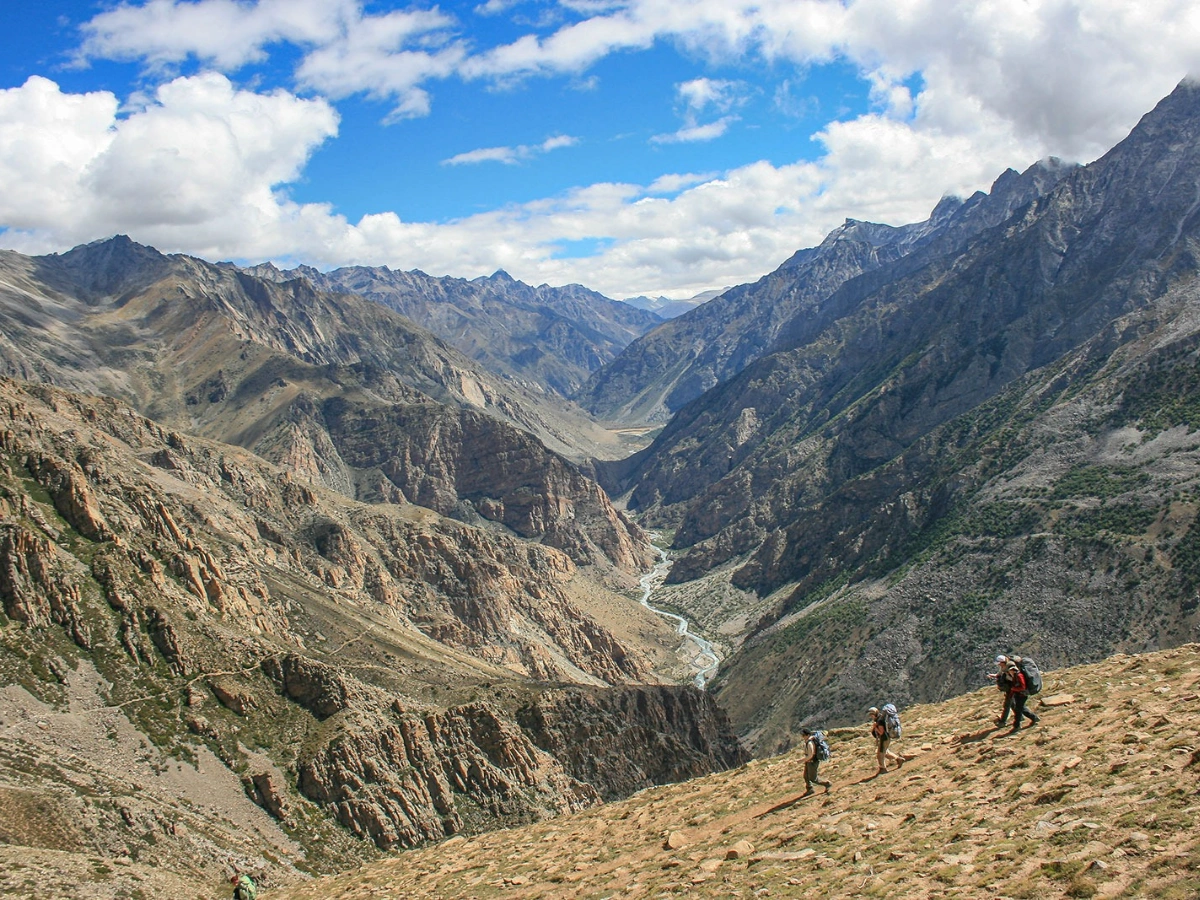

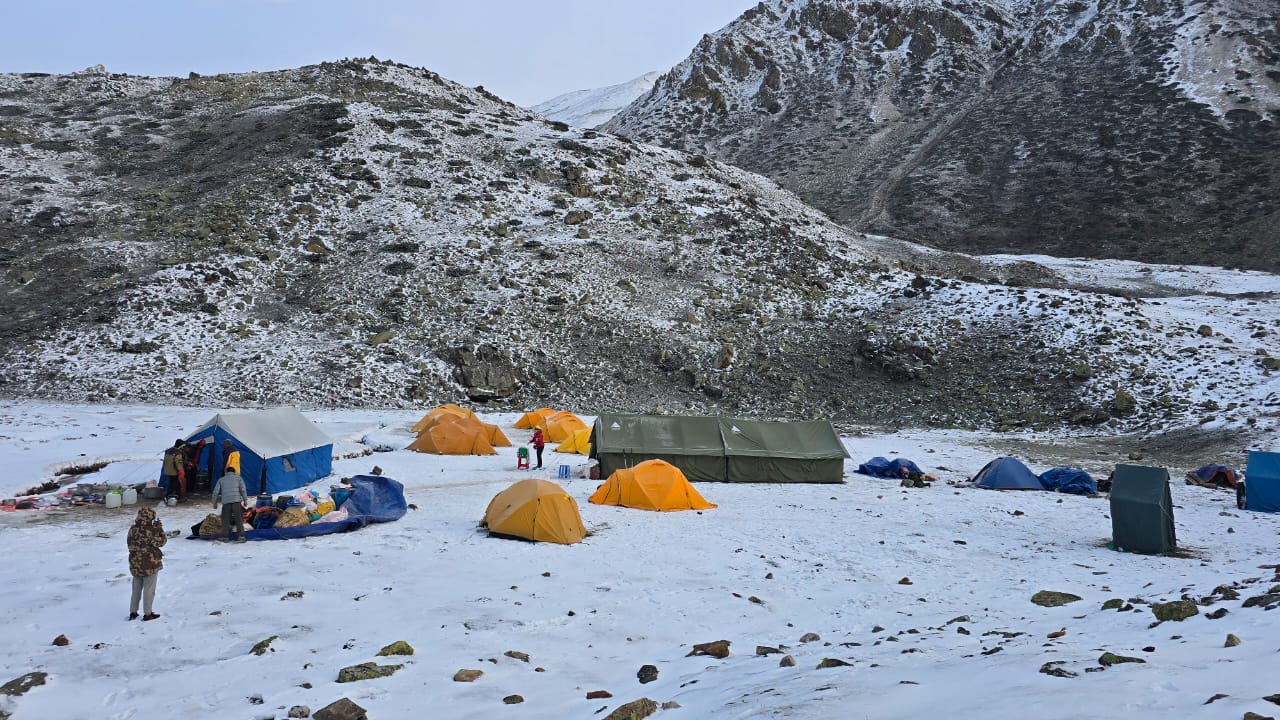
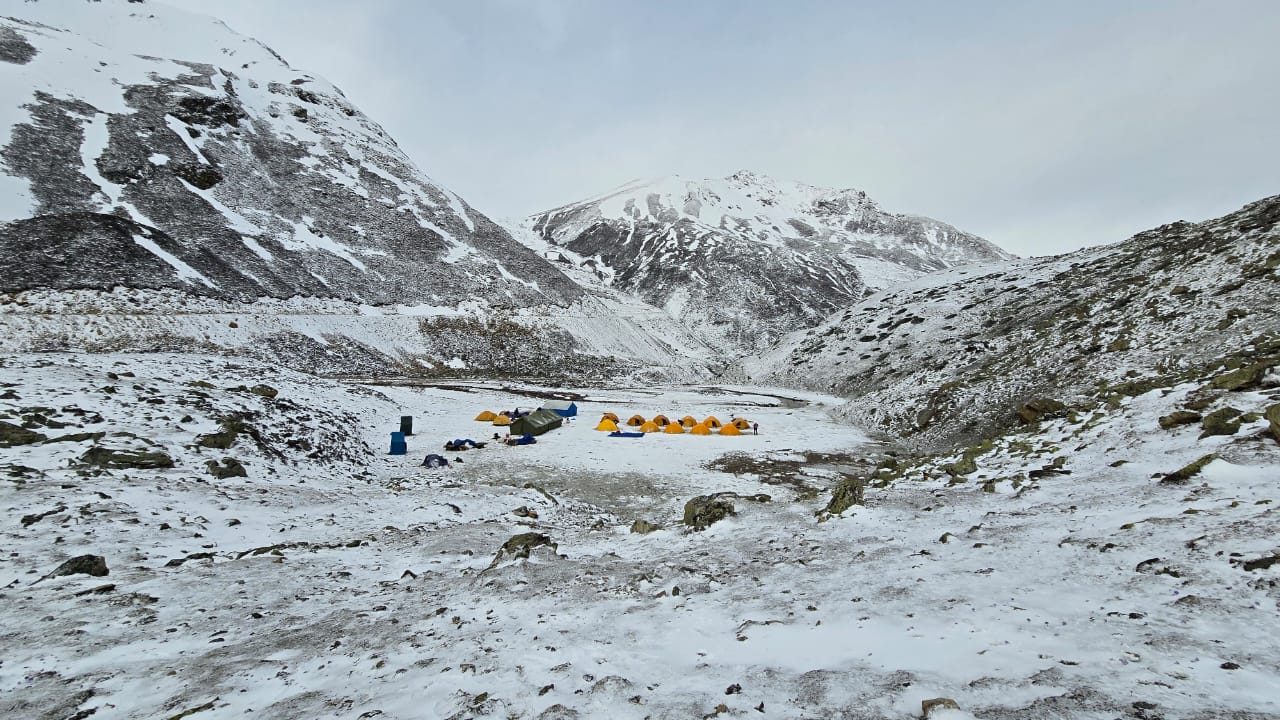
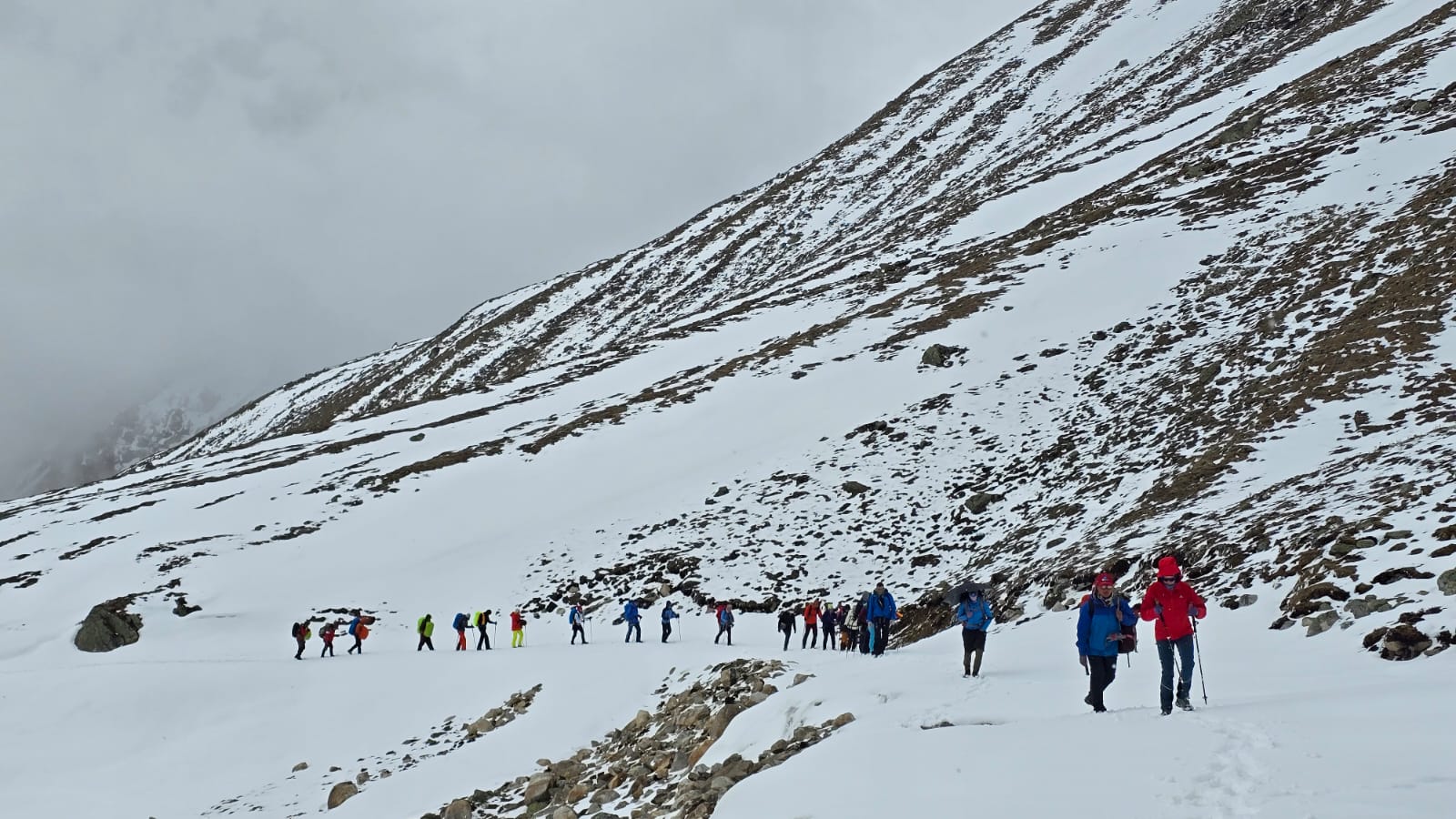
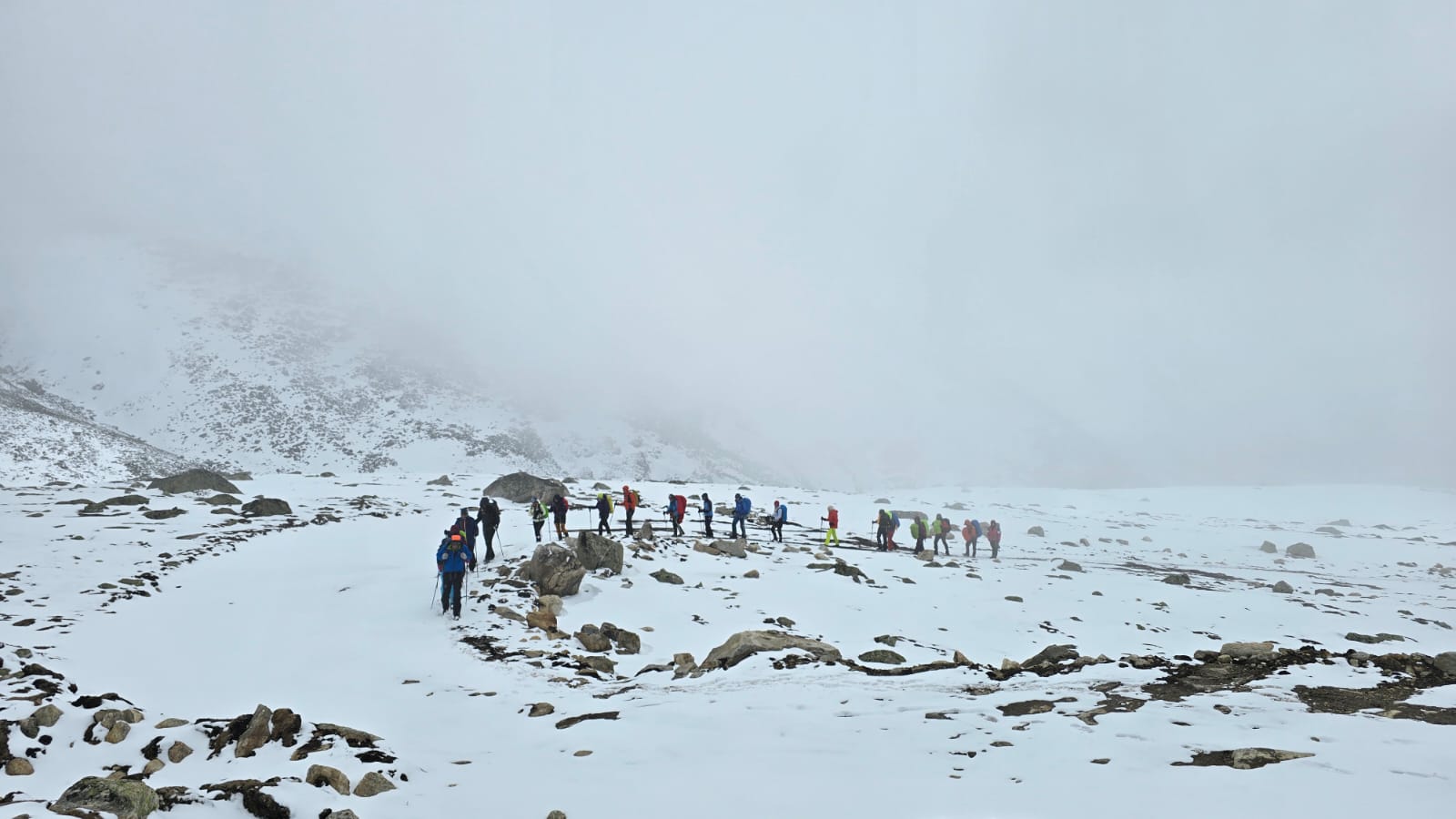
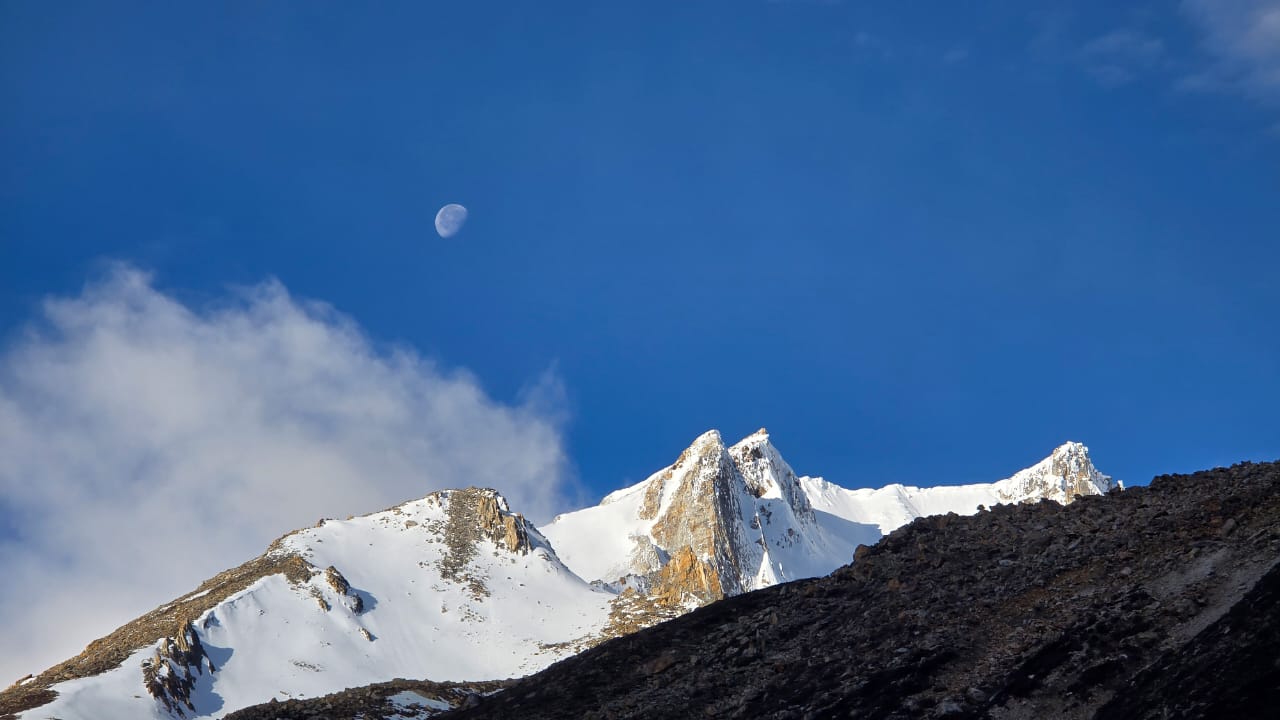
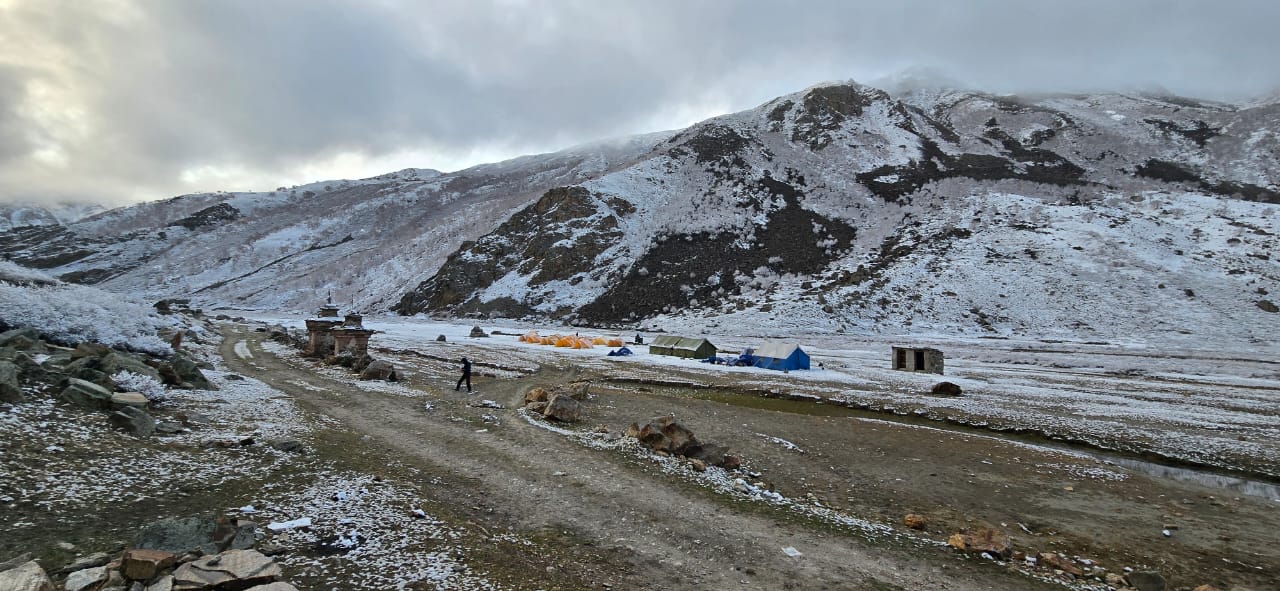
The Limi Valley Trek is located in the remote Humla District of northwestern Nepal, close to the border with Tibet (China). It is one of Nepal’s most isolated trekking destinations, renowned for its pristine landscapes, authentic Tibetan culture, and centuries-old Buddhist heritage.
The Limi Valley Trek is considered challenging to strenuous. Trekkers walk for 5–8 hours daily over rugged mountain trails, cross high-altitude passes such as Nyalu Pass (5,000 meters), and spend several nights above 4,000 meters. Good physical fitness and previous high-altitude trekking experience are highly recommended.
The highest point of the trek is Nyalu Pass, which reaches approximately 5,000 meters (16,404 feet) above sea level. Proper acclimatization and a gradual ascent are essential to minimize the risk of altitude sickness.
The best seasons for the Limi Valley Trek are:
Spring (May to June) – Mild temperatures, blooming alpine flowers, and clear mountain views.
Autumn (September to October) – Stable weather, excellent visibility, and ideal trekking conditions.
These months offer the safest weather and the best trekking experience.
Yes. Since Limi Valley is a Restricted Area, trekkers must obtain:
Humla Restricted Area Permit (RAP)
Annapurna Conservation Area Permit (ACAP), if your itinerary exits via the Annapurna region (not required for the standard Limi Valley route)
TIMS Card (depending on the current trekking regulations and itinerary)
All permits are usually arranged by your licensed trekking agency.
No. Independent trekking is not permitted in the Limi Valley Restricted Area. Foreign trekkers must travel through a government-registered Nepali trekking agency, accompanied by a licensed guide, and comply with the restricted area permit requirements.
Accommodation varies throughout the trek and typically includes:
Hotels in Kathmandu and Simikot
Camping in remote wilderness areas
Basic homestays or simple lodges in villages such as Halji and Til, where available
Camping is the primary accommodation for most itineraries.
Yes. Since the trek reaches 5,000 meters, there is a risk of Acute Mountain Sickness (AMS). Proper acclimatization, slow ascent, staying hydrated, eating well, and informing your guide of any symptoms are essential for a safe trekking experience.
Some of the trek’s major highlights include:
Crossing Nyalu Pass (5,000 meters)
Visiting the ancient villages of Til, Halji, and Jang
Exploring the historic Rinchenling Monastery
Hiking to Lapcha Uanchayng (Kailash View Point)
Enjoying distant views of the sacred Mount Kailash
Experiencing authentic Tibetan Buddhist culture
Trekking through one of Nepal’s most remote Himalayan regions
The remote alpine environment of Limi Valley supports a variety of Himalayan wildlife, including:
Himalayan Blue Sheep
Musk Deer
Himalayan Marmots
Himalayan Griffon Vultures
Golden Eagles
Snow Partridges
Tibetan Wolves (occasionally)
Snow Leopards (extremely rare)
Wildlife sightings depend on the season and weather conditions.
Most itineraries range from 16 to 18 days, depending on the chosen route, acclimatization schedule, transportation, and side trips such as the hike to Lapcha Uanchayng (Kailash View Point).
The Limi Valley Trek is not recommended for complete beginners. Its high altitude, remote location, long walking days, and camping logistics make it better suited to trekkers with good fitness and prior trekking experience. Beginners should prepare with training and consider gaining experience on easier high-altitude treks first.
The Limi Valley Trek offers an experience unlike any other in Nepal. It combines remote wilderness, authentic Tibetan culture, ancient monasteries, spectacular Himalayan scenery, high mountain passes, historic trade routes, and peaceful trails with very few trekkers. If you are looking for a true off-the-beaten-path adventure with exceptional cultural and natural beauty, the Limi Valley Trek is one of Nepal’s most rewarding and unforgettable trekking experiences.
There are no reviews yet.