
15 Days Lower Dolpo Trek
15 Days Lower Dolpo Trek
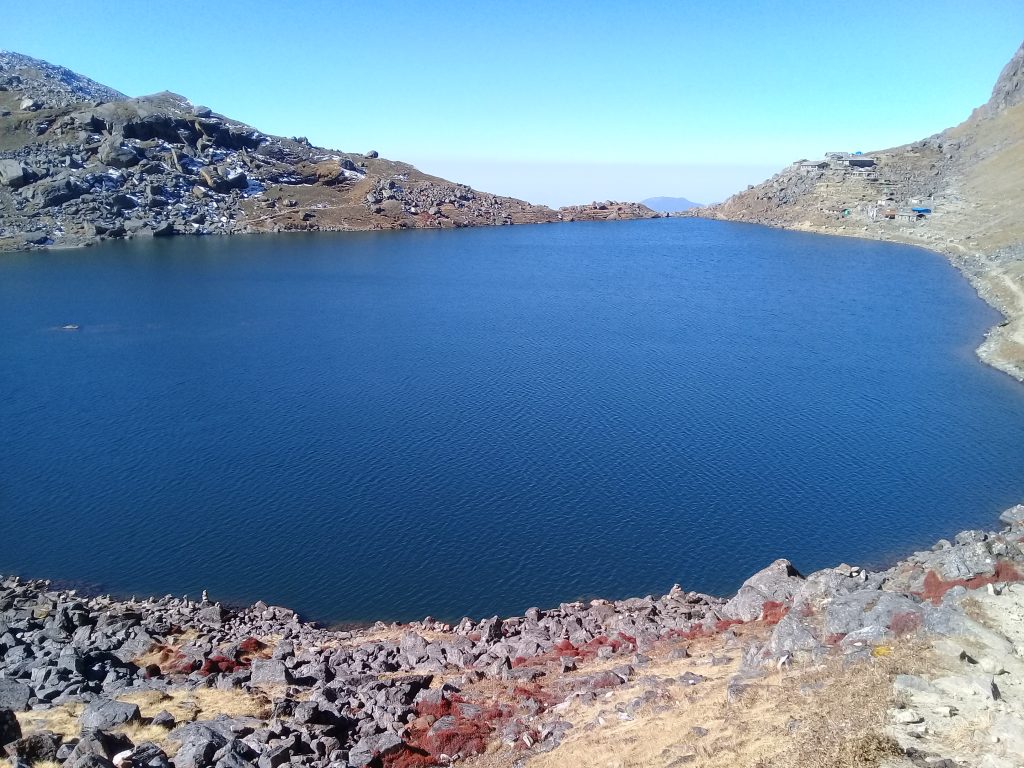
The region is culturally and environmentally rich, home to unique Tibetan-influenced communities, century-old customs, and remarkable biodiversity. One of the most iconic natural attractions of the trek is the stunning Shey Phoksundo Lake, Nepal’s deepest and most pristine alpine lake, famous for its crystal-clear turquoise waters set against towering cliffs.
Keywords
Trip code
WT-CODE 1982
- Overview
- Trip Outline
- Trip Includes
- Trip Excludes
- Gallery
- Reviews
- Booking
- FAQ
The Lower Dolpo Trek is one of Nepal’s most exciting, adventurous, and culturally immersive trekking experiences, located in the remote western Himalayan region of Nepal. Far away from crowded trekking routes, this journey takes you deep into Dolpa District, the largest district in Nepal and one of the country’s most isolated and least explored areas. The trek follows an off-the-beaten-path trail, offering trekkers a rare opportunity to experience untouched landscapes, ancient traditions, and a lifestyle that has remained largely unchanged for centuries.
Lower Dolpo is renowned for its dramatic trans-Himalayan terrain, where lush forests gradually give way to barren high-altitude valleys, deep gorges, alpine meadows, and rugged mountain passes. The region is culturally and environmentally rich, home to unique Tibetan-influenced communities, century-old customs, and remarkable biodiversity. One of the most iconic natural attractions of the trek is the stunning Shey Phoksundo Lake, Nepal’s deepest and most pristine alpine lake, famous for its crystal-clear turquoise waters set against towering cliffs. To protect the fragile ecosystem and cultural heritage of the region, the Government of Nepal established Shey Phoksundo National Park, Nepal’s largest national park. The park plays a vital role in conserving endangered wildlife, rare medicinal plants, and the distinctive cultural practices of the Dolpo people.
Based on years of field experience, we have carefully designed this 15-day Lower Dolpo Trek itinerary to ensure proper acclimatization, safety, and maximum exploration. The trek follows a clockwise route, first leading trekkers to Shey Phoksundo Lake, and then continuing toward the culturally significant Dho Tarap Valley.
One of the major highlights of this trek is crossing two challenging high mountain passes:
- Baga La Pass (5,190m)
- Numa La Pass (5,360m) – the highest point of the trek
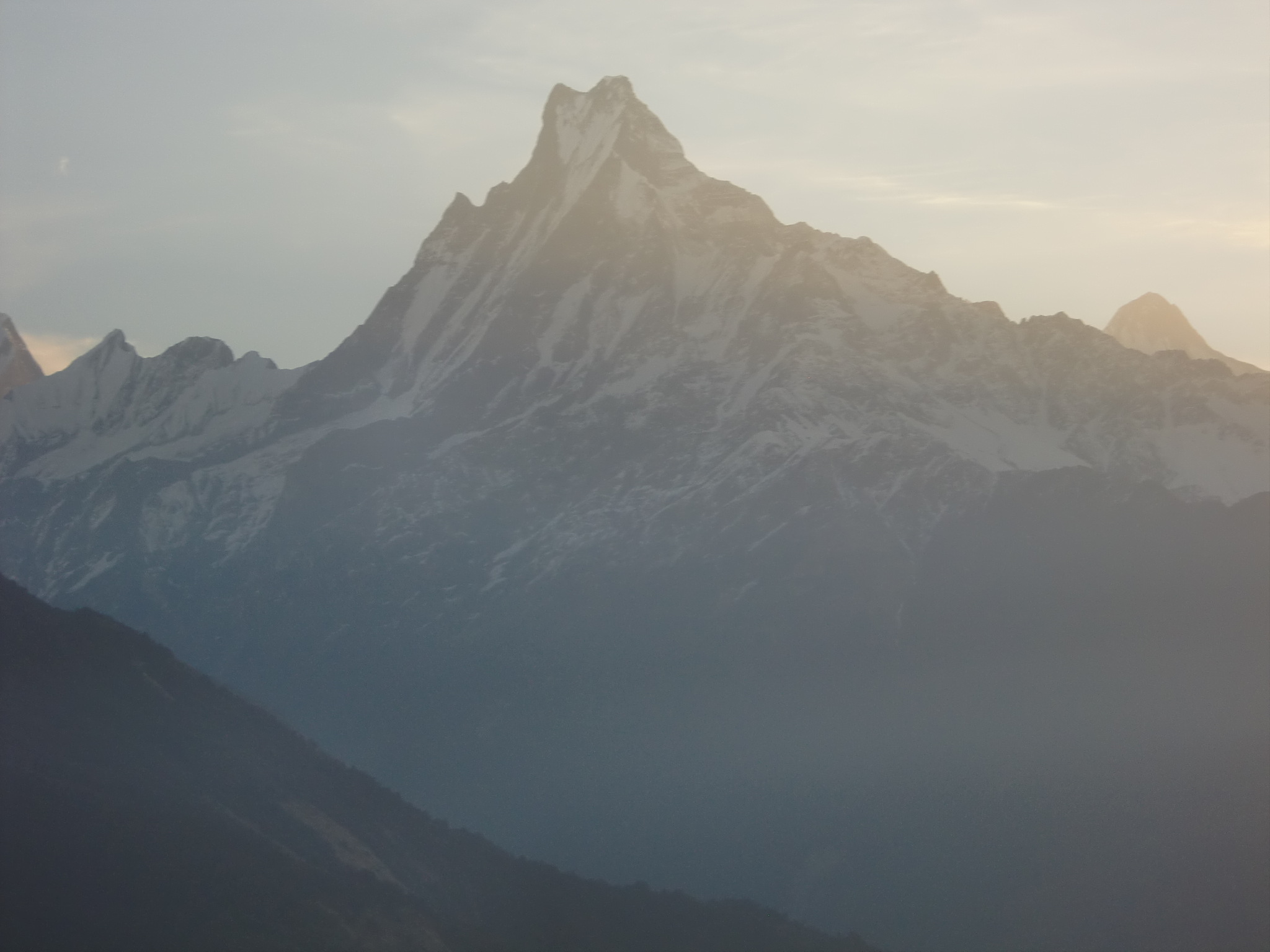
Crossing these high passes is physically demanding but immensely rewarding. From the top, trekkers are rewarded with breathtaking panoramic views of some of the most impressive Himalayan peaks, including Mt. Dhaulagiri (8,167m), Putha Hiunchuli, and other dramatic mountains extending into the Tibetan plateau such as Kugung La and Khyung La. During the summer months, trekkers may witness large caravans of sheep and yaks moving across high pastures an unforgettable sight that reflects the region’s age-old transhumance and trade traditions, adding a deep cultural dimension to the trekking experience.
Lower Dolpo is one of the few regions in Nepal where the ancient Bon religion is still actively practiced. Bon is considered a pre-Buddhist spiritual tradition, deeply connected to nature worship, sacred landscapes, and ancestral rituals. Alongside Bon, Tibetan Buddhism particularly the Nyingma tradition also plays a significant role in daily life. Trekkers will encounter traditional stone villages, ancient monasteries, mani walls, prayer flags, and chortens that reflect the region’s deep spiritual roots. The Dolpo people, known as Dolpo-pa, have preserved their language, dress, customs, and communal lifestyle despite modern influences elsewhere in Nepal.
Lower Dolpo lies within and around Shey Phoksundo National Park, a sanctuary for rare Himalayan wildlife and alpine ecosystems. The park is home to endangered species such as the Snow Leopard, Blue Sheep, Himalayan Musk Deer, and Himalayan Wolf. The region’s diverse landscapes from pine and juniper forests to high alpine meadows support rich biodiversity that remains largely undisturbed.
Trip Facts at a Glance
- Trip Type: Camping Trek – due to the remoteness and limited infrastructure, the trek is fully supported with tents, staff, and supplies.
- Trek Grade: Strenuous – suitable for experienced trekkers with good physical fitness and prior high-altitude trekking experience.
- Maximum Altitude: 5,360 meters (Numa La Pass)
- Transportation:Flights from Kathmandu to Nepalgunj, then to Juphal, and return via the same route.
- Group Size: Minimum 2 participants (small group focus for safety and cultural sensitivity).
- Best Season: Spring (April–May) and Autumn (September–October) offer the best weather, clear mountain views, and stable trekking conditions.
- Except for winter months (December to February), the trek is possible in most other seasons.
Himalaya soul Treks staffs has been successfully organizing Lower Dolpo treks every year, catering to both small private groups and larger organized teams. Our experienced and professional trekking staff possess in-depth knowledge of Dolpo’s terrain, culture, and logistical challenges, ensuring a safe, well-organized, and enriching trekking experience.
We emphasize responsible tourism, cultural respect, and environmental conservation while providing high-quality service in one of Nepal’s most remote trekking regions. The Lower Dolpo Trek is more than just a trekking adventure—it is a journey into a living Himalayan heritage, where nature, culture, and spirituality blend seamlessly. Join us to explore the raw beauty, deep traditions, and hidden wonders of Lower Dolpo at your own pace and convenience.
No details found.
Itineraries
Day 1
Fly from Kathmandu to Nepalgunj
Your journey to the remote west of Nepal begins with a scenic morning flight from Kathmandu to Nepalgunj, a bustling city near the Indian border. Upon arrival, our representative will warmly welcome you and escort you to your hotel. Nepalgunj offers a noticeable change in climate, culture, and landscape compared to Kathmandu. You can spend the afternoon resting after the flight or exploring the local bazaars, temples, and streets. This day is mainly for travel and acclimatization to the warmer lowland environment. Overnight stay will be at a comfortable hotel in Nepalgunj with all meals included.
Day 2
Fly from Nepalgunj to Juphal and Trek to Dunai
Early in the morning, you will board a short but thrilling mountain flight from Nepalgunj to Juphal, the gateway to Dolpo. After landing at Juphal airstrip, the trek officially begins. The trail gently descends through terraced fields, small villages, and along the banks of the Thuli Bheri River. You will pass local settlements and observe rural Dolpo life for the first time. After a relaxed walk, you reach Dunai, the administrative headquarters of Dolpa district. This charming town provides your first taste of Dolpo’s remoteness. Overnight stay will be at a lodge or camp.
Day 3
Trek from Dunai to Shyanta
Today’s trek takes you deeper into forested landscapes as you leave Dunai behind. The trail follows the river before entering dense pine, fir, and rhododendron forests. You will cross a suspension bridge over the Thuli Bheri River and begin a gradual ascent. Along the way, enjoy impressive views of Kagmara Peak rising above the valley. The peaceful trail passes through quiet forests and small clearings before reaching the village of Shyanta. This traditional village is surrounded by greenery and mountains, offering a tranquil overnight camping spot.
Day 4
Trek from Shyanta to Somdu
The trail today follows the banks of the Suligad River, gradually gaining altitude. You walk through a mix of pine, birch, and fir forests, with occasional steep sections. Passing through villages such as Kageni, Raktang, and Jyalhasa, you’ll begin to notice Tibetan-style houses and prayer flags. The landscape becomes more dramatic, with high cliffs and unusual rock formations lining the valley. You may encounter local traders and herders along the route. Somdu is a quiet settlement where you will camp overnight, surrounded by alpine scenery.
Day 5
Trek from Somdu to Phoksundo Lake
This is one of the most scenic days of the trek. The trail passes through open pasturelands and alongside crystal-clear streams. You will witness a spectacular waterfall plunging nearly 300 meters down a sheer cliff just before reaching Phoksundo Lake. The turquoise-blue waters of the lake are breathtaking and contrast beautifully with the barren surrounding hills. You arrive at Ringmo village, decorated with chortens, mani walls, and prayer flags. The area is culturally rich and spiritually significant. Overnight camp will be set near the lake.
Day 6
Rest and Exploration Day at Phoksundo Lake
A full rest day is allocated for acclimatization and exploration around Phoksundo Lake, Nepal’s deepest lake and a Ramsar-listed wetland. You can take short walks around the lake, visit Ringmo village, and explore ancient monasteries. The calm environment and stunning reflections of the surrounding hills in the lake create a peaceful atmosphere. This day allows your body to adjust to the altitude before crossing high mountain passes. You may also observe Bon and Tibetan Buddhist practices of the local people. Overnight at camp.
Day 7
Trek from Phoksundo Lake to Baga La Phedi
Leaving Phoksundo behind, the trail retraces briefly to Ringmo before heading eastward. The path climbs steadily through forests of juniper and blue pine, following a river upstream. Gradually, the vegetation thins and the landscape becomes more barren and alpine. You pass waterfalls and glacial streams while gaining altitude. The air becomes noticeably thinner as you approach Baga La Phedi, the base camp for the first high pass. This remote campsite is surrounded by rugged mountain terrain. Overnight stay at camp.
Day 8
Cross Baga La Pass and Trek to Numa La Phedi
Today is a challenging but rewarding day. You begin with a steady climb of about three hours to reach Baga La Pass, marked with prayer flags and offering breathtaking panoramic views. From the top, you can see vast stretches of the Dolpo region and surrounding Himalayan peaks. The descent is steep and demanding, dropping down to a stream before ascending again toward Numa La Phedi. The terrain is rocky and exposed, requiring careful footing. This day tests endurance but offers unforgettable mountain scenery. Overnight at camp.
Day 9
Cross Numa La Pass and Trek to Dho Tarap
The highest pass of the trek awaits today. The climb to Numa La Pass takes you through arid, high-altitude terrain decorated with mani stones. From the summit, weather permitting, you can enjoy stunning views of Mt. Dhaulagiri and distant Tibetan mountains. After crossing the pass, the trail descends gradually into the wide Tarap Valley. You walk through barley fields and past stone walls before reaching Dho Tarap, a culturally rich settlement. This village is home to both Buddhist and Bon communities. Overnight at camp.
Day 10
Rest Day at Dho Tarap
Dho Tarap is one of the highest permanent human settlements in the world. Today is dedicated to rest, acclimatization, and cultural exploration. You can visit ancient monasteries such as Ri Bhunpa Gompa and the Bon-po gompa in Shipchhok village. The traditional lifestyle here has remained unchanged for centuries. From nearby ridges, you can enjoy spectacular views of the valley and surrounding snow peaks. Interaction with locals provides deep insight into Dolpo’s unique culture and beliefs. Overnight at camp.
Day 11
Trek from Dho Tarap to Lahini
Leaving Dho Tarap, the trail follows the river through a wide valley before narrowing into a dramatic gorge. The walk is mostly gentle at first, passing wildflowers, rose shrubs, and alpine vegetation. You cross the river several times as the trail winds through rocky terrain. The gorge opens into a flat area suitable for camping at Lahini. The surroundings feel remote and untouched, adding to the wilderness experience. Overnight stay at camp.
Day 12
Trek from Lahini to Tarakot
This is one of the most adventurous days of the trek. The trail is narrow and carved into cliffs above the river, requiring caution. You cross suspension bridges and pass sections where landslides are common. Gradually, the valley widens and walking becomes easier. Approaching Tarakot, you see the historic fortress village that once controlled trade routes to Tibet. Tarakot is rich in history and architecture. Overnight stay at camp.
Day 13
Trek from Tarakot to Dunai
Today’s walk follows the Barbung Khola downstream through fertile valleys and villages. You pass Lawan village before crossing to the north bank of the river. The trail is pleasant and mostly downhill, offering a relaxed walk after several strenuous days. Gradually, you return to Dunai, marking the completion of the Dolpo circuit. The familiar surroundings feel rewarding after the long journey through remote terrain. Overnight stay at camp.
Day 14
Trek from Dunai to Juphal
This is a short and easy trekking day. The trail follows the Bheri River and passes through small settlements and cultivated land. You gradually ascend back to Juphal, enjoying your final views of Dolpo landscapes. The afternoon can be spent relaxing or preparing for the return flight. Overnight stay at camp near Juphal.
Day 15
Fly from Juphal to Nepalgunj and Kathmandu
Early in the morning, you fly from Juphal to Nepalgunj and connect onward to Kathmandu. Upon arrival in Kathmandu, you will be transferred to your hotel. The trek officially concludes, leaving you with unforgettable memories of Dolpo’s wilderness, culture, and high Himalayan passes.
- All airport pick-up and drop-off services by private vehicle
- Trekking guide
- Camping crews (Cook, Sherpa, kitchen helper)
- Porters (1 porter carries 25 kilograms of luggage)
- All meals three times a day (breakfast, lunch & dinner)
- Accommodation: Partly in teahouses and most of the nights camping
- Required equipments: Tents, mattresses, sleeping bags, down jackets, duffle bags, cooking utensil and trekking poles
- Cooking fuel
- Camping charges
- Cargo charge
- Special trekking permit for Lower Dolpo
- Entry permits for She-Phuksundo National Park
- Trekkers’ Information Management system (TIMS) card
- Flight tickets: Kathmandu – Nepalgunj – Juphal and Juphal – Nepalgunj – Kathamndu
- Insurance and equipments for the guides and porters
- First aid kit
- Tax, VAT and our service charge
- Rescue assistance, In case of emergency. To arrange timely evacuation/rescue by helicopter, you must be well insured from a reliable travel insurance company that covers both helicopter evacuation and medical treatment cost.)
- Farewell dinner )
- Personal nature expenses (Telephone calls, internet, toiletries, battery recharge, hot shower, laundry, soft drinks, beers and any alcoholic beverages)
- Travel insurance
- Tips for involved staffs
- Meals and hotel accommodation in Kathmandu (even in case of early arrival or late departure, early return from trekking due to any personal reason than the scheduled itinerary)
The trek is strenuous and challenging, suitable for experienced trekkers with good physical fitness. You will cross high mountain passes like Baga La (5,190 m) and Numa La (5,360 m), which require stamina, proper acclimatization, and mental preparedness. Prior high-altitude trekking experience is recommended.
The ideal seasons are Spring (April–May) and Autumn (September–October). During these months, the weather is stable, the skies are clear, and mountain views are spectacular. Trekking is possible in other months, but winters (December–February) can be extremely cold and challenging.
Yes. Trekking in Lower Dolpo requires a special trekking permit, as well as entry permits for Shey Phoksundo National Park. All permits are arranged by your trekking agency before departure. Additionally, a Trekkers’ Information Management System (TIMS) card is mandatory for security purposes.
Due to the remoteness of Lower Dolpo, the trek is primarily a camping trek. You will stay in tents with camping crews providing all meals (breakfast, lunch, and dinner). On limited occasions, you may stay in small local lodges or teahouses. All camping equipment, cooking fuel, and staff support are included.
There are no reviews yet.