
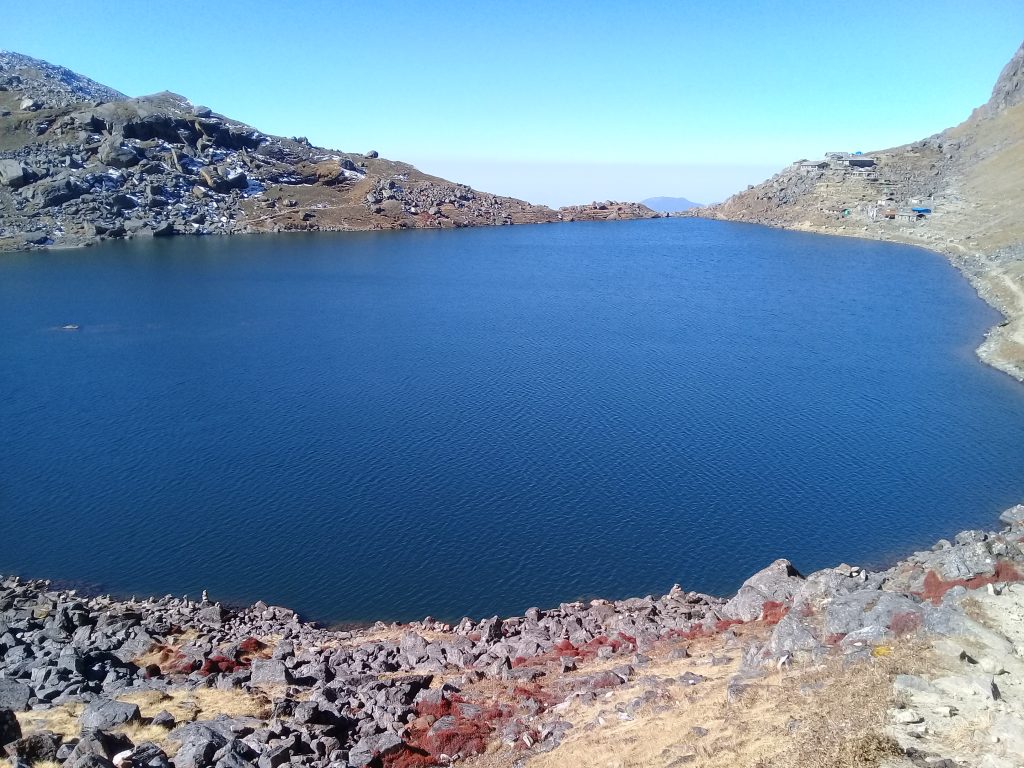
Ganesh Himal Trek . 12 Days– The Hidden Gem of Central Nepal
Ganesh Himal Trek . 12 Days– The Hidden Gem of Central Nepal
Unlike Everest or Annapurna, Ganesh Himal is perfect for trekkers seeking solitude and genuine local experiences.
Keywords
Trip code
WT-CODE 1973
- Overview
- Trip Outline
- Trip Includes
- Trip Excludes
- Gallery
- Reviews
- Booking
- FAQ
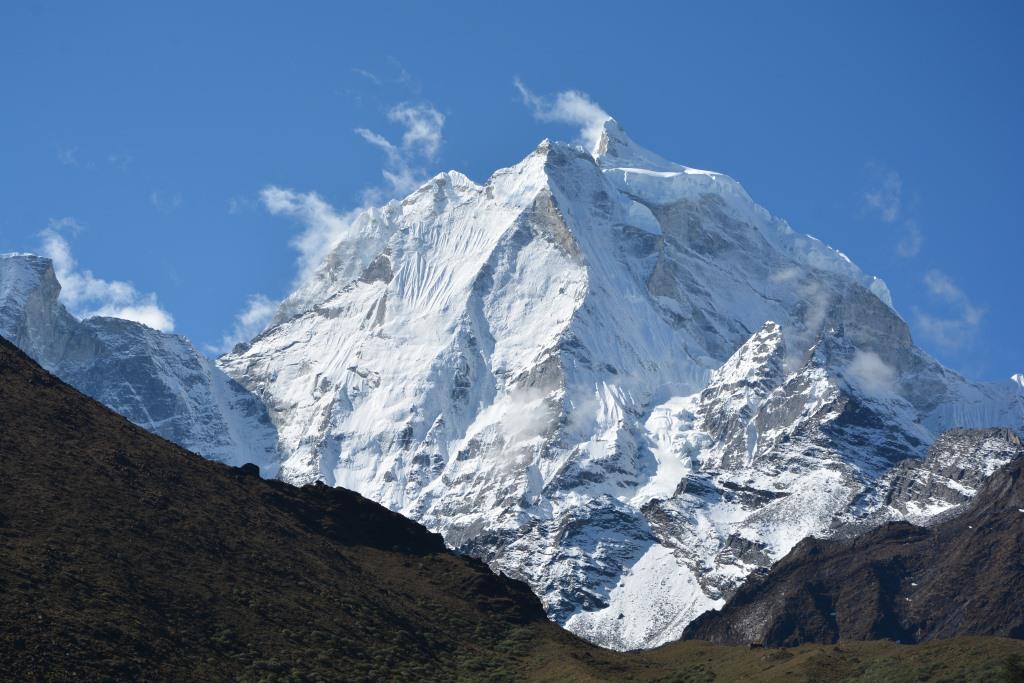
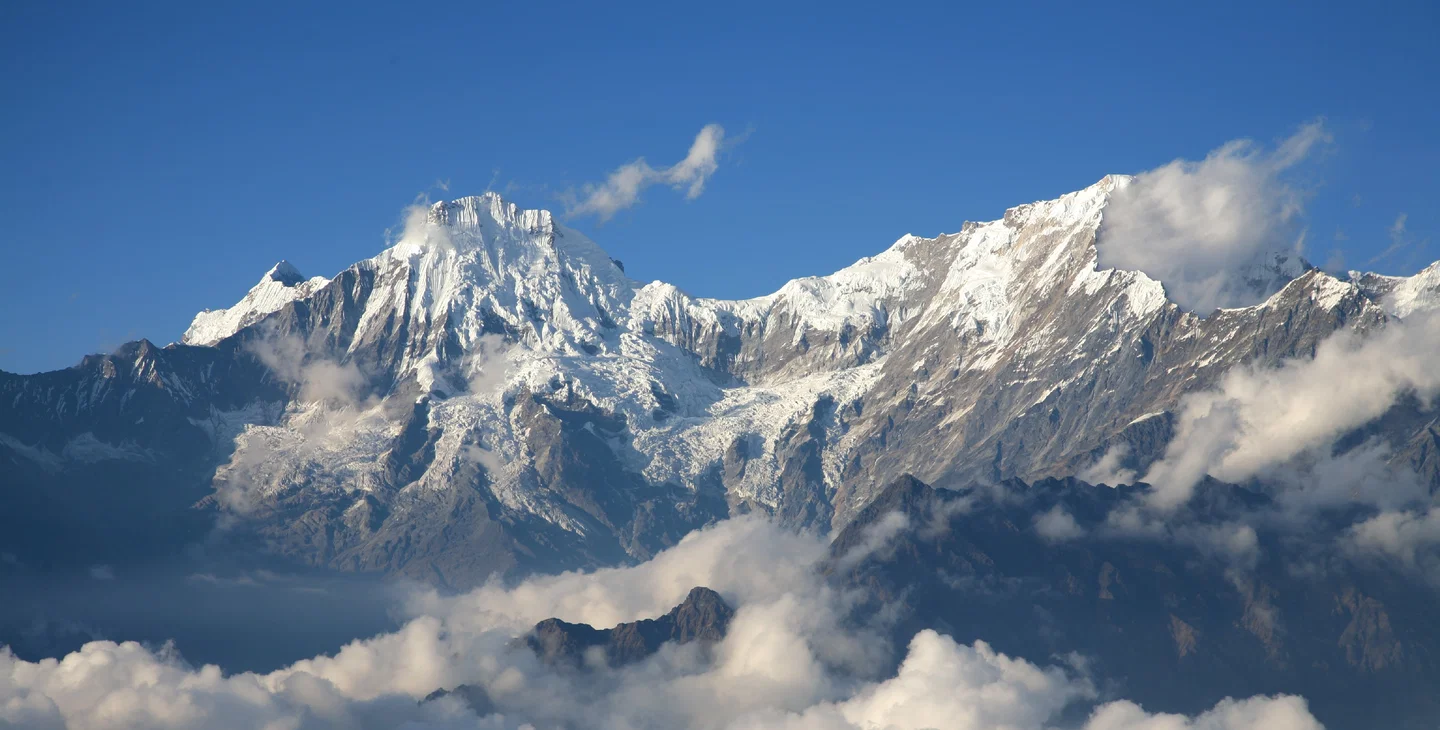
The Ganesh Himal Trek is one of Nepal’s most beautiful yet least explored trekking routes. Located between the famous Langtang National Park and the Manaslu Conservation Area, this region remains peaceful, culturally rich, and far from the crowded trekking trails. Named after Ganesh Himal (7,422 m) — a majestic mountain shaped like the Hindu deity Ganesh this trek offers a rare combination of untouched wilderness, dramatic Himalayan scenery, and authentic village life.
Unlike Everest or Annapurna, Ganesh Himal is perfect for trekkers seeking solitude and genuine local experiences.
Scenic Beauty & Landscape
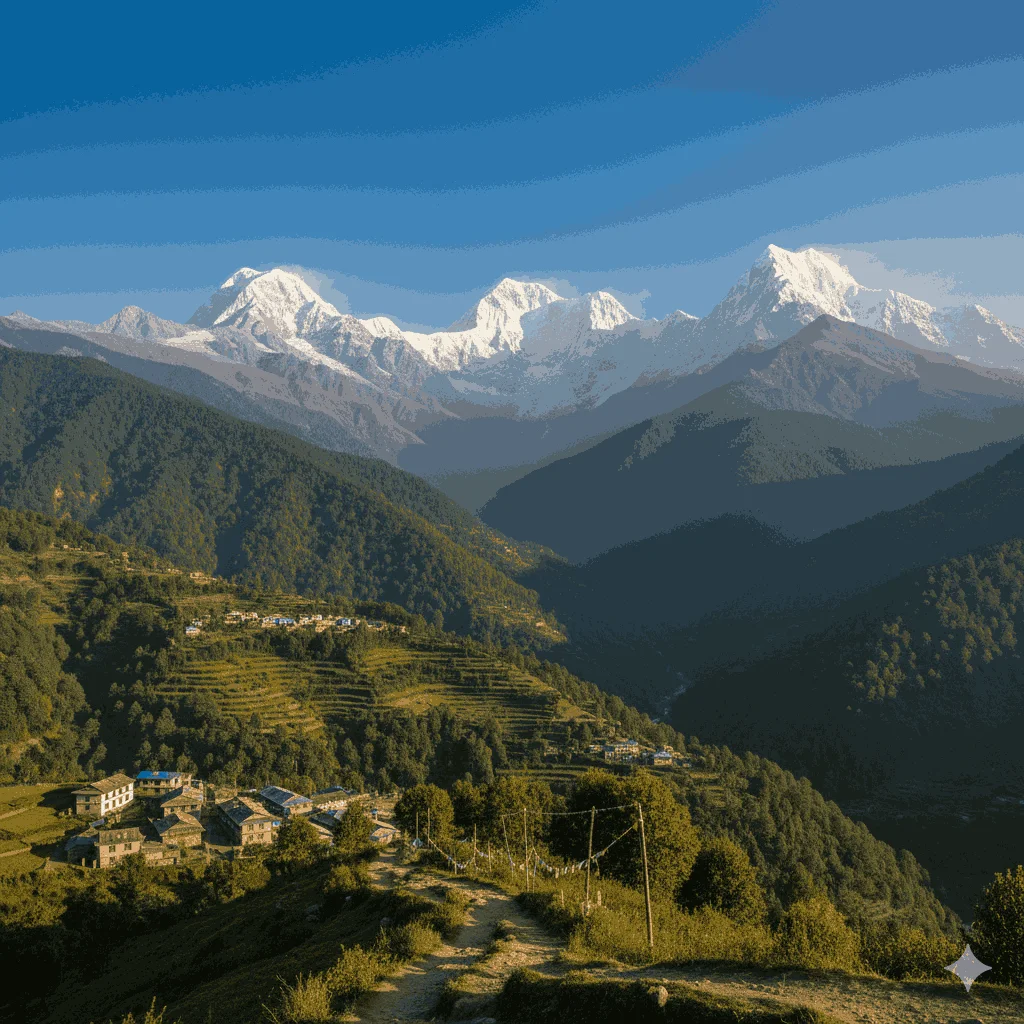
The trek begins from the lower hills northwest of Kathmandu, usually starting from Syabrubesi, Betrawati, or Machha Khola depending on the itinerary. The trail gradually climbs through terraced farmland, dense rhododendron forests, and traditional Tamang villages.
As you ascend, the scenery changes dramatically:
- Lush green hills turn into alpine meadows.
- Dense forests give way to open grazing pastures.
- Snow-capped peaks appear closer each day.
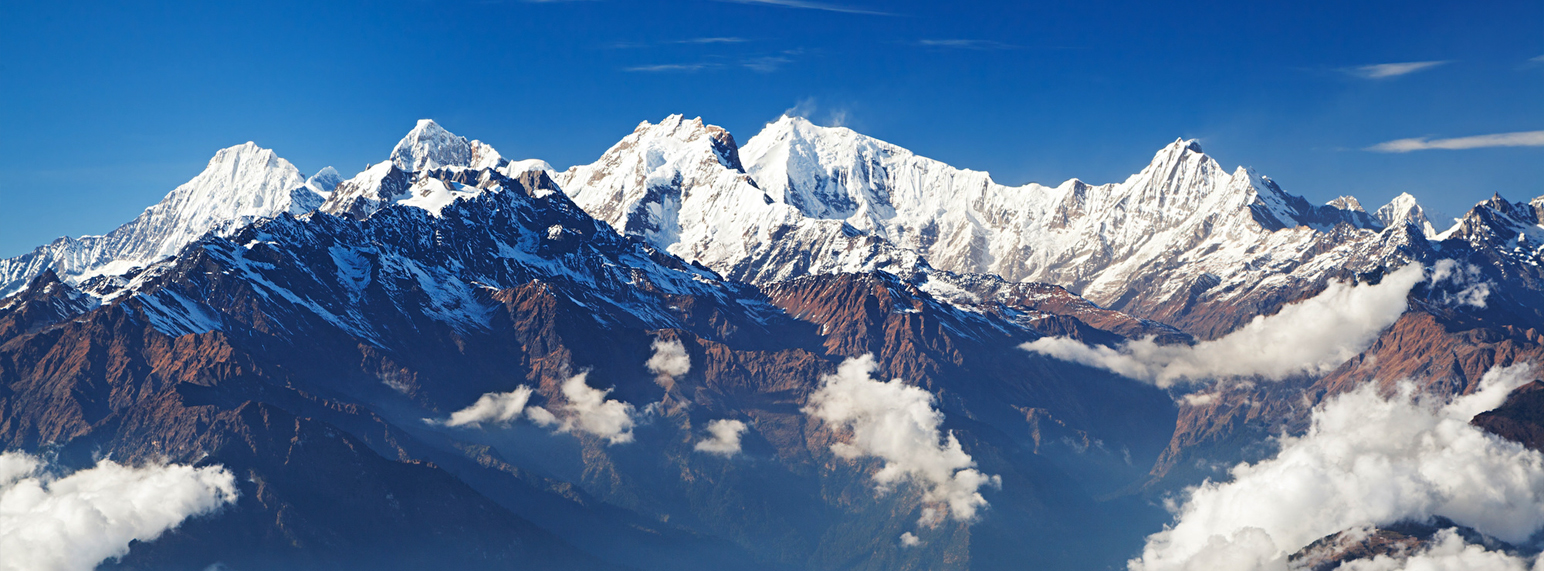
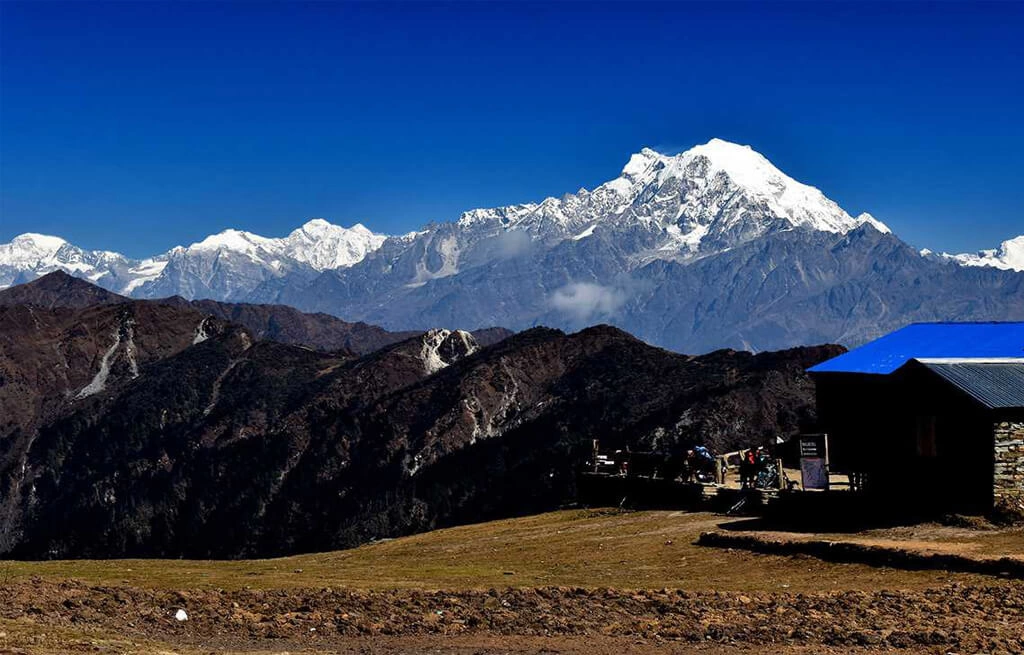
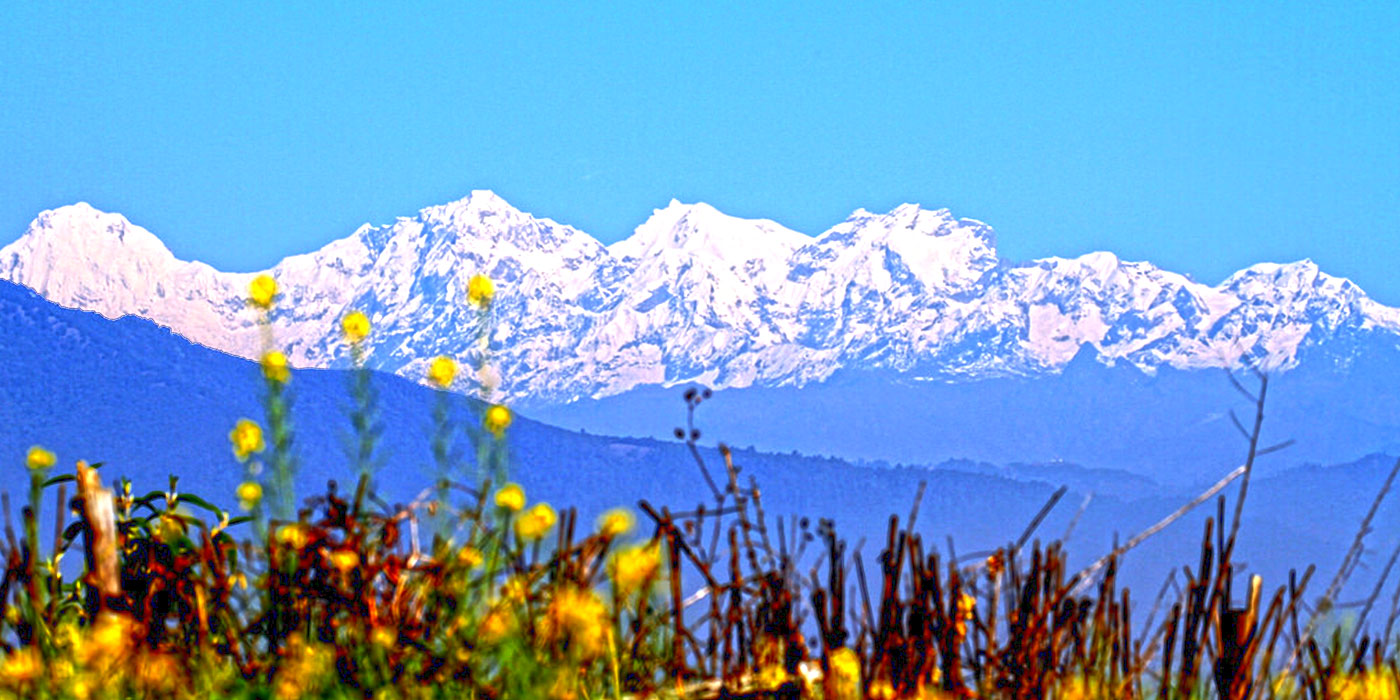
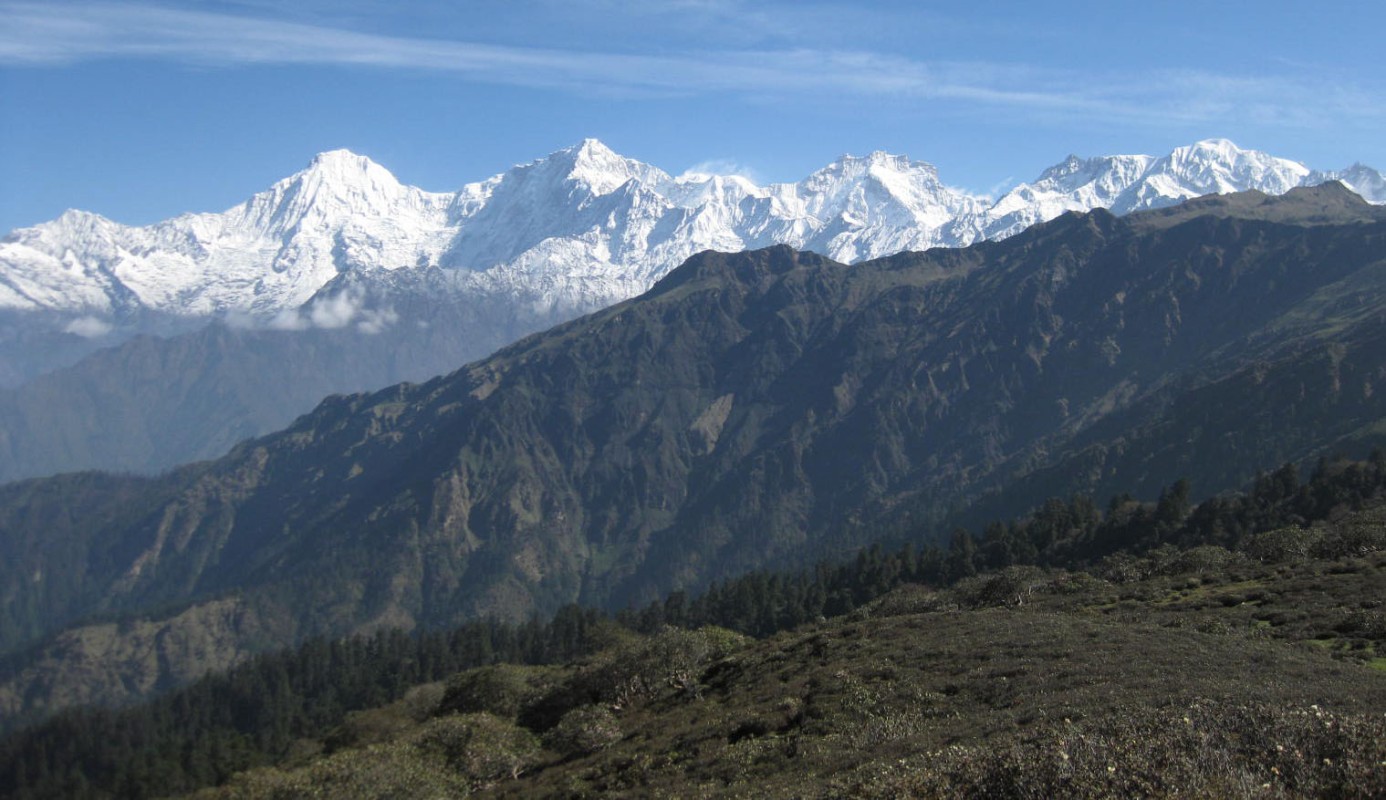
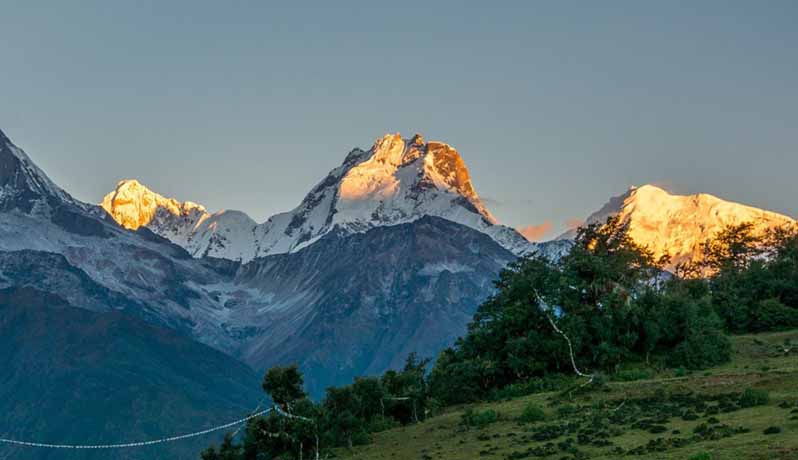
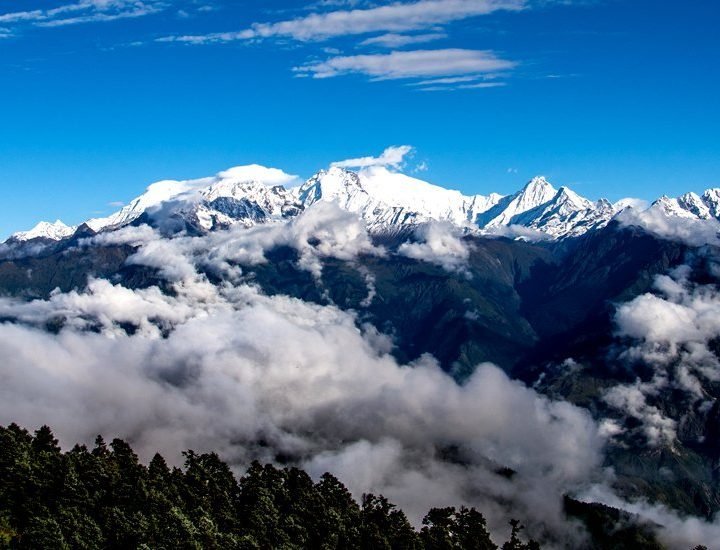
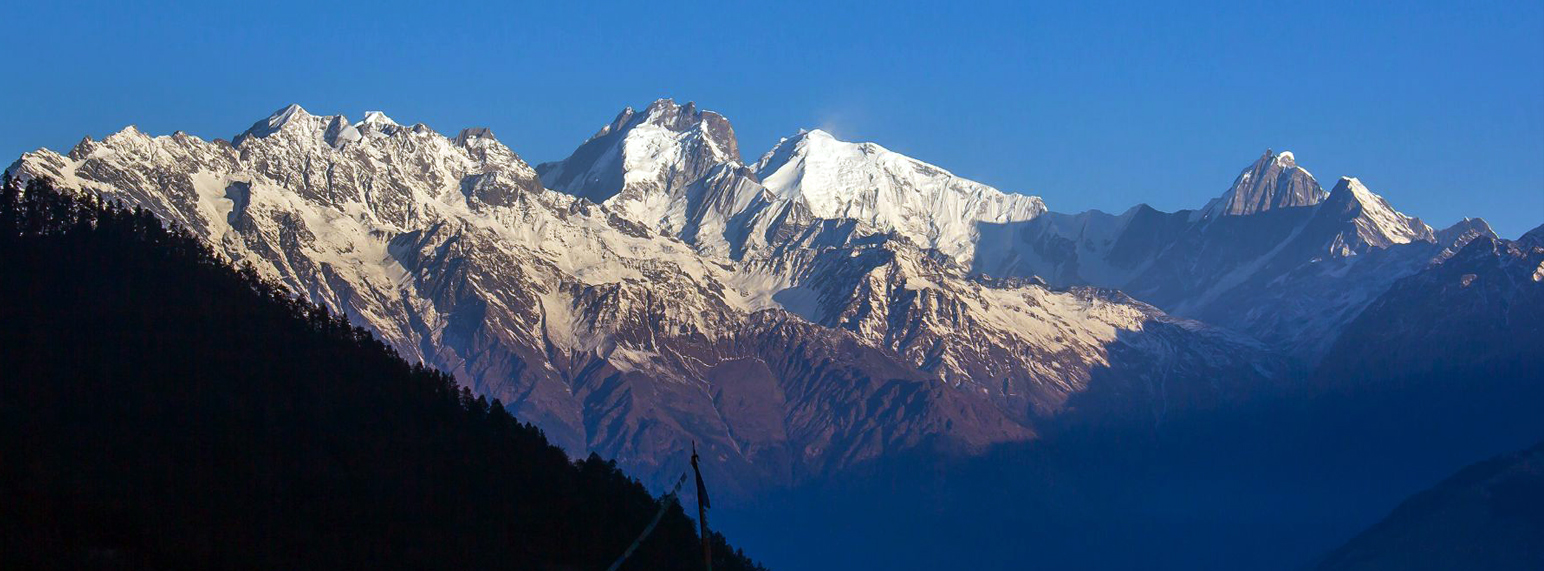
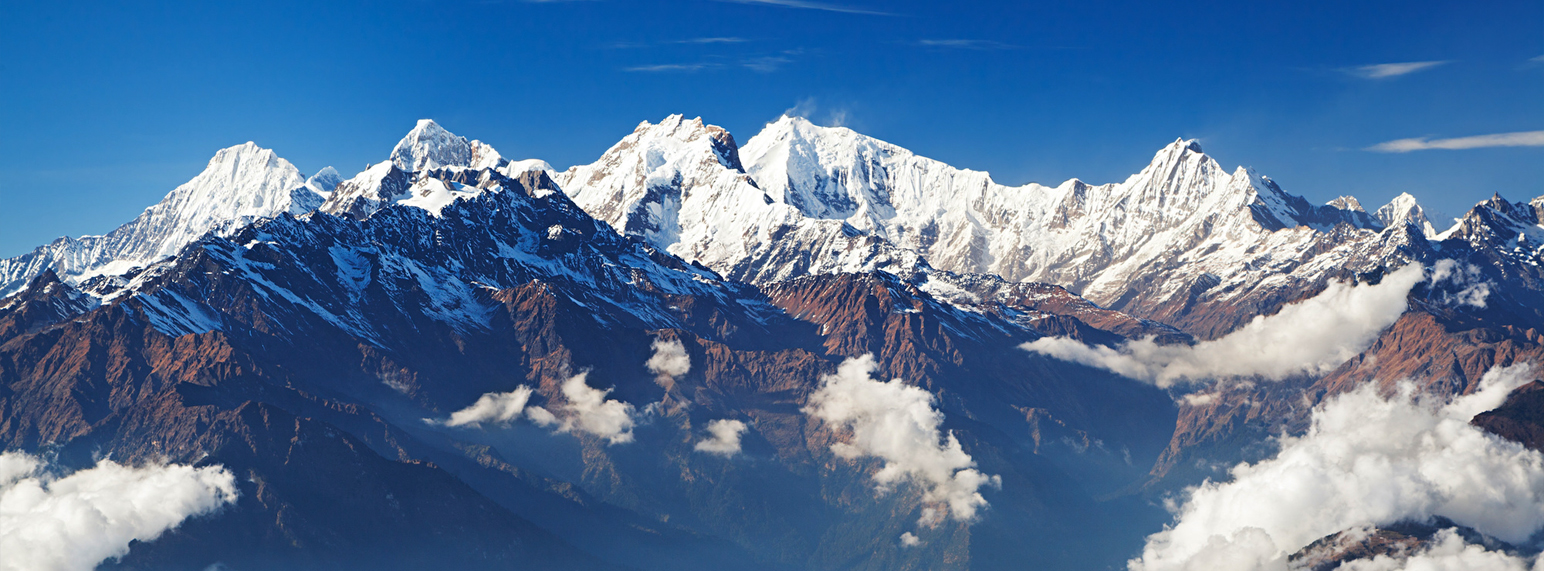
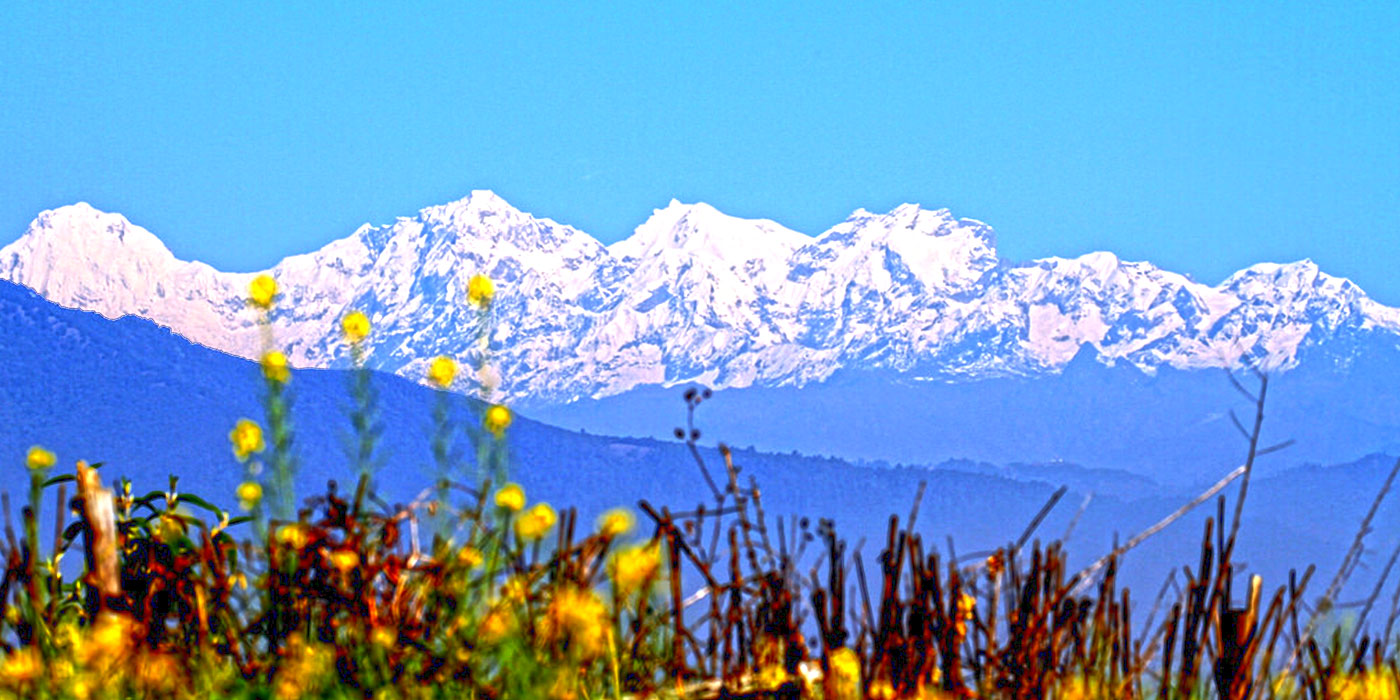
The highlight viewpoints such as Pangsang La Pass (3,842 m) offer breathtaking panoramas of Ganesh Himal, Langtang Lirung, Manaslu, Annapurna, and even distant Tibetan peaks. During spring, the forests bloom with colorful rhododendrons, making the hillsides vibrant and picturesque. The region also features hidden waterfalls, natural hot springs, glacial rivers, and high-altitude lakes like Parvati Kunda.
The Ganesh Himal mountain range consists of several peaks:
- Ganesh I (Yangra) – 7,422 m
- Ganesh II – 7,118 m
- Ganesh III – 7,043 m
- Ganesh IV – 7,104 m
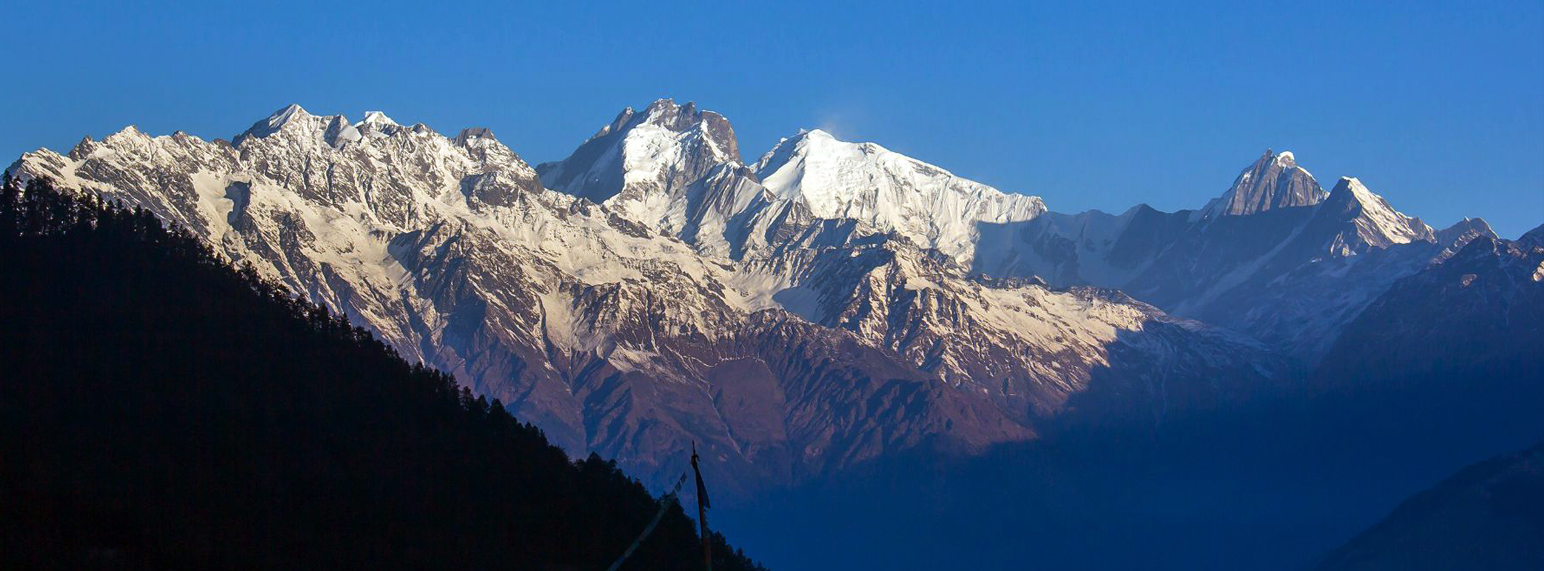
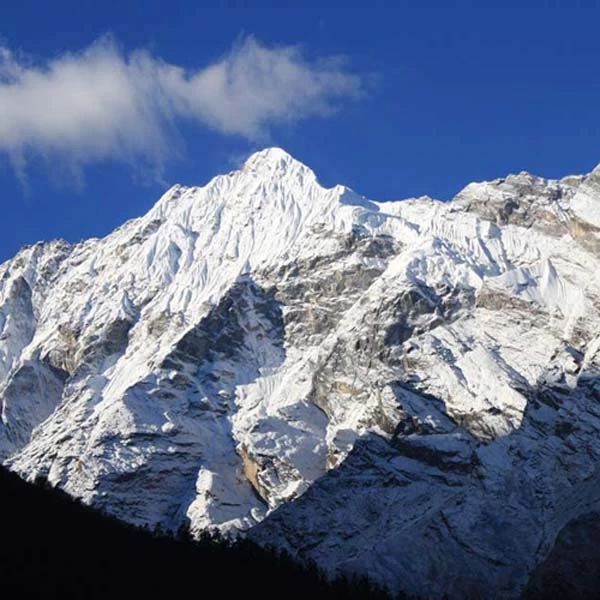
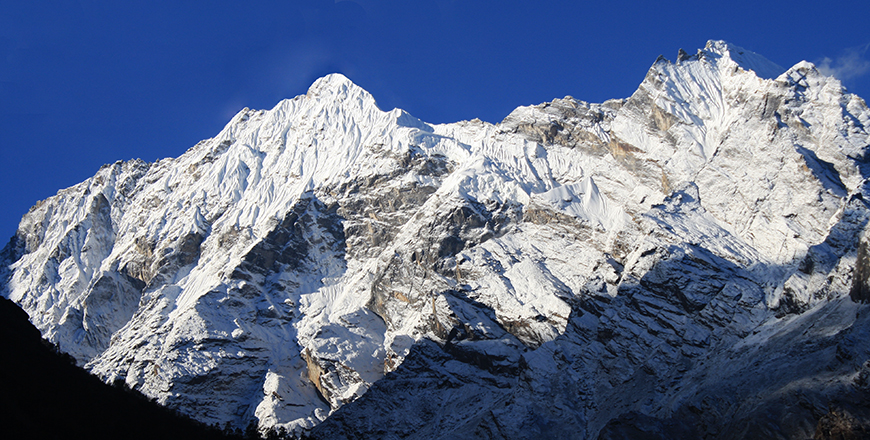
These peaks form a dramatic skyline, especially visible from Pangsang La and other high ridges. The mountains are less commercialized, maintaining a wild and powerful presence.
One of the biggest highlights of the Ganesh Himal Trek is its cultural diversity. The region is home to:
- Tamang communities
- Gurung villages
- Brahmin & Chhetri settlements
- Tibetan-influenced communities in upper areas
The Tamang culture is particularly strong, with Buddhist monasteries, prayer flags, mani walls, and chortens along the trail. Villagers still follow traditional lifestyles based on farming and livestock.
Since tourism is less developed here, interactions feel more genuine and personal. Trekkers often stay in simple homestays or local teahouses, giving insight into rural Himalayan life.
Ganesh Himal region lies near Langtang National Park, so biodiversity is rich. You may encounter:
- Rhododendron forests (especially in spring)
- Bamboo and pine forests
- Himalayan thar
- Langur monkeys
- Various bird species
The forests are particularly beautiful in March–April when flowers bloom across the hills.
Why Choose Ganesh Himal Trek?
- Less crowded than Annapurna & Everest
- Authentic village experience
- Stunning Himalayan panoramas
- Ideal for moderate trekkers
- Perfect blend of culture and nature
- Suitable for camping or community lodge trekking
It is an excellent choice for trekkers who want to explore a new and off-the-beaten-path destination in Nepal.
Best Time to Trek
The best seasons are:_
- Spring (March–May) – Blooming rhododendrons and clear skies
- Autumn (September–November) – Stable weather and crystal-clear mountain views
- Winter is possible but colder at higher passes. Monsoon season (June–August) brings heavy rain and leeches in lower areas.
Difficulty Level
Ganesh Himal Trek is considered moderate.
The highest point is usually Pangsang La Pass (3,842 m), which does not require technical climbing. However, trails can be steep and remote, so good physical fitness is recommended.
Overall Experience
Ganesh Himal Trek is not just about mountains — it is about peace, authenticity, and discovery. It offers a feeling of stepping into a hidden part of Nepal where tourism has not yet changed traditional lifestyles.
For trekkers who want:
- Fewer crowds
- Cultural immersion
- Untouched landscapes
- Moderate altitude adventure
- Ganesh Himal is a perfect choice.
No details found.
Itineraries
Day 1
Drive Kathmandu to Syabrubesi (1,460 m)
Your journey begins with a scenic drive north from Kathmandu along winding mountain highways. The road follows the Trishuli River, passing terraced farms, waterfalls, and small hillside villages. As you leave the busy city behind, the landscape becomes greener and more rural. Snow-capped peaks begin to appear in the distance on clear days. The drive can be bumpy in sections but offers dramatic scenery throughout. Syabrubesi is a small Tamang settlement and the gateway to both Langtang and Ganesh Himal regions. You will stay overnight at a local lodge and prepare for the trek.
Day 2
Trek Syabrubesi to Gatlang (2,238 m)
The trail begins with a steady uphill climb through terraced fields and traditional villages. You cross suspension bridges over the Bhote Koshi River before ascending through pine and rhododendron forests. The climb is challenging but rewarding, with expanding mountain views behind you. Gatlang is a beautiful Tamang village known for its stone houses and traditional lifestyle. Prayer flags flutter above the settlement, and local monasteries reflect strong Tibetan Buddhist culture. The village offers panoramic views of Langtang Lirung. Overnight at a community lodge or homestay.
Day 3
Trek Gatlang to Somdang (3,271 m)
Today’s trail passes through forests and small settlements before reaching Parvati Kunda, a sacred alpine lake. The climb continues gradually through dense rhododendron and pine forests. You may encounter local herders along the way. As you gain altitude, the landscape becomes more rugged and open. Somdang was once a mining area and offers dramatic mountain surroundings. Ganesh Himal peaks become more visible as you approach camp. The air feels cooler and thinner. Overnight at lodge or camp.
Day 4
Trek Somdang to Tipling (2,087 m)
The day begins with a climb to a scenic ridge offering stunning Himalayan views. After enjoying the panorama, the trail descends steeply through forested hills. You walk through remote villages that see very few trekkers. Tipling is a culturally rich village inhabited mainly by Tamang and Gurung communities. The village is known for its traditional houses and warm hospitality. Surrounding hills are terraced with crops and grazing fields. Overnight at local lodge.
Day 5
Trek Tipling to Pangsang La (3,842 m)
This is one of the most important and scenic days of the trek. The trail climbs steadily through dense forests of rhododendron and pine. As you approach the high ridge, the vegetation becomes thinner. Pangsang La Pass offers breathtaking panoramic views of Ganesh Himal, Manaslu, Langtang, and Annapurna ranges. On a clear day, the view is absolutely spectacular. Prayer flags mark the high pass, giving a spiritual atmosphere. The sunset and sunrise views here are unforgettable. Overnight at basic lodge or camp near the pass.
Day 6
Trek Pangsang La to Shertung (1,875 m)
After sunrise views, you begin descending through peaceful alpine meadows and forests. The trail gradually drops into warmer, greener landscapes. Shertung is a charming village known for its friendly community and cultural traditions. The area is rich in medicinal herbs and natural resources. You will notice changes in architecture and farming styles. This village offers a strong sense of untouched rural Nepal. Overnight at lodge or homestay.
Day 7
Trek Shertung to Chalish Gaon (1,700 m)
Today is a shorter and more relaxed trekking day. The trail gently descends through terraced farmland and small settlements. Chalish Gaon is a mixed ethnic village with Gurung, Tamang, and Dalit communities. It is known for its traditional houses and cultural harmony. You can explore the village and interact with locals in the afternoon. This day allows time for cultural immersion and rest. Overnight at local lodge.
Day 8
Trek Chalish Gaon to Hindung (2,400 m)
The trail climbs gradually through forested hills and quiet valleys. You walk along narrow ridges with beautiful landscape views. Hindung is one of the more remote villages in the region. It is surrounded by forest and grazing land. The peaceful atmosphere makes it a perfect overnight stop. You may see herders bringing livestock back to the village in the evening. Overnight at lodge.
Day 9
Trek Hindung to Thulo Dhunga (3,337 m)
The trail ascends steadily through rhododendron and pine forests. As altitude increases, the air becomes cooler and thinner. Thulo Dhunga is a high ridge area offering spectacular Himalayan views. Ganesh Himal appears very close from here. The open landscape provides wide panoramic scenery. This is a quieter and more remote section of the trek. Overnight at camp or basic shelter.
Day 10
Trek Thulo Dhunga to Lapa (1,800 m)
Today involves a long descent through forest and farmland. The trail can be steep in sections, so careful walking is required. Lapa village is culturally rich with Buddhist influences. You will see monasteries, mani walls, and prayer wheels. The community welcomes trekkers warmly. The surrounding hills are green and scenic. Overnight at lodge.
Day 11
Trek Lapa to Khading (2,025 m)
The trail gradually ascends and descends through peaceful countryside. You pass small settlements and terraced fields. Khading is a quiet village with limited tourism. The peaceful environment gives a strong feeling of remoteness. You can enjoy the final mountain views of the trek. Overnight at lodge.
Day 12
Drive Back to Kathmandu
After breakfast, you take a local jeep drive back toward Kathmandu. The road passes through rural hills, rivers, and farming villages. As you return to the capital city, you reflect on the peaceful experience of Ganesh Himal. The journey concludes with unforgettable memories of untouched landscapes and authentic Himalayan culture.
- All airport pick-up and drop-off services by private vehicle
- One trekking guide
- Required porters including cook (1 porter carries 25 kilograms of luggage)
- All meals three times a day (breakfast, lunch & dinner) during the trek
- Accommodation in lodges/camp/home-stay during the trek
- Required equipment: Tents, mattresses, sleeping bags, down jackets, duffle bags, cooking utensil and trekking poles
- Entry Permit for Langtang National Park
- Trekkers’ Information Management System (TIMS) card
- Land transportation: Kathmandu to Syabru Beshi and Jharlnag Phedi to Kathmandu by private jeep
- Meals, accommodation, salary, insurance, and equipment for the guide and porters
- First aid kit
- Tax, VAT, and service charge
- Rescue assistance. In case of emergency, To arrange timely evacuation/rescue by helicopter, you must be well insured with a reliable travel insurance company that covers both helicopter evacuation and medical treatment costs)
- Personal expenses (telephone calls, internet, toiletries, battery recharge, hot showers, laundry, soft drinks, beers, and any alcoholic beverages)
- Travel/ Medical insurance
- Tips for guide and porters
- Lunch and dinner in Kathmandu
The Ganesh Himal Trek is a 12-day moderate trekking route in central Nepal. It explores the lesser-known Ganesh Himal mountain range (7,422 m), offering stunning Himalayan panoramas, rich Tamang and Gurung culture, and peaceful, uncrowded trails.
It is considered a moderate trek. The highest point is Pangsang La Pass (3,842 m). Trails can be steep in sections, but no technical climbing is required. Good physical fitness is recommended.
Yes, the trek requires:
Trekking boots, walking poles, down jackets, warm clothing.
Sleeping bag, personal trekking gear.
All essential trekking equipment is provided if you book the full package.
Yes. In case of an emergency, helicopter evacuation can be arranged. Make sure your travel insurance covers both medical treatment and helicopter evacuatio
There are no reviews yet.